
In This Article
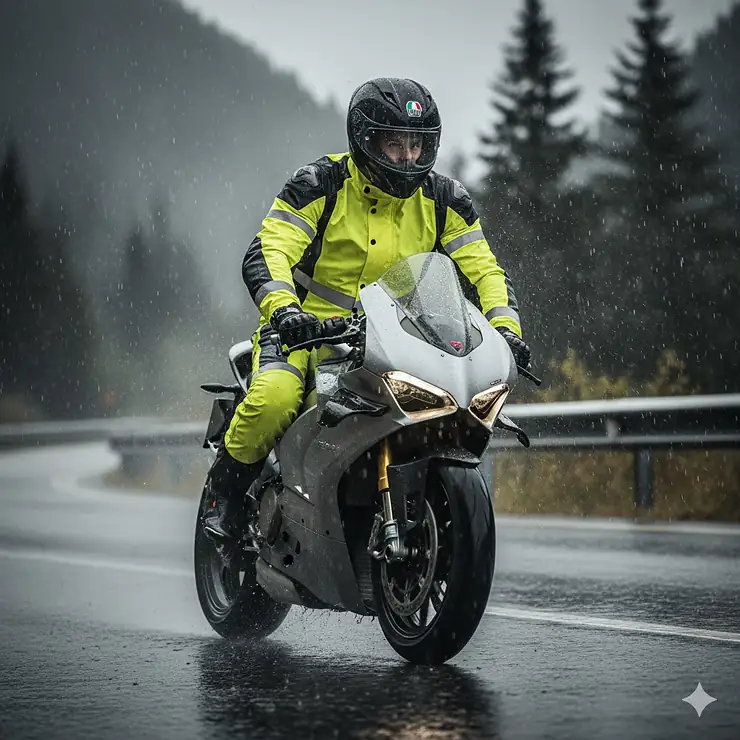
There’s nothing quite like the feeling of cruising down an open road on your bike—until the skies open up and turn your adventure into a soaking nightmare. I’ve been there more times than I care to admit, and let me tell you, the difference between a good set of motorbike rain jackets and a cheap poncho is the difference between finishing your ride with a smile or shivering in misery.
✨Was this helpful? Spread the word! 🚀
Motorbike rain jackets have evolved significantly over the years. We’re not just talking about those flimsy plastic sheets your grandfather used. Today’s motorcycle rain gear combines advanced waterproof fabrics, breathable membranes, and clever designs that actually work at highway speeds. According to the Motorcycle Safety Foundation, proper weather protection is essential for rider safety, as visibility and control can be severely compromised by wet conditions.
The market is flooded with options ranging from budget-friendly suits under $30 to premium gear exceeding $200. Whether you’re a daily commuter, weekend warrior, or long-distance tourer, finding the right rain jacket or rain suit can make or break your riding experience. In this comprehensive guide, I’ll walk you through everything you need to know about selecting, using, and maintaining motorbike rain jackets that’ll keep you bone-dry through any storm.
Quick Comparison: Top Motorbike Rain Jackets at a Glance
| Product | Waterproof Rating | Price Range | Best For | Rating |
|---|---|---|---|---|
| KEMIMOTO Rain Suit | 10,000-15,000mm | $40-50 | Budget-conscious riders | ⭐⭐⭐⭐ 4.3/5 |
| Nelson-Rigg Stormrider | 100% Waterproof | $85-95 | Long-distance touring | ⭐⭐⭐⭐⭐ 4.6/5 |
| Alpinestars Hurricane V2 | Premium Laminated | $95-140 | Performance riders | ⭐⭐⭐⭐⭐ 4.7/5 |
| Frogg Toggs Ultra-Lite | Breathable Fabric | $20-35 | Emergency backup | ⭐⭐⭐⭐ 4.1/5 |
| ILM RS02 Rain Suit | Nano Fabric | $45-60 | Versatile everyday use | ⭐⭐⭐⭐ 4.4/5 |
| IRON JIA’S Rain Gear | TPU Coating | $50-70 | Eco-conscious riders | ⭐⭐⭐⭐ 4.5/5 |
| Alpha Cycle Gear | 100% Waterproof | $40-55 | All-weather commuting | ⭐⭐⭐⭐ 4.3/5 |
💬 Just one click – help others make better buying decisions too!😊
🔥 Quick Takeaway
If you’re in a rush, here’s the bottom line: The Alpinestars Hurricane V2 offers the best overall performance for serious riders, while the KEMIMOTO Rain Suit delivers exceptional value for everyday use. For budget-conscious riders, the Frogg Toggs Ultra-Lite is hard to beat at under $30.
Top 7 Motorbike Rain Jackets: Expert Analysis
1. KEMIMOTO Waterproof Rain Suit – Best Value Pick 💰
The KEMIMOTO Waterproof Rain Suit has become my go-to recommendation for riders who want reliable protection without emptying their wallets. This two-piece set features a hydrostatic pressure rating of 10,000-15,000mm, which essentially means it can handle anything short of a fire hose pointed directly at you.
Key Specifications:
✅ Waterproof rating: 10,000-15,000mm H₂O
✅ Material: PVC-backed polyester
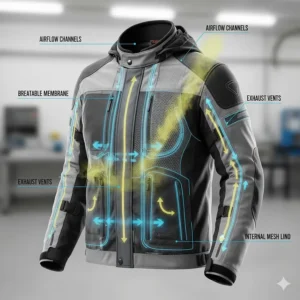
✅ Ventilation: Airflow holes on back with mesh lining
✅ Reflective strips for night visibility
✅ Price: $40-50
What really impressed me about the KEMIMOTO suit is how well it performs given its modest price point. Customer reviews consistently praise its durability—one rider even mentioned sliding on asphalt while wearing it without getting a single tear. The jacket features two large side pockets with rain flaps, and the pants have elasticized cuffs that tuck neatly into boots.
Pros:
✅ Exceptional value for money
✅ Heavy-duty construction
✅ Good breathability despite PVC backing
Cons:
❌ Sizing runs slightly small
❌ Limited color options
Customer Feedback: “Kept me bone dry through Florida storms, held up great in wind” – verified buyer
2. Nelson-Rigg Stormrider Two-Piece Rain Suit – Premium Durability 🏆
When it comes to proven track records, the Nelson-Rigg Stormrider Two-Piece Rain Suit has been keeping riders dry since 1982. This suit comes with a two-year “No Hassle” warranty, which should tell you something about the manufacturer’s confidence.
Key Specifications:
✅ 100% waterproof construction
✅ Soft polyester outer shell with PVC backing
✅ Ventilation system for air circulation
✅ Full-length zipper with self-fastening storm flap
✅ Price: $85-95
The Stormrider distinguishes itself through attention to detail. The jacket includes two large outer pockets and cooling vents under each arm—a feature often overlooked in budget options. According to RevZilla’s testing, this suit consistently ranks among the top sellers for good reason.
Pros:
✅ Excellent build quality
✅ Two-year warranty
✅ Available in hi-vis yellow for visibility
Cons:
❌ Heavier than ultralight competitors
❌ Takes up more storage space
Customer Feedback: “After 130 miles in mountain rain, pants kept everything dry, jacket had minimal seepage at zipper only” – long-distance rider
3. Alpinestars Hurricane Rain V2 Jacket – Performance Excellence 🚀
For riders who refuse to compromise, the Alpinestars Hurricane Rain V2 Jacket represents the pinnacle of motorcycle rain protection technology. This isn’t just gear—it’s engineering.
Key Specifications:
✅ 100% waterproof, breathable, wind-resistant laminated fabric
✅ Built-in storage pouch for compact packing
✅ Ergonomic fit with comfort mesh lining
✅ Subtle reflective detailing
✅ Price: $95-140 (jacket and pants sold separately or as suit)
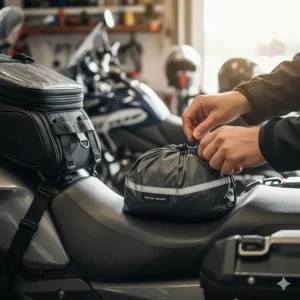
What sets the Alpinestars Hurricane V2 apart is its fabric technology. Unlike cheaper PVC-backed options, this uses a specially treated laminated material that doesn’t stick to your riding gear underneath. The jacket packs into its own built-in pouch—roughly twice the size of a fist—making it incredibly convenient to stash in a saddlebag.
Pros:
✅ Premium waterproof performance
✅ Ultra-lightweight and packable
✅ Doesn’t stick to gear underneath
Cons:
❌ Higher price point
❌ Runs small (order one size up)
Customer Feedback: “Top-notch craftsmanship, kept me dry for hours in heavy rain” – gear reviewer
4. Frogg Toggs Ultra-Lite2 Rain Suit – Budget Champion 🎯
Don’t let the rock-bottom price fool you—the Frogg Toggs Ultra-Lite2 Rain Suit is a legitimate piece of gear that’s earned cult status among thru-hikers and motorcycle commuters alike.
Key Specifications:
✅ Breathable non-woven fabric
✅ Wind-resistant and waterproof
✅ Weighs only 12.8 oz for jacket and pants
✅ Includes stuff sack
✅ Price: $20-35
The Frogg Toggs philosophy is simple: keep the construction basic, the weight minimal, and the price accessible. At under $30, you can afford to keep one in your bike’s storage, one in your car, and one at work. The jacket features an adjustable hood with cord locks and full-length front zipper with storm flap.
Pros:
✅ Incredibly affordable
✅ Extremely lightweight (5.8 oz jacket)
✅ Actually waterproof despite low price
Cons:
❌ Tears easily on sharp branches
❌ No pockets or pit zips
❌ Baggy fit
Customer Feedback: “Lasted over a year of daily use, kept me dry every time” – motorcycle commuter
5. ILM Motorcycle Rain Suit Model RS02 – Feature-Rich Option 🎨
The ILM Motorcycle Rain Suit Model RS02 is what happens when designers actually listen to riders. With six waterproof pockets on the jacket alone, this suit addresses one of my biggest pet peeves with rain gear—nowhere to stash your stuff.
Key Specifications:
✅ Nano fabric with eco-friendly coating
✅ 6 pockets (2 chest, 2 side, 2 inner)
✅ Seamless pants design prevents water infiltration
✅ Windproof hood with double buckles
✅ Price: $45-60
The ILM RS02 features a clever seamless design on the pants’ back rise, which prevents water from seeping through when you’re sitting on a wet motorcycle seat. The jacket’s high collar and double storm flaps provide excellent protection, while the mesh lining keeps things comfortable.
Pros:
✅ Exceptional pocket storage
✅ Available in multiple colors
✅ Seamless rear design on pants
Cons:
❌ Jacket sizing can run large
❌ Pants lack pockets
Customer Feedback: “Stayed completely dry in 6 hours of kayaking—great quality for the price” – outdoor enthusiast
6. IRON JIA’S Motorcycle Rain Gear – Eco-Friendly Choice 🌱
If sustainability matters to you, the IRON JIA’S Motorcycle Rain Gear uses GRS-certified recycled materials without compromising performance. Even the storage bag is made from recycled materials.
Key Specifications:
✅ High-density polyester with TPU coating
✅ Three-layer seal design at zipper
✅ High collar design prevents water entry
✅ Detachable hood and shoe covers
✅ Price: $50-70
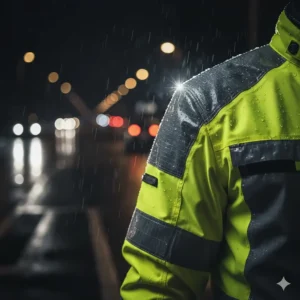
The IRON JIA’S gear impresses with its attention to rider needs. The detachable shoe covers are a thoughtful touch that keeps your boots dry and prevents that awful soggy-sock feeling. The high-visibility reflective striping on chest, back, and sleeves enhances safety during night rides.
Pros:
✅ Environmentally responsible materials
✅ Excellent waterproof performance
✅ Includes shoe covers
Cons:
❌ Pants can run disproportionately large
❌ Limited availability in some regions
Customer Feedback: “Breathable fabric—didn’t sweat like crazy in other rain suits” – verified purchaser
7. Alpha Cycle Gear Rain Suit – Warranty Winner 🛡️
The Alpha Cycle Gear Rain Suit backs up its claims with an impressive three-year manufacturer’s warranty—the longest in this roundup. That’s confidence.
Key Specifications:
✅ 100% waterproof, wind-resistant
✅ Breathable wrinkle-free fabric
✅ 360-degree high-visibility tape
✅ Removable stirrups for motorcycle riding
✅ Price: $40-55
The Alpha Cycle Gear suit includes practical features like removable stirrups that keep pants in place while riding, and adjustable Velcro cuffs with heat shields. The jacket has a tuck-away hood with easy-push cord locks, making adjustments simple even with gloves on.
Pros:
✅ Three-year warranty
✅ Excellent value proposition
✅ Great visibility features
Cons:
❌ Sizing can be inconsistent
❌ Limited breathability in hot weather
Customer Feedback: “All-purpose gear that works for motorcycle, hiking, and outdoor work” – multi-sport user
🎯 Ready to Stay Dry? Click to Check Latest Prices! 🏍️
Whether you’re commuting in unpredictable weather or planning a cross-country adventure, these motorbike rain jackets have you covered. Click any product name to see current pricing and availability on Amazon!
Understanding Waterproof Ratings for Motorcycle Rain Gear
Let’s cut through the marketing jargon and talk about what those numbers actually mean. When you see “10,000mm waterproof rating,” that refers to how much water pressure the fabric can withstand before it starts leaking. Think of it as a vertical column of water pressing down on your jacket—the higher the number, the more protection you get.
Here’s the practical breakdown: A 5,000mm rating handles light rain and drizzle perfectly fine for short rides. At 10,000mm, you’re good for moderate to heavy rain that lasts several hours. Anything above 20,000mm? That’s expedition-grade protection that can handle sustained downpours and hurricane-force conditions. Most quality motorbike rain jackets fall into the 8,000-15,000mm range, which covers the vast majority of riding scenarios.
How Waterproof Ratings Work
The testing process involves placing a fabric sample under a tube filled with water. Engineers measure how many millimeters of water the material can hold before three drops seep through. According to the American Association of Textile Chemists and Colorists, this standardized test (AATCC Test Method 127) provides reliable comparisons across products. It’s similar to the European EN 343 standard used internationally.
Most motorcycle rain jackets fall between 5,000mm and 20,000mm. However, construction quality matters just as much as the rating. Sealed seams, waterproof zippers, and storm flaps can make a 10,000mm jacket outperform a poorly-made 20,000mm one. I’ve seen $50 jackets with 10,000mm ratings keep riders drier than $150 jackets with 20,000mm ratings—all because of superior seam construction.
Breathability Matters Too
Here’s something most riders don’t consider until they’re sweating inside their “waterproof” jacket: breathability. A completely waterproof material that doesn’t breathe turns you into a mobile sauna. You’ll stay dry from rain but get soaked from your own perspiration—I’ve been there, and it’s almost as miserable as getting rained on.
Look for jackets with ventilation systems, mesh linings, or breathable membranes. Some manufacturers list breathability ratings in grams per square meter per 24 hours (g/m²/24hr). Anything above 10,000 g/m²/24hr provides decent moisture vapor transmission. Premium jackets reach 20,000+ g/m²/24hr, which makes a huge difference during physically active riding or warm weather.
Real-World Performance vs Lab Numbers
Lab tests don’t account for wind driving rain sideways at 60 mph or water pooling on your lap during long rides. This is where rider reviews become invaluable. A jacket might pass 15,000mm lab tests but fail in real conditions if the design allows water pooling or if seams aren’t properly sealed. Always read actual rider experiences alongside technical specifications.
One-Piece vs Two-Piece: Choosing the Right Style
This debate has divided motorcycle communities for decades, and honestly, both camps have valid points. Let me break down the pros and cons so you can decide what works for your riding style.
One-Piece Rain Suits
Advantages:
✅ Zero gaps means no water sneaking in at your waistline
✅ Quicker to put on once you’ve mastered the technique
✅ Better protection in heavy, sustained rain
✅ Often more affordable
Disadvantages:
❌ Must remove boots or struggle with wide leg openings
❌ All-or-nothing—can’t wear just top or bottom
❌ If one part tears, entire suit is compromised
❌ Bathroom breaks become an adventure
Two-Piece Rain Suits
Advantages:
✅ Superior convenience and versatility
✅ Wear jacket alone for light rain
✅ Replace damaged pieces individually
✅ Easier to put on and remove
✅ Better temperature regulation options
Disadvantages:
❌ Water can seep in at waistline junction
❌ Typically slightly more expensive
❌ Requires proper overlap for full protection
For most riders, I recommend two-piece setups. The versatility simply can’t be beat, especially if you encounter changing conditions throughout your ride.
Essential Features in Quality Motorcycle Rain Jackets
Not all motorbike rain jackets are created equal. After testing dozens over the years, I’ve identified the must-have features that separate exceptional gear from mediocre stuff.
Sealed Seams and Taped Joints
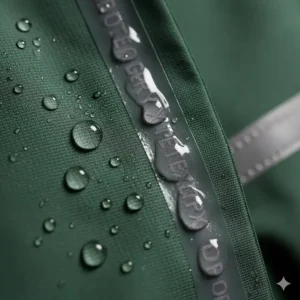
Even the most waterproof fabric becomes useless if water seeps through needle holes from stitching. Quality jackets use tape-sealed or welded seams that eliminate these weak points. Check product descriptions for phrases like “fully sealed seams” or “taped construction.”
Storm Flaps and Waterproof Zippers
Regular zippers are surprisingly porous. Premium rain gear uses waterproof zippers (often from YKK AquaGuard) or covers standard zippers with storm flaps secured by Velcro or snaps. Double storm flaps provide extra insurance against wind-driven rain.
Adjustable Cuffs and Collars
Water loves sneaking in through gaps at your wrists, ankles, and neck. Look for elastic or Velcro-adjustable cuffs, and tall collars that seal tight. Some jackets include inner wrist gaskets for additional protection—worth it if you ride in serious weather.
Reflective Elements
According to NHTSA research, visibility is critical during adverse weather conditions when other drivers’ attention may be compromised. Rain jackets with strategically placed reflective striping or patches significantly improve your visibility to other motorists, especially in low-light or heavy rain scenarios.
Ventilation Systems
Back vents, underarm zippers, and mesh linings help prevent the sweatbox effect. Even “breathable” fabrics need assistance when you’re generating body heat during physical activity or warm weather.
How to Choose the Right Size for Motorcycle Rain Gear
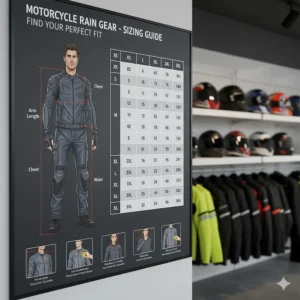
Size matters more with rain gear than regular clothing because you’ll be wearing it over your riding jacket and pants. Here’s my sizing strategy that’s saved me from countless returns.
Measure with Gear On
Put on your typical riding outfit—jacket, pants, boots, the works. Now measure:
- Chest at fullest point (typically under armpits)
- Waist at natural waistline
- Inseam from crotch to floor while wearing boots
Compare these measurements to manufacturer size charts. When in doubt, size up. A slightly loose rain jacket functions perfectly; a tight one restricts movement and may tear.
Consider Riding Position
Your riding position affects fit requirements. Sportbike riders need extra length in the back and sleeves due to aggressive forward lean. Cruiser riders can get away with standard fits. Adventure tourers benefit from roomier cuts for layering.
Brand-Specific Quirks
Alpinestars consistently runs small—reviewers recommend ordering one size up. Nelson-Rigg tends toward true-to-size. Frogg Toggs runs baggy by design. Always read customer reviews about sizing before ordering.
Maintaining Your Motorcycle Rain Jackets
Proper care extends the life of your motorbike rain jackets dramatically. I’ve had cheap suits last five years and expensive ones fail in one season—maintenance makes the difference.
Cleaning Without Damage
Do:
✅ Hand wash in cool water with mild soap
✅ Rinse thoroughly to remove all detergent
✅ Hang dry away from direct heat
✅ Store in cool, dry place
Don’t:
❌ Use fabric softener (clogs waterproof membranes)
❌ Dry clean (chemicals damage coatings)
❌ Iron or expose to high heat
❌ Store damp or compressed long-term
Restoring Water Repellency
Over time, the durable water repellent (DWR) coating wears off, causing water to “wet out” rather than bead up. Reapply DWR treatment products like Nikwax or Granger’s Performance Repel every 10-20 uses, following package instructions.
Inspecting for Damage
Before every ride, quickly check:
- Seam tape integrity (peeling or separation)
- Zipper function and storm flap condition
- Fabric tears or abrasion spots
- Elastic/Velcro closure effectiveness
Catching small problems early prevents catastrophic failures mid-ride.
Budget Breakdown: What to Expect at Different Price Points
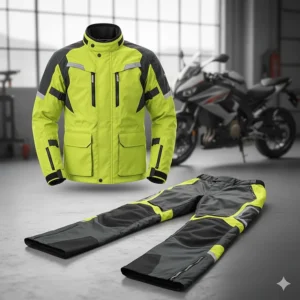
Understanding what you’re paying for helps make informed decisions. Here’s how motorcycle rain gear breaks down across price tiers.
Under $50: Entry-Level Protection
Expect PVC-backed polyester construction, basic sealed seams, and standard zippers with storm flaps. Perfect for occasional riders or emergency backup gear. Durability varies significantly—some last years, others fail quickly.
Best in Class: Frogg Toggs Ultra-Lite ($20-35), KEMIMOTO Rain Suit ($40-50)
$50-$100: Sweet Spot
This range offers the best value for regular riders. You get better materials, improved breathability, reinforced high-wear areas, and often manufacturer warranties. Construction quality jumps significantly.
Best in Class: ILM RS02 ($45-60), IRON JIA’S Rain Gear ($50-70), Nelson-Rigg Stormrider ($85-95)
$100-$200: Premium Performance
Advanced fabrics, sophisticated ventilation systems, compact packability, and long-term durability characterize this tier. Brand reputation and refined details justify the premium for serious riders.
Best in Class: Alpinestars Hurricane V2 ($95-140)
Above $200: Specialized Solutions
This territory includes integrated suits with armor, heated elements, or expedition-grade materials. Only necessary for specific use cases like long-distance adventure touring or extreme conditions.
Common Mistakes When Buying Motorcycle Rain Jackets
I’ve made every mistake in the book—and watched countless riders repeat them. Learn from our errors.
Mistake #1: Prioritizing Price Over Quality
That $15 poncho from the gas station? It’ll disintegrate at highway speeds. Spending even $30-40 on proper rain gear saves you from arriving soaked, cold, and miserable. Trust me, the extra cost is worth every penny.
Mistake #2: Ignoring Reviews About Sizing
When 47 reviewers say “runs small,” believe them. Manufacturers publish size charts, but real-world feedback from actual riders is gold. Read through customer reviews specifically looking for sizing comments.
Mistake #3: Forgetting About Storage
Bulky rain suits that don’t pack down sit at home instead of on your bike. Consider where you’ll store your rain gear. Can it fit in your underseat storage, saddlebag, or tank bag? If not, you won’t have it when you need it.
Mistake #4: Choosing Style Over Function
Hi-vis yellow might not be your favorite color, but it could save your life in low-visibility conditions. Safety trumps aesthetics every time.
Mistake #5: Skipping Proper Break-In
New rain gear can feel stiff and awkward. Wear it around the house, practice putting it on over your riding gear, and familiarize yourself with all the adjustments before you’re struggling in a downpour.
Advanced Weather Protection Strategies
Beyond just owning rain gear, strategic preparation makes the difference between misery and manageable rides.
Layering System Approach
Think of protection in layers:
- Base layer: Moisture-wicking underwear
- Insulation layer: Regular riding gear
- Shell layer: Rain jacket and pants
This system allows temperature regulation while maintaining waterproof protection. Remove or add layers as conditions change.
Pre-Ride Weather Checks
Modern weather apps like Weather Underground or NOAA Weather provide radar images and precipitation forecasts. Check your route’s weather corridor, not just your current location. Weather can change dramatically over 100 miles.
Emergency Rain Gear Kit
Keep a compact emergency rain suit in your bike’s storage permanently. Even if you’re carrying your primary rain gear, redundancy provides peace of mind. Frogg Toggs’ extreme packability makes them perfect for this role.
Waterproofing Other Gear
Rain jackets protect your body, but don’t forget:
- Waterproof glove covers or fully waterproof gloves
- Boot covers or waterproof boots
- Dry bags for electronics and valuables
- Tank bag rain cover
Rain Riding Safety Tips
Wet conditions demand different riding techniques. Adjust your approach to stay safe—this isn’t optional, it’s essential for arriving home in one piece.
Reduced Traction Awareness
Wet roads reduce tire grip by 30-50%, transforming familiar corners into potential slide-outs. According to NHTSA crash data, wet pavement contributes to nearly 1.2 million crashes annually in the United States. Increase your following distance to at least four seconds, brake earlier and gentler than usual, and avoid aggressive lean angles in corners. Paint stripes, metal surfaces like manhole covers, and tar snakes become ice rinks when wet—cross them upright with steady throttle.
Modern tires with proper tread depth help, but physics remains unforgiving. Rain creates a thin film of water mixed with road oils, dust, and debris—especially dangerous in the first 15 minutes of rainfall before heavy rain washes contaminants away. If possible, wait out the initial downpour before riding.
Visibility Challenges
Rain reduces your ability to see by fogging visors and obstructing vision, while simultaneously making you nearly invisible to distracted drivers. Use your headlight (even during daytime—most states require this legally), wear reflective gear like hi-vis yellow or orange rain jackets, and maintain extra space from other vehicles. Assume other drivers don’t see you—because they probably don’t. Position yourself in their mirrors rather than blind spots.
Invest in anti-fog treatments for your visor or consider pin-lock systems. Crack your visor slightly to improve airflow and reduce fogging, but be aware this lets rain in. Some riders prefer full-face helmets with excellent ventilation systems for rain riding.
Hydroplaning Prevention
At speeds above 50 mph, water can build up between your tires and road surface, causing hydroplaning where you lose all traction. Maintain proper tire pressure (check it more frequently in wet seasons—cold, wet conditions reduce pressure), ensure adequate tread depth (minimum 3mm for motorcycles), and avoid sudden inputs that might break traction.
If you feel your bike starting to hydroplane (sudden lightness in steering, loss of engine braking response), don’t panic. Resist the urge to brake or turn sharply. Ease off the throttle gradually and ride it out until traction returns. This typically lasts only a second or two but feels like an eternity.
Puddle Navigation
Never barrel through standing water at speed—potholes, debris, and road damage hide beneath the surface. I’ve seen riders hit pothole-filled puddles that caused immediate crashes. Slow down, stay upright as possible (less lean angle = more tire contact), and maintain steady throttle through unavoidable puddles.
Deep puddles can also cause aquaplaning (hydroplaning’s cousin) or even engine issues if water gets sucked into your air intake. If you must cross deep water, slow to walking pace, keep revs steady, and commit fully—stopping midway risks stalling in water.
Emergency Rain Riding Protocols
If caught in a severe storm with visibility near zero, find safe shelter immediately. Highway overpasses, gas stations, or restaurants provide refuge. Never stop on the shoulder of busy roads—you’re a sitting target for distracted drivers. If you must pull over, get completely off the roadway, activate hazard lights if equipped, and move away from your bike in case someone hits it.
Comparing Motorbike Rain Jackets to Alternatives
Rain jackets aren’t your only option. Let’s see how they stack up against alternatives.
| Solution | Waterproof | Packability | Cost | Best For |
|---|---|---|---|---|
| Rain Suits | Excellent | Good-Excellent | $20-150 | All riders |
| Waterproof Touring Gear | Excellent | Poor | $400-800 | Daily riders |
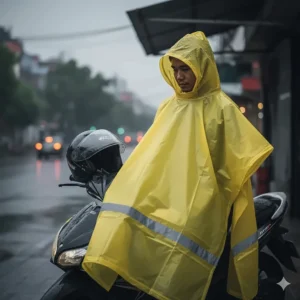
| Rain Ponchos | Fair-Good | Excellent | $10-40 | Emergency only |
| Wax Cotton Jackets | Fair | Poor | $200-500 | Style-conscious cruisers |
Dedicated motorbike rain jackets and suits offer the best balance of protection, convenience, and affordability for most riders. Fully waterproof touring gear costs significantly more but eliminates the need to stop and change.
Seasonal Considerations for Rain Gear Selection
Your rain gear needs vary with seasons. Adjusting your approach optimizes comfort year-round.
Spring Rain Riding
Spring brings unpredictable weather. Prioritize packability so you can carry rain gear without committing to wearing it. Breathable fabrics matter more as temperatures climb.
Summer Storm Protection
Hot weather plus rain gear equals sweat city. Look for maximum ventilation—mesh linings, back vents, and pit zips. Consider lightweight, bare-bones options that you’ll only wear during actual rainfall.
Fall Weather Variability
Layering becomes critical as temperatures swing. Your rain gear should accommodate extra insulation underneath. Darker colors hide road grime better during muddy season.
Winter Wet Conditions
Cold rain is dangerous—hypothermia risk increases dramatically. Choose rain gear that fits over winter riding jackets and heated gear. Windproof materials are essential.
How Rain Gear Fits Into Different Riding Styles
Your riding style influences rain gear priorities. Match your purchase to your typical use.
Commuters
Reliability and quick deployment matter most. Two-piece suits offer versatility for partial protection. Keep backup gear at work and home.
Recommended: KEMIMOTO Rain Suit, Alpha Cycle Gear
Touring Riders
Pack volume and durability become priorities. You need gear that survives hundreds of miles packed away and deploys repeatedly without failing.
Recommended: Alpinestars Hurricane V2, Nelson-Rigg Stormrider
Adventure Riders
Abrasion resistance and coverage for armor matter. Expect your gear to encounter branches, mud, and rough conditions beyond just rain.
Recommended: ILM RS02, IRON JIA’S Rain Gear
Sport Riders
Aerodynamics and minimal bulk prevent wind resistance. Slim-fitting options that won’t flap at high speeds are essential.
Recommended: Alpinestars Hurricane V2 (sized up), IRON JIA’S
Storage Solutions for Motorcycle Rain Gear
Carrying rain gear effectively makes the difference between having it and wishing you did.
Packing Techniques
Roll gear instead of folding to minimize creases and volume. Start with pants, roll tightly, then wrap jacket around the pants bundle. Secure with rubber bands or stuff in compression sack.
Storage Locations
Under-Seat Storage: Works for compact suits like Frogg Toggs or Alpinestars Hurricane V2
Saddlebags: Most versatile option, fits all sizes
Tank Bags: Convenient access but limited capacity
Tail Bags: Good option but less accessible while riding
Organization Tips
Keep rain gear in bright-colored stuff sacks so they’re easy to locate. Store boots covers or overpants separately from jackets for partial deployment options.
FAQs
❓ How long do motorbike rain jackets typically last with regular use?
❓ Can I wash my motorcycle rain gear in a washing machine?
❓ What's the difference between rain jackets and waterproof riding jackets?
❓ Do motorbike rain jackets work at highway speeds?
❓ Should I buy one size larger for motorbike rain jackets?
Conclusion: Finding Your Perfect Motorcycle Rain Protection
Choosing the right motorbike rain jackets ultimately comes down to matching your specific needs with the right gear. If you’re a daily commuter on a budget, the KEMIMOTO Rain Suit delivers exceptional value without compromise. Weekend warriors and touring enthusiasts should seriously consider the Alpinestars Hurricane V2 for its premium construction and packability. And for riders who just want affordable backup protection, you can’t go wrong with Frogg Toggs Ultra-Lite.
Remember, the best rain jacket is the one you actually carry with you. I’ve learned this lesson the hard way too many times—watching dark clouds roll in while my “perfect” rain suit sits at home in my garage. Pick gear that fits your riding style, packs conveniently, and matches your budget. Then make sure it’s actually on your bike.
Don’t wait until you’re soaked and shivering to invest in proper rain protection. Weather doesn’t care about your schedule, and the few minutes you spend choosing quality gear will pay dividends over years of dry, comfortable riding.
⚡ Don’t Let Rain Ruin Your Next Ride! Shop Now for Ultimate Protection! 🏍️
Stay safe out there, keep the rubber side down, and may your journeys be filled with adventure—rain or shine.
Recommended for You
- 7 Best Motorcycle Jacket Women Options for 2025 Safety
- Moto Jacket Summer: 7 Best Breathable Picks 2025
- 7 Best Welding Jackets That Won’t Let You Down (2025)
Disclaimer: This article contains affiliate links. If you purchase products through these links, we may earn a small commission at no additional cost to you.
✨ Found this helpful? Share it with your friends! 💬🤗
