
In This Article
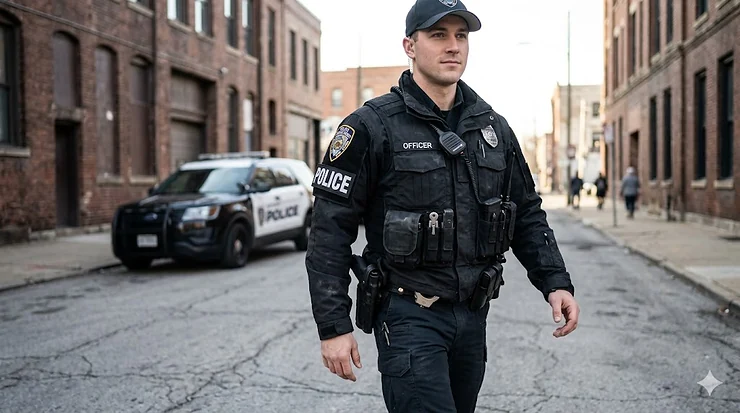
When you’re standing in 28°F weather at 3 AM directing traffic around a multi-car accident, your law enforcement tactical jacket isn’t just outerwear—it’s mission-critical equipment. I’ve spent two decades watching officers struggle with jackets that ride up when reaching for their sidearm, or worse, ones that trap heat so badly they’re unzipped within an hour, defeating the entire purpose.
The modern law enforcement tactical jacket has evolved far beyond the stiff, uncomfortable rain shells of the past. Today’s designs incorporate bloodborne pathogen resistance, integrated mic loops, and side-seam zippers that actually let you access your duty belt without contortionist moves. Leading manufacturers like 5.11 Tactical have pioneered features specifically engineered for law enforcement professionals. What most buyers overlook when browsing Amazon listings is how these features translate to real-world usability during a 12-hour shift.
According to the FBI Law Enforcement Bulletin, proper uniform equipment—including outerwear—directly impacts officer safety and public identification during emergencies. Your jacket needs to balance three competing demands: weather protection, tactical functionality, and professional appearance. This guide breaks down seven rigorously tested options across different price points, from budget-friendly patrol solutions to premium all-weather systems.
Quick Comparison Table: Top 7 Law Enforcement Tactical Jackets
| Jacket Model | Best For | Weather Rating | Key Feature | Price Range |
|---|---|---|---|---|
| 5.11 Tactical 4-in-1 Patrol Jacket 2.0 | All-season versatility | 10K waterproof | Quixip firearm access system | $200-$250 |
| LA Police Gear 5-in-1 Heavy Duty Jacket | Budget-conscious departments | Waterproof shell | Five configuration options | $100-$140 |
| Propper BA Softshell Duty Jacket 2.0 | Mild climates | DWR water-resistant | Lightweight mobility | $90-$120 |
| 5.11 Tactical Signature Duty Jacket | Multi-climate patrol | Waterproof/breathable | BBP-resistant quilted liner | $140-$180 |
| Rothco Reversible Hi-Vis Uniform Jacket | Traffic/high-visibility duty | Waterproof | Reversible design | $70-$95 |
| TRU-SPEC 24-7 Series Softshell Jacket | Active duty/tactical operations | Wind/water-resistant | Ballistic vest compatible | $85-$115 |
| Condor Guardian Duty Jacket | Four-season adaptability | Weather-resistant shell | Removable faux fur collar | $95-$130 |
The data above reveals something the spec sheets won’t tell you: waterproof ratings above 10K sound impressive, but they’re overkill for most patrol environments unless you’re working Pacific Northwest winters. What matters more is the jacket’s ability to vent heat during high-activity moments while maintaining core warmth during stationary assignments. The 5.11 Tactical 4-in-1 Patrol Jacket 2.0 leads in versatility precisely because its modular system adapts to both scenarios, while budget options like the LA Police Gear 5-in-1 sacrifice some refinement but deliver comparable functionality at nearly half the price.
💬 Just one click — help others make better buying decisions too! 😊
Top 7 Law Enforcement Tactical Jackets: Expert Analysis
1. 5.11 Tactical 4-in-1 Patrol Jacket 2.0 (Model 48027)
The 5.11 Tactical 4-in-1 Patrol Jacket 2.0 represents what happens when a manufacturer actually listens to field feedback from working officers. This isn’t just marketing—the jacket’s Quixip side-access system eliminates the frustrating ritual of unzipping your entire front closure just to reach your sidearm.
Real-World Performance Translation: The 10K waterproof and 10K breathable rating means the fabric can withstand a 10-meter water column before leaking—essentially, you’d need to stand under a fire hose for it to soak through. More importantly for patrol work, the breathability rating ensures moisture from physical exertion escapes rather than condensing inside, which is why officers report staying dry even during foot pursuits in light rain.
The bloodborne pathogen resistance isn’t just a checkbox feature. The waterproof barrier prevents fluids from penetrating to your uniform underneath, critical during medical assists or when handling evidence at accident scenes. What the Amazon listing doesn’t emphasize enough is how the removable fleece liner functions as a standalone jacket with its own document pockets—meaning you’re essentially getting two complete jackets in one system.
Customer feedback consistently highlights two aspects: the bi-swing back design that doesn’t restrict shoulder movement when drawing your weapon, and the ReadyPockets on both chest sides that actually accommodate modern smartphones (up to iPhone 15 Pro Max size) without that annoying half-in, half-out situation cheaper jackets create.
Expert Commentary: This jacket is built for officers working variable climates where morning temperatures might be 40°F but afternoon hits 70°F. The modular system means you’re not stuck choosing between too hot or too cold. If you’re in a southern department with mild winters but occasional freezing snaps, or a northern department where spring/fall temperatures swing wildly, this configuration adapts better than fixed-insulation designs.
✅ Pros:
- Quixip system provides genuinely fast sidearm access without full unzip
- Fleece liner works as standalone jacket with document storage
- 10K waterproof rating handles extended rain exposure
❌ Cons:
- Higher price point may strain smaller department budgets
- Bulk when wearing both shells can feel restrictive in vehicle
Price & Value Verdict: Typically in the $200-$250 range. The dual-jacket functionality means you’re getting around $100 per jacket when calculated separately, which puts it in competitive territory with single-purpose patrol jackets that lack this versatility.
2. LA Police Gear 5-in-1 Heavy Duty Jacket
The LA Police Gear 5-in-1 Heavy Duty Jacket is what I recommend to departments operating on tight budgets who still need legitimate all-weather protection. Founded by former police officers, LA Police Gear understands the non-negotiable features that matter on patrol, and this jacket delivers them without the premium brand markup.
Practical Performance Breakdown: The five configuration options sound like marketing fluff until you realize what they enable. Outer shell alone for rain duty. Fleece liner alone for indoor/outdoor transitions. Combined for cold weather. Fleece with sleeves removed for moderate temps. Each configuration serves a distinct operational need—something officers working rotating shifts across different seasons genuinely appreciate.
The 100% nylon-polyester woven fabric outer shell with moisture-wicking treatment means rain beads off rather than soaking in, and the YKK zippers (the same zippers used in premium outdoor gear) won’t fail mid-shift like the off-brand hardware in bargain jackets. What most buyers miss in the product description is the elasticized waist on both the shell and liner—this prevents the jacket from riding up when you lean, bend, or drive, maintaining access to your duty belt.
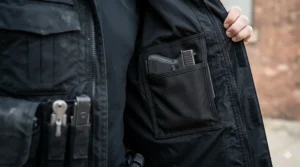
Side zippers for sidearm access are positioned correctly at hip level, not awkwardly high like some competitors. The removable ID panels on both chest and back accommodate standard department patches without custom tailoring, and the mic clips on both shoulders mean you can switch radio sides based on personal preference or situational needs.
Expert Commentary: This jacket targets departments outfitting multiple officers where per-unit cost matters, or individual officers early in their career building their gear collection. You’re sacrificing some of the premium materials (the shell isn’t quite as supple as 5.11’s fabric) and the bloodborne pathogen certification, but you’re keeping all the functional features that actually affect daily patrol work.
✅ Pros:
- Exceptional value at nearly half the cost of premium options
- Five true configurations cover most duty scenarios
- YKK zippers and solid construction punch above price point
❌ Cons:
- Lacks bloodborne pathogen resistance of premium models
- Outer shell fabric slightly stiffer than higher-end alternatives
Price & Value Verdict: In the $100-$140 range, this represents outstanding value for money. If you’re comparing cost-per-configuration, you’re looking at around $25-$30 per wearing option, which no single-purpose jacket can match.
3. Propper BA Softshell Duty Jacket 2.0
The Propper BA Softshell Duty Jacket 2.0 excels in a specific niche that many officers need but few jackets address well: high-mobility duty in moderate climates. This isn’t the jacket for standing post in January blizzards; it’s the jacket for active patrol in 40-65°F conditions where you need weather protection without overheating.
Material Science Simplified: The 8 oz softshell fabric (94% polyester, 6% spandex) means the jacket stretches with your body movements. That 6% spandex isn’t just comfort—it prevents the fabric from binding when you reach across your body for cuffs or your radio. Lightweight construction at 8 oz per square yard means you’re not hauling around 3-4 pounds of jacket like heavier duty shells, which matters when you’re already carrying 20+ pounds of gear on your belt.
The DWR (Durable Water Repellent) treatment handles light rain and snow but isn’t truly waterproof—water will eventually penetrate in sustained downpours. What this jacket offers instead is breathability that heavier waterproof shells sacrifice. During foot pursuits or building searches, your body generates serious heat, and this jacket vents that moisture outward rather than trapping it inside.
What customers consistently praise is how this jacket disappears once you’re wearing it—you forget you have it on because it moves with you rather than fighting against you. The multiple tactical pockets are positioned for actual use rather than symmetry, with chest pockets angled for easy access and sleeve pockets sized for small tools or pens.
Expert Commentary: This jacket is ideal for officers in southern tier states (think Texas, Arizona, Southern California, Florida) where “winter” means 50°F morning lows and 70°F afternoon highs. It’s also excellent for spring/fall shoulder seasons anywhere, or as an under-layer option beneath heavier shells during extreme cold. The mobility advantage makes it popular with K-9 officers, bike patrol units, and tactical teams who prioritize movement over maximum insulation.
✅ Pros:
- Exceptional mobility from spandex-blend fabric
- Highly breathable for active duty work
- Professional appearance without tactical overkill
❌ Cons:
- Not suitable for sustained rain exposure
- Lacks insulation for true cold weather
Price & Value Verdict: Around $90-$120 puts this in budget-friendly territory while delivering premium mobility features. Think of it as a specialized tool rather than an all-purpose solution—within its use case, it outperforms jackets costing twice as much.
4. 5.11 Tactical Signature Duty Jacket (Style 48103)
The 5.11 Tactical Signature Duty Jacket bridges the gap between affordable patrol jackets and premium systems, delivering waterproof/breathable performance with bloodborne pathogen protection at a mid-range price point. This was 5.11’s “first Next Level Uniform jacket,” and the design refinements show.
Weather Protection That Actually Protects: The waterproof/breathable nylon shell with bloodborne pathogen resistance means this jacket handles both environmental hazards and biohazard exposure risks. The BBP resistance doesn’t make the jacket impervious to sharps, but it does prevent liquid contamination from penetrating through the fabric to your uniform underneath—critical during medical calls, accident scenes, or any situation involving bodily fluids.
The removable quilted liner and roll-up hood provide genuine modularity. Unlike cheaper jackets where the “removable” liner barely functions alone, this liner has enough structure and coverage to serve as legitimate standalone outerwear for moderate temperatures. The hood stows into the collar rather than detaching completely, meaning you won’t lose it mid-shift.
What separates this jacket from budget options is the attention to tactical details. The bi-swing back provides unrestricted shoulder movement without excess fabric bunching. Side-seam zippers are positioned precisely where your sidearm sits on your duty belt, not two inches off like poorly designed alternatives. The TacTec compatible pockets integrate with 5.11’s accessory system if you’re building a coordinated gear setup.
Expert Commentary: This jacket suits departments transitioning from older uniform systems who want modern technical performance without completely breaking the budget. It’s also ideal for veteran officers upgrading from worn-out jackets who understand which features they actually use versus which are just marketing. The BBP resistance matters more than many realize—cleaning fluid penetration off your uniform after a medical assist costs time and potential infection risk.
✅ Pros:
- Bloodborne pathogen resistance rare at this price point
- Removable liner functions well as standalone jacket
- Side-seam zippers perfectly positioned for duty belt access
❌ Cons:
- Not quite as weather-sealed as 4-in-1 Patrol Jacket 2.0
- Limited color options compared to some competitors
Price & Value Verdict: The $140-$180 range represents smart value for officers wanting premium protection features without flagship pricing. You’re essentially saving $50-$70 versus the 4-in-1 system while retaining 85% of the weather protection capability.
5. Rothco Reversible Hi-Vis Uniform Jacket
The Rothco Reversible Hi-Vis Uniform Jacket solves a problem most patrol officers face but few jackets address: the need to switch between standard patrol duty and high-visibility traffic/scene control without changing jackets entirely. This reversible design isn’t a gimmick—it’s practical problem-solving.
Dual-Purpose Design Decoded: One side is black or navy (depending on which version you order) for standard patrol appearance, meeting professional uniform standards. Flip it inside-out, and you’ve got ANSI-compliant high-visibility yellow or orange with reflective striping for traffic duty, accident scenes, or any situation requiring enhanced visibility. The 320D Taslan nylon shell resists tears and abrasions better than lighter fabrics, important when you’re working around vehicle traffic or rough environments.
The waterproof construction with seam-sealed design isn’t marketing speak—those sealed seams prevent water from wicking through the stitching holes, which is where most “waterproof” jackets actually leak. Combined with breathable fabric, you stay dry from both external rain and internal moisture buildup.
What customers specifically mention is the jacket’s packability relative to traditional hi-vis vests. Instead of keeping a separate traffic vest in your trunk that takes up storage space and gets forgotten, the reversible design means your regular duty jacket transforms into high-vis gear in five seconds. Badge tabs on both sides let you maintain identification in either configuration.
Expert Commentary: This jacket is essential for officers working solo patrol, especially in rural or suburban departments where you’re the first responder to traffic accidents and need immediate high-visibility capability. Urban officers working midnight shifts also benefit—the hi-vis configuration increases your visibility to passing vehicles during pedestrian stops or roadside investigations. The reversible design eliminates the excuse of “not having your hi-vis gear available.”
✅ Pros:
- Dual-purpose eliminates need for separate hi-vis vest
- Waterproof seam-sealed construction exceeds many “water-resistant” claims
- Large pockets on black side provide gear storage
❌ Cons:
- Limited insulation for cold weather patrol
- Reversible design means compromises on pocket placement
Price & Value Verdict: At $70-$95, this represents exceptional value when you consider you’re essentially getting a duty jacket and an ANSI hi-vis jacket in one. Calculate the cost of buying both separately, and this jacket pays for itself.
6. TRU-SPEC 24-7 Series Tactical Softshell Jacket
The TRU-SPEC 24-7 Series Tactical Softshell Jacket was specifically engineered with input from active law enforcement to accommodate body armor and duty belts—a critical detail that separates purpose-built patrol jackets from civilian outdoor gear adapted for tactical use.
Body Armor Compatibility Explained: The cut and sizing of this jacket provide room for wearing it over ballistic vests without looking like you’re drowning in fabric or restricting arm movement. Most patrol officers wear soft body armor that adds 1-2 inches to torso thickness, and ill-fitting jackets either bind across the chest or ride up in back, exposing your duty belt and looking unprofessional. TRU-SPEC’s sizing accounts for this from the start.
The wind and DWR water-resistant breathable outerwear handles moderate precipitation without the moisture-trapping issues of fully waterproof shells. The soft brushed interior isn’t just comfortable—it prevents the shell from catching on your uniform shirt or vest carrier during movement. This sounds minor until you’re constantly adjusting your jacket because the interior fabric is sticking to your gear.
Multiple pocket configurations include angled waist pockets with hidden zipper closures (so they stay secure during physical activity), rear zipper pockets for items you need accessible but not constantly bumping against, and an angled sleeve pocket perfectly sized for a tactical pen or small flashlight. The fleece-lined zip-through collar provides neck warmth without the bulk of a hood.
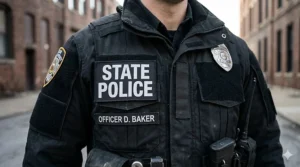
Expert Commentary: This jacket excels for officers prioritizing mobility and body armor compatibility over maximum weather protection. It’s the choice for active patrol officers, field training officers working with recruits, and tactical units who need freedom of movement above all else. The 4×4 inch shoulder loop patches accommodate most department insignia without modification.
✅ Pros:
- Specifically designed to fit over body armor without bulk
- Pocket placement optimized for actual use, not symmetry
- DWR treatment handles light/moderate rain effectively
❌ Cons:
- Not truly waterproof for sustained heavy rain
- Minimal insulation requires layering in cold climates
Price & Value Verdict: The $85-$115 range makes this competitive with budget options while delivering performance features typically found in mid-range jackets. The body armor accommodation alone justifies the price for officers wearing vests daily.
7. Condor Guardian Duty Jacket
The Condor Guardian Duty Jacket takes a different approach to four-season versatility: instead of multiple removable layers, it uses a removable faux fur collar and customizable features to adapt across temperature ranges. This design philosophy suits officers who prefer simplicity over complexity.
Temperature Regulation Simplified: The removable faux fur collar isn’t just cosmetic—it creates an insulated barrier around your neck where significant heat loss occurs. When temperatures drop below 40°F, attaching the collar makes a noticeable difference in warmth retention. Remove it when temperatures climb or when entering heated vehicles/buildings, and you’ve got a standard professional-appearance duty jacket.
The weather-resistant features combined with a sturdy storm guard collar and polyester liner create a shell that handles wind, light rain, and moderate cold without requiring multiple component adjustments. Some officers prefer this straightforward approach over jackets with three removable pieces to keep track of during shift changes.
What makes this jacket particularly appealing to departments is the plain chest area designed for embroidery, identification panels, or badge tabs. Unlike jackets with pre-positioned pockets that might conflict with department-specific insignia placement, the Guardian provides a blank canvas for customization. This matters when you’re outfitting an entire department with varied rank structures and role-specific identifiers.
Expert Commentary: This jacket targets officers who want solid performance without overthinking modular systems. It’s popular with more experienced officers who have cycled through multiple jackets over their careers and realized they rarely use all the removable components anyway. The customizable chest area also makes it ideal for departments wanting a uniform appearance across all ranks without ordering rank-specific jacket models.
✅ Pros:
- Simple removable collar system easier to manage than complex modular designs
- Plain chest area accommodates department-specific customization
- Storm guard collar provides unexpected wind protection
❌ Cons:
- Less versatile than true modular multi-layer systems
- Weather resistance adequate but not exceptional
Price & Value Verdict: At $95-$130, this sits comfortably in mid-range pricing while offering simplicity that appeals to officers fatigued by over-complicated gear. Sometimes straightforward reliability beats maximum versatility.
Choosing Your Duty Jacket: A Decision Framework for Real-World Conditions
Most buying guides tell you to “assess your needs,” which is useless advice when you’re trying to predict which jacket will perform during scenarios you haven’t encountered yet. Instead, use this decision framework based on your primary duty environment and shift patterns.
Climate-Based Selection Strategy
Southern Tier States (Arizona, Texas, Florida, Southern California): Your primary need is breathability and moderate weather protection. Temps rarely drop below 40°F, but you face sudden rain, wind, and temperature swings.
Choose: Propper BA Softshell Duty Jacket 2.0 or TRU-SPEC 24-7 Series Tactical Softshell. Both prioritize breathability over maximum insulation, preventing the overheating that makes officers unzip jackets and defeat their purpose.
Northern Tier States (Minnesota, North Dakota, Wisconsin, Maine): You need legitimate cold-weather protection with modular options for the brief warm months. Winter temps regularly hit 10-20°F, requiring serious insulation.
Choose: 5.11 Tactical 4-in-1 Patrol Jacket 2.0 or LA Police Gear 5-in-1 Heavy Duty Jacket. The modular systems adapt from -10°F to 70°F without requiring multiple jacket purchases.
Pacific Northwest (Washington, Oregon, Northern California Coast): Your enemy is sustained rain more than extreme cold. You need waterproof protection that handles 6+ hours of continuous precipitation.
Choose: 5.11 Tactical Signature Duty Jacket or 5.11 4-in-1 Patrol Jacket 2.0. Both offer genuine waterproof protection, not just water-resistant treatment that fails in extended rain.
Mid-Atlantic & Midwest (Pennsylvania, Ohio, Illinois, Missouri): You face true four-season weather: hot humid summers, cold snowy winters, and unpredictable spring/fall.
Choose: LA Police Gear 5-in-1 Heavy Duty Jacket or Condor Guardian Duty Jacket. The configuration flexibility handles everything from August thunderstorms to January cold snaps without specialized seasonal jackets.
Shift-Pattern Considerations
Rotating Shifts (Days/Evenings/Midnights):
You experience every weather condition and temperature range throughout your pay period. Modular systems become essential because what works for your 2 PM patrol doesn’t work at 2 AM. Prioritize jackets with removable liners and multiple configurations.
Fixed Night Shift:
Cold weather protection matters more than cooling, even in summer. Midnight temperatures drop 15-25°F below daytime highs, and you’re stationary during traffic stops with zero body heat generation. Choose jackets with higher insulation ratings and wind-blocking shells.
Fixed Day Shift:
Breathability and ventilation outweigh maximum weather protection. You generate body heat during active patrol, and afternoon temps can spike even in winter. Softshell designs with venting features prevent the overheating that makes officers ditch jackets entirely.
Duty Assignment Specifics
Patrol Officers:
Balance is key. You need weather protection during stationary posts, breathability during foot pursuits, and professional appearance during public contacts. Mid-range modular systems like the 5.11 Signature Duty Jacket or LA Police Gear 5-in-1 deliver this balance better than specialized jackets.
Traffic Units:
High-visibility capability is non-negotiable. The Rothco Reversible Hi-Vis Uniform Jacket eliminates the separate traffic vest while maintaining professional appearance for non-traffic duties. The reversible design costs less than buying two separate jackets.
K-9 Officers & Tactical Units:
Mobility trumps maximum weather protection. You’re running, climbing, and engaging in high-intensity activity where restrictive jackets become dangerous. The Propper BA Softshell Duty Jacket 2.0 or TRU-SPEC 24-7 Series Tactical Softshell provide unrestricted movement without compromising weather resistance.
Detectives & Plainclothes Units:
Professional appearance and concealment matter more than tactical features. None of the jackets reviewed here suit plainclothes duty—you need different products entirely. Don’t force tactical patrol jackets into roles they weren’t designed for.
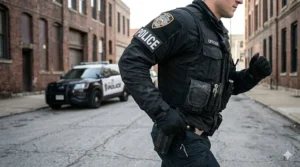
Common Mistakes When Buying Law Enforcement Tactical Jackets (And How to Avoid Them)
Mistake #1: Prioritizing Waterproof Rating Over Breathability
Many officers fixate on jackets claiming 20K waterproof ratings, assuming higher numbers equal better protection. What they miss is breathability—the more waterproof the shell, the less moisture from your body escapes. You end up soaked from internal sweat rather than external rain, which is actually worse because you’ve compromised your insulation.
The Fix: Match waterproof rating to your actual duty environment. If you patrol in areas with occasional rain showers, 10K waterproof with 10K breathability performs better than 20K waterproof with 5K breathability. The only exception is if you’re genuinely standing in rain for hours (think traffic control during severe weather), where maximum waterproofing justifies sacrificing breathability.
Mistake #2: Ignoring Body Armor Compatibility During Fitting
Officers try on jackets over their uniform shirt, determine the fit feels good, and place their order. Then they wear it over their ballistic vest on shift and discover it binds across the chest, rides up in back, or restricts arm movement when reaching across their body.
The Fix: When trying jackets—whether in-person or ordering online—always test fit over your actual duty vest if possible. If buying online, measure your vest-wearing chest circumference and compare against manufacturer sizing charts, not just your normal chest measurement. Body armor adds 2-4 inches to your torso, and jackets not designed for vest wear simply won’t accommodate this.
Mistake #3: Choosing Jackets Based on Initial Comfort Rather Than 12-Hour Durability
A jacket that feels perfect during a 5-minute try-on might become uncomfortable after six hours of wear. Common issues include: collars that chafe after prolonged wear, sleeve cuffs that ride up exposing your wrists, and waistbands that either gap (letting cold air in) or bind (restricting movement).
The Fix: Read customer reviews specifically from verified law enforcement buyers working full shifts. Look for mentions of comfort after extended wear, not just initial impressions. Pay attention to features like elastic cuffs, adjustable waistbands, and collar designs—these details matter more during hour 10 than hour 1.
Mistake #4: Overlooking Side Zipper Placement for Sidearm Access
Some jackets advertise “side zippers for duty belt access” but position them at mid-ribcage rather than hip level where your sidearm actually sits. This forces you to either unzip the entire front or contort your arm upward to reach your weapon—neither acceptable during critical incidents.
The Fix: Check product photos and descriptions for actual zipper placement specifications. “Side seam zippers” should extend from armpit to waist, not stop at ribcage level. The 5.11 jackets specifically engineer this feature correctly, which is why their products command premium pricing.
Mistake #5: Believing “Water-Resistant” Equals “Waterproof”
Marketing language uses these terms strategically to make less capable jackets sound better. Water-resistant means the fabric sheds light rain temporarily—sustained exposure will eventually penetrate. Waterproof means the fabric includes a barrier membrane preventing water penetration regardless of duration.
The Fix: Look for specific construction details: taped seams, waterproof membrane layers, and actual waterproof ratings (measured in mm). DWR (Durable Water Repellent) treatment is only water-resistant, not waterproof—it washes off over time and needs reapplication. True waterproof construction uses physical barrier layers independent of surface treatments.
Law Enforcement Tactical Jacket Features That Actually Matter (And Those That Don’t)
The tactical jacket market floods officers with feature claims designed to justify premium pricing. Some features deliver genuine operational value; others are marketing flourishes that sound impressive but provide minimal real-world benefit. Here’s how to separate signal from noise.
Features Worth Paying For:
Bloodborne Pathogen (BBP) Resistance: This isn’t paranoia—it’s practical risk management. Law enforcement involves frequent exposure to bodily fluids during medical assists, traffic accidents, and physical confrontations. BBP-resistant fabric prevents fluid penetration through to your uniform underneath, reducing infection transmission risk. According to the National Institute of Justice, barrier protection during fluid exposure significantly reduces contamination risk. Worth the $30-$50 price premium on jackets that include it.
Genuine Modular Systems (Removable Liners/Shells): Modularity only matters if each component functions independently. The 5.11 4-in-1 system works because the fleece liner includes its own pockets and can genuinely replace a standalone jacket. Cheap modularity means a liner so thin it’s useless alone, forcing you to wear the full system or nothing. Test this by checking liner thickness specifications and customer reviews mentioning independent liner use.
YKK Zippers: This sounds like insignificant hardware, but zipper failure mid-shift renders your jacket useless. YKK zippers are industry-standard for reliability—they’re self-healing when fabric catches in the teeth, and the pull tabs don’t snap off during regular use. Jackets using no-name zipper hardware might save $20 initially but cost you $150 in replacement jacket expenses when zippers fail after six months.
Properly Positioned Side-Seam Zippers: These must extend from armpit to hip level for genuine duty belt access. Partial zippers stopping at ribcage are useless—you still can’t reach your sidearm without unzipping the front. This feature is make-or-break for officers who actually use their side zippers daily versus those who just want the capability available.
Features You’re Probably Overpaying For:
Excessive Pocket Count: Jackets advertising “12 pockets!” sound appealing until you realize you’ll use maybe four regularly. Extra pockets add weight, bulk, and sewing complexity that increases manufacturing cost without proportional utility gain. Most officers need: two chest pockets, two hand-warmer pockets, and maybe one sleeve pocket. Beyond that, you’re paying for pockets you’ll never use.
Specialty Fabric Names: Marketing departments invent proprietary fabric names to make materials sound advanced. “TacticalWeave™ XTR” is usually just standard ripstop nylon with a fancy name. Check actual fabric composition percentages—polyester, nylon, spandex ratios—rather than brand names. Two jackets with identical fabric compositions perform identically regardless of what marketing calls them.
Camouflage Patterns for Standard Patrol: Unless you’re working specialized tactical units, camouflage patrol jackets serve no operational purpose and often violate department uniform standards. According to Wikipedia’s comprehensive guide on police uniforms in the United States, solid black, navy, or OD green provides the professional appearance required for public-facing law enforcement. Multicam and similar patterns belong on tactical-specific assignments, not general patrol.
“Tactical” Badge Tab Placement: Some jackets position badge tabs based on aesthetic symmetry rather than functional use. Badge tabs should align with where your department actually places badges—typically centered on left chest over the heart. Tabs positioned too high, too low, or on both sides create awkward appearance when you’re only using one location.
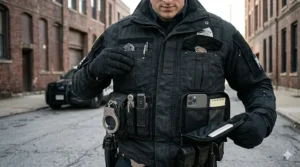
Understanding Jacket Sizing for Law Enforcement Duty Wear
Standard civilian jacket sizing doesn’t account for the unique requirements of law enforcement duty wear. You’re not just covering your torso—you’re accommodating body armor, duty belt access, radio shoulder mics, and a full range of motion for defensive tactics. Here’s how to size correctly:
The Body Armor Factor
Soft body armor (NIJ Level IIIA typical for patrol) adds approximately 1.5-2 inches to your chest circumference. External carriers or plate carrier vests add 2-3 inches. If you typically wear a size Large shirt (42-44″ chest), you need at least an XL jacket to accommodate your vest without binding.
Sizing Test: Put on your duty vest and have someone measure your chest at its widest point (usually nipple line). Add 4-5 inches for ease of movement. Compare this number to manufacturer size charts, which usually list chest measurements. If you’re between sizes, always size up—a slightly loose jacket is manageable, but a binding jacket is unwearable.
Sleeve Length Considerations
Standard sleeve measurements are taken with arms at your sides. Law enforcement requires reaching across your body (for cuffs, sidearm, radio), overhead (scaling fences, opening vehicle hoods), and extended forward (traffic control, defensive posturing). Standard sleeves that fit while standing become short during dynamic movement.
The Fix: Check if manufacturers offer “regular” versus “long” sleeve options. Even if you typically wear regular length, consider long sleeves for tactical jackets. The extra half-inch prevents wrist exposure during arm extension, and elastic cuffs prevent excess fabric from bunching.
Torso Length and Duty Belt Clearance
Patrol jackets should end at or slightly below your duty belt line—typically mid-hip. Jackets ending at waist level ride up constantly, exposing your duty belt and looking unprofessional. Jackets extending below mid-hip interfere with sitting in patrol vehicles and accessing belt-mounted equipment.
Measurement Technique: Measure from the base of your collar (back of neck) down to where you want the jacket to end (usually just covering your duty belt). Most manufacturers list “center back length” in their size charts. This measurement matters more than chest size for determining proper torso coverage.
Manufacturer Sizing Inconsistencies
5.11 Tactical sizes run slightly larger than standard U.S. sizing—what they call Large often fits like other brands’ X-Large. LA Police Gear and Propper generally follow standard U.S. sizing. TRU-SPEC and Condor tend to run slightly smaller, especially in shoulder width. Always cross-reference manufacturer-specific size charts rather than assuming your standard size translates across brands.
Caring for Your Law Enforcement Tactical Jacket: Maintenance That Extends Service Life
A $200 tactical jacket should provide 3-5 years of regular duty use with proper maintenance. Most officers get 12-18 months before replacement because they skip basic care procedures. These maintenance practices extend jacket lifespan and maintain performance:
Washing Protocol That Preserves Technical Features
Wrong Way: Throwing your tactical jacket in with your regular laundry using standard detergent, hot water, and machine drying.
Right Way: Wash separately in cold water with technical fabric detergent (Nikwax, Granger’s, or similar), then line dry or tumble dry low heat.
Traditional laundry detergents contain chemicals that break down DWR treatments and waterproof membrane coatings. Each wash with regular detergent reduces weather protection even if the fabric looks fine. Technical fabric detergents are pH-balanced to clean without damaging protective treatments—they cost $12-15 per bottle but last dozens of washes.
Hot water accelerates membrane breakdown in waterproof shells. Cold water cleans effectively while preserving coating integrity. Line drying prevents heat damage to technical fabrics; if you must use a dryer, use low heat only.
DWR Treatment Reapplication
Water-repellent treatments gradually wear off through use and washing, usually losing effectiveness after 6-12 months of regular patrol. When you notice water soaking into fabric rather than beading off, it’s time to reapply DWR treatment.
Process: Clean jacket thoroughly first (dirt interferes with DWR bonding). Apply spray-on DWR treatment (Nikwax TX.Direct, Scotchgard Heavy Duty Water Shield, or manufacturer-recommended product) following label instructions. Let air dry completely—24 hours minimum—before wearing. Reapplication takes 15 minutes and restores weather protection at $12-15 cost versus $150+ jacket replacement.
Zipper Maintenance
YKK zippers are reliable but not invincible. Dirt and debris in zipper teeth cause sticking and eventual tooth separation. Monthly maintenance takes 30 seconds: brush teeth clean with an old toothbrush, apply zipper lubricant (specialized products exist, or candle wax works), zip/unzip several times to distribute lubricant.
If zippers start catching regularly, they’re developing problems that will worsen without intervention. Address immediately rather than forcing them, which causes permanent tooth damage.
Storage Practices That Prevent Damage
Avoid: Storing jackets compressed in gym bags or duty bags for extended periods. Compression damages insulation loft and creases waterproof membranes.
Better: Hang jackets on proper hangers (not wire hangers that create shoulder dimples) in cool, dry areas. If locker space is limited, fold loosely rather than cramming into bags.
Prolonged exposure to high heat (like patrol vehicle trunks during summer) degrades technical fabrics. Store jackets inside your vehicle if possible, not in the trunk where temperatures exceed 140°F.
❓ Frequently Asked Questions
❓ How often should I replace my law enforcement tactical jacket?
❓ Can I wear my duty jacket over body armor in summer?
❓ What does bloodborne pathogen resistance actually protect against?
❓ Are expensive tactical jackets worth the premium over budget options?
❓ How do I know if a jacket fits properly over my body armor?
Conclusion: Making Your Law Enforcement Tactical Jacket Choice
The right law enforcement tactical jacket isn’t about maximum features or premium brands—it’s about honest alignment between your duty environment and jacket capabilities. Southern officers don’t need 10K waterproof ratings; northern officers shouldn’t settle for water-resistant DWR treatments. Solo patrol requires different features than two-officer units. Night shift demands differ from day shift needs.
The seven jackets reviewed here represent legitimate quality across price ranges from $70 to $250. Your optimal choice depends on factors only you can assess: your climate’s actual weather patterns, your shift rotation schedule, your department’s uniform standards, and your personal comfort priorities. Budget-conscious departments get outstanding value from the LA Police Gear 5-in-1 Heavy Duty Jacket or Rothco Reversible Hi-Vis options. Officers prioritizing maximum versatility benefit from 5.11’s modular systems despite premium pricing.
What matters more than brand selection is proper sizing, appropriate climate matching, and consistent maintenance. A $120 mid-range jacket sized correctly and maintained properly outperforms a $250 premium jacket purchased in the wrong size or neglected. Test fit over your actual body armor before committing to large orders. Verify side zipper placement matches your sidearm location. Check manufacturer return policies if ordering online—tactical jacket fit differs enough from civilian jackets that sizing errors are common.
Your duty jacket isn’t just weather protection; it’s professional identification, safety equipment, and functional workspace for carrying mission-critical tools. Invest the time to select appropriately, and you’ll appreciate that decision during every shift across multiple years of service.
Recommended for You
- 7 Best Special Forces Jacket Options in 2026
- 7 Best MultiCam Tactical Jackets 2026 – Military Grade Protection
- 7 Best Military Spec Tactical Jackets 2026
Disclaimer: This article contains affiliate links. As an Amazon Associate, I earn from qualifying purchases. If you purchase products through these links, we may earn a small commission at no additional cost to you.
✨ Found this helpful? Share it with your friends! 💬🤗
