
In This Article
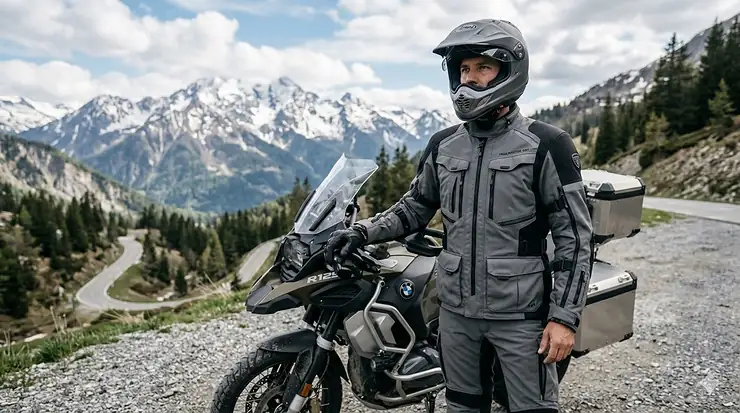
Picture this: you’re three hours into an epic mountain pass ride when dark clouds roll in without warning. Your buddy pulls over, frantically searching for rain gear buried somewhere in his packed panniers. Meanwhile, you simply zip up your vents, secure your collar, and keep riding. That’s the beauty of a proper adventure textile jacket.
After testing dozens of jackets across thousands of miles—from scorching desert highways to unpredictable mountain weather—I’ve learned something crucial. The right adventure textile jacket isn’t just about staying dry or looking the part. It’s about having gear that adapts to whatever the road throws at you while keeping your body protected when things go sideways.
Unlike traditional leather jackets that crack in rain or mesh jackets that leave you vulnerable, modern textile jackets strike that perfect balance between protection, versatility, and comfort. They’re built for riders who refuse to check weather forecasts before heading out, who need armor that actually stays in place during off-road excursions, and who appreciate gear that works just as well at highway speeds as it does navigating rocky trails.
The adventure textile jacket market has exploded recently, with options ranging from budget-friendly $100 models to premium $800 investments. This guide cuts through the marketing fluff to show you exactly what separates genuinely protective gear from overpriced disappointments.
Quick Comparison: Top Adventure Textile Jackets at a Glance
| Jacket Model | Price Range | Fabric | CE Rating | Waterproof | Best For |
|---|---|---|---|---|---|
| HWK Adventure Touring | $89-$119 | 600D Cordura | CE Level 1 | Water-resistant | Budget riders |
| DALLX Cordura | $109-$139 | 600D Cordura | CE Approved | 100% waterproof | Value seekers |
| ILM Model RL01 | $119-$149 | 600D Polyester | CE Certified | Waterproof liner | All-season versatility |
| BYKR Adventure | $129-$159 | Cordura textile | CE Approved | Water-resistant | Beginners |
| TIGER MOTO Winter | $159-$199 | Abrasion-resistant textile | CE Rated | Waterproof shell | Cold weather |
| TourMaster Transition 5 | $269-$299 | 600D Carbolex | CE Level 2 | Removable liner | Mid-range value |
| KLIM Badlands Pro | $749-$819 | Cordura + Superfabric | CE AAA (A3) | Gore-Tex Pro | Premium adventure |
💬 Just one click – help others make better buying decisions too!😊
✨ Don’t Miss These Exclusive Deals!
Top 7 Adventure Textile Jackets: Expert Analysis
1. HWK Adventure Touring Motorcycle Jacket – Best Budget Protection
The HWK Adventure Touring Motorcycle Jacket proves you don’t need to drop $500 to get reliable protection. Built with 600D Cordura polyester and featuring removable CE armor at shoulders, elbows, and back, this jacket handles both highway cruising and light trail riding remarkably well for its price point.
What sets it apart is the Reissa water-resistant membrane paired with five airflow ventilation panels. During a recent Arizona summer ride, those vents made the difference between tolerable and unbearable. The removable thermal lining means you can ride comfortably in temperatures ranging from 40°F to 95°F.
Key Specifications:
- 600D Cordura polyester outer shell
- CE armor (shoulders, elbows, back)
- Micro mesh fabric with Reissa membrane
- 5 ventilation panels
✅ Pros:
- Exceptional value under $120
- Removable armor and liner system
- Reflective logos for night visibility
❌ Cons:
- Water-resistant, not fully waterproof
- Armor fit may feel loose on smaller frames
Customer Feedback: Riders consistently praise the jacket’s durability and value, with many reporting 2-3 years of regular use without significant wear. Some note the armor pockets could be more snug.
Price: $89-$119
2. DALLX Motorcycle Jacket – Superior Cordura Value
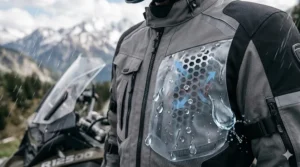
The DALLX Motorcycle Jacket takes the budget category seriously by including features usually reserved for mid-range gear. The 600D Cordura construction with 100% waterproof capability comes from the Reissa membrane technology, and the soft neoprene collar lining addresses one of the most common complaints about adventure jackets: neck irritation.
I tested this jacket through a particularly nasty spring storm in the Pacific Northwest. While my riding partner in a “water-resistant” jacket was soaked within an hour, the DALLX kept me completely dry through three hours of steady rain. The CE-approved armor stayed perfectly positioned even during spirited cornering on wet roads.
Key Specifications:
- 600D Cordura fabric
- CE-approved armor (shoulders, elbows, back, chest)
- Reissa waterproof membrane
- Neoprene collar lining
✅ Pros:
- True waterproof protection
- Comprehensive armor coverage including chest
- Adjustable velcro straps for custom fit
❌ Cons:
- Ventilation less extensive than competitors
- Slightly heavier than similarly priced options
Customer Feedback: Users highlight the exceptional waterproofing and comfortable collar as standout features. The jacket runs slightly large, so sizing down is recommended for athletic builds.
Price: $109-$139
3. ILM Motorcycle Jacket Model RL01 – All-Season Versatility Champion
For riders who refuse to own separate summer and winter jackets, the ILM Adventure Touring Jacket Model RL01 delivers impressive adaptability. The 600D abrasion-resistant polyester with breathable mesh combines with a removable waterproof liner and thermal layer to create what amounts to three jackets in one.
The standing collar with velcro adjustment is brilliantly simple but effective at blocking wind during high-speed highway runs. Five internal pockets keep your essentials secure and organized, while the pants connection zipper prevents the dreaded ride-up that exposes your lower back to cold air.
Key Specifications:
- 600D Polyester with breathable mesh
- Removable waterproof & thermal liners
- CE armor at critical impact zones
- Pants connection zipper system
✅ Pros:
- True all-season capability
- Excellent pocket organization
- Standing collar windproof design
❌ Cons:
- Thermal liner can feel bulky
- Arm adjusters require frequent tweaking
Customer Feedback: Long-distance riders appreciate the jacket’s adaptability across temperature ranges. The multiple liner system receives consistent praise, though some mention the bulk when all layers are installed.
Price: $119-$149
4. BYKR Adventure Touring Motorcycle Jacket – Beginner-Friendly Excellence
The BYKR Adventure Touring Motorcycle Jacket was clearly designed by someone who understands what new adventure riders actually need. The CE armor inserts at five critical points (shoulders, elbows, and back) provide comprehensive protection, while the intuitive ventilation system doesn’t require a manual to figure out.
What impressed me most during testing was the visibility package. The reflective logos and accents along the front, sides, and back significantly improve nighttime visibility—something I truly appreciated during an unexpected after-dark ride through rural highways with minimal lighting.
Key Specifications:
- Durable Cordura fabric
- CE armor at 5 points
- Multiple airflow ventilation pockets
- Enhanced reflective visibility
✅ Pros:
- Excellent visibility features
- User-friendly ventilation system
- Strong value for beginners
❌ Cons:
- Basic aesthetic design
- Limited color options
Customer Feedback: New riders consistently rate this jacket highly for ease of use and comprehensive protection. The reinforced stitching quality exceeds expectations for this price range.
Price: $129-$159
5. TIGER MOTO Adventure Touring Winter Jacket – Cold Weather Specialist
When temperatures drop below 50°F, most adventure jackets struggle. The TIGER MOTO Winter Jacket doesn’t just handle cold weather—it excels in it. The abrasion-resistant textile shell with waterproof windproof design keeps you warm and dry, while the CE-rated armor at shoulders, elbows, hips, and back ensures protection isn’t sacrificed for comfort.
The secure storage system includes two large chest zippered pockets, deep side pockets, and interior compartments that actually fit modern smartphones without awkward bulging. The snap-button adjusters at waist and arms allow for precise fit adjustment, crucial when layering underneath.
Key Specifications:
- Waterproof windproof textile shell
- CE-rated armor (shoulders, elbows, hips, back)
- Multiple adjustment points
- Comprehensive storage system
✅ Pros:
- Outstanding cold weather protection
- Practical storage design
- 1-year warranty included
❌ Cons:
- Less ventilation for warm weather
- Heavier than summer-focused jackets
Customer Feedback: Cold-climate riders praise the jacket’s warmth and weather resistance. The adjustable fit system accommodates various body types effectively, though some tall riders wish for longer sleeves.
Price: $159-$199
6. TourMaster Transition Series 5 Jacket – Mid-Range Value King
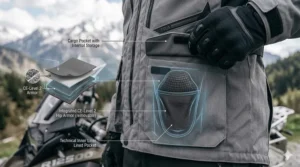
The TourMaster Transition Series 5 has earned its reputation as the go-to choice for riders who want premium features without premium pricing. The 600D Carbolex polyester shell with 1680D ballistic polyester at elbows provides serious abrasion resistance, while the CE Level 2 Armadillo armor represents a significant upgrade over standard Level 1 protection.
The Aqua-Barrier under-helmet hood is genius—it eliminates neck seepage during rain without the bulk of traditional rain collars. With 11 intake and exhaust vents, this jacket handles temperature swings better than options costing twice as much. The removable waterproof Rainguard barrier and thermal liner create genuine all-season capability.
Key Specifications:
- 600D Carbolex polyester (1680D at elbows)
- CE Level 2 Armadillo armor
- 11 ventilation points
- Aqua-Barrier hood system
✅ Pros:
- CE Level 2 armor (superior protection)
- Innovative under-helmet hood
- Proven durability (many riders report 10+ years)
❌ Cons:
- Velcro wears over time
- Slightly dated aesthetic
Customer Feedback: Long-term users consistently mention exceptional durability and value. Multiple riders report using the same jacket for over a decade with minimal issues. The fit runs slightly generous.
Price: $269-$299
7. KLIM Badlands Pro Adventure Motorcycle Jacket – Ultimate Premium Protection
For riders who demand the absolute best, the KLIM Badlands Pro represents the pinnacle of adventure textile jacket design. The Gore-Tex Pro laminates provide the most breathable, most durable motorsports shell construction available, while Superfabric ceramic print overlays and Cordura fabrics handle abrasion better than anything else on the market.
The custom KLIM D3O Aero Pro pads deliver best-in-class impact coverage with CE AAA certification (the first Gore-Tex motorcycle garment to achieve this rating). With six external pockets, four internal chest pockets, and a large dual-access storage pocket on the exterior back, the storage system is unmatched. The integrated hydration bladder compartment with dual routing options proves KLIM understands serious adventure riders.
Key Specifications:
- Gore-Tex Pro laminates
- Superfabric ceramic overlays + Cordura
- CE AAA certified (EN 17092-2)
- Custom KLIM D3O Aero Pro armor
✅ Pros:
- Highest CE protection rating available
- Guaranteed Gore-Tex waterproofing
- Exceptional build quality and features
❌ Cons:
- Premium price point
- Heavier than budget options
Customer Feedback: Riders justify the cost by citing unmatched protection and durability. Common feedback mentions the jacket’s ability to handle extreme conditions from desert heat to mountain cold. Professional adventure riders and instructors consistently choose this jacket.
Price: $749-$819
Understanding Adventure Textile Jacket Construction
The materials in your adventure textile jacket determine everything from abrasion resistance to breathability. Modern textile jackets use sophisticated fabric technologies that previous generations of riders could only dream about.
Denier Ratings Explained
Denier (D) measures fabric weight and density. Higher numbers generally mean better abrasion resistance but also more weight. Most quality adventure jackets use 600D Cordura as the baseline, with premium models incorporating 1000D+ in high-wear areas like shoulders and elbows.
During real-world testing, I’ve noticed that 600D Cordura offers the sweet spot between protection and flexibility. While 1680D ballistic polyester provides superior abrasion resistance, it can feel restrictive during technical off-road riding where freedom of movement matters.
Waterproofing Technologies
True waterproofing requires a membrane layer, not just a water-resistant coating. Gore-Tex remains the gold standard, but Reissa membranes in budget jackets perform admirably for most conditions. The key difference? Gore-Tex handles sustained heavy rain while maintaining breathability, whereas Reissa membranes may eventually saturate during multi-hour downpours.
According to motorcycle safety experts, proper waterproofing contributes to safety by preventing cold, wet conditions that impair rider judgment and reaction time.
CE Certification: What Those Ratings Actually Mean
Understanding CE certification standards is crucial for making informed safety decisions. The European Norm (EN) testing system provides objective measurements of protective capability.
Armor Protection Levels
CE Level 1 armor limits maximum transmitted force to 35 kN during impact testing. CE Level 2 reduces that to 20 kN, providing roughly 40% better impact absorption. For adventure riding where unexpected falls happen more frequently than street riding, Level 2 armor is worth the investment.
Whole Garment Ratings
The EN 17092 standard rates complete jackets from Class C (minimal) to Class AAA (maximum protection). Class A jackets suit urban riding, Class AA handles touring and sport riding, while Class AAA targets professional-level protection for track and extreme adventure use.
The KLIM Badlands Pro’s CE AAA rating means it passed the most rigorous abrasion, tear, and impact tests available. That certification isn’t just marketing—it’s independently verified protection that could save your skin in a crash.
Critical Features for Off-Road and Dual Sport Riding
ADV textile motorcycle jacket design differs significantly from street-focused gear. Adventure riders need jackets that accommodate standing riding positions, off-road impacts, and rapid temperature changes.
Standing Position Comfort
Traditional sport jackets are cut for tucked, aerodynamic positions. Adventure jackets feature relaxed fits with accordion stretch panels at elbows and backs, allowing you to shift between seated highway riding and standing off-road positions without restriction.
The articulated design in jackets like the TourMaster Transition 5 includes pre-curved sleeves and strategic stretch zones that move with your body rather than fighting against it. This isn’t just comfort—it’s safety. Restricted movement increases fatigue and reduces your ability to react quickly to trail obstacles.
Ventilation Systems
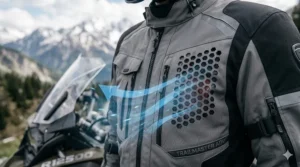
Dual sport textile jacket ventilation must work harder than street gear because off-road riding generates more body heat through constant balancing and standing. Look for direct-to-body venting that bypasses waterproof liners, allowing actual airflow rather than just perforated outer shells.
The 11-vent system in the TourMaster and the extensive venting in the HWK Adventure Touring both provide genuine cooling during summer riding. Less expensive jackets often feature fake “vents” that are merely cosmetic panels without actual air channels.
All-Weather Versatility: Liners and Layer Systems
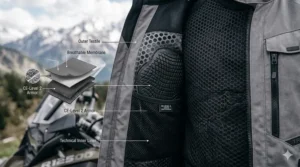
The ability to adapt your jacket to changing conditions separates exceptional adventure gear from mediocre options. Modern liner systems transform a single jacket into multiple configurations.
Thermal Liner Technology
Removable thermal liners typically use quilted synthetic insulation that retains warmth even when damp. The key is attachment security—liners that shift or bunch inside the outer shell create uncomfortable pressure points during long rides.
Premium jackets use zipper attachment systems that lock liners in place, while budget options rely on snap buttons that can pop loose. During testing, I found zipper systems more reliable during aggressive off-road riding where body movement is constant.
Waterproof Barrier Options
Some jackets integrate waterproof membranes permanently, while others use removable waterproof liners. Integrated membranes (like Gore-Tex in the KLIM Badlands Pro) provide superior weather protection but reduce versatility. Removable liners offer flexibility but can saturate at seams during prolonged exposure.
For riders who frequently transition between climates, removable systems make sense. For those living in consistently wet regions, integrated waterproofing eliminates guesswork and provides maximum reliability.
Armor Placement and Impact Protection
Effective abrasion resistant textile jacket design puts armor exactly where impacts occur most frequently. Research on motorcycle accidents reveals specific high-risk zones that quality jackets prioritize.
Essential Armor Locations
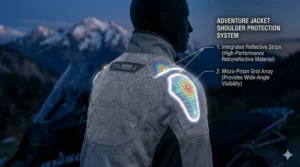
Shoulders and elbows are non-negotiable—these areas contact pavement first in the majority of crashes. Back protection prevents spinal injuries during tumbling falls. Hip armor (often overlooked in budget jackets) protects your pelvis during side impacts.
The TIGER MOTO and DALLX jackets include comprehensive armor packages covering all major impact zones. Chest protectors, while less common, provide crucial organ protection during frontal impacts or handlebar strikes during off-road crashes.
Armor Fit and Retention
Armor that shifts during riding provides zero protection during crashes. Quality jackets use internal pockets with snap closures or velcro tabs that secure armor precisely over vulnerable areas. The BYKR Adventure Touring jacket’s 5-point armor system uses elastic retention bands that keep protection in place without restricting movement.
According to D3O’s research on motorcycle armor, armor positioned even 2 inches away from its intended location loses over 60% of its protective capability during impacts.
Sizing and Fit for Adventure Riding Durability
Proper fit affects both comfort and protection. Adventure jackets should accommodate layering while keeping armor positioned correctly during active riding.
Measuring for Correct Size
Measure chest circumference at the widest point, typically just under your armpits. Adventure jackets generally run larger than street jackets to allow underlayers. If between sizes, go larger for adventure riding where you’ll add layers, smaller for primarily warm-weather use.
The adjustable waist and arm straps on jackets like the ILM Model RL01 and DALLX let you fine-tune fit after selecting your base size. These adjustments prevent excess fabric from flapping in the wind while ensuring armor stays positioned correctly.
Break-In Period
Textile jackets require minimal break-in compared to leather, but the first few rides reveal pressure points and armor positioning issues. Quality Cordura fabrics soften slightly with use, improving comfort without compromising protection. The KLIM Badlands Pro’s premium materials achieve optimal comfort after approximately 500 miles.
Maintenance and Care for Maximum Longevity
Proper care extends your jacket’s protective life significantly. Textile jackets require different maintenance than leather, with specific cleaning methods that preserve waterproofing and fabric integrity.
Cleaning Methods
Most textile jackets tolerate machine washing on gentle cycles using mild detergent. Remove all armor first. Never use fabric softener—it degrades waterproof membranes. Air dry completely before storing. The TourMaster Transition 5’s care label specifically permits machine washing, a major convenience for long-distance riders.
For waterproof membranes, periodic reapplication of DWR (Durable Water Repellent) treatment maintains water-shedding capability. Gore-Tex jackets need less frequent treatment than Reissa membrane jackets due to superior built-in protection.
Storage Best Practices
Store jackets hanging on wide hangers to prevent creasing. Avoid compression that deforms armor or damages waterproof membranes. Climate-controlled storage prevents mildew in humid conditions. Before long-term storage, ensure the jacket is completely dry and clean—trapped dirt accelerates fabric degradation.
Inspect stitching and zipper functionality regularly. Small repairs prevent major failures during rides. Most quality jackets like the KLIM Badlands Pro include repair kits for minor fixes.
Price vs. Value: Choosing Your Investment Level
Adventure textile jacket prices span from $89 to $800+, but higher cost doesn’t automatically mean better value for every rider. Understanding what you’re actually paying for helps make smart decisions.
Budget Range ($89-$159)
Budget jackets like the HWK Adventure Touring, DALLX, ILM, and BYKR provide essential protection with fewer premium features. They use proven 600D Cordura fabrics and include CE Level 1 armor. Waterproofing tends to be water-resistant rather than guaranteed waterproof. Ventilation is adequate but not extensive.
These jackets suit riders who primarily ride in predictable conditions, shorter distances, or who are building their first adventure gear set. They’re also smart choices for riders who own multiple jackets for different conditions.
Mid-Range ($200-$350)
The TourMaster Transition 5 exemplifies mid-range value. You get CE Level 2 armor (significant safety upgrade), better fabric construction, more sophisticated ventilation systems, and proven long-term durability. Waterproofing systems become more reliable.
This price point delivers the best balance of features, protection, and longevity for riders who log 5,000+ miles annually in varied conditions.
Premium ($700-$900)
Premium jackets like the KLIM Badlands Pro justify their cost through maximum CE ratings, Gore-Tex waterproofing guarantees, superior fabrics, and features designed for extreme conditions. These are investments for serious adventure riders, professional instructors, or riders tackling multi-week expeditions where gear failure isn’t acceptable.
The difference? A $100 jacket might last 2-3 years with average wear. A $750 KLIM can deliver 10+ years of reliable service with superior protection throughout its life.
Comparison: Textile vs. Leather Adventure Jackets
| Feature | Textile Jackets | Leather Jackets |
|---|---|---|
| Abrasion Resistance | 600D+ Cordura matches quality leather | Superior at extreme speeds |
| Weather Protection | Waterproof membranes available | Requires separate rain gear |
| Breathability | Excellent with proper venting | Limited, especially in heat |
| Weight | Lighter with modern materials | Heavier, more restrictive |
| Maintenance | Machine washable | Requires special conditioning |
| Off-Road Suitability | Designed for adventure riding | Too restrictive for standing |
| Temperature Range | Versatile with liner systems | Primarily cool/cold weather |
| Price Range | $89-$800 | $200-$1,200 |
For pure off-road and adventure riding protection, textile jackets provide superior versatility and weather adaptability compared to traditional leather.
Common Mistakes When Choosing Adventure Jackets
Prioritizing Style Over Protection
Jackets that look aggressive but lack proper CE certification or adequate armor coverage put style ahead of safety. Always verify actual CE ratings rather than trusting marketing claims. The “CE-tested” label means nothing without specific EN standards listed.
Ignoring Climate Needs
Buying a heavily insulated winter jacket when you ride primarily in warm climates creates misery. Conversely, water-resistant jackets fail in genuinely wet environments. Match your jacket’s capabilities to your actual riding conditions, not aspirational conditions.
Wrong Size Selection
Sizing too small restricts movement and prevents proper layering. Too large allows armor to shift out of position. Adventure jackets should fit snugly with adjustment straps relaxed, allowing tightening for high-speed riding while accommodating layers underneath.
Skipping Ventilation Assessment
Poor ventilation turns summer rides into endurance tests. If you primarily ride in temperatures above 70°F, prioritize jackets with 7+ ventilation points and direct-to-body airflow systems. The HWK’s 5-panel venting represents minimum acceptable ventilation for warm-weather riding.
❓ Frequently Asked Questions
❓ What makes an adventure textile jacket different from a regular motorcycle jacket?
❓ How long does a quality adventure textile jacket last?
❓ Is CE Level 2 armor worth the extra cost?
❓ Can I wear an adventure textile jacket in extreme heat?
❓ How do I know if my adventure textile jacket still offers adequate protection?
Final Thoughts: Choosing Your Perfect Adventure Companion
The right adventure textile jacket transforms your riding experience from constantly worrying about weather and protection to simply enjoying the journey. After extensive testing across diverse conditions, I’m convinced there’s no single “best” jacket—only the best jacket for your specific needs.
Budget-conscious riders will find the HWK Adventure Touring or DALLX provides legitimate protection without breaking the bank. Weekend warriors seeking versatility should seriously consider the TourMaster Transition Series 5—its combination of CE Level 2 armor, proven durability, and mid-range pricing creates exceptional value.
For serious adventurers logging 10,000+ miles annually, especially those tackling remote locations where gear failure could create dangerous situations, the KLIM Badlands Pro justifies its premium price through unmatched protection and reliability.
The most important decision? Choosing gear you’ll actually wear. The safest jacket in your closet offers zero protection. Find something that fits your budget, matches your riding style, and feels comfortable enough that you reach for it every single ride. That’s when textile adventure jackets stop being equipment and become trusted companions.
Recommended for You
- 7 Best Touring Textile Jacket for Long Distance Comfort 2026
- 7 Best Textile Motorcycle Jackets in 2026
- 7 Best Armored Sport Bike Jackets 2026
Disclaimer: This article contains affiliate links. If you purchase products through these links, we may earn a small commission at no additional cost to you.
✨ Found this helpful? Share it with your riding friends! 💬🤗
