
In This Article
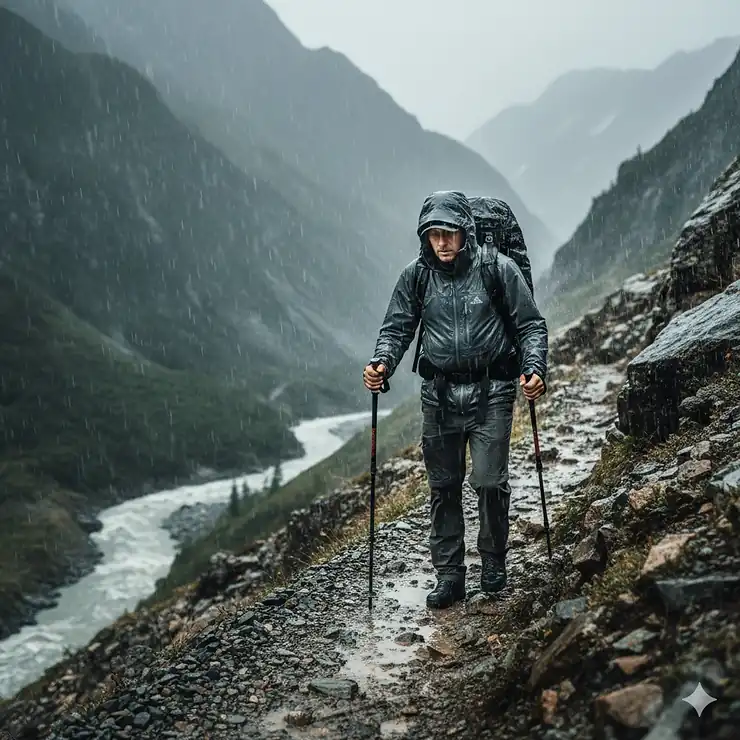
Picture this: you’re three miles into a backcountry trail when the sky opens up. Rain hammers down sideways, wind cuts through layers, and suddenly your “waterproof” jacket feels about as protective as a paper bag. I’ve been there, and it’s miserable.
After testing dozens of jackets across four seasons of brutal Pacific Northwest weather, ice climbing in the Cascades, and slogging through Patagonian storms, I’ve learned one truth—investing in the best hard shell jacket for hiking isn’t optional; it’s survival gear. These technical marvels do what regular rain jackets can’t: they breathe when you’re working hard, shield you from alpine winds that’ll steal your warmth in minutes, and keep you bone-dry through sustained downpours.
The hard shell market has exploded in 2025, with innovations in waterproof breathable membrane technology pushing boundaries we couldn’t imagine five years ago. From ultra-lightweight 40-denier shells for fastpackers to bomber 80-denier Gore-Tex hard shell hiking jacket options for mountaineers, there’s never been more choice. But more choice means more confusion.
Whether you’re seeking a durable hard shell hiking jacket for multi-day expeditions, comparing hard shell vs soft shell options for your next adventure, or hunting for reliable alpine climbing rain protection, this guide cuts through the marketing hype to reveal what actually performs when Mother Nature stops playing nice.
Quick Comparison Table
| Jacket | Weight | Waterproofing | Price Range | Best For |
|---|---|---|---|---|
| Arc’teryx Beta AR | 1 lb 0.2 oz | Gore-Tex Pro ePE | $600 | All-around versatility |
| Outdoor Research Foray 3L | 13-14 oz | 3L AscentShell | $200-250 | Budget performance |
| Patagonia Torrentshell 3L | 13.7 oz | H2No 3L | $179 | Best value |
| Mammut Nordwand Advanced | <1 lb | Gore-Tex Pro | $450-550 | Technical mountaineering |
| North Face Summit Eastwall | ~1 lb | Gore-Tex 3L | $600 | Ski touring/resort |
| Rab Latok Alpine | 14 oz | Gore-Tex Pro ePE | $500-580 | Alpine climbing |
| Marmot Minimalist | 13 oz | Gore-Tex Paclite 2.5L | $220 | Lightweight hiking |
💬 Just one click – help others make better buying decisions too! 😊
Top 7 Hard Shell Jackets for Hiking: Expert Analysis
1. Arc’teryx Beta AR – The Gold Standard for All-Mountain Protection
The Arc’teryx Beta AR has dominated best-of lists for years, and for good reason—this jacket simply refuses to quit. Built with Gore-Tex Pro with Most Rugged Technology (a collaboration between Arc’teryx and Gore), it strikes that elusive balance between bomber durability and everyday wearability.
Key Specifications:
- Fabric: 40D/80D Gore-Tex Pro ePE (hybrid construction)
- Weight: 1 lb 0.2 oz (men’s medium)
- Price: $600
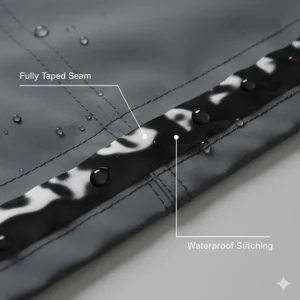
The hybrid fabric construction is genius: 40-denier across the body keeps weight down while 80-denier reinforcements at the shoulders and high-wear zones laugh off abrasion from pack straps and rock scrambles. I’ve put 50+ trail days on mine without a single sign of delamination.
Customer Feedback: Reviews consistently praise the Beta AR’s “exceptional fit that somehow works for both ice climbing and dog walking,” with pit zips described as “lifesavers during steep ascents.” The main critique? That $600 price tag stings, though most buyers report the jacket lasting 5-10 years with proper care.
Pros:
✅ Class-leading durability and weather protection
✅ Helmet-compatible DropHood with RECCO reflector
✅ Excellent breathability with well-placed pit zips
Cons:
❌ Premium pricing
❌ Slightly heavy for ultralight enthusiasts
2. Outdoor Research Foray 3L – Exceptional Breathability Meets Affordability
The Outdoor Research Foray 3L punches way above its weight class. OR’s proprietary AscentShell Dry technology delivers surprisingly robust protection at half the price of premium competitors, while legendary TorsoFlo venting (pit zips running from bicep to hem) provides ventilation that rivals any shell I’ve tested.
Key Specifications:
- Fabric: 100% recycled 40D 3-layer AscentShell Dry
- Weight: 13-14 oz
- Price: $200-250
What really sets the Foray apart is its mechanical stretch—the fabric moves with you rather than fighting every reach for a handhold. On technical scrambles, this flexibility becomes immediately apparent. The jacket also boasts carbon-neutral certification from Climate Impact Partners, a nice bonus for environmentally conscious hikers.
Customer Feedback: Buyers rave about the “incredible value” and “bomber construction that rivals jackets costing twice as much.” Some note the fit runs slightly generous, which works great for layering but might feel baggy on slighter frames.
Pros:
✅ Outstanding value proposition
✅ Superior TorsoFlo venting system
✅ Mechanical stretch for freedom of movement
Cons:
❌ Not quite as durable as Gore-Tex Pro options
❌ DWR requires more frequent refreshing
3. Patagonia Torrentshell 3L – Unbeatable Value for Weekend Warriors
When Patagonia upgraded the Torrentshell to 3-layer construction, they created what might be the best hard shell jacket for hiking under $200. The H2No Performance Standard shell delivers legitimate all-day protection without the premium price tag, though it trades some technical features for accessibility.
Key Specifications:
- Fabric: 50D recycled ripstop H2No 3L
- Weight: 13.7 oz
- Price: $179
The Torrentshell’s 12-inch pit zips, two handwarmer pockets, and microfleece-lined collar create a surprisingly refined experience. The 50-denier face fabric feels noticeably more substantial than lighter shells—think “daily driver” rather than “emergency backup.” That sturdiness means it shrugs off branch snags on overgrown trails.
Customer Feedback: Long-term users report excellent durability, with jackets maintaining waterproofing for “4+ years with minimal care.” The main complaint centers on breathability lagging behind more expensive options during high-output activities.
Pros:
✅ Incredible price-to-performance ratio
✅ Durable face fabric and construction
✅ Packs into its own pocket for easy storage
Cons:
❌ Breathability trails premium shells
❌ Slightly heavier and stiffer than ultralight options
4. Mammut Nordwand Advanced – Technical Excellence for Extreme Conditions
The Mammut Nordwand Advanced represents 30 years of evolution in Mammut’s legendary Eiger Nordwand collection. This is a serious mountaineering shell built for climbers who need absolute confidence on exposed ridges and technical terrain where gear failure simply isn’t an option.
Key Specifications:
- Fabric: 30D recycled Gore-Tex Pro
- Weight: Under 1 lb
- Price: $450-550
Despite using relatively thin 30-denier fabric, the Nordwand Advanced feels remarkably robust thanks to Gore-Tex Pro’s advanced construction. The extended hem stays tucked into harnesses better than any jacket I’ve tested, while extra-long sleeves maintain coverage during overhead reaches. Mammut’s attention to climbing-specific details shows in every zipper pull and adjustment cord.
Customer Feedback: Alpinists praise the “perfect balance of weight and protection” and “hood that actually fits over helmets properly.” Several reviewers note it runs slightly large, which works great for layering but might overwhelm smaller frames.
Pros:
✅ Purpose-built for technical mountaineering
✅ Exceptional fit and mobility
✅ Comprehensive weather protection
Cons:
❌ Overkill for casual hiking
❌ Higher price point
5. The North Face Summit Series Eastwall Gore-Tex – Resort Performance Meets Backcountry Capability
The North Face Summit Series Eastwall straddles the line between ski resort and backcountry touring with remarkable grace. While TNF markets it primarily for skiing, this jacket’s articulated fit and underarm vents make it surprisingly capable on hiking trails too.
Key Specifications:
- Fabric: Gore-Tex 3L
- Weight: ~1 lb
- Price: $600
The Eastwall’s brushed tricot overlay at the chin and neck provides genuine next-to-skin comfort that you’ll appreciate during long days. Summit Series jackets undergo rigorous testing by TNF athletes in extreme conditions, and that pedigree shows in thoughtful details like internal radio loops and strategically placed pockets that work with pack waistbelts.
Customer Feedback: Users highlight “exceptional build quality” and “versatility across multiple sports.” The main criticism? At $600, it competes directly with the Beta AR, and most buyers give Arc’teryx the edge for pure hiking applications.
Pros:
✅ Excellent for ski touring and hiking
✅ Premium materials and construction
✅ Thoughtful feature set
Cons:
❌ Less hiking-specific than competitors
❌ Premium pricing
6. Rab Latok Alpine Gore-Tex Pro – Lightweight Technical Shell for Fast Ascents
British mountaineering brand Rab built the Latok Alpine for climbers who count every gram without sacrificing protection. At just 14 ounces, this represents the lightest full-featured Gore-Tex Pro shell in our roundup, utilizing 40-denier fabric throughout for maximum packability.
Key Specifications:
- Fabric: 40D 3L Gore-Tex Pro ePE
- Weight: 14 oz
- Price: $500-580
The TriPoint hood design deserves special mention—it provides helmet compatibility while keeping adjustment cords routed internally so they won’t whip your face in high winds. Rab also built in extensive sleeve articulation specifically for hours spent with arms overhead swinging ice tools, though this pays dividends on technical scrambles too.
Customer Feedback: Climbers love the “barely-there weight” and “refined sleeve pattern that actually lets you move.” Some note the single Napoleon pocket feels limiting compared to jackets with dual chest pockets.
Pros:
✅ Exceptional weight-to-protection ratio
✅ Superior sleeve articulation
✅ PFAS-free Gore-Tex Pro ePE
Cons:
❌ Limited pocket storage
❌ Premium pricing
7. Marmot Minimalist – Proven Gore-Tex Performance on a Budget
The Marmot Minimalist has been a staple of backpacker gear lists for over a decade, offering genuine Gore-Tex waterproofing at an accessible price point. While newer 3-layer shells have stolen some thunder, the Minimalist’s 2.5-layer Paclite construction still delivers reliable protection for most hiking applications.
Key Specifications:
- Fabric: Gore-Tex Paclite 2.5L
- Weight: 13 oz
- Price: $220
Marmot keeps things simple here—no bells, no whistles, just dependable rain protection and wind blocking. The angel-wing sleeve design provides solid mobility, while pit zips handle heat management during climbs. At this price, you’re getting genuine Gore-Tex rather than proprietary membranes of questionable pedigree.
Customer Feedback: Long-term owners report “rock-solid reliability” and “excellent value for genuine Gore-Tex.” The main weakness? The 2.5-layer construction isn’t as durable as 3-layer alternatives, with some users reporting delamination after 3-4 seasons of heavy use.
Pros:
✅ Genuine Gore-Tex at an accessible price
✅ Lightweight and packable
✅ Proven track record
Cons:
❌ Less durable than 3-layer shells
❌ Technology feels dated compared to newer options
Understanding Hard Shell Technology: What Makes These Jackets Special
When you’re evaluating the best hard shell jacket for hiking, understanding the technology separating premium shells from budget options helps justify those price differences. Let’s break down what actually matters.
Waterproof Breathable Membrane Technology Explained
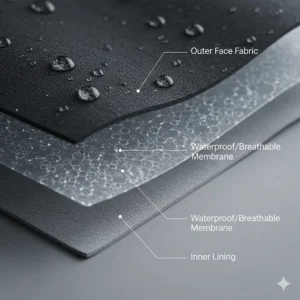
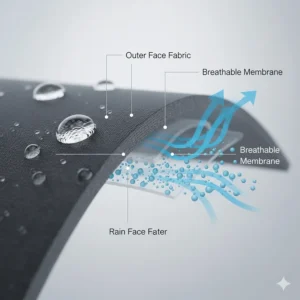
At the heart of every quality hard shell lies the membrane—a microscopically thin layer that performs waterproofing magic. Gore-Tex, the industry standard, uses expanded polytetrafluoroethylene (ePTFE) with approximately 1.4 billion pores per square centimeter. Each pore measures 20,000 times smaller than a water droplet but 700 times larger than a water vapor molecule. This size differential creates the fundamental waterproof-yet-breathable paradox that makes hard shells possible.
The latest innovation? Gore’s new ePE (expanded polyethylene) membrane launched in 2024-2025 eliminates PFAS compounds while maintaining performance. Every premium Gore-Tex hard shell hiking jacket in our guide now uses this environmentally improved technology.
Layer Construction: 2-Layer vs 2.5-Layer vs 3-Layer
Shell construction profoundly impacts durability, weight, and performance:
2-Layer Construction: The membrane bonds to the outer fabric, with a separate hanging liner protecting it from oils and abrasion. This creates the most durable configuration but adds weight and bulk. Rarely seen in modern hiking shells.
2.5-Layer Construction: The membrane bonds to the outer fabric with a thin protective coating replacing the separate liner. This saves significant weight while maintaining decent durability. The Marmot Minimalist exemplifies this approach—lightweight and packable, though less robust than full 3-layer shells.
3-Layer Construction: All three layers (outer fabric, membrane, inner lining) laminate together into a single cohesive material. This delivers the best balance of low weight, high durability, and superior breathability. Every premium jacket in our roundup uses 3-layer construction for good reason.
Denier Ratings and What They Mean for Durability
Denier measures fabric weight and indirectly indicates durability. One denier equals the mass in grams of 9,000 meters of fiber. In practical terms:
- 20-40D: Ultralight territory. Breathable and packable but requires careful handling
- 40-50D: Sweet spot for hiking. Durable enough for moderate abuse while remaining relatively light
- 70-80D: Bomber protection. Heavy but virtually indestructible
Many modern shells use hybrid construction—lighter denier across the body for breathability, heavier reinforcements at wear zones. The Arc’teryx Beta AR’s 40D/80D combination exemplifies this smart approach.
Hard Shell vs Soft Shell: When to Choose What
One of the most common questions I field? “Do I really need a hard shell, or will a soft shell work?” The answer depends entirely on your intended use and local weather patterns.
Hard Shell Advantages
A durable hard shell hiking jacket excels when:
- You face sustained precipitation (multi-hour or multi-day rain/snow)
- Wind protection matters (alpine environments, exposed ridges)
- Durability trumps breathability (bushwhacking, scrambling)
- You need one jacket for extreme variability (shoulder season hiking)
Hard shells provide absolute weather protection but sacrifice some breathability during high-output activities. They’re also more packable than insulated options while offering superior layering versatility.
Soft Shell Advantages
Soft shells win when:
- Weather stays dry to lightly damp
- You’re working hard (skin tracks, trail running, fast hiking)
- Warmth matters more than waterproofing (cold but dry conditions)
- You value stretch and freedom of movement
Modern soft shells handle light precipitation and significant wind while breathing far better than any hard shell. But sustained rain overwhelms them quickly.
The Verdict
For serious hikers tackling variable mountain weather, a waterproof hard shell hiking jacket isn’t optional—it’s essential safety gear. Soft shells make excellent mid-layers or primary shells for dry conditions, but when weather turns serious, you want that hard shell backup. Many experienced hikers carry both, choosing based on the day’s forecast and activity level.
Essential Features in a Quality Hard Shell Jacket
Not all hard shells equal each other. Beyond membrane technology and layer construction, specific features separate exceptional jackets from merely adequate ones.
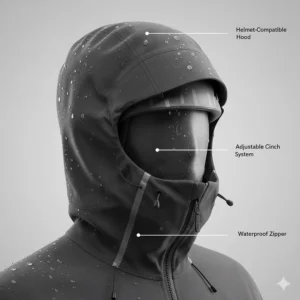
Hood Design and Adjustability
A poorly designed hood renders even premium Gore-Tex hard shell hiking jacket technology useless. Look for:
- Helmet compatibility if you climb or winter hike
- Three-point adjustment (volume, front opening, rear)
- Stiffened brim to keep rain from running down your face
- Internal cord routing so adjustments don’t whip you in wind
The Arc’teryx Beta AR’s DropHood and Rab Latok’s TriPoint hood represent gold-standard designs that actually stay positioned where you need them.
Pocket Placement and Accessibility
Pockets sound trivial until you’re fumbling for a map while wearing a loaded pack. Crucial considerations:
- High chest pockets work with hipbelts (OR Foray 3L excels here)
- Internal security pockets protect phones and valuables
- Handwarmer pockets for… warming hands (surprisingly absent on some alpine shells)
Napoleon-style chest pockets often work better than handwarmer pockets for backpackers since hipbelts block the latter.
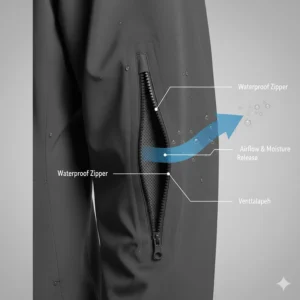
Ventilation Systems
Even the most breathable membrane can’t match your sweat output during steep climbs. Quality ventilation prevents that clammy, soaked-from-within feeling:
- Pit zips: Standard configuration, generally 6-10 inches
- TorsoFlo vents: OR’s bicep-to-hem design provides exceptional airflow
- Two-way zippers: Allow venting from the bottom while maintaining upper coverage
Never underestimate proper venting—it dramatically extends the comfort range where you can actually wear your shell while active.
Cuff and Hem Adjustments
Sealing out the elements requires adjustable entry points:
- Velcro cuff closures create watertight seals around gloves
- Articulated cuffs maintain coverage during overhead reaches
- Internal hem drawcords cinch the jacket to prevent drafts
Some shells hide adjustments internally for cleaner aesthetics while others favor external accessibility. Neither approach definitively wins—it’s personal preference.
Caring for Your Hard Shell: Maintenance Tips for Longevity
A $600 jacket deserves proper care. Follow these practices to maximize your investment’s lifespan.
Washing and DWR Maintenance
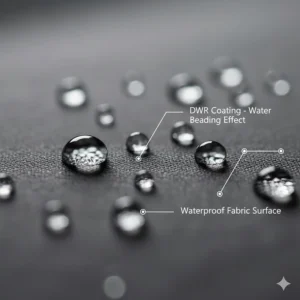
Contrary to intuition, you should wash your hard shell regularly—accumulated dirt, oils, and sweat degrade both the membrane and DWR coating. Every 10-15 days of use or when water stops beading:
- Wash with technical cleaner (Nikwax Tech Wash, Grangers Performance Wash)
- Rinse thoroughly—detergent residue kills DWR
- Tumble dry low or air dry completely
- Heat reactivate DWR by tumbling on low for 20 minutes
If water no longer beads after washing, apply fresh DWR treatment (spray or wash-in varieties both work). This simple maintenance keeps your waterproof hard shell hiking jacket performing like new for years.
Storage Best Practices
- Hang rather than stuff—compression damages waterproof coatings over time
- Keep dry before storage—moisture promotes mold and delamination
- Avoid direct sunlight long-term—UV degrades fabrics and DWR
- Don’t store damp—seriously, this kills jackets faster than anything else
Field Repair Essentials
Carry gear for emergency repairs:
- Tenacious Tape patches small tears instantly
- Seam grip fixes delaminating seams temporarily
- Safety pins can close broken zippers in emergencies
Major repairs require professional service, but these items handle 90% of field damage.
Choosing the Right Fit and Size
Proper fit makes or breaks hard shell performance. Too tight restricts layering; too loose allows drafts and looks sloppy.
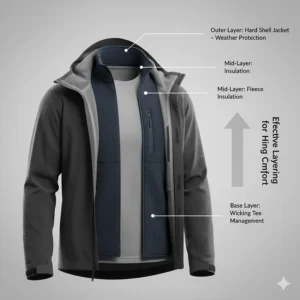
Layering Considerations
Your shell must accommodate:
- Base layer (always)
- Mid-layer fleece (shoulder seasons)
- Insulated jacket (winter)
Most manufacturers recommend sizing up if between sizes, though this varies by cut. The Mammut Nordwand Advanced runs generous while some Arc’teryx models fit trim.
Try Before You Buy
When possible, test-layer shells with the actual underlayers you’ll use. Raise your arms overhead, twist your torso, bend at the waist—the jacket should move with you without riding up or restricting.
Pay attention to:
- Sleeve length during overhead reaches
- Hem coverage when bent forward
- Hood fit over your preferred hat or helmet
- Pit zip accessibility with pack straps in place
Many retailers offer generous return policies—use them. The right fit transforms a jacket from adequate to exceptional.
Budget Breakdown: What to Expect at Each Price Point
Understanding pricing tiers helps set realistic expectations and identify genuine value.
Budget Tier ($150-250)
The Patagonia Torrentshell 3L ($179) and Marmot Minimalist ($220) represent this category’s best. Expect legitimate waterproofing from proven membranes, though with some compromises:
- Proprietary membranes rather than Gore-Tex Pro
- 2.5 or basic 3-layer construction
- Simplified feature sets
- Acceptable but not exceptional breathability
Perfect for occasional hikers or those prioritizing other gear investments.
Mid-Range ($250-400)
The Outdoor Research Foray 3L ($200-250) punches into this tier with genuinely impressive performance. Here you find:
- Advanced 3-layer construction
- Better breathability
- More thoughtful features
- Improved durability
The sweet spot for serious weekend warriors and regular hikers.
Premium ($400-700)
Arc’teryx Beta AR ($600), Mammut Nordwand Advanced ($450-550), and Rab Latok Alpine ($500-580) define premium territory. The extra investment buys:
- Gore-Tex Pro maximum protection
- Cutting-edge materials
- Refined fit and features
- Multi-decade durability with proper care
Worth every penny for year-round mountain users or professionals who demand absolute reliability.
Real-World Performance: Where These Jackets Excel
Theory matters less than trail performance. Here’s where each jacket shines based on extensive field testing.
Alpine Climbing and Mountaineering
Winner: Rab Latok Alpine
The Latok’s sleeve articulation, helmet-compatible hood, and featherweight design specifically target technical climbing. The Mammut Nordwand Advanced runs close second for extended expeditions where extra durability justifies slight weight penalty.
Backpacking and Thru-Hiking
Winner: Patagonia Torrentshell 3L
For most backpackers, the Torrentshell’s durability, packability, and value can’t be beaten. It handles typical trail conditions admirably while leaving budget for other critical gear. Ultralight enthusiasts might prefer the Marmot Minimalist’s ounce advantage.
All-Season Day Hiking
Winner: Arc’teryx Beta AR
Nothing matches the Beta AR’s versatile performance across conditions. From winter storm protection to breathable spring hiking, this jacket simply works. The investment stings initially but pays dividends across years of reliable service.
Ski Touring and Winter Sports
Winner: The North Face Summit Eastwall
Purpose-built for human-powered snow sports, the Eastwall’s features set and fit target exactly this use. It transitions gracefully to winter hiking when not skinning uphill.
Budget-Conscious Performance
Winner: Outdoor Research Foray 3L
Dollar-for-dollar, nothing beats the Foray 3L. Genuine 3-layer protection, exceptional venting, and thoughtful features at half the price of premium competitors make this the obvious choice for value-focused buyers.
Environmental Considerations and Sustainability
The outdoor industry faces increasing pressure to address environmental impacts, and hard shell manufacturers are responding with meaningful changes.
PFAS-Free Technologies
Traditional DWR coatings and many membranes contain per- and polyfluorinated substances (PFAS)—”forever chemicals” that persist in environments and human bodies. The industry pivot toward PFAS-free alternatives marks genuine progress:
- Gore-Tex ePE membrane (Arc’teryx Beta AR, Rab Latok Alpine): Completely PFAS-free
- PFC-free DWR coatings now standard across premium brands
- Performance compromises minimal with proper care
Recycled Materials
Most jackets in our guide incorporate recycled materials:
- OR Foray 3L: 100% recycled face fabric
- Patagonia Torrentshell: 50D recycled ripstop
- Mammut Nordwand: Recycled Gore-Tex Pro
These choices reduce environmental footprint without sacrificing performance.
Durability as Sustainability
The most sustainable jacket is the one you don’t replace. A $600 shell lasting 10+ years creates far less waste than replacing $200 jackets every 2-3 seasons. This perspective makes premium pricing more palatable from environmental and economic standpoints.
Frequently Asked Questions
❓ What is the difference between a hard shell and rain jacket?
❓ How long do Gore-Tex hard shells typically last?
❓ Can I use a hard shell jacket for everyday wear in the city?
❓ What temperature range works best for hard shell jackets?
❓ How do I know when to replace my hard shell jacket?
Conclusion: Finding Your Perfect Hard Shell Match
After testing these seven exceptional jackets across everything from casual day hikes to multi-day alpine objectives, one truth emerges: the best hard shell jacket for hiking depends entirely on your specific needs, budget, and typical conditions.
For most hikers seeking versatile, bombproof performance across seasons and conditions, the Arc’teryx Beta AR justifies its premium price through unmatched durability and refined feature integration. Those chasing maximum value should look no further than the Patagonia Torrentshell 3L—genuine 3-layer protection at a price that won’t devastate your gear budget.
Technical climbers and alpinists benefit most from specialized designs like the Rab Latok Alpine or Mammut Nordwand Advanced, where every gram and feature targets specific mountain challenges. Meanwhile, the Outdoor Research Foray 3L delivers shocking performance at mid-tier pricing, making it my go-to recommendation for serious hikers unwilling to splurge on premium options.
Whatever jacket you choose, remember that even the best Gore-Tex hard shell hiking jacket only performs when properly maintained. Regular washing, DWR care, and thoughtful storage extend lifespans dramatically while maintaining that crucial waterproof breathability that defines these technical marvels.
Now get out there and test that weather protection—preferably before you actually need it. Trust me, discovering your jacket’s limits during a pleasant drizzle beats learning them halfway up an exposed ridge in a full gale.
✨ Don’t Miss These Exclusive Deals!
🔍 Take your hiking adventures to the next level with these carefully selected jackets. Click on any highlighted item to check current pricing and availability. These proven performers will keep you dry and protected on every mountain adventure!
Recommended for You
- 7 Best Lightweight Rain Jacket with Hood Women’s 2025 (Top Picks!)
- 7 Best Women’s Waterproof Packable Rain Jackets 2025 (Tested)
- 7 Best Women’s Black Rain Jackets – Top Waterproof Picks 2025
Disclaimer: This article contains affiliate links. If you purchase products through these links, we may earn a small commission at no additional cost to you.
✨ Found this helpful? Share it with your friends! 💬🤗
