
In This Article
Picture this: you’re halfway up a snow-covered trail when the temperature plummets and wind whips across the ridge. That lightweight fleece you thought would be enough? It’s doing absolutely nothing. This is where the best insulated hiking jacket winter becomes your cold-weather lifeline.
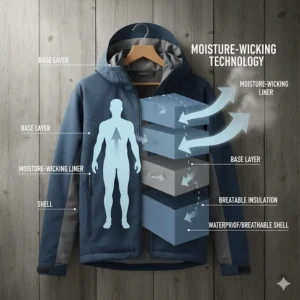
After testing dozens of jackets across mountain ranges from the Cascades to the Rockies, I’ve learned that choosing the right insulated layer isn’t just about staying warm—it’s about safety, comfort, and actually enjoying those breathtaking winter vistas instead of rushing back to your car. Whether you’re tackling a frosty sunrise hike, embarking on multi-day winter backpacking trips, or simply need reliable warmth during rest breaks, the perfect jacket makes all the difference.
The winter hiking jacket market has exploded with innovations in 2026. Modern insulated jackets now offer incredible warmth-to-weight ratios, packability that seemed impossible a decade ago, and weather resistance that keeps you protected when conditions turn nasty. But with options ranging from ultralight down to burly synthetic parkas, how do you choose? This comprehensive guide breaks down everything you need to know about finding your perfect match for cold-weather adventures.
Quick Comparison Table
| Jacket Model | Insulation Type | Fill Power/Weight | Weight | Price Range | Best For |
|---|---|---|---|---|---|
| Patagonia Nano Puff Hoody | Synthetic (PrimaLoft Gold 60g) | N/A | 13 oz | $299-329 | Versatile all-rounder |
| Arc’teryx Atom Hoody | Synthetic (Coreloft 60g) | N/A | 13.05 oz | $300 | Active pursuits |
| Mountain Hardwear Ghost Whisperer | Down (800-fill) | 800FP / 3oz | 8 oz | $380 | Ultralight backpacking |
| Patagonia DAS Light Hoody | Synthetic (PlumaFill 65g) | N/A | 19.6 oz | $349 | Weather resistance |
| Enlightened Equipment Torrid | Synthetic (Climashield Apex) | N/A | 8.2 oz | $185-205 | Budget ultralight |
| Rab Cirrus Flex | Hybrid (PrimaLoft + fleece) | N/A | ~14 oz | $250-280 | Breathable mobility |
| Patagonia Micro Puff Hoody | Synthetic (PlumaFill 65g) | N/A | 10.37 oz | $329 | Packable midlayer |
💬 Just one click – help others make better buying decisions too!😊
Top 7 Best Insulated Hiking Jacket Winter: Expert Analysis
1. Patagonia Nano Puff Hoody – The Reliable Workhorse
The Patagonia Nano Puff Hoody has earned its legendary status for good reason. With 60 grams of 100% recycled PrimaLoft Gold Insulation Eco, this jacket delivers consistent warmth across a wide temperature range, making it the go-to choice for hikers who need versatility above all else.
Key Specifications:
- Insulation: 60g PrimaLoft Gold with P.U.R.E. technology
- Weight: 13 ounces (men’s medium)
- Shell: 100% recycled ripstop nylon with DWR
- Packable into own pocket
The 2026 update brought meaningful improvements: refined brick quilting pattern reduces cold spots, enhanced thread tension boosts abrasion resistance, and the fit through shoulders provides unrestricted movement. Customer feedback consistently praises its durability—many hikers report 5+ years of regular use with minimal loss of loft. The jacket performs admirably in light rain and snow, though it’s not a substitute for a true hardshell in prolonged precipitation.
✅ Pros:
- Exceptional durability and long-term loft retention
- Packable design fits in most backpack pockets
- Performs well when slightly damp
❌ Cons:
- Less breathable than hybrid designs during high-output activities
- Packs larger than ultralight down alternatives
Price Range: $299-329 | Customer Rating: 4.7/5 stars
2. Arc’teryx Atom Hoody – Premium Active Insulation
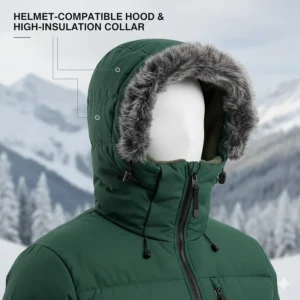
If you’re someone who runs warm during uphill grinds but needs instant warmth at rest stops, the Arc’teryx Atom Hoody is your jacket. This synthetic insulated masterpiece uses 60 grams of Coreloft Compact insulation in the core with stretchy fleece side panels that dump heat like a chimney when you’re working hard.
Key Specifications:
- Insulation: 60g Coreloft Compact (100% recycled)
- Weight: 13.05 ounces
- Construction: Coreloft body with fleece side panels
- Shell: Tyono 20D with DWR
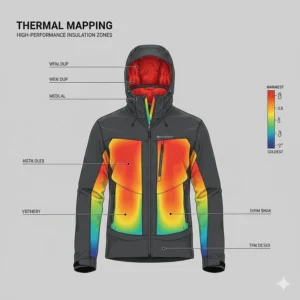
The brilliance of this design lies in its body-mapped construction. Those fleece panels under your arms aren’t just for show—they create ventilation channels that prevent the dreaded puffy-jacket swamp while maintaining core warmth. Reviewers consistently note this jacket’s ability to regulate temperature across varying activity levels, from static belaying to aggressive alpine approaches. The fit is trim without being restrictive, and the StormHood design adjusts effortlessly even with gloved hands.
✅ Pros:
- Exceptional breathability for an insulated jacket
- Luxurious next-to-skin comfort
- Maintains warmth in light precipitation
❌ Cons:
- No stuff sack or packable pocket design
- Premium price point
Price Range: $300 | Customer Rating: 4.8/5 stars
3. Mountain Hardwear Ghost Whisperer Down Hoody – Ultralight Down Champion
When every ounce matters, the Mountain Hardwear Ghost Whisperer Down Hoody delivers maximum warmth with minimum weight. At just 8 ounces with 800-fill-power RDS-certified down, this jacket seems to defy physics—how can something this light keep you this warm?
Key Specifications:
- Fill: 800-fill-power Nikwax Hydrophobic Down
- Weight: 8 ounces (men’s medium)
- Shell: 10D x 10D ripstop (100% recycled nylon)
- Compresses into own pocket
The 10-denier shell fabric is impossibly thin—you can practically see through it—yet surprisingly resilient with careful use. The Nikwax Hydrophobic Down treatment helps the insulation resist moisture absorption, maintaining loft in damp conditions where untreated down would clump. Thru-hikers and fastpackers consistently rank this among their favorite jackets for its packability and warmth-to-weight ratio. The low-profile quilting pattern creates efficient heat-trapping channels without adding bulk.
✅ Pros:
- Industry-leading warmth-to-weight ratio
- Exceptionally packable and compressible
- Responsibly sourced RDS-certified down
❌ Cons:
- Delicate shell requires careful handling
- Down loses effectiveness when truly soaked
- Premium pricing
Price Range: $380 | Customer Rating: 4.6/5 stars
4. Patagonia DAS Light Hoody – Weather-Resistant Alpine Beast
For serious winter conditions where weather protection matters as much as warmth, the Patagonia DAS Light Hoody stands alone. Built with 65 grams of PlumaFill synthetic insulation and a burly Pertex Quantum Pro shell, this jacket handles everything from freezing belays to exposed ridge traverses.
Key Specifications:
- Insulation: 65g PlumaFill (100% recycled)
- Weight: 19.6 ounces
- Shell: Pertex Quantum Pro with DWR and polyurethane coating
- Features: Helmet-compatible hood, two-way zipper
This is where synthetic insulation truly shines. The Pertex Quantum Pro shell offers legitimate weather resistance—it shed light snow and rain during our testing without wetting through. The roomier cut accommodates substantial layering underneath, and the two-way front zipper allows venting or easy access to a harness. The helmet-compatible hood provides excellent coverage without restricting visibility. Deep internal dump pockets swallow gloves, snacks, and other essentials.
✅ Pros:
- Superior weather resistance for a puffy jacket
- Maintains warmth even when damp
- Excellent hood design and fit
❌ Cons:
- Heavier than ultralight alternatives
- Less breathable during high-output activities
- Runs large—consider sizing down for midlayer use
Price Range: $349 | Customer Rating: 4.7/5 stars
5. Enlightened Equipment Torrid – Budget Ultralight Winner
Don’t let the price fool you—the Enlightened Equipment Torrid punches way above its weight class. This cottage brand favorite uses Climashield Apex continuous filament insulation in a minimalist design that thru-hikers absolutely love.
Key Specifications:
- Insulation: Climashield Apex synthetic
- Weight: 8.2 ounces (medium, 7D fabric)
- Construction: No sewn-through seams
- Customizable options available
What makes the Torrid special? The stitchless design eliminates cold spots entirely, while the continuous filament insulation maintains loft through countless compression cycles. One tester wore a single Torrid for an entire 8-month Continental Divide Trail thru-hike, and it retained full loft and warmth throughout. The boxy fit layers easily over fleece, and elastic cuffs seal out drafts. Customization options let you choose fabric weights, colors, and even torso and hood lengths—perfect for dialing in your ideal fit.
✅ Pros:
- Exceptional value for performance
- Highly durable construction holds up to abuse
- Customizable to your exact preferences
❌ Cons:
- Basic feature set (minimal pockets)
- Boxy fit won’t appeal to everyone
- Not helmet-compatible hood
Price Range: $185-205 | Customer Rating: 4.8/5 stars
6. Rab Cirrus Flex – Breathable Hybrid Performer
The Rab Cirrus Flex represents a different philosophy: instead of maximizing warmth, it optimizes the balance between insulation and breathability. PrimaLoft Silver RISE insulation in puffy baffles combines with stretchy fleece side panels for a jacket that moves with you.
Key Specifications:
- Insulation: PrimaLoft Silver RISE baffles
- Weight: ~14 ounces
- Construction: Hybrid with fleece panels
- Shell: Pertex Quantum ripstop
This jacket feels lofty and sleek simultaneously—the baffles provide down-like warmth while fleece panels maintain a close fit and unrestricted movement. Thoughtful details include a soft fleece chin guard that prevents zipper bite, two large internal dump pockets for stuffing layers or gloves, and fleece hood panels that reduce bulk when wearing a helmet. The stretchy construction makes this ideal for technical mountain activities where mobility matters.
✅ Pros:
- Excellent mobility and breathability
- High-quality materials and construction
- Outstanding value pricing
❌ Cons:
- Not the warmest option for static use
- Limited water resistance compared to full synthetic shells
Price Range: $250-280 | Customer Rating: 4.6/5 stars
7. Patagonia Micro Puff Hoodie – Packable Midlayer Marvel
When you need serious warmth in an impossibly small package, the Patagonia Micro Puff Hoodie delivers. At just 10.37 ounces with 65 grams of PlumaFill insulation, this jacket compresses down to softball size yet provides surprising warmth.
Key Specifications:
- Insulation: 65g PlumaFill synthetic
- Weight: 10.37 ounces (men’s medium)
- Shell: 10-denier Pertex Quantum
- Packable design
The trim fit makes this jacket ideal for layering under a hardshell—it slides on without bunching or restricting movement. The lack of a hood version provides even more versatility for those who prefer separate head coverage. The PlumaFill insulation mimics down’s loft while maintaining synthetic’s wet-weather performance. Testers appreciate how this jacket breathes better than the Nano Puff thanks to increased air permeability, making it suitable for moderate-output activities.
✅ Pros:
- Incredibly packable and lightweight
- Excellent as a midlayer under shells
- Better breathability than traditional puffies
❌ Cons:
- Delicate shell fabric vulnerable to abrasion
- Insulation can leak from tears
- Difficult to stuff into its own pocket
Price Range: $329 | Customer Rating: 4.6/5 stars
Down vs Synthetic Insulation: Making the Right Choice
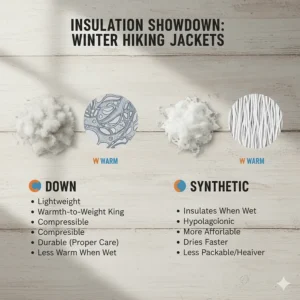
Understanding insulation types is crucial for selecting the best insulated hiking jacket winter conditions demand. Both down and synthetic insulation have evolved dramatically, but they still excel in different scenarios.
Down Insulation: Nature’s Warmth Champion
Down insulation comes from the fluffy plumage beneath duck or goose feathers. These tiny clusters trap air in a three-dimensional structure that creates exceptional warmth with minimal weight. According to REI’s expert guidance, down provides the best warmth-to-weight ratio of any insulation material—nothing synthetic can match it yet.
When Down Excels:
- Cold, dry environments where precipitation is unlikely
- Ultralight backpacking where every ounce counts
- Activities requiring maximum packability
- Situations demanding the warmest jacket for the weight
Down Limitations:
- Loses insulating ability when wet
- Slower to dry than synthetic options
- Generally more expensive
- Requires more careful storage and maintenance
Synthetic Insulation: Wet-Weather Warrior
Synthetic insulation uses polyester fibers arranged to trap air and resist moisture. Modern synthetics like PrimaLoft Gold, Coreloft, and Climashield Apex have dramatically improved, approaching down’s efficiency while maintaining critical advantages in wet conditions.
When Synthetic Wins:
- Wet, humid, or unpredictable weather
- Maritime mountain environments
- Activities involving sweat and moisture
- Budget-conscious purchases (generally less expensive)
Synthetic Benefits:
- Maintains warmth even when wet
- Dries quickly
- More durable with less careful handling
- Often more affordable
- Better breathability for active use
The Hybrid Revolution
Innovative jackets like the Arc’teryx Cerium combine down in the core with synthetic in moisture-prone areas (shoulders, underarms). This hybrid approach delivers down’s efficiency with synthetic’s practicality—the best of both worlds for variable conditions.
Fill Power Rating Explained: Decoding the Numbers
If you’ve shopped for down jackets, you’ve encountered mysterious numbers like “800-fill” or “650-fill power.” Understanding these ratings is essential for making informed decisions about the best insulated hiking jacket winter adventures require.
What Fill Power Actually Measures
Fill power quantifies down quality by measuring how many cubic inches one ounce of down occupies when fully lofted. According to Wikipedia’s technical explanation, higher fill power indicates larger down clusters that trap more air with less weight.
Fill Power Ranges:
- 400-500 fill: Budget quality, heavier for equivalent warmth
- 600-650 fill: Good quality, standard for most outdoor gear
- 700-800 fill: Very good quality, excellent warmth-to-weight
- 850-900 fill: Premium quality, maximum efficiency
- 900+ fill: Rare specialty down, extremely expensive
The Fill Weight Factor
Here’s the critical point many miss: fill power alone doesn’t determine warmth. A 900-fill jacket with only 2 ounces of down will be less warm than a 600-fill jacket with 5 ounces of down. You need to consider both fill power and fill weight together.
Think of it this way: fill power is quality, fill weight is quantity. A lightweight summer jacket might have 800-fill down but only 3 ounces total. A winter parka could have 700-fill down but 8 ounces of it—resulting in significantly more warmth despite lower fill power.
Practical Application
When comparing jackets:
- Check the fill power (quality)
- Check the fill weight (quantity)
- Consider both together for total warmth
For winter hiking, look for at least 700-fill power with 4-6 ounces of down fill. This combination provides excellent warmth without excessive weight. Ultralight enthusiasts might choose 850-900 fill power with 3-4 ounces—sacrificing some warmth for dramatic weight savings.
Winter Backpacking Layering System: Building Your Cold-Weather Kit
The best insulated hiking jacket winter doesn’t work alone—it’s one component of an integrated layering system. Understanding how to build and manage layers means the difference between comfort and misery in cold conditions.
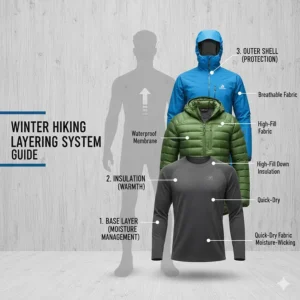
The Four-Layer System
According to winter backpacking experts, successful winter layering follows this framework:
Base Layer: Moisture Management
Your foundation wicks sweat away from skin, maintaining that critical warm-air layer next to your body. Choose merino wool or synthetic materials—never cotton. Snug fit ensures efficient moisture transfer.
Top Picks: Smartwool Merino 250, Patagonia Capilene Thermal Weight
Mid Layer: Insulation and Breathability
This layer traps body heat while allowing moisture to escape. Fleece remains the gold standard for active pursuits, while lightweight insulated jackets work for lower-output activities.
Top Picks: Patagonia R1 Hoody, Arc’teryx Caliber Hoody
Insulating Layer: Your Warmth Reserve
This is where your best insulated hiking jacket winter fits. It’s your heat bank—wear it during breaks, at camp, or when conditions deteriorate. Choose down for dry cold, synthetic for wet conditions.
Top Picks: Any of the 7 jackets reviewed above
Shell Layer: Weather Protection
A waterproof, windproof hardshell protects your insulating layers from rain, snow, and wind. Breathable fabrics like Gore-Tex prevent interior condensation during activity.
Top Picks: Arc’teryx Beta AR, Outdoor Research Interstellar
Layer Management: The Critical Skill
Having the right layers means nothing if you don’t manage them properly. Follow these principles from REI’s layering guide:
The Golden Rule: Start Cold Begin your hike feeling slightly chilly. Within 10-15 minutes of movement, your body will warm up. Starting overdressed leads to sweat, wet layers, and eventual chilling.
Strip Before You Sweat Remove layers proactively when you feel warmth building. Waiting until you’re actively sweating means you’ve already failed. Wet clothing steals body heat 25 times faster than dry.
Layer Up Immediately When Stopping The moment you stop moving, throw on your insulating jacket. Don’t wait to feel cold—prevent heat loss before it starts. Your body temperature drops rapidly when stationary in winter.
Adjust Constantly Think of layering as an active process, not a one-time decision. Add layers for descents, remove for climbs. Open vents during sun exposure, close them when clouds roll in. Constantly fine-tune your microclimate.
Packable Insulated Hiking Jacket: Why Compressibility Matters
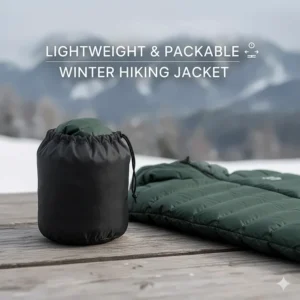
A jacket that stays in your pack most of the day needs to compress small and deploy quickly. Packability isn’t just convenience—it’s often the difference between carrying the jacket at all or leaving it behind when it could save your life.
Compression Champions
The most packable jackets share common features:
- Ultra-thin shell fabrics (7-15 denier)
- High-quality down or advanced synthetic insulation
- Minimal features and hardware
- Stuff sack or self-stuffing pocket design
The Mountain Hardwear Ghost Whisperer compresses to softball size despite providing serious warmth. The Enlightened Equipment Torrid similarly packs down tiny thanks to continuous filament insulation that rebounds from compression.
The Packability Trade-Off
Extreme packability requires compromises. Those thin shell fabrics tear more easily. Minimal features mean fewer pockets and adjustments. Self-stuffing designs add complexity and potential failure points.
Decide what matters more: a jacket that disappears in your pack, or one with extra durability and features. For day hikes where you’ll rarely wear the jacket, choose packability. For multi-day trips where it’s a critical warmth layer, prioritize robustness.
Packing Techniques
Proper packing extends jacket life:
- Don’t over-compress down jackets for storage (stores lose loft)
- Use stuff sacks instead of compression sacks when possible
- Pack insulated jackets last so they’re easily accessible
- Store jackets uncompressed at home to maintain loft
Insulated Hiking Jacket for Cold Weather: Temperature Ratings Decoded
Unlike sleeping bags with standardized temperature ratings, insulated jackets lack universal guidelines. How warm is warm enough? It depends on your metabolism, activity level, and what you wear underneath.
Understanding Personal Variables
Metabolic Heat Production: Some people run hot, others cold. There’s no shame in needing more insulation—work with your body, not against it. I personally run cold and need heavier jackets than my hiking partners.
Activity Level: High-output activities like steep climbs generate significant heat, requiring minimal insulation. Static activities like winter camping need serious warmth reserves.
Layering Underneath: A puffy jacket over a base layer performs differently than over a fleece midlayer. Consider your full system, not individual pieces.
Rough Temperature Guidelines
These are starting points—adjust based on personal experience:
Mild Winter (30-45°F):
- Lightweight synthetic (Nano Puff, Atom Hoody)
- Minimal down (Ghost Whisperer)
- Perfect for active hiking
Cold Winter (15-30°F):
- Midweight synthetic (DAS Light Hoody)
- Standard down jackets with fleece underneath
- Suitable for moderate activity with breaks
Severe Cold (Below 15°F):
- Heavy synthetic parkas or expedition down
- Multiple insulating layers
- Required for extended static periods
Wind Chill Factor
Wind dramatically increases heat loss. A 20°F day with 20 mph winds feels like 4°F. Shell layers become critical, and insulated jackets must seal at neck, wrists, and waist. Hoods aren’t optional—they’re essential.
Down Insulated Hiking Jacket: Caring for Your Investment
Quality down jackets represent significant investments. Proper care extends their lifespan from years to decades. I’ve owned my primary down jacket for 12 years, and it performs like new thanks to proper maintenance.
Washing Down Jackets
Contrary to popular belief, down jackets should be washed regularly. Dirty down loses loft as body oils coat the clusters. Follow these steps:
- Use Down-Specific Detergent: Regular detergents strip natural oils. Nikwax Down Wash or Grangers Down Wash are excellent choices.
- Front-Loading Machines Only: Top-loaders with agitators damage baffles. Use gentle cycle with cold water.
- Thorough Rinsing: Soap residue reduces loft. Run multiple rinse cycles.
- Low-Heat Drying: Tumble dry on low with tennis balls or dryer balls. This takes hours but properly restores loft.
- Complete Drying: Partially dry down clumps and smells. Continue drying until completely fluffy.
Storage Best Practices
Never store down jackets compressed. The constant pressure crushes down clusters, permanently reducing loft. Hang jackets on wide hangers or lay flat in storage. Use breathable garment bags, not plastic.
Field Repairs
Tears happen. Carry repair tape like Tenacious Tape for field fixes. Permanent repairs use similar fabric patches sewn with a tight stitch pattern. Many manufacturers offer repair services.
Choosing the Best Insulated Hiking Jacket Winter: Decision Framework
With seven excellent options, how do you choose? Use this decision tree:
Budget-Conscious ($200-250)
→ Enlightened Equipment Torrid Delivers premium performance at entry-level pricing. Perfect for beginning winter hikers or thru-hikers prioritizing weight.
All-Around Versatility ($280-330)
→ Patagonia Nano Puff Hoody or Arc’teryx Atom Hoody Both excel across conditions. Choose Nano Puff for durability and weather resistance. Choose Atom for breathability and active use.
Ultralight Obsession ($330-380)
→ Mountain Hardwear Ghost Whisperer or Patagonia Micro Puff Ghost Whisperer for maximum warmth at minimum weight. Micro Puff for superior packability and midlayer versatility.
Weather Protection Priority ($340-380)
→ Patagonia DAS Light Hoody When conditions matter more than weight, this burly synthetic beast handles serious mountain weather.
Breathable Performance ($250-280)
→ Rab Cirrus Flex Hybrid construction balances warmth and ventilation for high-output winter activities.
Buying Guide: Features That Matter
Hoods vs. Hoodless
Hooded jackets provide superior warmth and weather protection. They’re essential for winter conditions where head coverage is critical. Hoodless versions work better as midlayers under shells, avoiding hood stacking.
Pockets and Organization
More pockets add weight and cost but improve functionality. Look for:
- At least two hand warmer pockets
- Internal chest pocket for valuables
- Dump pockets for gloves and accessories
Adjustability Points
Quality jackets include:
- Adjustable hem cords to seal out drafts
- Elastic or adjustable cuffs
- Hood adjustments for fit over helmets
Weight vs. Durability Balance
Ultralight jackets use thin fabrics prone to tears. Burly jackets withstand abuse but add ounces. Match durability to your usage—technical climbers need robust shells, trail hikers can go lighter.
Jacket Maintenance: Maximizing Performance and Longevity
Pre-Season Prep
Before winter arrives, inspect your jacket:
- Check seams for separation
- Test zippers for smooth operation
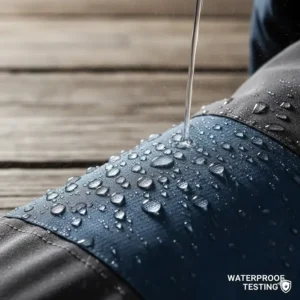
- Verify DWR coating effectiveness (water should bead)
- Refresh down loft with tumble drying
DWR Restoration
Durable Water Repellent (DWR) coatings wear off over time. When water stops beading and starts soaking in, restore the coating:
- Wash jacket thoroughly
- Apply DWR treatment (Nikwax TX.Direct or similar)
- Heat-activate following product instructions
Storage Between Seasons
Proper storage maintains jacket performance:
- Clean before storing (dirt damages insulation)
- Store uncompressed
- Keep in dry, cool location
- Avoid plastic bags (use breathable storage sacks)
Common Mistakes to Avoid
Overdressing at the Start
Starting hikes too warm leads to sweat, wet layers, and eventual chilling. Accept feeling slightly cold for the first 10-15 minutes. Your body heat will catch up quickly.
Ignoring Wet Weather Risks
Down jackets and heavy precipitation don’t mix. Always carry a shell layer when weather looks questionable. A wet down jacket is worse than no jacket.
Neglecting Ventilation
Modern insulated jackets trap heat efficiently—sometimes too efficiently. Open pit zips, unzip fronts partially, or remove the jacket entirely before overheating.
Compression Storage
Storing jackets compressed permanently damages insulation. Always store uncompressed at home, even if it takes more closet space.
❓ FAQ
❓ How warm are 800 fill down insulated jackets compared to synthetic?
❓ Can I machine wash my packable insulated hiking jacket?
❓ Which is better for winter backpacking layering system: down or synthetic?
❓ How do I know what temperature rating I need for cold weather hiking?
❓ Does higher fill power always mean a warmer winter hiking jacket?
Conclusion: Your Perfect Winter Companion Awaits
Finding the best insulated hiking jacket winter demands balancing warmth, weight, packability, and budget. The seven jackets reviewed here represent the finest options available in 2026, each excelling in different scenarios.
For most hikers, the Patagonia Nano Puff Hoody or Arc’teryx Atom Hoody provide unbeatable versatility across conditions and activities. Ultralight enthusiasts will gravitate toward the Mountain Hardwear Ghost Whisperer or Enlightened Equipment Torrid. Those facing harsh mountain weather should seriously consider the Patagonia DAS Light Hoody.
Remember that the best jacket is the one you’ll actually carry and use. Don’t chase ultralight specs if you need durability. Don’t overspend on features you won’t use. Match the jacket to your actual hiking style, typical conditions, and budget constraints.
Winter hiking opens a magical world of snow-covered trails, crystalline views, and peaceful solitude. With the right insulated jacket protecting you from the cold, you’ll discover why so many of us prefer winter trails to summer crowds. Stay warm out there, and enjoy the frozen wonderland that awaits.
Recommended for You
- Best Soft Shell Hiking Jacket for Men 2026
- Best Hard Shell Jacket for Hiking – Expert Reviews 2025
- 7 Best Lightweight Rain Jacket with Hood Women’s 2025 (Top Picks!)
Disclaimer: This article contains affiliate links. If you purchase products through these links, we may earn a small commission at no additional cost to you.
✨ Found this helpful? Share it with your friends! 💬🤗
