
In This Article
Picture this: you’re halfway through your morning commute when the sky opens up. Without a proper waterproof cycling jacket, you’re soaked, miserable, and probably regretting every life choice that led you here. I’ve been there, and trust me—the right jacket changes everything.
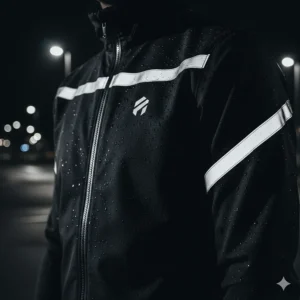
After testing dozens of options through Pacific Northwest downpours and analyzing hundreds of customer reviews, I’ve found that not all waterproof cycling jackets are created equal. Some leave you swimming in your own sweat, while others cost more than your bike. The sweet spot? Finding gear that keeps rain out while letting moisture escape, without requiring a second mortgage.
Whether you’re a daily bike commuter, weekend warrior, or fair-weather rider caught off guard, the perfect breathable waterproof cycling jacket exists for your needs and budget. From cutting-edge Gore-Tex cycling jackets to affordable alternatives, this guide breaks down exactly what works—and what doesn’t.
Quick Comparison Table
| Product | Waterproof Rating | Breathability | Weight | Price Range | Best For |
|---|---|---|---|---|---|
| PEARL IZUMI Quest Barrier | 5,000mm | High (PI Dry C0) | 6.4 oz | $80-$100 | Versatility & Value |
| ROCKBROS Rain Jacket | 5,000mm | 3,000g/m²/24hr | 9.3 oz | $50-$62 | Budget-Conscious |
| Showers Pass Elite 2.1 | 30,000mm | 20,000g/m²/24hr | 15.5 oz | $200-$250 | Premium Performance |
| GORE WEAR PACLITE | 28,000mm+ | Extremely High | 5.2 oz | $150-$200 | Packability |
| CASTELLI Perfetto RoS 3 | Water-Resistant | Industry-Leading | 12 oz | $200-$280 | Race Performance |
| baleaf Men’s Rain Jacket | 5,000mm | 3,000g/m²/24hr | 8 oz | $60-$62 | Casual Commuting |
| 33,000ft Packable | 5,000mm | 5,000g/m²/24hr | 11.5 oz | $30-$50 | Ultra-Budget Option |
💬 Just one click – help others make better buying decisions too!😊
Top 7 Waterproof Cycling Jackets: Expert Analysis
1. PEARL IZUMI Quest Barrier Jacket – The Goldilocks Choice
When you want quality without the premium price tag, the PEARL IZUMI Quest Barrier Jacket hits that perfect middle ground. This jacket has become legendary among commuters for good reason.
Key Specifications:
- PI Dry C0 PFAS-free water repellency
- 5,000mm waterproof rating
- 100% recycled ripstop fabric
- BioViz reflective elements (100m visibility)
- YKK two-way zipper
- Weight: 6.4 oz
The standout feature? PEARL IZUMI’s proprietary PI Dry C0 technology delivers serious weather protection without harmful forever chemicals. The jacket blocks windchill and sheds light to moderate rain effectively, though it’s not designed for all-day downpours.
Customer Feedback: Users consistently praise the relaxed fit that layers easily over winter jerseys. The two-way zipper provides excellent ventilation access to rear jersey pockets. However, some taller riders (6’2″+) note the front hem runs slightly short.
✅ Pros:
- PFAS-free environmental commitment
- Excellent visibility for night rides
- Versatile temperature range (40-60°F)
❌ Cons:
- Not fully waterproof in heavy sustained rain
- Sizing runs smaller for broader shoulders
Price: $80-$100 | Best For: Daily commuters seeking eco-friendly gear
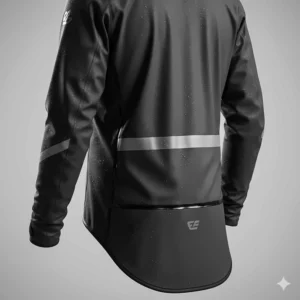
2. ROCKBROS Cycling Rain Jacket – Budget Beast
Don’t let the affordable price fool you—the ROCKBROS Cycling Rain Jacket punches well above its weight class. This jacket proves you don’t need to spend $200 to stay dry.
Key Specifications:
- 100% nylon construction with seamless zippers
- 5,000mm waterproof / 3,000g/m²/24hr breathability
- UPF 50+ sun protection
- Three ventilation systems
- Multiple reflective strips
- Weight: 9.3 oz (265g)
ROCKBROS designed this jacket with practical cyclists in mind. The three strategically placed vents prevent the dreaded “boil-in-a-bag” feeling that plagues cheaper rain gear. The packable design stashes into its own back pocket, perfect for unpredictable weather.
Customer Feedback: Riders love the generous sizing (up to 4XL) and comprehensive storage options. The elastic waistband and Velcro cuffs seal out wind effectively. Some users report the hood fit could be improved for helmet compatibility.
✅ Pros:
- Exceptional value for money
- Extended size range
- Year-round versatility (spring through fall)
❌ Cons:
- Hood design not optimized for helmets
- Heavier than premium alternatives
Price: $50-$62 | Best For: Budget-conscious riders, casual commuters
3. Showers Pass Elite 2.1 – Premium Powerhouse
The Showers Pass Elite 2.1 represents the gold standard in cycling-specific waterproof jackets. When Pacific Northwest riders—who know rain like desert dwellers know sand—consistently recommend one jacket, this is it.
Key Specifications:
- Elite 2.1 proprietary 3-layer laminate
- 30,000mm waterproof rating
- 20,000g/m²/24hr breathability
- Six airflow ventilation points
- 360° 3M reflective trim
- Weight: 15.5 oz
The breathable membrane technology sets this jacket apart. While other jackets force you to choose between staying dry or staying cool, the Elite 2.1’s body-mapped ventilation system delivers both. Two extra-large core vents, oversized cuffs, and a massive rear shoulder vent regulate temperature without compromising weather protection.
Customer Feedback: Professional commuters and long-distance riders praise its durability through multiple seasons. The on-bike fit (longer tail, shorter front, extended arms) eliminates the “parachute effect.” Some cyclists note the premium price requires commitment.
✅ Pros:
- Unmatched waterproof-breathable balance
- Exceptional durability (multi-season lifespan)
- Superior cycling-specific ergonomics
❌ Cons:
- Premium pricing
- Heavier than ultralight alternatives
- Overkill for fair-weather riders
Price: $200-$250 | Best For: Serious commuters, year-round cyclists, Pacific Northwest warriors
4. GORE WEAR Men’s GORE-TEX PACLITE Jacket – Featherweight Champion
When every ounce matters and you need reliable protection, the GORE WEAR Men’s GORE-TEX PACLITE Jacket delivers legendary performance in an impossibly light package.
Key Specifications:
- GORE-TEX PACLITE+ technology
- 28,000mm+ waterproof rating
- Extremely breathable membrane
- Packs into own rear pocket
- Waterproof rear zippered pocket
- Weight: 5.2 oz
The GORE-TEX membrane contains nine billion microscopic pores per square inch—each 20,000 times smaller than a water droplet but 700 times larger than water vapor molecules. This engineering marvel explains why GORE-TEX remains the benchmark forty years after invention.
Customer Feedback: Competitive cyclists appreciate how it disappears in a jersey pocket until needed. The bike-specific cut and adjustable features prevent flapping at speed. A few users mention breathability doesn’t match heavier GORE-TEX Pro versions during high-intensity efforts.
✅ Pros:
- Ultralight and supremely packable
- Proven GORE-TEX reliability
- Reflective front zipper for night visibility
❌ Cons:
- Limited insulation (layering required below 50°F)
- Higher price point
- Minimal storage pockets
Price: $150-$200 | Best For: Minimalist riders, racing enthusiasts, emergency backup jacket
5. CASTELLI Perfetto RoS 3 – The Race-Day Weapon
CASTELLI’s Perfetto RoS 3 created an entirely new category: the all-conditions race jacket. This isn’t just cycling commute rain gear—it’s what professionals wear when weather gets nasty mid-race.
Key Specifications:
- Gore-Tex Infinium™ 205 Warm front fabric
- Gore-Tex Infinium™ 203 Stretch rear fabric
- Polartec AirCore™ technology
- YKK Vision dual zippers
- Three rear pockets + reflective panel
- Weight: 12 oz
The Perfetto pioneered CASTELLI’s Ristretto Technology, which carefully controls airflow to keep you drier inside. Rather than maximum breathability, it restricts just enough air passage to prevent moisture buildup while maintaining warmth—a game-changer for threshold efforts in cold rain.
Customer Feedback: Riders rave about the race-cut fit that stays aerodynamic without restricting movement. The fabric’s stretch allows aggressive positions on the bike. Note that CASTELLI sizing runs notoriously small—size up if between sizes or prefer any breathing room.
✅ Pros:
- Industry-leading breathability during hard efforts
- Exceptional weather versatility (35-55°F range)
- True race-fit aerodynamics
❌ Cons:
- Premium pricing
- Sizing runs very small (size up!)
- Not fully waterproof (highly water-resistant)
Price: $200-$280 | Best For: Performance-focused riders, racers, aggressive position cyclists
6. baleaf Men’s Rain Jacket – Versatile Value Champion
The baleaf Men’s Rain Jacket proves that “budget-friendly” doesn’t mean “poorly made.” This jacket delivers solid performance across cycling, running, and casual outdoor activities.
Key Specifications:
- TPU membrane lamination
- 5,000mm waterproof / 3,000g/m²/24hr breathability
- Attached packable hood
- Five utility pockets (including inner storage)
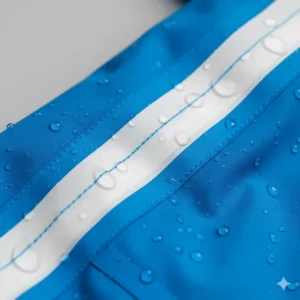
- Reflective strips and logo
- Weight: 8 oz
What separates baleaf from throw-away rain gear? Thoughtful details like the hem anti-skid feature that prevents ride-up, elastic sleeve cuffs that seal effectively, and the drawcord adjustable hem. The versatile fit works equally well for cycling, hiking, or walking the dog in drizzle.
Customer Feedback: Amazon reviewers consistently highlight exceptional value, with 7,000+ ratings averaging 4+ stars. The jacket handles South Florida rainy season and Pacific Northwest mist equally well. Some note the fabric doesn’t feel as premium as higher-priced options, but performance remains solid.
✅ Pros:
- Outstanding price-to-performance ratio
- Multi-sport versatility
- Comprehensive pocket system
❌ Cons:
- Fabric hand feels less refined
- Hood not optimized for cycling helmets
- Moderate weight for packability
Price: $60-$62 | Best For: Multi-sport athletes, casual commuters, value seekers
7. 33,000ft Packable Rain Jacket – Ultra-Budget Emergency Gear
When you need basic rain protection without spending serious money, the 33,000ft Packable Rain Jacket gets the job done. Think of it as insurance against surprise showers.
Key Specifications:
- Ripstop polyester with TPU membrane
- 5,000mm waterproof / 5,000g/m²/24hr breathability
- 100% fully sealed seams
- Packable with carrying pouch
- Four multi-pockets
- Weight: 11.5 oz
The 33,000ft succeeds by focusing on essentials: keeping water out while remaining affordable enough that losing or damaging it won’t ruin your week. The packable design includes a dedicated pouch, making it perfect for stashing in panniers or backpacks “just in case.”
Customer Feedback: Users appreciate the honest value proposition—this isn’t Gore-Tex, but it performs admirably for its price point. The jacket handles light to moderate rain well for spring/fall riding. Some cyclists note breathability lags behind during intense efforts.
✅ Pros:
- Lowest price point on our list
- Decent waterproofing for the cost
- Convenient packability with pouch
❌ Cons:
- Breathability suffers during hard efforts
- Durability questions for long-term use
- Heavier than premium packable options
Price: $30-$50 | Best For: Emergency backup, occasional riders, extreme budget constraints
✨ Don’t Miss These Exclusive Deals!
🔍 Take your cycling to the next level with these carefully selected products. Click on any highlighted item to check current pricing and availability. These jackets will help you create authentic comfort your body will love!
Understanding Waterproof Technology: What The Numbers Actually Mean
Decoding Waterproof Ratings
Those mysterious millimeter ratings? They measure how much water pressure fabric withstands before leaking. Here’s the practical breakdown:
5,000mm – Light to moderate rain protection. Perfect for quick commutes and surprise showers. Think: “I can handle 30 minutes in steady drizzle.”
10,000mm – Moderate to heavy rain coverage. Ideal for extended rides in wet conditions. Translation: “Bring on the April showers.”
20,000mm+ – Heavy, sustained downpour protection. Professional-grade waterproofing. Reality check: “Pacific Northwest winter? No problem.”
For context, a typical waterproof cycling jacket rated at 5,000mm can handle a light drizzle indefinitely and moderate rain for 1-2 hours. Premium options at 30,000mm? You could stand under a fire hose.
The Breathability Balance
Here’s the cycling paradox: you need waterproofing to keep rain out, but you also need breathability to let sweat escape. Poor breathability creates a sauna inside your jacket—you’re soaked anyway, just from the inside out.
Breathability ratings measure moisture vapor transmission in grams per square meter over 24 hours (g/m²/24hr). Higher numbers mean better breathability:
- 3,000g/m²/24hr = Basic breathability (low-intensity activities)
- 10,000g/m²/24hr = Good breathability (moderate cycling efforts)
- 20,000g/m²/24hr = Excellent breathability (hard training rides)
The magic happens with breathable membrane technology like Gore-Tex, which uses microporous membranes to block water while allowing vapor passage. Think of it as a molecular bouncer—water droplets are too big to enter, but tiny water vapor molecules can exit freely.
Gore-Tex vs. Budget Membranes: Worth The Premium?
The Gore-Tex Advantage
Gore-Tex cycling jackets command premium prices for legitimate reasons. The expanded PTFE (ePTFE) membrane technology represents decades of materials science refinement. Each square inch contains nine billion pores, creating a waterproof barrier that breathes exceptionally well.
Gore-Tex Benefits:
- Proven durability across multiple seasons
- Superior breathability during hard efforts
- Industry-leading waterproof ratings (28,000mm+)
- Guaranteed performance standards
The Trade-off: You’re paying 2-3x more than budget alternatives. For casual riders hitting bike paths twice monthly, that premium might not justify itself. For daily commuters logging 100+ miles weekly? The investment pays dividends in comfort and longevity.
Budget Membrane Performance
Modern budget membranes have dramatically improved. TPU (thermoplastic polyurethane) laminates now deliver respectable 5,000-10,000mm waterproofing at fraction of Gore-Tex costs. These work excellently for:
- Occasional riders
- Fair-weather cyclists with emergency backup needs
- Budget-conscious commuters in moderate climates
- Multi-sport athletes wanting versatile gear
Limitations: Breathability typically lags behind during intense efforts. Durability may decrease after 1-2 seasons of heavy use. The DWR (durable water repellent) coating wears faster, requiring more frequent reapplication.
Pro Tip: Many budget jackets perform admirably when properly maintained. Regular washing removes dirt that clogs pores, while periodic DWR reapplication restores water-beading performance. A $60 jacket maintained well often outperforms a neglected $200 option.
Bike to Work Essentials: Commuter-Specific Features
The Commuter Jacket Checklist
Daily bike commuters need different features than weekend recreational riders. Here’s what separates casual rain gear from serious bike to work essentials:
🚴 Cycling-Specific Cut
- Longer rear hem (prevents lower back exposure)
- Shorter front (eliminates bunching over handlebars)
- Extended sleeves (cover wrists in riding position)
- Articulated elbows (freedom of movement)
💡 Visibility Features According to research on cyclist safety, retroreflective materials dramatically improve driver recognition in low-light conditions. Look for 360° reflective elements—not just a strip on the back.
The most effective placement? Moving joints like ankles, knees, and elbows. This “biomotion” effect helps drivers’ brains recognize you as human, triggering faster response times.
🎒 Practical Storage
- Rear pockets (jersey-style access)
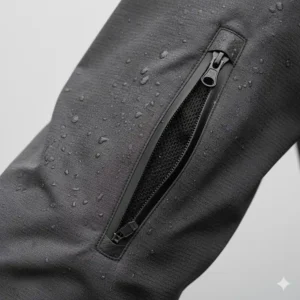
- Waterproof zippered chest pocket (phone/wallet)
- Interior security pocket
- Helmet-compatible hood (or no hood)
🌡️ Temperature Regulation Pit zips, rear vents, and two-way zippers aren’t luxury features—they’re necessities for preventing sweat-induced hypothermia during winter commutes.
Layering Strategy for Maximum Versatility
Your commuter waterproof cycling jacket should work across seasons with smart layering:
Spring/Fall (45-60°F):
- Base: Moisture-wicking short-sleeve jersey
- Mid: Lightweight arm warmers (removable)
- Shell: Waterproof jacket with vents open
Winter (30-45°F):
- Base: Merino wool or synthetic thermal long-sleeve
- Mid: Lightweight fleece vest
- Shell: Waterproof jacket (vents closed)
Summer Rain (60-75°F):
- Base: Minimal short-sleeve jersey
- Shell: Ultralight packable waterproof (maximum ventilation)
Remember: You should feel slightly cool for the first 5-10 minutes. If you’re perfectly comfortable standing still, you’ll overheat within a mile of pedaling.
Visibility & Safety: Why Reflective Details Matter
The Night Riding Reality
Statistics tell a sobering story: according to cycling safety research, the majority of cyclist accidents occur during low-light conditions. The problem? “Looked but didn’t see” (LBDS) collisions where drivers literally don’t register cyclists until it’s too late.
Reflective vs. Fluorescent: Understanding The Difference
Fluorescent Colors (Neon Yellow, Orange, Pink):
- Work during DAYLIGHT by converting UV rays to visible light
- Create enhanced brightness that catches attention
- Completely ineffective at night (require UV light)
- Best for: Morning/afternoon commutes, overcast days
Retroreflective Materials (Silvery Strips):
- Work at NIGHT by bouncing headlight beams back to drivers
- Create dramatic “glow” effect in darkness
- Ineffective during daylight (require direct light source)
- Best for: Dawn/dusk/night riding, low-light conditions
The Winning Combination: A proper cycling commute rain gear jacket includes BOTH. Fluorescent base color for daytime visibility, retroreflective strips for night safety.
Strategic Reflective Placement
Not all reflective placement equals. Research shows that reflective material on moving joints (biomotion) improves driver recognition by 300% compared to static torso placement.
Most Effective Locations:
- Ankles/calves (pedaling motion)
- Knees (obvious cycling movement)
- Elbows (steering/positioning signals)
- Shoulders (large surface area)
- Lower back (rear approach visibility)
Pro Tip: If your jacket lacks sufficient reflectives, add retroreflective ankle bands or clip-on spoke lights. These inexpensive additions dramatically improve safety.
How to Choose Your Perfect Waterproof Cycling Jacket
Step 1: Define Your Primary Use Case
Daily Commuter (5+ days/week): Prioritize durability, breathability, and features over price. You’ll log enough miles to justify premium investment. Target: $150-$250 range with Gore-Tex or equivalent.
Weekend Warrior (1-3 rides/week): Balance performance with value. Mid-range options ($80-$150) deliver excellent results without breaking the bank.
Fair-Weather Rider (occasional backup): Emergency protection matters most. Budget options ($30-$60) handle surprise showers without permanent pocket space commitment.
Step 2: Assess Your Climate
Pacific Northwest / UK / Northern Europe: Heavy, sustained rain demands serious protection. Minimum 10,000mm waterproofing, preferably 20,000mm+. Breathability critical due to cool temperatures requiring harder efforts.
Desert Southwest / Mediterranean: Rare but intense storms. Packable emergency option works perfectly. Focus on ultralight weight since it spends most time stowed.
Midwest / Northeast: Moderate rain frequency with temperature swings. Versatile mid-range jacket with excellent layering compatibility provides year-round value.
Step 3: Consider Your Riding Intensity
Low Intensity (casual cruising, <12 mph average): Waterproofing matters more than breathability. Budget-friendly options with basic ventilation suffice.
Moderate Intensity (commuting, 12-18 mph): Balanced waterproof-breathable performance essential. Look for pit zips, rear vents, and quality membranes.
High Intensity (training rides, racing, 18+ mph): Premium breathability non-negotiable. Accept higher prices for Gore-Tex Active, Polartec AirCore, or equivalent technologies.
Step 4: Fit & Features
Sizing Philosophy:
- Between sizes? Size up for layering versatility
- Athletic/race fit? Follow brand sizing precisely
- Broader shoulders? European brands (Castelli) run small; American brands (Pearl Izumi) fit generously
Must-Have Features:
✅ Helmet-compatible hood OR no hood (avoid compromise designs)
✅ Two-way main zipper (ventilation + pocket access)
✅ Pit zips or rear vents (temperature regulation)
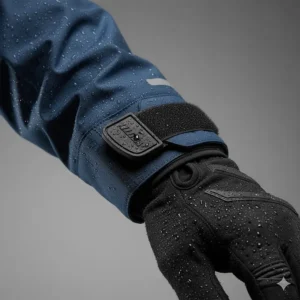
✅ Adjustable cuffs and hem (weather sealing)
✅ 360° reflective elements (safety)
Nice-to-Have Features:
- Packability into own pocket
- Multiple storage pockets
- Articulated elbows
- Waterproof zippers
- Removable/convertible elements
Step 5: Maintenance Requirements
Premium jackets require proper care to maintain performance. Factor ongoing maintenance into your decision:
Regular Washing (Monthly):
- Removes dirt and body oils that clog membrane pores
- Restores breathability
- Use technical fabric detergent (avoid regular detergent)
- Warm water, gentle cycle
DWR Reapplication (Seasonally):
- When water stops beading on outer fabric
- Spray-on or wash-in treatments available
- 15-20 minutes plus air drying
- Cost: $10-15 per treatment
Storage:
- Hang (never stuff wet)
- Cool, dry location
- Avoid compression for extended periods
Budget jackets may not justify extensive maintenance investment. Premium jackets absolutely do—proper care extends lifespan by years.
Caring For Your Waterproof Cycling Jacket: Maintenance That Matters
The Washing Paradox
Here’s what surprises most cyclists: you should wash your waterproof jacket OFTEN, not rarely. That’s right—regular washing actually improves performance.
Why Wash Frequently:
- Body oils and dirt clog membrane pores, reducing breathability
- Sweat salt residue degrades DWR coating
- Environmental grime blocks water-shedding properties
- Bacteria growth creates odors that become permanent
How Often:
- Heavy use (daily commuting): Every 2-3 weeks
- Moderate use (2-3x weekly): Monthly
- Light use (occasional): After 5-7 rides or visible dirt
The Proper Washing Process
Step 1: Preparation
- Close all zippers and velcro
- Empty all pockets
- Check care label for specific instructions
- Shake off loose dirt
Step 2: Washing
- Use technical fabric detergent (Nikwax Tech Wash, Grangers Performance Wash)
- NEVER use regular detergent (leaves residue)
- NEVER use fabric softener (destroys breathability)
- Warm water (86°F / 30°C), gentle cycle
- Double rinse to remove all soap residue
Step 3: Drying
- Air drying optimal (hang in well-ventilated area)
- Low heat tumble dry acceptable for most jackets
- Heat actually helps reactivate DWR coating
- NEVER use high heat or commercial dryers
Restoring Water Repellency
When rain stops beading on your jacket’s surface and instead soaks in (“wetting out”), it’s time to refresh the DWR coating. Don’t panic—this is normal maintenance, not jacket failure.
DWR Restoration Methods:
Method 1: Heat Reactivation (Try First)
- Clean jacket thoroughly
- Tumble dry low heat for 20 minutes OR
- Iron on low through towel/fabric
- Often restores factory DWR without chemicals
Method 2: Spray-On Treatment
- Products: Nikwax TX.Direct Spray, Grangers Clothing Repel
- Apply to clean, damp jacket
- Follow product instructions precisely
- Air dry, then heat activate
Method 3: Wash-In Treatment
- Products: Nikwax TX.Direct Wash-In, Grangers Performance Repel
- Entire jacket treatment
- Most thorough but uses more product
- Follow washing instructions
Pro Tip: DWR failure doesn’t mean waterproofing failure. The membrane still works—but reduced breathability creates discomfort. Address DWR issues promptly.
Storage Best Practices
Short-term (Between Rides):
- Hang immediately after use (never stuff wet)
- Ventilated area preferred
- Allow complete drying (24-48 hours)
Long-term (Off-season):
- Clean thoroughly before storage
- Hang on wide hanger (prevents shoulder creases)
- Cool, dry closet (avoid garages/basements with temperature swings)
- Avoid compression in bags/bins
What Kills Jackets:
❌ Storing wet or damp
❌ Leaving in hot cars
❌ Using fabric softener
❌ Ignoring DWR maintenance
❌ Rough surfaces causing abrasion
❌ Regular detergent residue buildup
Repair vs. Replace
Repairable Issues:
- Small tears or punctures (Tenacious Tape, SeamGrip)
- Separated seams (professional re-sealing)
- Broken zippers (replacement possible)
- Lost DWR (reapplication fixes)
Replace When:
- Membrane delamination (peeling interior)
- Extensive fabric damage
- Zipper housing failure
- Persistent leaking through intact fabric
- Cost of repair exceeds 50% of replacement
Expected Lifespan:
- Budget jackets ($30-$60): 1-2 seasons heavy use
- Mid-range ($80-$150): 2-4 seasons
- Premium ($200+): 4-7+ seasons with proper care
The math: A $240 Gore-Tex jacket lasting 6 seasons costs $40/year. A $60 budget jacket lasting 1.5 seasons costs $40/year. The difference? Premium options maintain performance throughout their lifespan, while budget options degrade progressively.
Common Mistakes to Avoid When Buying
Mistake #1: Prioritizing Waterproofing Over Breathability
The Problem: New riders often obsess over maximum waterproof ratings while ignoring breathability numbers. Result? A jacket that keeps rain out perfectly—but leaves you soaked in sweat.
The Solution: For cycling, breathability matters as much as waterproofing. Unless you’re riding in hurricane conditions, a 5,000-10,000mm rating handles most rain scenarios. Prioritize high breathability (10,000g+ per m²/24hr) for comfort.
Reality Check: You’re generating serious heat while pedaling. That heat creates moisture. Without adequate breathability, that moisture condenses inside your jacket regardless of external weather.
Mistake #2: Ignoring Cycling-Specific Features
The Problem: Buying a generic hiking rain jacket because it’s waterproof and cheap. Sounds logical until you’re riding hunched over handlebars with your lower back exposed and fabric bunching everywhere.
The Solution: Cycling-specific cuts aren’t marketing hype—they’re functional necessities. Look for:
- Extended rear hem
- Shortened front
- Articulated elbows
- Long sleeves (riding position)
- Drop-tail design
Real Experience: I once commuted 15 miles in a hiking jacket. Every pothole jostle lifted the back, allowing rain to pour down my spine. Never again.
Mistake #3: Choosing Based Solely on Price
The Problem: Assuming the most expensive option equals the best choice for you, or conversely, that budget options always disappoint.
The Solution: Match investment to usage. A $30 emergency jacket perfectly serves occasional riders. Daily commuters benefit from $200 premium gear. The wrong purchase is either overspending on unused performance or underspending on inadequate protection.
Cost-Per-Use Calculation: $250 jacket ÷ 200 rides/year ÷ 5 years = $0.25 per ride. That’s cheaper than most $60 jackets lasting 80 rides.
Mistake #4: Sizing for Standing Instead of Riding
The Problem: Trying on jackets while standing in a store, resulting in improper fit during actual riding position.
The Solution: When evaluating fit:
- Assume riding position (bent forward, arms extended)
- Raise arms overhead (sleeves should stay down)
- Reach for imaginary handlebars
- Check rear hem coverage while bent
- Ensure cuffs extend over wrists
Sizing Tip: If between sizes and primarily riding, size up. Layering versatility beats race-fit restriction for most cyclists.
Mistake #5: Neglecting Visibility Features
The Problem: Focusing entirely on weather protection while forgetting that being seen prevents accidents more effectively than any jacket technology.
The Solution: Refuse to compromise on visibility. Minimum requirements:
- 360° reflective coverage
- Bright base color OR strategic reflective placement
- Reflectives on moving parts (arms, shoulders)
- High-contrast design elements
Stat Alert: According to safety research, retroreflective gear on moving joints can improve driver recognition distance by 300%. That’s potentially 3-4 additional seconds of reaction time—the difference between close call and collision.
Mistake #6: Forgetting Seasonal Versatility
The Problem: Buying the perfect rain jacket for current season without considering year-round needs.
The Solution: Unless budget allows multiple specialized jackets, choose versatile options that work across 40-65°F temperature range with proper layering.
Versatility Features:
- Removable/packable hood
- Pit zips for ventilation
- Two-way zippers
- Relaxed fit accommodating layers
- Medium weight (not ultralight, not heavily insulated)
Spring Reality: That ultralight packable perfect for summer storms becomes useless during 45°F March rain. The winter-specific jacket causes overheating in September drizzle. One versatile option beats two specialized compromises.
Mistake #7: Skipping the Test Ride
The Problem: Buying online without any movement testing, discovering fit issues only after tags are removed and jacket is soaked.
The Solution: If possible, wear the jacket around your house in riding position before committing. Simulate pedaling motions, reaching for water bottle, looking over shoulder. Check:
- No restriction through shoulders
- Cuffs stay positioned correctly
- No uncomfortable pressure points
- Zippers operate smoothly with gloves
- Hood fits over helmet (if applicable)
Return Window Wisdom: Keep tags attached and avoid riding in rain during first week. Test functionality around house first. Most quality retailers offer 30-day returns—use that safety net.
FAQ
❓ How long should a waterproof cycling jacket last?
❓ Can I use a hiking rain jacket for cycling instead?
❓ What's the difference between water-resistant and waterproof cycling jackets?
❓ How do I stop my waterproof jacket from being so sweaty inside?
❓ Are expensive Gore-Tex cycling jackets worth the extra money?
Conclusion: Your Perfect Jacket Awaits
Finding the ideal waterproof cycling jacket isn’t about buying the most expensive option—it’s about matching technology to your specific riding reality. Whether you’re commuting through Seattle’s relentless drizzle or occasionally caught in summer thunderstorms, the right gear exists within your budget.
The winners in our testing? For value-conscious riders, the PEARL IZUMI Quest Barrier delivers exceptional performance with environmental responsibility. Daily commuters demanding maximum protection should seriously consider the Showers Pass Elite 2.1—it’s expensive, but the durability and comfort pay dividends. Ultra-budget riders can confidently grab the 33,000ft Packable as emergency backup without breaking the bank.
Remember that even the best breathable waterproof cycling jacket requires proper maintenance. Regular washing, DWR reapplication, and correct storage transform a good jacket into a reliable companion for years. Combined with smart layering and visibility-first thinking, your investment protects both comfort and safety.
Don’t let rain dictate your riding schedule anymore. The bike to work essentials you choose today determine whether tomorrow’s forecast fills you with dread or indifference. Because at the end of the day, the best waterproof cycling jacket is the one that actually gets you out the door, rain or shine.
Stay dry, ride happy, and remember—there’s no such thing as bad weather, only inadequate gear.
Recommended for You
- 7 Best Windproof Cycling Jacket 2026: Beat the Chill
- 7 Best Extreme Cold Weather Hunting Jackets 2026
- 7 Best Waterfowl Hunting Jackets 2026
Disclaimer: This article contains affiliate links. If you purchase products through these links, we may earn a small commission at no additional cost to you.
✨ Found this helpful? Share it with your friends! 💬🤗
