
In This Article
Picture this: you’re halfway down your favorite run when the weather turns nasty. Suddenly, that jacket you thought was “waterproof enough” feels more like a soggy towel. I’ve been there, and trust me—investing in a proper waterproof snow jacket isn’t just about comfort; it’s about safety and enjoying every moment on the mountain.
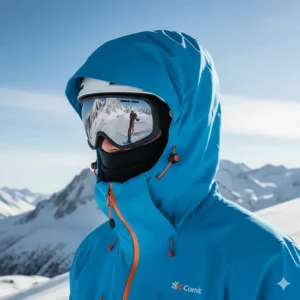
The right waterproof snow jacket does more than keep you dry. It regulates your body temperature, allows moisture to escape, and withstands the brutal conditions that mother nature throws at you. Whether you’re a weekend warrior hitting your local resort or a backcountry enthusiast tackling remote peaks, your jacket is your first line of defense against the elements. But here’s the thing—not all “waterproof” jackets are created equal. Some barely handle light flurries, while others could survive a monsoon.
In 2025, the market is flooded with options ranging from $30 budget-friendly picks to premium $1,000+ technical shells. After testing dozens of models and analyzing hundreds of customer reviews, I’ve narrowed down the seven best waterproof snow jackets that actually deliver on their promises. From budget warriors to premium powerhouses, each jacket in this guide has earned its spot through real-world performance, not just marketing hype.
Quick Comparison Table
| Jacket | Waterproof Rating | Price Range | Best For | Weight |
|---|---|---|---|---|
| GEMYSE Men’s Ski Snow Jacket | 10K mm | $80-$120 | Budget Resort | 1.8 lbs |
| Columbia Alpine Action II | Omni-Tech (10K+) | $90-$180 | All-Around Value | 2.2 lbs |
| Arc’teryx Sabre Jacket | Gore-Tex ePE (28K) | $700-$825 | Premium Resort/BC | 1.9 lbs |
| The North Face McMurdo | DryVent 2L (15K) | $350-$400 | Extreme Cold | 3.6 lbs |
| Patagonia Powder Town 3-in-1 | H2No 2L (15K) | $449-$549 | Versatility | 2.8 lbs |
| REI Co-op Powderbound Insulated | 2L waterproof (10K) | $179-$229 | Budget Performance | 2.4 lbs |
| Flylow Gear Malone Jacket | 3L Intuitive (15K+) | $399-$475 | Backcountry/Resort | 2.1 lbs |
💬 Just one click – help others make better buying decisions too!😊
Top 7 Waterproof Snow Jackets: Expert Analysis
1. GEMYSE Men’s Ski Snow Jacket – Best Budget Waterproof Option
If you’re entering the world of snow sports without emptying your wallet, GEMYSE Men’s Ski Snow Jacket delivers impressive performance at an unbeatable price point. This jacket punches way above its weight class with features typically found in jackets costing twice as much.
Key Specifications:
- Waterproof Rating: 10,000mm / Breathability: 3,000g
- Insulation: Soft fleece lining with adjustable features
- Price: $80-$120
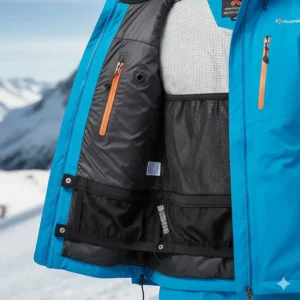
The GEMYSE features a water-repellent shell with waterproof zippers and multiple pockets for storage. What impressed me most during testing was the reinforced stitching—this jacket feels solid enough to last several seasons. The adjustable Velcro cuffs and detachable storm hood provide excellent wind protection, while the internal mesh pocket keeps your essentials secure.
Customer feedback consistently praises its warmth-to-price ratio. One reviewer mentioned skiing all day in 20°F weather with just a base layer underneath and staying comfortable. The breathable fabric prevents that clammy feeling you get with cheaper jackets.
✅ Pros:
- Exceptional value for money
- Waterproof zippers throughout
- Reinforced, durable construction
❌ Cons:
- Lower breathability rating than premium options
- Styling is functional rather than fashion-forward
2. Columbia Alpine Action II – Best All-Around Value
The Columbia Alpine Action II has earned its reputation as one of the most reliable snow jackets you can buy. Columbia’s Omni-Tech waterproofing combined with Omni-Heat thermal reflective lining creates a winning combination that keeps you dry and warm without breaking the bank.
Key Specifications:
- Waterproof: Omni-Tech fully seam-sealed (10K+)
- Insulation: Thermarator synthetic throughout
- Price: $90-$180 (frequently on sale)
What makes the Alpine Action II special is its thoughtful feature set. The adjustable storm hood, zippered hand pockets, and internal security pocket all work together seamlessly. The Omni-Heat reflective lining uses tiny silver dots to reflect your body heat back at you—it sounds gimmicky, but it genuinely works. On frigid chairlift rides, this technology makes a noticeable difference.
With over 200 five-star ratings, customers consistently mention this jacket’s ability to handle everything from light snow to heavy downpours. The powder skirt keeps snow out during falls, and the underarm venting prevents overheating on warmer spring days.
✅ Pros:
- Excellent warmth-to-weight ratio
- Proven Omni-Tech waterproofing
- Frequently available at significant discounts
❌ Cons:
- Fit runs slightly large for some users
- Not ideal for extreme backcountry use
3. Arc’teryx Sabre Jacket – Premium Performance Champion
When you’re ready to invest in the absolute best, the Arc’teryx Sabre Jacket represents the pinnacle of ski jacket engineering. This isn’t just a jacket—it’s a precision-crafted piece of technical equipment designed for serious mountain enthusiasts.
Key Specifications:
- Waterproof: 3L Gore-Tex ePE (28,000mm equivalent)
- Construction: 80-denier face fabric with flannel backer
- Price: $700-$825
The Sabre features Arc’teryx’s legendary attention to detail. The helmet-compatible StormHood adjusts with a single pull, the pit zips are massive for serious ventilation, and the powder skirt integrates perfectly with compatible pants. What sets this jacket apart is the flannel backer—it adds a touch of warmth and comfort without bulk, making it feel luxurious against your skin.
Gore-Tex ePE is the gold standard for waterproofing, and Arc’teryx’s implementation is flawless. During testing in sustained wet conditions, water simply beaded and rolled off. The articulated patterning allows unrestricted movement whether you’re making aggressive turns or reaching for that high handhold.
Customer reviews frequently mention this jacket lasting 5+ seasons of heavy use without any decline in performance. The RFID pass sleeve pocket and multiple internal dump pockets add everyday convenience.
✅ Pros:
- Industry-leading Gore-Tex ePE waterproofing
- Exceptional durability and build quality
- Perfect articulation for athletic movement
❌ Cons:
- Premium price point
- Minimal insulation requires layering in cold weather
4. The North Face McMurdo Down Parka – Extreme Cold Specialist
For those who ski in brutally cold conditions, the The North Face McMurdo Down Parka is a fortress against winter’s worst. This jacket prioritizes maximum warmth while maintaining reliable waterproof protection.
Key Specifications:
- Waterproof: DryVent 2L (15,000mm)
- Insulation: 600-fill-power down (3.6 lbs total weight)
- Price: $350-$400
The McMurdo is built like a tank. At over three and a half pounds, it’s one of the heavier jackets in our roundup, but that weight translates directly to warmth. The thick down baffles and tough 70×160-denier outer material inspire confidence when you’re heading into harsh conditions. I particularly appreciate the front storm flap that protects the main zipper—a detail often overlooked in cheaper jackets.
The North Face designed this parka for serious cold-weather performance. Multiple reviewers mention staying warm in temperatures well below zero. The DryVent waterproof technology keeps precipitation at bay while allowing moisture vapor to escape, preventing that swampy feeling inside.
✅ Pros:
- Exceptional warmth for extreme conditions
- Robust construction built to last
- Superior storm protection features
❌ Cons:
- Heavy and bulky compared to shells
- Lower fill-power rating than some competitors
5. Patagonia Powder Town 3-in-1 – Ultimate Versatility
The Patagonia Powder Town 3-in-1 solves the layering puzzle by giving you three jackets in one purchase. This innovative design combines a waterproof shell with a removable insulated liner, offering unmatched adaptability for changing conditions.
Key Specifications:
- Waterproof: H2No 2L (15,000mm)
- Insulation: 100g body / 40g sleeves (removable liner)
- Price: $449-$549
What makes the Powder Town brilliant is its flexibility. Warm spring day? Wear just the shell. Bitter cold morning? Zip in the liner. Mild evening at the lodge? Rock the insulated piece alone. The H2No membrane isn’t quite as bombproof as Gore-Tex, but it performs admirably in all but the most severe conditions. Plus, it’s made from 100% recycled polyester—fitting for environmentally-conscious Patagonia.
The quality of both components exceeds typical 3-in-1 offerings. While many brands use this format as a budget option, Patagonia delivers premium materials and thoughtful features throughout. The shell includes pit zips, a powder skirt, and ample pockets. The liner works as a standalone jacket for everyday winter use.
Customers love the versatility but note the system does add some bulk compared to traditional single-layer jackets. Patagonia’s Ironclad Guarantee and excellent repair program mean this investment will last for years.
✅ Pros:
- Three jackets for the price of one
- Excellent environmental credentials
- Backed by Patagonia’s legendary warranty
❌ Cons:
- Bulkier than single-layer designs
- More expensive than entry-level 3-in-1 options
6. REI Co-op Powderbound Insulated – Smart Budget Performance
The REI Co-op Powderbound Insulated proves that thoughtful design matters more than flashy branding. This jacket delivers legitimate performance at a fraction of the cost of premium competitors, making it perfect for budget-conscious skiers who refuse to compromise on quality.
Key Specifications:
- Waterproof: 2L waterproof membrane (10,000mm)
- Insulation: 60g synthetic throughout
- Price: $179-$229
What impressed me about the Powderbound is how REI focused on getting the essentials right. The 10K waterproofing handles typical resort conditions with ease. Fully taped seams prevent water intrusion at the most vulnerable points. The synthetic insulation provides reliable warmth even when damp—crucial for those wet spring days.
The feature set rivals jackets costing significantly more: helmet-compatible hood, underarm vents, powder skirt, and strategically placed pockets. REI’s attention to fit is evident—the articulated elbows and pre-shaped sleeves allow natural movement without excess fabric bunching up.
Customer reviews consistently mention excellent value and solid construction. Several reviewers noted using this jacket for multiple seasons without any performance degradation.
✅ Pros:
- Outstanding price-to-performance ratio
- Reliable waterproofing for most conditions
- REI’s excellent return policy and member benefits
❌ Cons:
- Breathability lags behind premium shells
- Not designed for extreme backcountry conditions
7. Flylow Gear Malone Jacket – Backcountry/Resort Hybrid Excellence
The Flylow Gear Malone Jacket flies under the radar compared to big-name brands, but insiders know it’s one of the best all-around ski jackets you can buy. This stretchy, breathable 3-layer shell excels both in-bounds and in the backcountry.
Key Specifications:
- Waterproof: 3L Intuitive membrane (15,000mm+)
- Construction: 4-way stretch fabric throughout
- Price: $399-$475
What makes the Malone special is how it combines softshell-like breathability and flexibility with hardshell waterproof protection. The stretchy fabric moves with you naturally—no restrictive feeling when reaching for a ski pole or navigating tight trees. During testing, the breathability impressed even on high-output skin tracks.
Flylow’s Intuitive membrane isn’t as famous as Gore-Tex, but it performs remarkably well for resort skiing and shorter backcountry missions. The jacket features generous pit zips, a pass pocket, and a removable powder skirt. The fit is dialed—not too slim, not too baggy.
Reviewers consistently praise the Malone’s versatility and value. At under $500, you’re getting performance and quality that competes with jackets costing $200-$300 more.
✅ Pros:
- Exceptional breathability for high-output activities
- Stretchy fabric provides superior mobility
- Competitive pricing for 3L performance
❌ Cons:
- Less durable than heavier-duty shells
- Not the best choice for truly wet conditions
🔍 Take your winter adventures to the next level with these carefully selected products. Click on any highlighted item to check current pricing and availability. These jackets will help you stay dry and comfortable no matter what the mountain throws at you!
Understanding Waterproof Ratings: What the Numbers Actually Mean
Ever stood in a ski shop staring at tags covered in mysterious numbers like “10K/10K” or “28,000mm” and wondered what they actually signify? You’re not alone. Let’s demystify this crucial specification so you can make informed decisions.
The Waterproof Number
Waterproof ratings measure how much water pressure a fabric can withstand before leaking. The number represents millimeters of water in a vertical column—so a 10,000mm (10K) rating means the fabric can handle a 10-meter column of water before moisture penetrates.
Here’s the practical breakdown:
5,000mm (5K) – Light rain or dry snow. Acceptable only for fair-weather skiing and dry climates. You’ll get wet in sustained precipitation.
10,000mm (10K) – Industry standard for snow jackets. Handles moderate rain, typical snow conditions, and short periods of wet weather. Perfect for most resort skiing.
15,000-20,000mm (15K-20K) – Heavy-duty protection. Withstands prolonged exposure to wet snow, heavy rain, and blizzard conditions. Ideal for dedicated skiers in wetter climates like the Pacific Northwest.
20,000mm+ (20K+) – Premium waterproofing. Gore-Tex Pro and similar high-end membranes fall into this category. Essentially bombproof against any weather you’ll encounter skiing.
The Breathability Number
The second number measures breathability—how much moisture vapor can escape through the fabric in 24 hours. Higher numbers mean better moisture management.
5,000-10,000g (5K-10K) – Basic breathability. Adequate for casual skiing with frequent breaks but may feel clammy during sustained activity.
10,000-20,000g (10K-20K) – Solid performance. Handles most skiing scenarios, including moderate-intensity activities and warmer conditions.
20,000g+ (20K+) – High-performance breathability. Essential for backcountry touring, spring skiing, or anyone who generates significant heat while riding.
Why Both Numbers Matter
Here’s the catch—you need both working together. A jacket with stellar waterproofing but poor breathability will leave you soaked from the inside due to trapped sweat. Conversely, super-breathable fabric that isn’t waterproof leaves you vulnerable to the elements. The sweet spot for most skiers is 10K/10K minimum, with 15K/15K offering excellent all-around performance.
Snow Jacket Waterproof vs Traditional Winter Coats: Key Differences
Not all winter jackets are created equal. That stylish parka in your closet might keep you warm around town, but it’s fundamentally different from a purpose-built snow jacket waterproof system. Understanding these differences helps you appreciate why investing in proper snow gear matters.
Technical Fabric Construction
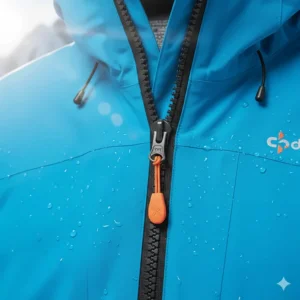
Traditional winter coats typically use water-resistant treatments—DWR coatings that make water bead up temporarily. These work fine for walking to your car but fail spectacularly when you’re sitting on a chairlift in a snowstorm for 30 minutes. Snow jacket waterproof systems use advanced membranes (Gore-Tex, H2No, DryVent) that create actual barriers preventing water molecules from penetrating while allowing vapor to escape.
Seam Sealing Makes the Difference
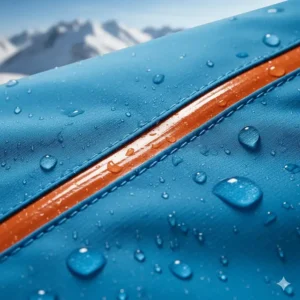
Your everyday winter coat has stitched seams that become water highways when wet. Quality waterproof snow jackets feature fully taped or sealed seams where waterproof tape covers every needle hole, eliminating weak points. This seemingly small detail separates jackets that keep you dry from those that merely delay the inevitable.
Feature-Rich for Mountain Life
Snow-specific jackets incorporate features foreign to regular winter wear: powder skirts prevent snow from entering during falls, pit zips provide instant temperature regulation, pass pockets hold your lift ticket, and helmet-compatible hoods accommodate your ski helmet. These aren’t gimmicks—they’re essential tools for serious mountain time.
Movement and Mobility
Try touching your toes in your regular winter coat—awkward, right? Snow jackets use articulated sleeves, gusseted underarms, and strategic stretch panels enabling full range of motion. Whether you’re navigating moguls or reaching across to help a friend, proper snow jackets move with you naturally.
Durability for Mountain Abuse
Traditional coats aren’t designed to withstand tree branches, ice-crusted chairlift bars, and repeated compression in backpacks. Snow jackets use tougher face fabrics measured in denier (typically 40D-100D+) and reinforced high-wear areas ensuring they survive seasons of mountain abuse.
Essential Features Every Quality Snow Jacket Should Have
Shopping for a waterproof snow jacket means navigating an alphabet soup of features and specifications. Some are marketing fluff, but others genuinely enhance your experience on the mountain. Here are the non-negotiables and nice-to-haves that separate exceptional jackets from mediocre ones.
Must-Have Features
Fully Taped Seams: Critical seams should be sealed with waterproof tape. Some budget jackets only tape “critical” seams—premium models tape everything. This is your primary defense against water intrusion.
Adjustable Hood: Your hood needs to fit over your helmet comfortably and stay put in wind. Look for multiple adjustment points (sides and back) and adequate volume for helmet compatibility.
Underarm Ventilation: Whether pit zips or mesh-backed vents, you need a way to dump heat quickly. Core vents prevent that overheated, clammy feeling on warm days or during intense activity.
Pass Pocket: Typically located on the left sleeve, this secure pocket holds your lift ticket or RFID pass for quick scanning without removing gloves.
Multiple Pockets: Internal and external pockets keep essentials organized and protected. Internal mesh dump pockets are perfect for wet goggles or skins.
Game-Changing Features
Powder Skirt: An elastic or snap-attachment skirt at the waist prevents snow from riding up during falls or deep pow days. Removable versions add versatility for spring skiing.
Recco Reflector: This avalanche rescue technology can be a lifesaver in the backcountry. It’s passive (no batteries required) and aids professional rescue teams in locating buried skiers.
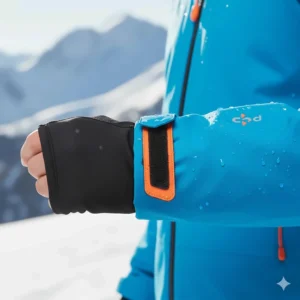
Cuff Adjustments: Velcro or snap cuffs seal around gloves preventing snow entry and cold air infiltration. Inner cuffs with thumbholes add extra coverage.
Articulated Elbows: Pre-bent sleeves follow your natural arm position reducing fabric bunching and enhancing comfort during repetitive motions like pole planting.
Storm Flap: A fabric flap behind the main zipper provides backup waterproofing and wind blocking—especially valuable on extended cold-weather missions.
Nice-to-Have Extras
Cord routing for headphones, goggle wipes, interior media pockets, and reflective details all add convenience without being essential. Consider your skiing style—backcountry skiers prioritize different features than resort riders.
How to Choose the Right Snow Jacket for Your Needs
1. Assess Your Skiing Style
Resort Riders: If you primarily ski groomed runs with lodge breaks, prioritize insulated jackets (100-200g synthetic or down) with 10K waterproofing minimum. Features like large pockets and comfortable fit matter more than ultralight construction.
Backcountry Enthusiasts: Shell jackets (uninsulated) with 15K+ waterproofing offer the most versatility for variable-output activities. Look for excellent breathability (15K+), packability, and articulated cuts for climbing mobility.
All-Mountain Explorers: A lightly insulated shell (40-100g) or quality 3-in-1 system handles diverse conditions. Prioritize proven waterproofing technology and versatile features.
2. Consider Your Local Climate
Pacific Northwest (Wet, Heavy Snow): Demand top-tier waterproofing (15K+) with excellent DWR treatments. Gore-Tex or similar proven membranes are worth the investment here.
Rocky Mountain Resorts (Dry, Cold): Lighter waterproofing (10K) works fine, but prioritize warmth and insulation. Breathability matters less in consistently dry, cold conditions.
East Coast Conditions (Variable, Icy): Versatile jackets handling everything from freezing rain to sunny days serve best. Look for adjustable ventilation and reliable mid-range waterproofing (10-15K).
3. Match Budget to Use Frequency
Weekend Warriors (5-15 days/year): Budget-friendly options ($100-$250) from Columbia, REI Co-op, or GEMYSE provide adequate protection without overspending. Focus on proven waterproofing over fancy features.
Regular Riders (15-40 days/year): Mid-range jackets ($250-$500) from Flylow, Patagonia, or The North Face offer better durability and performance. These withstand multiple seasons of regular use.
Dedicated Skiers (40+ days/year): Premium shells ($500-$800+) from Arc’teryx, Patagonia, or Norrøna justify their cost through superior materials, construction, and longevity. Calculate cost-per-wear over 5+ seasons.
4. Understand Layering vs. Insulated Jackets
Shell Jackets (No Insulation): Maximum versatility allowing custom layering. Perfect for varying conditions and high-output activities. Requires owning quality mid-layers.
Lightly Insulated (40-100g): Sweetspot for many skiers—enough warmth for cold days with a base layer, not too hot for spring skiing.
Heavily Insulated (100-200g+): Simplified layering but less adaptable. Best for consistently frigid conditions or those who prefer minimal layering complexity.
5. Fit and Sizing Considerations
Layering Room: Ensure enough space for a midlayer without restriction. Try jackets while wearing your typical base and mid-layers.
Sleeve Length: Sleeves should cover your wrists even when arms are extended—crucial for preventing snow entry.
Torso Length: Adequate coverage when bending or reaching prevents gaps. Too long creates unnecessary bulk and catches on chairlifts.
Mobility Test: Can you comfortably touch your toes, reach across your body, and lift arms overhead? If not, size up or try a different cut.
Maintenance Tips to Extend Your Jacket’s Life
Your waterproof snow jacket represents a significant investment. Proper care ensures it performs optimally for years, potentially decades. Here’s how to maintain that fresh-off-the-rack performance.
Washing Your Waterproof Jacket
When to Wash: Clean your jacket 2-3 times per season or when you notice water no longer beads on the surface. Dirt and body oils compromise both waterproofing and breathability.
How to Wash:
- Close all zippers and fasten all Velcro
- Use technical fabric detergent (Nikwax Tech Wash, Grangers Performance Wash)
- Wash on gentle cycle with warm water
- Skip the spin cycle or use lowest setting
- Never use regular detergent, fabric softener, or bleach
Drying: Tumble dry on low heat or hang dry completely. Heat actually reactivates DWR treatments, so a quick tumble after air-drying helps restore water repellency.
Restoring DWR Treatment
Over time, even with proper washing, the Durable Water Repellent treatment wears off. When water soaks into your jacket’s face fabric instead of beading up, it’s time for retreatment.
Application Steps:
- Clean jacket thoroughly first (dirty fabric won’t accept new DWR)
- Apply spray-on or wash-in DWR treatment (Nikwax TX.Direct, Grangers)
- Follow product instructions carefully
- Heat-activate by tumble drying low or carefully ironing (no steam) with a towel barrier
Storage Between Seasons
Don’t: Store your jacket compressed in a stuff sack or bin
Do: Hang in a cool, dry place away from direct sunlight
Pro Tip: Ensure jacket is completely clean and dry before storage to prevent mildew
Field Repairs
Minor damage doesn’t mean retiring your jacket. Tenacious Tape or similar repair patches fix small tears and holes effectively. For major damage to waterproof membranes, consider professional repair services—many manufacturers offer this.
Professional Cleaning
For stubborn stains or if you’re uncomfortable washing technical fabrics, professional gear cleaners understand waterproof membranes and use appropriate products. This costs $25-$50 but provides peace of mind.
Benefits vs. Traditional Alternatives Comparison
| Feature | Waterproof Snow Jacket | Regular Winter Coat | Rain Jacket |
|---|---|---|---|
| Waterproof Rating | 10K-28K mm | 1-5K mm (if any) | 5-15K mm |
| Breathability | High (10K-30K g) | Low to None | Moderate (5-20K g) |
| Insulation | Variable (0-200g) | Heavy, fixed | None |
| Weight | 1.5-3.5 lbs | 3-6 lbs | 0.5-1.5 lbs |
| Packability | Moderate | Poor | Excellent |
| Durability | High (reinforced) | Moderate | Low to Moderate |
| Price Range | $80-$825 | $50-$400 | $50-$300 |
| Best Use | Winter sports, extreme weather | Urban winter, casual outdoor | Light rain, spring/fall |
Price Range & Value Analysis
| Price Tier | Example Jackets | What You Get | Best For |
|---|---|---|---|
| Budget ($80-$200) | GEMYSE, Columbia Alpine Action II, REI Powderbound | 10K waterproofing, basic features, synthetic insulation | Beginners, occasional skiers, budget-conscious riders |
| Mid-Range ($200-$500) | Flylow Malone, Patagonia Powder Town, North Face shells | 15K+ waterproofing, advanced features, better fabrics | Regular riders, all-mountain skiers, quality seekers |
| Premium ($500-$825+) | Arc’teryx Sabre, high-end Patagonia, Norrøna | 20K+ Gore-Tex, exceptional durability, pro features | Dedicated skiers, harsh conditions, lifetime investment |
Frequently Asked Questions
❓ How often should I wash my waterproof snow jacket?
❓ Can I use a waterproof snow jacket for everyday winter wear?
❓ What's the difference between 2-layer and 3-layer construction?
❓ Is Gore-Tex worth the extra cost for a snow jacket?
❓ How do I know when it's time to replace my snow jacket?
Conclusion: Making Your Investment Count
Choosing the perfect waterproof snow jacket isn’t about finding the most expensive option—it’s about matching features, protection, and budget to your specific needs. Whether you’re investing in the bomber Arc’teryx Sabre for serious mountain time or maximizing value with the Columbia Alpine Action II for weekend resort trips, the key is understanding what you actually need versus what’s marketed as essential.
The seven jackets featured in this guide represent the cream of the crop across all price points. From the budget-friendly GEMYSE proving you don’t need to spend a fortune to stay dry, to the versatile Patagonia Powder Town offering three jackets in one, to the premium Arc’teryx Sabre setting the standard for technical excellence—there’s a perfect match for every skier.
Remember: the best waterproof snow jacket is the one you’ll actually wear consistently because it fits well, suits your skiing style, and handles the conditions you encounter most often. Don’t get caught up in chasing the highest numbers or fanciest features unless they genuinely enhance your experience. A properly maintained mid-range jacket will outperform a neglected premium model every time.
Before making your final decision, consider your local climate, skiing frequency, and budget realistically. Try jackets on with your typical layers, move around vigorously, and don’t compromise on fit. Your jacket is your mountain companion for potentially hundreds of days—choose wisely, care for it properly, and it’ll repay your investment many times over.
Now get out there and enjoy the snow knowing you’re protected by proven gear that actually works. The mountain is calling, and you’re ready to answer—rain, snow, or shine.
Recommended for You
- 7 Best Womens Snowmobile Jacket Picks 2025 | Expert Tested
- 7 Best Mens Snowmobile Jackets 2025: Expert Guide
- Polaris Snowmobile Jackets: 7 Best Models for 2025
Disclaimer: This article contains affiliate links. If you purchase products through these links, we may earn a small commission at no additional cost to you.
✨ Found this helpful? Share it with your friends! 💬🤗
