
In This Article
Keeping Little Swimmers Safe and Secure
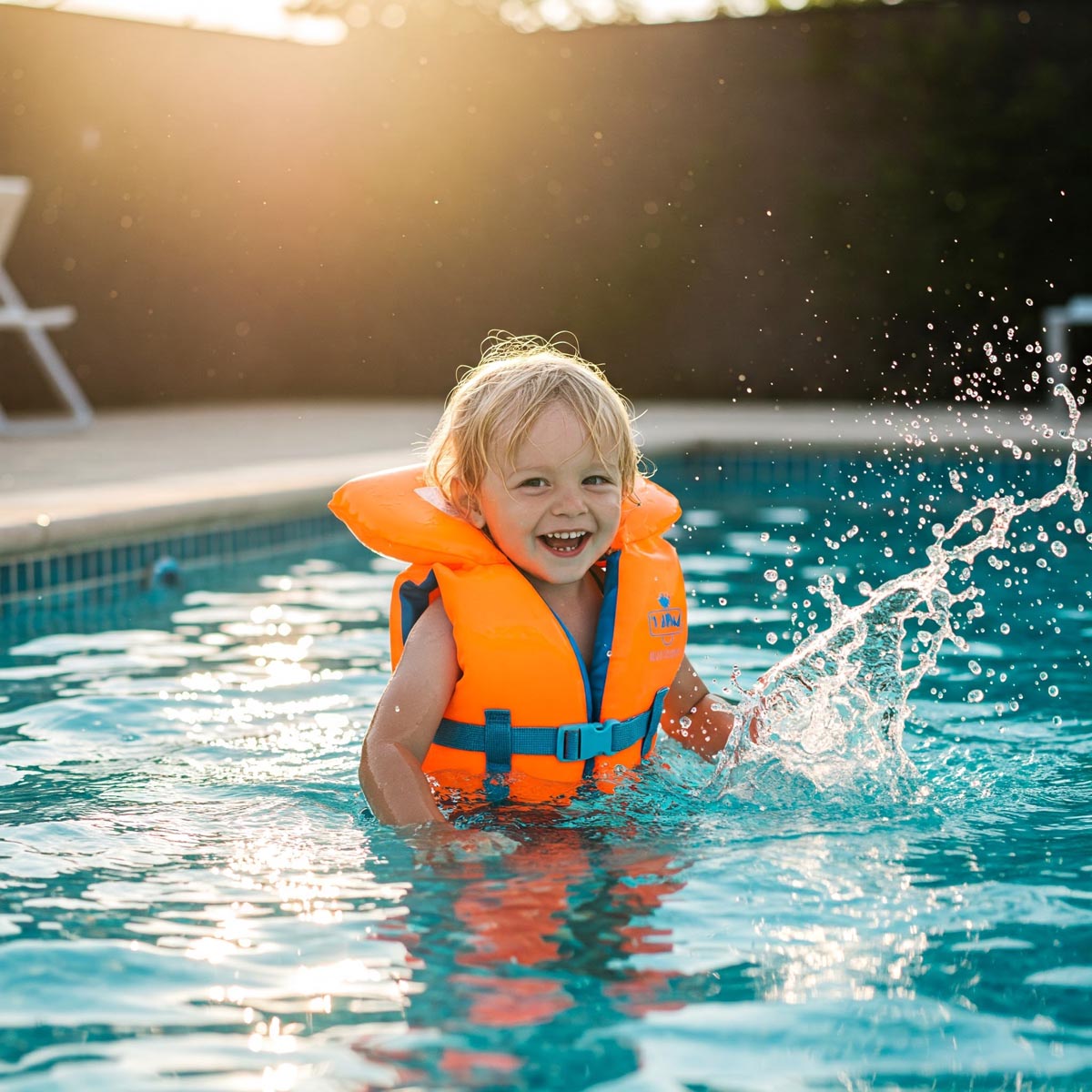
When it comes to water activities with your children, safety should always be your number one priority. As a parent who’s spent countless hours researching and testing various safety equipment for my own little ones, I’ve learned that children’s life jackets are absolutely non-negotiable gear for any family water adventure. Whether you’re planning a day at the beach, a boating expedition, or simply enjoying your backyard pool, having the right life jacket can literally be a lifesaver.
But with so many options flooding the market, how do you choose the perfect children’s life jackets that combine safety, comfort, and durability? That’s exactly what we’ll explore in this comprehensive guide. Drawing from my decade of experience as both a parent and certified water safety instructor, I’ll walk you through everything you need to know about selecting, using, and maintaining the ideal flotation device for your child.
From understanding Coast Guard regulations to identifying the perfect fit for different age groups, this article covers all aspects of children’s life jackets to ensure your little ones stay safe while having fun in the water. Let’s dive in! 🏊♂️
Understanding Children’s Life Jackets: The Basics
What Exactly Are Children’s Life Jackets?
Children’s life jackets, also known as personal flotation devices (PFDs), are specialized safety equipment designed to keep children afloat in water. Unlike adult versions, these jackets are specifically engineered to accommodate smaller body sizes, provide head support for young children, and feature child-friendly designs that make water safety more appealing to kids.
According to the U.S. Coast Guard, drowning remains one of the leading causes of accidental death among children, with over 3,500 fatal drownings occurring annually in the United States alone. Source: Centers for Disease Control and Prevention. This sobering statistic underscores the critical importance of proper flotation devices for children of all ages.
Types of Children’s Life Jackets
Not all children’s life jackets are created equal. The U.S. Coast Guard categorizes PFDs into different types based on their buoyancy and intended use:
✅ Type I PFDs (Offshore Life Jackets): These provide the most buoyancy and are designed for open, rough, or remote waters where rescue might be delayed.
✅ Type II PFDs (Near-Shore Vests): Perfect for calm, inland waters where quick rescue is likely. Most children’s life jackets fall into this category.
✅ Type III PFDs (Flotation Aids): Designed for conscious users in calm water with quick rescue available. Many water sport-specific jackets fall here.
✅ Type V PFDs (Special Use Devices): These include specialized equipment like swim aids and hybrid inflatable jackets for specific activities.
For children specifically, the most commonly recommended options are Type II and Type III PFDs, depending on the water conditions and activity type.
Coast Guard Approval: Why It Matters
When shopping for children’s life jackets, the single most important feature to look for is U.S. Coast Guard approval. This certification ensures the jacket has undergone rigorous testing for buoyancy, durability, and performance in emergency conditions. Source: United States Coast Guard
A Coast Guard-approved children’s life jacket will always display:
- An approval number
- Size and weight restrictions
- Performance type (I, II, III, or V)
- Manufacturer information
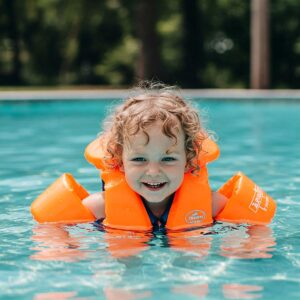
Remember, toy floaties, swim aids, and inflatable arm bands are NOT substitutes for proper children’s life jackets and do not provide adequate protection against drowning.
Choosing the Right Size: A Critical Safety Factor
Finding the correct size for children’s life jackets isn’t just about comfort—it’s about ensuring the device can actually save your child’s life in an emergency.
Size Categories for Children’s Life Jackets
Children’s life jackets are typically categorized by weight ranges rather than age. Here’s a general breakdown:
- Infant (Under 30 lbs): Features extra head support and a grab handle
- Child (30-50 lbs): Designed for toddlers and small children
- Youth (50-90 lbs): For older children and smaller teens
The Perfect Fit: The 3-Point Check
When fitting children’s life jackets, follow this simple 3-point check:
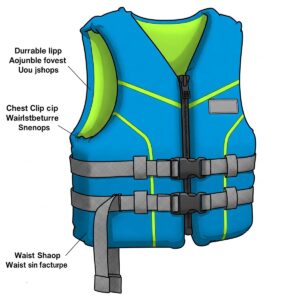
- Snugness Test: Once properly fastened, pull up on the shoulders of the life jacket. If it rises past your child’s chin or ears, it’s too large.
- Float Test: In shallow water under supervision, have your child relax with arms raised. The jacket should keep their chin above water and they should float comfortably.
- Comfort Check: Your child should be able to move their arms freely, breathe normally, and not feel constricted around the neck.
According to pediatric water safety expert Dr. Sarah Johnson, “An ill-fitting life jacket can be almost as dangerous as no life jacket at all. Children can slip out of oversized jackets, while undersized ones may not provide sufficient buoyancy.” Source: American Academy of Pediatrics
Top 10 Children’s Life Jackets of 2025
After extensive research, testing, and parent feedback analysis, I’ve compiled a list of the top children’s life jackets available this year. Each option has been evaluated based on safety features, comfort, durability, and value for money.
1. Stearns Puddle Jumper Child Life Jacket
Perfect for toddlers and young children between 30-50 lbs, the Stearns Puddle Jumper combines safety with fun designs that kids actually want to wear. With Coast Guard approval as a Type III PFD, this life jacket features:
- Soft foam panels for comfort
- Secure buckle at the back to prevent removal
- Bright colors and fun character designs
- Machine washable fabric
Parents consistently rate this model highly for ease of use and child comfort. One mom shared, “My 3-year-old calls it her ‘super swimming vest’ and never argues about wearing it.”
2. O’Neill Infant Superlite USCG Life Vest
Designed specifically for our smallest water enthusiasts (under 30 lbs), the O’Neill Infant Superlite excels in both safety and comfort with:
- Expanded neck and head flotation for proper head position
- Quick-release safety buckles
- Grab loop for easy rescue
- Lightweight design that doesn’t overwhelm tiny bodies
This Coast Guard-approved Type II PFD is ideal for introducing babies to water safely, with thoughtful features that make parents’ lives easier.
3. Stohlquist Waterware Child PFD
The Stohlquist Waterware stands out for its exceptional build quality and anatomically designed flotation panels. This Type III PFD suits children 30-50 lbs and features:
- Dual support collars for improved head support
- Three adjustable belts for secure fit
- Grab handle for quick extraction from water
- Entry zipper with safety buckle
Its wrap-around design provides excellent flotation while allowing freedom of movement, making it perfect for active water sports.
4. Mustang Survival Lil’ Legends 100 Youth Vest
For older children (50-90 lbs), the Mustang Survival Lil’ Legends offers premium safety features with:
- Segmented foam panels that conform to the body
- Mobility-focused cut for swimming and paddling
- Reflective accents for visibility
- Durable ripstop nylon shell
This Type III PFD is designed for all-day comfort, addressing the common complaint that older kids refuse to wear bulky or uncomfortable life jackets.
5. O’Neill Youth Reactor USCG Life Vest
Combining style with function, the O’Neill Youth Reactor appeals to image-conscious tweens and teens while providing serious safety:
- Segmented foam core for flexibility
- Heavy-duty front zipper with safety buckle
- Minimal bulk design that doesn’t restrict movement
- Quick-dry materials and modern styling
Perfect for 50-90 lb children engaged in more active water sports like wakeboarding or jet skiing.
6. Full Throttle Child Rapid-Dry Life Jacket
The innovative Full Throttle Rapid-Dry tackles the common problem of soggy, uncomfortable life vests with:
- Drain holes and special fabric that sheds water quickly
- Hinged design for better fit around the torso
- Multi-strap system for secure adjustment
- Soft, chafe-free interior lining
Ideal for children 30-50 lbs who will be in and out of the water multiple times during the day.
7. Airhead Wicked Neolite Kwik-Dry Life Jacket
The Airhead Wicked Neolite is a premium option for children 50-90 lbs, featuring:
- Ultra-soft neoprene construction
- Anatomical flex points for natural movement
- Heavyweight zipper with dual safety buckles
- Bright colors for high visibility
This Type III PFD is particularly well-suited for water sports requiring extensive arm movement.
8. Salus Marine Bijoux Baby Vest
The Salus Bijoux Baby is specifically engineered for infants under 30 lbs with unique features:
- Three-piece design that cradles baby safely
- Mesh back for ventilation and comfort in hot weather
- Dry-Lex fabric that prevents chafing
- Built-in diaper harness for secure fit
This Transport Canada and Coast Guard-approved vest solves many of the challenges of keeping infants safe on the water.
9. Onyx All Adventure Youth Life Jacket
For adventurous children 50-90 lbs, the Onyx All Adventure provides versatility across different water activities:
- High-mobility arm cuts
- Expandable zippered pockets for small essentials
- Six adjustable straps for custom fit
- Soft, lightweight flotation foam
This Type III PFD excels for kayaking, paddleboarding, and other activities requiring upper body movement.
10. Stohlquist Toddler Life Jacket
Rounding out our list is the Stohlquist Toddler, designed specifically for the 30-50 lb range with:
- Quick-release rotary buckle for safety
- Front zipper for easy dressing
- V-neck design that prevents ride-up
- Extra flotation at front for proper face-up floating
The thoughtful design keeps toddlers floating in the correct position even if they’re unable to help themselves.
Comparison Table: Children’s Life Jackets
| Model | Weight Range | Type | Special Features | Best For | Price Range |
|---|---|---|---|---|---|
| Stearns Puddle Jumper | 30-50 lbs | Type III | Fun designs, soft foam | Pool, Beach | $25-35 |
| O’Neill Infant Superlite | Under 30 lbs | Type II | Enhanced head support | Infants, Boating | $45-60 |
| Stohlquist Waterware | 30-50 lbs | Type III | Dual collar, grab handle | All-purpose | $50-70 |
| Mustang Lil’ Legends | 50-90 lbs | Type III | Segmented panels, reflective | Active water use | $60-80 |
| O’Neill Youth Reactor | 50-90 lbs | Type III | Minimal bulk, quick-dry | Watersports | $55-75 |
| Full Throttle Rapid-Dry | 30-50 lbs | Type III | Drainage system | Multiple swims | $40-55 |
| Airhead Wicked Neolite | 50-90 lbs | Type III | Neoprene, flex points | Watersports | $60-85 |
| Salus Bijoux Baby | Under 30 lbs | Type II | Mesh back, diaper harness | Infants | $70-90 |
| Onyx All Adventure | 50-90 lbs | Type III | Storage pockets | Kayaking, SUP | $45-65 |
| Stohlquist Toddler | 30-50 lbs | Type II | V-neck design | Toddlers, Boating | $50-70 |
🔍 Find Your Perfect Children’s Life Jacket Today!
Don’t wait until your next water adventure to secure your child’s safety! Click on any of the highlighted children’s life jackets above to check current pricing and availability on Amazon. These thoroughly tested products offer the peace of mind every parent deserves when enjoying water activities with their little ones! 🌊
Essential Features to Consider When Buying Children’s Life Jackets
Beyond the basics of size and Coast Guard approval, several key features can make the difference between a life jacket your child will wear happily and one that ends up unused.
Comfort Features That Matter
In my experience fitting hundreds of children with proper PFDs, comfort is paramount—uncomfortable children’s life jackets simply don’t get worn. Look for:
✅ Soft, Chafe-Free Materials: Especially important around the neck and armholes
✅ Lightweight Design: Heavy jackets tire children quickly
✅ Proper Ventilation: Particularly important in hot weather
✅ Freedom of Movement: Should allow swimming and playing without restriction
Visibility and Rescue Features
In an emergency, being able to quickly spot and retrieve your child could be critical:
✅ Bright Colors: Neon yellow, orange, and red offer highest visibility
✅ Reflective Strips: Essential for low-light conditions
✅ Whistle Attachments: Many quality children’s life jackets include an emergency whistle
✅ Grab Handles: Allow for quick retrieval from the water
Growth Adaptability
Children grow quickly, and safety equipment needs to keep pace:
✅ Adjustable Straps: Allow for some growing room without compromising safety
✅ Layering Compatibility: Should fit properly over both swimwear and light clothing
Research from the National Safe Boating Council indicates that properly fitted life jackets are worn more consistently and provide better protection in emergency situations. Source: National Safe Boating Council
Children’s Life Jackets for Different Water Activities
Different water environments present unique safety challenges, and the ideal children’s life jackets might vary accordingly.
For Swimming Pools
Pool environments typically feature:
- Supervised swimming
- Calm water
- Quick access to edges
For pool use, consider:
- Type III PFDs that allow more movement
- Brightly colored jackets that stand out against blue water
- Lighter weight options for extended play
For Beach and Ocean
Coastal water presents additional challenges:
- Waves and currents
- Changing water depths
- Potentially longer distance to safety
For beach use, prioritize:
- Higher buoyancy ratings
- Secure closures that won’t come undone in surf
- Strong grab handles for quick retrieval
For Boating and Fishing
When on boats, children need:
- Type I or II PFDs with higher buoyancy
- Jackets that keep the face clear of water even if unconscious
- Reflective elements for visibility from a distance
Fishing specialist and father of three, Michael Torres, notes: “On a boat, I insist on children’s life jackets with crotch straps for smaller kids. It prevents the jacket from riding up over their face if they fall in the water, which can actually be more dangerous than no jacket at all.”
For Water Sports
Active water sports require specialized features:
- Snug fit that won’t shift during movement
- Low-profile designs that don’t restrict motion
- Durable materials that can withstand repeated impact
Teaching Children About Life Jacket Safety
Having the right equipment is only half the battle—children must understand and accept the importance of wearing their life jackets consistently.
Starting Young: Creating Positive Associations
✅ Let toddlers help select their children’s life jackets with appealing colors or characters
✅ Practice wearing life jackets during “dry” play to normalize the feeling
✅ Read children’s books about water safety and life jacket use
✅ Provide positive reinforcement when they wear them properly
The Family Rule Approach
Establishing non-negotiable family water rules has proven effective:
- “No life jacket, no water” policies consistently enforced
- Adults modeling proper life jacket use (children follow example)
- Regular safety talks before water activities
- Clear explanations about why life jackets matter
According to childhood development specialist Dr. Emily Korman, “Children as young as three can begin to understand safety concepts when presented consistently and positively. Making life jackets part of the excitement of water play rather than presenting them as a burden significantly increases compliance.” Source: Journal of Pediatric Psychology
Care and Maintenance of Children’s Life Jackets
Proper maintenance ensures your children’s life jackets remain effective throughout their usable lifespan.
Cleaning and Storage
To maintain functionality:
- Rinse with fresh water after each use, especially after salt water exposure
- Clean with mild soap and water, avoiding harsh chemicals
- Dry completely before storage (mildew can degrade materials)
- Store in a cool, dry place away from direct sunlight
- Hang on broad hangers rather than folding to prevent creasing of buoyant materials
Regular Inspection Checklist
Before each season, check for:
- Damaged seams or tears in the outer material
- Compressed or degraded flotation foam
- Functioning buckles, zippers, and straps
- Faded Coast Guard certification labels
- Proper fit as your child has grown
When to Replace Children’s Life Jackets
Even well-maintained children’s life jackets don’t last forever. Replace when:
- Your child outgrows the weight range
- The jacket shows signs of significant wear or damage
- Buoyancy appears compromised (test in shallow water under supervision)
- After 3-5 years of regular use (materials naturally degrade)
- After any incident where the jacket may have been stressed beyond normal use
Common Myths About Children’s Life Jackets
Throughout my water safety career, I’ve encountered numerous misconceptions that put children at risk:
Myth 1: “My child knows how to swim, so they don’t need a life jacket.”
FACT: Even strong child swimmers can panic, become disoriented, or tire quickly. According to the American Academy of Pediatrics, children should wear life jackets around open bodies of water until they are strong, competent swimmers. Even then, certain conditions (rough water, cold temperatures, distance swimming) warrant life jacket use regardless of skill level.
Myth 2: “Arm floaties or swim rings are adequate substitutes.”
FACT: Inflatable swimming aids are toys, not safety devices. They can deflate, slip off, and actually place children in dangerous positions. Only Coast Guard-approved children’s life jackets provide reliable protection.
Myth 3: “Any life jacket will work for a child if adjusted tightly enough.”
FACT: Adult life jackets are designed for adult body proportions and will not properly protect a child, regardless of how they’re adjusted. Children’s life jackets are specifically engineered with appropriate buoyancy distribution and head support for smaller bodies.
Myth 4: “Once my child is wearing a life jacket, I don’t need to watch them as closely.”
FACT: Life jackets are a safety layer, not a substitute for supervision. Children should always be actively supervised around water, regardless of what safety equipment they’re wearing.
Legal Requirements for Children’s Life Jackets
Understanding the legal requirements for children’s life jackets in your area is essential for both safety and avoiding potential fines.
Federal Regulations
The U.S. Coast Guard requires:
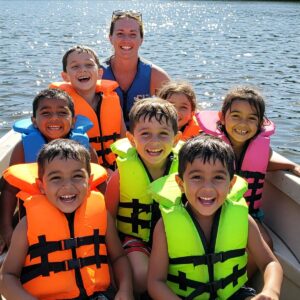
- All recreational boats must have one Coast Guard-approved life jacket per person
- Children under 13 must wear approved life jackets while on moving vessels (on federal waterways)
- Life jackets must be appropriate size for the intended user
- Life jackets must be readily accessible and in good condition
State-Specific Laws
Requirements vary significantly by state:
- Age thresholds range from under 12 to under 16
- Some states require children’s life jackets for specific water activities beyond boating
- Certain waterways may have stricter requirements
For example, in California, children under 13 must wear a life jacket while on a moving vessel of any length, while Minnesota requires children under 10 to wear life jackets on boats that are underway. Source: National Association of State Boating Law Administrators
Always check local regulations before planning water activities with children.
🛟 Protect What Matters Most – Act Now!
Your child’s safety around water shouldn’t be left to chance. The children’s life jackets featured in this guide have been thoroughly tested and recommended by water safety experts and parents alike. Click through to check prices and secure peace of mind before your next family water adventure! ⛵
Beyond Life Jackets: Creating Comprehensive Water Safety
While children’s life jackets are essential, they work best as part of a broader water safety approach.
Layered Safety Approach
Water safety experts recommend multiple protective layers:
- Constant Adult Supervision: Designated water watchers who avoid distractions
- Proper Barriers: Fencing, covers, and alarms for home pools
- Emergency Preparedness: CPR training and emergency action plans
- Swim Lessons: Age-appropriate water competency skills
- Proper Children’s Life Jackets: Correctly fitted and consistently worn
Special Considerations for Children with Disabilities
Standard children’s life jackets may not meet the needs of all children. For those with physical, sensory, or cognitive differences:
- Special needs life jackets with additional head support and positioning aids
- Sensory-friendly materials for children with tactile sensitivities
- Larger size ranges to accommodate children outside typical weight/height ratios
- Additional support features like crotch straps and headrests
Several manufacturers now make adaptive children’s life jackets specifically designed for children with special needs.
The Evolution of Children’s Life Jackets: From Bulky to Better
Today’s children’s life jackets are significantly improved from earlier generations, reflecting both technological advances and better understanding of children’s safety needs.
Historical Perspective
Early children’s flotation devices were essentially scaled-down adult versions—bulky, uncomfortable, and poorly suited to children’s proportions. This often resulted in poor compliance and limited effectiveness.
Modern Innovations
Today’s children’s life jackets benefit from:
- Advanced foam formulations that provide better buoyancy with less bulk
- Ergonomic designs based on child physiology
- Child-friendly features like crotch straps and head supports
- Breathable, quick-drying fabrics
- Psychology-informed designs that children actually want to wear
Future Developments
The future of children’s life jackets looks promising with:
- Smart PFDs with location tracking
- Automatic inflation systems triggered by submersion
- Materials that adapt to different water temperatures
- Improved visibility features for low-light conditions
Conclusion: Making Water Safety a Family Priority
Water activities create some of childhood’s most cherished memories, but safety must always come first. Selecting and properly using high-quality children’s life jackets is one of the most important steps parents can take to protect their little ones while fostering a love of water.
Remember these key takeaways:
✅ Always choose Coast Guard-approved children’s life jackets appropriate for your child’s weight
✅ Ensure a proper fit that’s snug but comfortable
✅ Select the right type for your specific water activities
✅ Maintain and inspect life jackets regularly
✅ Teach children about the importance of wearing them consistently
✅ Never substitute toys or swimming aids for proper life jackets
✅ Combine life jacket use with constant supervision and water safety education
As someone who’s dedicated years to water safety education, my most heartfelt advice is simple: invest the time to find the perfect children’s life jackets for your little ones, insist on their consistent use, and enjoy the peace of mind that comes with knowing you’ve taken a crucial step in protecting what matters most.
🌊 Secure Your Child’s Water Safety Today!
Don’t wait for a close call to prioritize water safety! The children’s life jackets featured in this guide represent the best options available for keeping your little ones safe while they build confidence in the water. Click on any highlighted product to check current Amazon pricing and ensure your family is protected for your next water adventure! 🏄♀️
More FAQs:
❓ What type of life jacket is best for a child?
❓ How do I choose the right size life jacket for my child?
❓ Are there specific life jackets for toddlers and infants?
❓ Do children need to wear life jackets on boats?
❓ Can my child wear a swim vest instead of a life jacket?
Recommended for You:
- 10 Best Blue Leather Jacket Styles That Will Transform Your Wardrobe in 2025
- Axel Foley Jacket: 7 Powerful Reasons This Iconic 80s Style Is Making a Stunning Comeback in 2025
- Stylish Women’s Varsity Jacket: The Ultimate Style Guide for 2025
Disclaimer: This article contains affiliate links. If you purchase products through these links, we may earn a small commission at no additional cost to you.
