

In This Article
There’s a reason your dad had one, your uncle had one, and somewhere in a closet right now there’s a denim jacket that’s outlived three haircuts and two questionable relationships. A classic denim jacket men reach for isn’t a trend — it’s closer to a piece of furniture you wear. It shows up, does its job, and gets better looking the more you beat it up.
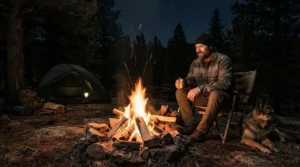
That said, “classic” gets thrown around a lot in menswear marketing, and it doesn’t always mean much. So let’s nail it down. A classic denim jacket for men is a cotton-denim outer layer, typically hip-length, with a point collar, chest flap pockets, and either metal buttons or snaps — a silhouette that traces directly back to Levi’s original workwear jackets from the early 20th century. If it looks like something a rail worker or a rock star could wear without irony, that’s the shape we’re talking about.
This guide breaks down seven real jackets — from a $40 weekend option to a Ralph Lauren splurge — with honest analysis of what each one gets right, who it fits, and where the money actually goes. We’ll also dig into the details nobody explains on the product page: why some jackets snap instead of button, what “indigo” really means for how your jacket fades, and how the traditional trucker denim jacket differs from the slimmer stuff you’ll find at fast-fashion retailers. Levi Strauss & Co. has documented the jacket’s own evolution in detail, and it’s worth a read if you want the full backstory before you buy.
Quick Comparison Table
| Jacket | Price Range | Denim Weight | Best For |
|---|---|---|---|
| Levi’s Trucker Jacket (Type III) | $90-$120 | Mid-weight | The original silhouette, everyday wear |
| Amazon Essentials Rigid Denim Jacket | $35-$50 | Mid-weight rigid | Tightest budget, first jacket |
| Wrangler Western Sherpa Denim Jacket | $70-$90 | Mid-weight | Cold mornings, ranch-to-town style |
| Naked & Famous Selvedge Denim Jacket | $220-$280 | 13.75oz selvedge | Raw denim fans who like visible craft |
| Carhartt WIP OG Detroit Jacket | $220-$280 | Heavyweight | Boxy workwear look, cold-weather layering |
| Lee 101 Rider Jacket | $350-$450 | 11.75-14.75oz selvedge | Heritage Japanese construction |
| RRL Leeland Wash Trucker Jacket | $600-$700 | 12.75oz selvedge | Top-shelf indigo, lifetime piece |
Looking at the spread, there’s a real gap between “good enough” and “built to be handed down,” and it mostly comes down to denim weight and where the jacket is actually sewn. The Amazon Essentials Rigid Denim Jacket and Levi’s Trucker Jacket cover the basics for under $120 combined, while the Lee 101 Rider Jacket and RRL Leeland Wash Trucker Jacket justify their price with heavier, mill-specific Japanese denim that ages in ways cheaper cotton simply can’t replicate. If you’re buying your first one, start in the middle of the table — you don’t need to spend $600 to figure out if you even like wearing a denim jacket.
💬 Already have a favorite on this list? A quick share helps other guys shopping for the same thing.
Top 7 Classic Denim Jackets for Men: Expert Analysis
1. Levi’s Trucker Jacket (Type III) — the blueprint every other jacket copies
The Levi’s Trucker Jacket is, quite literally, where the term “trucker jacket” came from — collectors in the Japanese vintage market coined the name for this exact silhouette back in the 1980s. It’s built with a point collar, tapered V-stitching across the chest, and a standard fit that’s slim enough to layer under a coat but roomy enough over a hoodie.
On paper it’s simple: 100% cotton denim, metal shank buttons, two chest flap pockets, two hand pockets, and (on later versions) interior utility pockets added for a bit more function. What that means in practice is a jacket that doesn’t fight your movement — the standard fit gives you shoulder room without turning into a tent, which is more than you can say for a lot of “classic fit” jackets that just mean “boxy.” Based on the spec comparison with everything else on this list, this is the jacket that most closely matches the original trucker jacket silhouette without any modern reinterpretation.
Buyers consistently describe the fit as true to size, with the standard cut running comfortably roomy rather than tight — good news if you plan on wearing a flannel underneath come fall. A recurring theme in owner feedback is that sizing up slightly gives a better “worn-in” drape from day one, since raw denim jackets tend to feel stiff before they’ve broken in.
Pros:
- ✅ True-to-original silhouette with the iconic V-stitch detail
- ✅ Standard fit layers well over hoodies and under coats
- ✅ Widely available in dozens of washes and fits
Cons:
- ❌ Base version made overseas, not the heavier Japan-made line
- ❌ Metal buttons can feel cold and stiff before break-in
Retail typically runs in the $90-$120 range, though resale and outlet pricing can bring it well under $90 — always check current pricing since Levi’s runs frequent promotions. For the money, it’s hard to argue with owning the actual template everyone else is riffing on.

2. Amazon Essentials Rigid Denim Jacket — proof a budget denim jacket doesn’t have to look cheap
Let’s be honest about what this jacket is: an unpretentious, rigid (unwashed) denim jacket in a relaxed fit, built to look like a workwear staple without workwear pricing. It comes in a couple of core washes — vintage blue and rinse — and skips fancy branding in favor of just… being a denim jacket.
The rigid denim means it starts stiff, like most raw cotton jackets do, and softens with wear. What most buyers overlook about a jacket at this price is that “rigid” isn’t a downside — it’s actually closer to how heritage brands construct their raw denim, just without the $300 price tag. The relaxed fit is generous through the shoulders and body, which makes it forgiving if you’re layering or if your size runs between options.
Here’s what the spec sheet won’t tell you, but the value math will: at this price point, you’re not paying for Japanese mills or hand-finishing, you’re paying for a straightforward cotton jacket that does the job. Reviewers who buy it as a first denim jacket or a beater-for-yardwork option tend to be satisfied with the fit and durability relative to the cost, though the hardware and stitching won’t hold up to decades of hard wear the way a heritage piece will.
Pros:
- ✅ Genuinely low price point, often under $50
- ✅ Relaxed fit works for layering in cooler months
- ✅ Simple design fits into almost any casual wardrobe
Cons:
- ❌ Lighter-duty construction than heritage brands
- ❌ Fewer wash and colorway options than competitors
Typical retail sits around $35-$50, and it occasionally drops into deep discount territory during sales events — worth watching if you’re patient. For a first jacket or a low-stakes daily layer, it earns its spot on this list.
3. Wrangler Western Sherpa Denim Jacket — most rugged option for genuinely cold mornings
Wrangler built its name on Western wear, and it shows: this jacket leans into a stonewashed look that reads more “ranch” than “rock club,” with metal snap buttons instead of a button placket and a soft sherpa or blanket-fleece lining running through the arms and body.
What that lining changes in practice is real warmth — this isn’t a summer-evening layer, it’s the jacket you throw on for chores at 6 a.m. when it’s actually cold outside. The snap closures matter here too, since snaps let you get the jacket on and off one-handed, which is exactly the kind of detail that matters more on a ranch than in a coffee shop. Reviewers consistently note the fit runs true to size with room to layer, and several call out the option to size up for taller builds.
Based on the spec comparison, this is the jacket on the list built least for fashion and most for function — which, depending on your lifestyle, might be exactly the point. A common thread in aggregated feedback is praise for the warmth-to-weight balance and functional pocket layout, including an interior pocket that most budget jackets skip.
Pros:
- ✅ Sherpa/fleece lining adds real cold-weather warmth
- ✅ Snap closures are quick and durable over time
- ✅ Classic Western-cut styling with adjustable waist tabs
Cons:
- ❌ Bulkier fit than slimmer trucker-style jackets
- ❌ Less versatile for warm-weather or dressier looks
Expect to pay in the $70-$90 range at full retail, with frequent markdowns on secondary marketplaces. If you actually need a denim jacket to keep you warm rather than just look good, this is the practical pick.
4. Naked & Famous Selvedge Denim Jacket — best pick for raw denim obsessives
This is where the list shifts from “denim jacket” to “denim as a hobby.” Naked & Famous is a Canadian brand built entirely around selvedge denim sourced from Japanese mills, and their jacket uses a 13.75oz left-hand-twill selvedge fabric woven on old-school shuttle looms — the kind that produce the slightly irregular, textured weave collectors chase.
What that heavier weight means day to day: more structure, slower break-in, and a fade pattern that develops in high-contrast creases over months of wear rather than showing up out of a washing machine. The cut is described by the brand as full and comfortable through the chest and arms, which suits layering over a flannel without feeling restrictive. Here’s what most spec sheets won’t tell you — selvedge ID (that colored line along the inside seam) isn’t just decoration, it’s a literal signature of which loom and batch produced the fabric, which is part of why raw denim communities treat it as a badge of authenticity.
Reviewers and denim forums consistently frame Naked & Famous as delivering genuine Japanese-mill quality without the markup that bigger heritage names charge for similar fabric. The trade-off is patience: raw, unwashed selvedge takes real effort to break in and needs care around early washing to protect the fade.
Pros:
- ✅ Genuine 13.75oz Japanese selvedge denim
- ✅ Distinctive fade potential prized by denim collectors
- ✅ Made in Canada with visible construction details
Cons:
- ❌ Long break-in period before it feels comfortable
- ❌ Requires careful, infrequent washing to protect the fade
Full retail runs $260-$310, though it’s frequently discounted into the $180-$220 range during sales — worth checking current pricing before buying at list price.
5. Carhartt WIP OG Detroit Jacket — boxiest, most workwear-authentic silhouette
Carhartt WIP reworked a 1954 Detroit-era workwear jacket into this OG version, and the boxy, oversized fit is the whole point — it’s meant to sit away from the body rather than hug it, which is a deliberate departure from the trucker’s tapered V-stitch shape.
The heavyweight cotton denim construction, paired with a poplin body lining and nylon-lined sleeves, means this jacket layers over a hoodie without feeling stiff at the shoulders. What most buyers overlook about the corduroy collar is that it’s not just an aesthetic callback — it adds a soft touch point against the neck that plain denim collars don’t offer, plus a visual break from an otherwise all-denim look. The two-way front zip (finished with a snap placket in some versions) means you can crack the bottom open for mobility while keeping your chest zipped against wind.
Aggregated buyer sentiment consistently highlights the boxier, roomier cut as either the main draw or the main adjustment period — people either love the oversized proportions immediately or need a size down from their usual to dial in the fit. Either way, it’s the clearest example on this list of a traditional trucker denim jacket’s DNA reinterpreted through a different, boxier lens.
Pros:
- ✅ Distinctive boxy silhouette, different from typical trucker cuts
- ✅ Corduroy collar and lined body add warmth and texture
- ✅ Two-way zip closure improves mobility and layering
Cons:
- ❌ Sizing runs large — consider sizing down
- ❌ Boxier fit won’t suit guys who want a slim silhouette
Pricing typically lands in the $220-$280 range depending on wash and retailer, with occasional markdowns closer to $180. If the tapered trucker shape has never worked for your build, this is the classic denim jacket men with broader shoulders tend to gravitate toward.

6. Lee 101 Rider Jacket — heritage Japanese construction worth the splurge
Lee invented the Rider jacket silhouette back in 1948, and the modern 101 Rider Jacket is a faithful, Japan-made reproduction using 11.75oz to 14.75oz rigid selvedge denim, depending on the specific wash. It’s a regular fit — not slim, not boxy — with the zig-zag stitching and inside pocket that mark the original 1940s design.
The heavier denim weight means real structure right out of the box: rigid, unwashed cotton that holds a crisp shape rather than draping softly. What that means in practice is a longer break-in period than the Levi’s or Amazon Essentials options, but a fade pattern that rewards the wait with sharper, more defined creasing at the elbows and cuffs. Made on vintage looms using traditional milling techniques, the fabric has the kind of subtle texture irregularity that machine-perfect modern denim can’t replicate — reviewers who’ve owned both older vintage Lee jackets and this reissue tend to note the construction quality holds up to the heritage the brand is selling.
The care instructions are stricter than most jackets on this list — dry clean only, no washing machine, no tumble dry — which reflects both the rigid denim’s shrink-sensitivity and the investment-piece positioning Lee is going for here. This isn’t a jacket you toss in with your laundry; it’s one you treat like a piece of outerwear that’s meant to last decades.
Pros:
- ✅ Authentic heavyweight Japanese selvedge denim
- ✅ Faithful reproduction of the 1948 original silhouette
- ✅ Traditional milling on vintage looms for genuine texture
Cons:
- ❌ Strict dry-clean-only care requirements
- ❌ Premium price for what is, spec-wise, “just” a jacket
Expect to pay $350-$450 depending on wash and retailer — this sits solidly in splurge territory, but it’s a legitimate heritage piece rather than a marked-up basic.
7. RRL Leeland Wash Trucker Jacket — the most luxurious indigo denim jacket on this list
RRL, Ralph Lauren’s Americana-focused label, built its reputation on exactly this kind of piece: a trucker-cut jacket using 12.75oz Japanese denim with a distinctive turquoise-indigo tint that draws inspiration from early-1950s workwear. It’s the most expensive option here by a wide margin, and the construction explains a meaningful chunk of that gap.
Double-needle stitching runs the length of the seams for reinforced durability, the denim is Sanforized to minimize shrinkage, and the fit is described as fitted through the chest and waist rather than boxy — closer to the tapered trucker jacket silhouette than the Carhartt option above. What the spec sheet doesn’t fully convey is how the turquoise-indigo dye reads in different light: it shifts subtly between blue and green-tinted indigo depending on the wash and wear, a detail that’s specific to this jacket rather than a generic indigo denim jacket wash.
Owner discussion around RRL pieces tends to focus less on individual reviews and more on resale value — RRL jackets hold their price unusually well on the secondary market, which tells you something about how buyers rate long-term durability and desirability. This is Ralph Lauren applying luxury-brand pricing to a genuinely well-constructed heritage silhouette, and whether that math works for you depends entirely on your budget.
Pros:
- ✅ Distinctive turquoise-indigo Japanese denim tint
- ✅ Double-needle stitching for long-term durability
- ✅ Strong resale value on the secondary market
Cons:
- ❌ Premium pricing well above every other option here
- ❌ Fitted cut runs closer to slim than true classic-fit roomy
Full retail runs $600-$700, though it’s not unusual to find it discounted to $250-$450 during sales — definitely check current pricing before paying list.
Getting the Most from Your Classic Denim Jacket: Break-In & Care Guide
A denim jacket is one of the few garments where doing less is usually doing it right. In the first 30 days, resist the urge to wash it — raw and rigid denim (like the Naked & Famous Selvedge Denim Jacket and Lee 101 Rider Jacket) needs wear, not washing, to develop the crease patterns that make it look genuinely broken-in rather than factory-distressed. Wear it doing normal things: driving, sitting at a desk, reaching for coffee. Those repeated motions are what create the whiskers and honeycombs collectors chase.
When you do wash it, cold water and inside-out is the standard rule, and air-drying beats a tumble dryer every time — heat is what breaks down indigo dye and shrinks denim unevenly. The Federal Trade Commission’s Care Labeling Rule requires manufacturers to disclose reliable washing instructions on the garment tag, so check that first rather than guessing — a jacket like the Lee 101 Rider Jacket explicitly calls for dry cleaning only, while something like the Amazon Essentials Rigid Denim Jacket is built for standard machine washing.
A common first-30-days mistake: over-conditioning leather patches or trim with oils meant for jackets, which can darken or stain the surrounding denim. Another is sizing decisions made before break-in — jackets like the Wrangler Western Sherpa Denim Jacket and Carhartt WIP OG Detroit Jacket are described by their own brands as running roomy, so trying them on and judging fit on day one, before the denim relaxes, often leads to an unnecessary return.

Who Should Wear What: Real-World Buyer Scenarios
Picture three different guys shopping for the same category of jacket, and you’ll see why “best denim jacket” doesn’t have one answer.
The college student commuting by bike in variable weather, on a tight budget, doesn’t need selvedge denim — the Amazon Essentials Rigid Denim Jacket or Levi’s Trucker Jacket covers daily wear, handles getting rained on occasionally, and won’t cause heartbreak if it gets scuffed locking up a bike. Budget matters more than fade quality here, and both jackets deliver a legitimately classic silhouette without the premium price tag.
The guy who works outdoors — landscaping, ranch work, early cold-weather shifts — is closer to the Wrangler Western Sherpa Denim Jacket or Carhartt WIP OG Detroit Jacket use case. Both prioritize warmth and durability over subtlety, and the snap closures on the Wrangler in particular matter when you’re moving fast with gloves on.
Then there’s the guy who’s been collecting sneakers or watches for years and has decided denim is his next obsession. He’s not buying a jacket, he’s buying a fabric story — the Naked & Famous Selvedge Denim Jacket, Lee 101 Rider Jacket, or RRL Leeland Wash Trucker Jacket rewards him with visible loom texture, unique fade potential, and construction details that justify the higher price to someone who already understands what selvedge ID and rope-dyeing mean.
Common Denim Jacket Problems and How to Fix Them
Problem: The jacket feels stiff and uncomfortable for weeks. This is normal for rigid or raw denim like the Lee 101 Rider Jacket or Naked & Famous Selvedge Denim Jacket — it softens with wear, not washing. Give it 20-30 wears before judging comfort.
Problem: Metal snaps or buttons are stiff or hard to close one-handed. Common on new Wrangler Western Sherpa Denim Jacket pieces — the hardware loosens slightly with use. Working the snaps open and closed by hand a few times before wearing speeds this up.
Problem: Indigo dye is transferring onto light-colored shirts. This is called crocking, and it’s more common with deeply saturated indigo denim jackets that haven’t been washed at all yet. A single cold wash (checking the care label first) reduces excess surface dye without stripping the fade you’ve built.
Problem: The jacket runs bigger than expected. Several jackets here, including the Carhartt WIP OG Detroit Jacket, are cut generously by design. Sizing down one size from your usual is the standard fix if you want a closer fit.
Problem: You’re not sure which wash will fade well. Darker, deeper indigo denim jackets — like the ones used in the RRL Leeland Wash Trucker Jacket — generally show more dramatic high-contrast fading over time than lighter or pre-washed denim, since there’s more dye to lose through wear.
How to Choose a Classic Denim Jacket for Men
- Decide your budget tier first. Anything from $35 to $450+ is reasonable depending on whether you want a beater jacket or a heritage investment piece — knowing your ceiling narrows the list fast.
- Check the denim weight. Lighter denim (under 12oz) feels softer immediately but shows wear faster; heavier denim (13oz+) takes longer to break in but holds structure and fades more dramatically.
- Match the closure to your lifestyle. Snaps are faster on and off with gloves or full hands; buttons feel more traditional but are slightly slower.
- Consider the silhouette you actually want. A tapered trucker cut (Levi’s, RRL) reads sharper; a boxy workwear cut (Carhartt WIP) reads more rugged and oversized.
- Think about care tolerance. If you’re not willing to hand-wash or dry clean, skip the raw selvedge options and stick with machine-washable denim.
- Read the fit notes, not just the size chart. Several brands here explicitly note their jackets run large or small — that detail matters more than the generic size chart.
- Buy for the season you’ll actually wear it. Unlined trucker jackets suit spring and fall; sherpa or corduroy-lined options extend wear into cold winter mornings.
Traditional Trucker Denim Jacket vs Modern Slim-Cut Styles
The traditional trucker denim jacket — the shape Levi’s codified with the Type III back in 1967 — was never designed to be slim. It was cut for movement: boxy enough through the shoulders for physical work, with a straight body and a waist that sits at the hip rather than hugging it. That’s a meaningfully different garment from the fashion-slim denim jackets that flooded stores through the 2010s, which tapered the body and shortened the sleeves for a more fitted, styled silhouette.
| Feature | Traditional Trucker | Modern Slim-Cut |
|---|---|---|
| Body fit | Boxy, room to layer | Tapered through torso |
| Sleeve fit | Straight, roomier | Narrow, close to arm |
| Best layered over | Hoodies, flannels | T-shirts, thin knits |
| Represented here by | Levi’s Trucker Jacket, Lee 101 Rider Jacket | Not featured — slim fits trade off durability for style |
The practical takeaway: if you plan to layer a hoodie or sweater underneath, a traditional cut like the Levi’s Trucker Jacket or Lee 101 Rider Jacket gives you the room to do that without straining seams. A slim-cut jacket looks sharper worn alone over a t-shirt, but it sacrifices the functional roominess that made the original design last a century in the first place.
Trucker Jacket Silhouette: Anatomy of the Classic Cut
Strip away the branding and every trucker jacket silhouette shares the same core elements, and understanding them helps you evaluate any jacket, not just the seven here. The point collar sits flat and stands up slightly when buttoned to the top — a detail carried over from workwear collars meant to block wind. Two V-shaped seams run down from the shoulders to the chest pockets, a design choice Levi’s added specifically to create a slimming, symmetrical line across an otherwise boxy garment.
Chest flap pockets with a button closure sit above the natural waistline, angled slightly for horseback-era accessibility — a detail the Carhartt WIP OG Detroit Jacket reinterprets with a zippered version instead. Below that, adjustable waist tabs (buckle or button style) let you cinch the hem for a closer fit, which matters most on boxier cuts like the Carhartt or Wrangler Western Sherpa Denim Jacket. Sleeve cuffs button rather than elastic, a small detail that keeps wind out better than it looks like it should.
None of this is decorative for its own sake — every element on the traditional trucker jacket silhouette traces back to a functional reason from its workwear origins, which is part of why the shape has survived essentially unchanged for over a century.
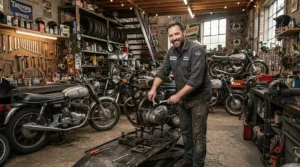
Denim Jacket Buttons vs Snaps: Which Closure Wins?
This sounds like a minor detail until you’re wearing gloves in the cold trying to get your jacket off fast. Buttons — used on the Levi’s Trucker Jacket, Lee 101 Rider Jacket, and RRL Leeland Wash Trucker Jacket — thread through a fabric buttonhole and require a bit more dexterity, but they’re generally considered more traditional and tend to sit flatter against the body.
Snaps — the closure of choice on the Wrangler Western Sherpa Denim Jacket and many Western-style jackets — pop open and shut with one motion, which is genuinely useful if your hands are full, cold, or gloved. They’re also easier to replace at home if one breaks, since snap kits are widely available, whereas a torn buttonhole usually needs a tailor.
| Closure Type | Speed | Repair Ease | Best For |
|---|---|---|---|
| Buttons | Slower, more deliberate | Requires sewing/tailor | Traditional trucker look, dressier styling |
| Snaps | Fast, one-handed | Easy DIY replacement kits | Western wear, outdoor/work use |
The analysis here is pretty simple: buttons win on classic aesthetics and are what most people picture when they think “denim jacket,” while snaps win on function for anyone who’s actually using the jacket for physical work rather than just wearing it around town. Neither is objectively better — it depends on whether you’re dressing for a coffee shop or a cattle chute.
Indigo Denim Jacket: Understanding Weight, Wash, and Fade
Every jacket on this list, from the $40 Amazon Essentials Rigid Denim Jacket to the $650 RRL Leeland Wash Trucker Jacket, gets its blue color the same fundamental way: indigo dye. As Wikipedia’s overview of indigo dye explains, the dye doesn’t fully penetrate the cotton fiber — it coats the outer layer, which is exactly why denim fades unevenly with wear rather than uniformly like a solid-dyed fabric would. That surface-level dyeing is the entire reason denim develops those distinctive whiskers, honeycombs, and fade lines instead of just gradually getting lighter all over.
Denim weight (measured in ounces per square yard) affects how that fade shows up. Lighter denim like the Amazon Essentials Rigid Denim Jacket fades faster and more subtly. Heavier denim — the 12.75oz to 14.75oz range used in the RRL Leeland Wash Trucker Jacket and Lee 101 Rider Jacket — holds indigo longer and rewards patience with sharper, higher-contrast fading after months or years of consistent wear.
Wash matters just as much as weight. A pre-washed indigo denim jacket, like the standard Levi’s Trucker Jacket, arrives already broken in and softer, sacrificing some long-term fade drama for immediate comfort. A rigid, unwashed jacket like the Naked & Famous Selvedge Denim Jacket starts stiffer but tends to develop the deeper, more personal fade patterns that raw denim communities specifically chase — a slow-burn payoff rather than an instant one.
Long-Term Cost & Maintenance
It’s tempting to just compare sticker prices, but total cost of ownership tells a different story. The Amazon Essentials Rigid Denim Jacket costs less upfront but has a shorter realistic lifespan — construction quality at this price point typically means five to seven years of regular wear before hardware or seams start failing.
Heritage pieces flip that math. The Lee 101 Rider Jacket and RRL Leeland Wash Trucker Jacket cost roughly seven to fifteen times more upfront, but heavier denim, reinforced stitching, and better hardware mean a realistic lifespan measured in decades rather than years, assuming reasonable care. Divide the purchase price by expected years of wear, and the gap narrows considerably — a $650 jacket worn for twenty years costs about $32.50 a year, while a $45 jacket replaced every six years costs about $7.50 a year. Neither is “wrong,” but it’s worth doing that math honestly before assuming the budget option always wins.
Maintenance costs stay low across the board since denim rarely needs professional cleaning — the main exception being the Lee 101 Rider Jacket, which explicitly calls for dry cleaning only, adding a recurring cost the machine-washable options on this list don’t carry.
Features That Actually Matter (And Those That Don’t)
Marketing copy loves to dress up minor details as major selling points, so here’s an honest filter. Denim weight actually matters — it’s the single biggest factor in how a jacket feels, drapes, and fades over time, and it’s usually listed plainly in ounces if you look for it. Country and method of manufacture matters too: Japanese-mill denim woven on vintage shuttle looms, used in the Lee 101 Rider Jacket, Naked & Famous Selvedge Denim Jacket, and RRL Leeland Wash Trucker Jacket, genuinely produces different texture and fade characteristics than mass-produced denim.
What matters less than it sounds: exotic wash names. “Ocean’s Edge,” “Leeland Wash,” or seasonal colorway names are largely branding — the underlying denim weight and construction tell you far more than the name does. Selvedge itself is a mixed bag too — it signals a specific weaving method (a self-finished edge that won’t fray) and is genuinely associated with higher-quality mills, but a selvedge edge alone doesn’t guarantee a better jacket if the surrounding construction is weak. Judge the whole spec sheet, not one buzzword.

Frequently Asked Questions
❓ What is the classic denim jacket men have worn the longest?
❓ How much should a good denim jacket cost?
❓ Do denim jackets shrink after washing?
❓ Should I size up or down in a denim jacket?
❓ How long does it take a denim jacket to fade properly?
Conclusion
There’s no single “best” classic denim jacket men should buy, because the category genuinely spans from $40 basics to $650 heritage pieces, and the right answer depends entirely on how you’ll actually wear it. If you want the most direct line back to the original silhouette without overthinking it, the Levi’s Trucker Jacket remains the obvious starting point. If your budget is tight, the Amazon Essentials Rigid Denim Jacket does the job without embarrassment. And if you’ve already got the basics covered and want to go deeper into the fabric itself, the Naked & Famous Selvedge Denim Jacket, Lee 101 Rider Jacket, or RRL Leeland Wash Trucker Jacket all reward the extra spend with denim that ages like it’s supposed to.
Whichever one you land on, remember the core idea that’s held this garment together for over a century: it’s not supposed to look new for long. Wear it, don’t baby it, and let it earn its fades honestly.
Recommended for You
- Best Denim Jacket Men: 7 Rugged Picks For Every Budget (2026)
- Puffer Vest Men: 7 Real Picks For 2026 That Actually Earn Their Zipper
- Long Puffer Jacket Men: 7 Best Picks To Survive Winter 2026
Disclaimer: This article contains affiliate links. As an Amazon Associate, I earn from qualifying purchases. If you purchase products through these links, we may earn a small commission at no additional cost to you.
✨ Found this helpful? Share it with your friends! 💬🤗
