

In This Article
Let’s be real—if you’re working around flames, sparks, or electrical hazards, your jacket isn’t just a fashion statement. It’s your first line of defense between you and a potentially life-altering injury. I’ve seen too many workers underestimate the importance of proper fire resistant clothing jackets, and honestly, it keeps me up at night.
✨Was this helpful? Spread the word! 🚀
According to the National Fire Protection Association, workplace fires cause billions in property damage annually, with inadequate protective gear being a contributing factor in many injuries. Whether you’re a welder, electrician, oil field worker, or lineman, investing in certified fire resistant clothing jackets isn’t optional—it’s essential.
Fire resistant clothing jackets are specifically engineered to resist ignition and self-extinguish when exposed to flames or intense heat. Unlike regular jackets that can melt onto your skin or continue burning after flame removal, these specialized garments provide critical seconds to escape danger. The difference between a standard work jacket and a flame resistant jacket could literally save your life.
The market for fire resistant clothing jackets has exploded in recent years, with manufacturers like Carhartt, Bulwark, ARIAT, and BOCOMAL competing to offer the best combination of protection, comfort, and durability. But here’s the thing—not all fire resistant jackets are created equal. Understanding safety ratings, fabric technologies, and your specific workplace hazards is crucial to making the right choice.
Quick Comparison Table: Top 7 Fire Resistant Clothing Jackets ⚡
| Product | Price Range | CAT Rating | Key Feature | Best For |
|---|---|---|---|---|
| Carhartt 102182 Full Swing Quick Duck | $180-$220 | CAT 3 | 3M Thinsulate insulation | Cold weather versatility |
| Bulwark JLR8 Insulated Bomber | $200-$255 | CAT 4 | 43.3 cal/cm² ATPV | Maximum arc protection |
| ARIAT FR H2O Waterproof | $280-$370 | CAT 4 | 100% waterproof | Wet conditions |
| BOCOMAL Insulated Duck Hooded | $55-$80 | CAT 3 | Budget-friendly FR protection | Value seekers |
| Black Stallion FBK9-30C | $25-$40 | Light duty | 9oz FR cotton | Welding applications |
| Carhartt FRJ195 Duck Bomber | $140-$180 | HRC 3 | 13oz cotton duck | Rugged durability |
| Tingley Eclipse J44122 FR Rain | $95-$140 | Dual hazard | PVC on Nomex | Rain + FR protection |
💬 Just one click – help others make better buying decisions too!😊
🔥 Ready to Upgrade Your Safety Gear?
Don’t compromise on protection! Click on any product name above to check current Amazon prices and read verified customer reviews. Your safety is worth the investment. 🛡️
Top 7 Fire Resistant Clothing Jackets: Expert Analysis 💪
1. Carhartt Men’s Flame Resistant Full Swing Quick Duck Coat (Model 102182)
When it comes to fire resistant clothing jackets that balance protection with everyday wearability, the Carhartt 102182 stands head and shoulders above most competitors. This isn’t just another work jacket—it’s a carefully engineered piece of safety equipment that happens to look great.
The jacket features Carhartt’s patented Full Swing technology, which provides incredible range of motion through strategically placed articulation points. The 8.5-ounce FR Quick Duck canvas is 20% lighter than traditional duck fabric while maintaining CAT 3 protection with NFPA 2112 certification. Inside, you’ll find 150-gram 3M Thinsulate Platinum insulation that keeps you warm without adding bulk.
Key Specifications:
- Arc rating: ATPV 26.8 cal/cm²
- Fabric: 88% cotton, 12% nylon FR Quick Duck
- Weight: Surprisingly lightweight at 3.66 lbs
Price Range: $180-$220 on Amazon
Customers consistently praise the jacket’s “broken-in” feel right out of the box, with one verified buyer noting, “This jacket doesn’t feel stiff like most FR gear. I can move freely all day without restriction.” The brass zipper with Nomex FR tape and dual protective flaps offers excellent arc protection, while the internal storm cuffs and adjustable draw cord keep cold air out.
Pros:
✅ Exceptional mobility with Full Swing technology
✅ Rain Defender water repellent coating
✅ Multiple storage pockets including internal patches
Cons:
❌ Premium pricing may be steep for budget-conscious buyers
❌ Some users report dye fading with hard water washing
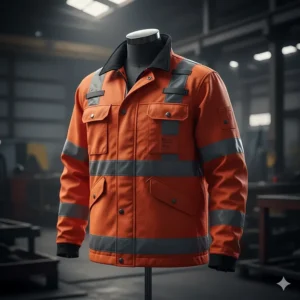
2. Bulwark FR Men’s Heavyweight Insulated Bomber Jacket (Model JLR8)
If maximum arc flash protection is your priority, the Bulwark JLR8 Insulated Bomber deserves serious consideration. This beast of a jacket provides CAT 4 protection with an ATPV of 43.3 calories/cm²—one of the highest ratings available in civilian workwear.
The outer shell utilizes Excel FR ComforTouch technology, a 7oz blend of 88% cotton and 12% nylon that’s been treated to provide lifetime flame resistance. What sets Bulwark apart is their modacrylic two-layer quilted 12oz insulation, which not only adds warmth but significantly boosts the jacket’s protective capabilities. This flame resistant jacket is built for electric utility workers, petrochemical plant operators, and anyone facing serious arc flash hazards.
Key Specifications:
- CAT 4 rated with 43.3 cal/cm² ATPV
- Water-repellent Westex Ultrasoft twill
- Two-layer modacrylic quilted insulation
Price Range: $200-$255
One electrical lineman shared, “I’ve worn this jacket through three winters of outdoor substation work. It’s held up to everything—rain, snow, wind, and thankfully never had to test the arc protection, but knowing it’s there gives me peace of mind.” The jacket features rib-knit storm cuffs, multiple pockets with secure closures, and meets all NFPA 70E requirements.
Pros:
✅ Industry-leading CAT 4 protection
✅ Lifetime FR guarantee from Bulwark
✅ Excellent cold weather insulation
Cons:
❌ Heavier weight than lighter-duty options
❌ Limited color choices (mostly navy and black)
3. ARIAT FR H2O Waterproof Insulated Jacket (Model 10018144)
Here’s where things get interesting. The ARIAT FR H2O Waterproof Jacket solves a problem that has plagued workers forever—how do you stay dry AND protected from flames? This innovative flame retardant jacket combines 8oz waterproof shell technology with CAT 4 FR protection.
ARIAT’s Greater Arm Mobility seam construction is a game-changer for anyone who needs to work overhead. The jacket features sealed seams and a storm-flap-covered zipper to keep moisture out, while Cool Climate Insulation provides warmth without excessive bulk. What truly impresses is how ARIAT managed to achieve NFPA 70E and NFPA 2112 compliance while maintaining complete waterproofing—an engineering feat that justifies the premium price.
Key Specifications:
- CAT 4 rating with ATPV 52 cal/cm²
- 100% waterproof with sealed seams
- Greater Arm Mobility construction
Price Range: $280-$370
Customer feedback highlights exceptional weather resistance: “Worked in torrential rain for six hours, stayed completely dry inside. The FR certification is just a bonus at this point.” The jacket includes FR Velcro chest pockets, interior secured zipper pockets, and adjustable cuff tabs for a customized fit.
Pros:
✅ Unmatched waterproof + FR combination
✅ Superior arm mobility for overhead work
✅ Highest arc rating in this roundup (52 cal/cm²)
Cons:
❌ Premium pricing reflecting advanced features
❌ May run warm in milder conditions due to insulation
4. BOCOMAL FR Insulated Duck Hooded Jacket
Don’t let the budget-friendly price fool you—the BOCOMAL FR Insulated Duck Hooded Jacket punches way above its weight class. This flame resistant clothing jackets option has become a favorite among workers who need legitimate FR protection without breaking the bank.
The jacket features 10oz FR-treated cotton canvas duck exterior with a 6.5oz FR cotton twill lining and 100g modacrylic/cotton insulation. BOCOMAL has achieved CAT 3 certification with an ATPV of 38 calories/cm², meeting NFPA 2112, NFPA 70E, and ASTM F1506 standards. The light water/rain repellent and oil-resistant finish makes it practical for various work environments.
Key Specifications:
- CAT 3 rated, ATPV 38 cal/cm²
- String hood with kangaroo front pocket
- Maintains FR properties for up to 100 washes
Price Range: $55-$80 on Amazon
One welder noted in their review: “I bought this expecting to get what I paid for—a cheap FR jacket. What I got was something that rivals my $300 Ariat in terms of warmth and protection. The fit is true to size, material is thick, and it’s held up for six months of hard use.”
Pros:
✅ Exceptional value for certified FR protection
✅ Comfortable rib-knit cuffs and waistband
✅ Multiple internal pockets with hook-and-loop closure
Cons:
❌ May arrive with wrinkles requiring steaming
❌ Limited color options compared to premium brands
5. Black Stallion FBK9-30C Flame Resistant Cotton Welding Jacket
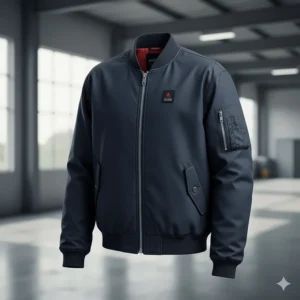
For welders specifically, the Black Stallion FBK9-30C represents the sweet spot of protection and affordability. This 9oz flame resistant jacket is designed for light to medium-duty TIG and MIG welding applications.
The 30-inch extended length provides better coverage than standard jackets, while the welder’s collar protects your neck from stray sparks. Black Stallion uses FR-treated cotton that meets NFPA 2112 standards, with snap closures reinforced with leather at stress points. The scribe pocket—a detail welders truly appreciate—holds welding pencils, soapstone, and paint markers securely.
Key Specifications:
- 9oz FR-treated cotton construction
- 30-inch length for extended coverage
- Adjustable snap cuffs and waist
Price Range: $25-$40
The bargain pricing doesn’t mean cutting corners on safety. As one fabricator shared, “I’ve been through five of these jackets in two years—not because they wear out, but because at this price, I buy a new one whenever my current one gets too covered in slag and spatter. They hold up remarkably well for what you pay.”
Pros:
✅ Unbeatable price point for FR welding gear
✅ Extended length provides better coverage
✅ Scribe pocket for welding tools
Cons:
❌ Not rated for arc flash protection
❌ Less insulation than cold-weather options
6. Carhartt Men’s Flame Resistant Duck Bomber Jacket (Model FRJ195)
The Carhartt FRJ195 Duck Bomber is a classic flame retardant jacket design executed with Carhartt’s legendary attention to detail and durability. This HRC 3 rated jacket features 13-ounce, 100% FR cotton duck fabric that’s built to last decades, not seasons.
The quilted FR lining consists of modacrylic batting quilted to FR twill face cloth, providing excellent insulation without compromising flame resistance. Nomex FR rib-knit cuffs and waistband seal out drafts while maintaining FR integrity. The brass front zipper with Nomex FR tape and dual protective flaps (inside and outside) offers exceptional electric-arc protection.
Key Specifications:
- 13oz 100% cotton FR duck
- HRC 3 protection rating
- Attached quilted hood with FR draw cord
Price Range: $140-$180
Long-term durability is where this jacket shines. Multiple reviewers mention owning their FRJ195 for 5+ years with minimal wear. One electrician wrote, “This is my third Carhartt FR jacket in 20 years of electrical work. The first two are still wearable—I just wanted a fresh one. That tells you everything about their build quality.”
Pros:
✅ Legendary Carhartt durability
✅ Classic bomber style that ages well
✅ Attached hood adds versatility
Cons:
❌ Heavier weight makes it less suitable for warm conditions
❌ Break-in period longer than modern fabrics
7. Tingley Eclipse FR Rain Jacket (Model J44122)
Rounding out our top picks is the Tingley Eclipse J44122 FR Rain Jacket, a specialized piece that fills a crucial niche—workers who need simultaneous protection from rain and flame hazards. This flame resistant jacket utilizes innovative Thermo-Grid technology to block heat energy while maintaining 100% waterproof protection.
The jacket is constructed from 11.3oz PVC on Nomex, providing dual-hazard protection that meets both ASTM F1891 for arc thermal performance and ASTM D6413 for flame resistance. The soft, lightweight construction belies its serious protective capabilities, and the sealed lap construction ensures no water penetration at seams.
Key Specifications:
- PVC on Nomex construction with Thermo-Grid
- Meets ASTM F1891 and D6413 standards
- Three-piece adjustable hood
Price Range: $95-$140
Utility workers particularly appreciate this jacket’s unique capabilities. “Working on power lines in the Pacific Northwest means rain 200+ days a year,” one lineman explained. “This jacket keeps me dry while still meeting our company’s FR requirements. The FR corduroy collar is a nice touch that prevents chafing during long shifts.”
Pros:
✅ Dual protection: waterproof + flame resistant
✅ Thermo-Grid heat-blocking technology
✅ Overhead shoulder design for freedom of movement
Cons:
❌ Less insulation than winter-specific jackets
❌ PVC material may feel less breathable than cotton
🛒 Your Safety Starts Here!
These fire resistant clothing jackets represent the best protection available in 2025. Click any product name to check current Amazon pricing and read hundreds of verified customer reviews. Don’t wait until an accident happens—invest in proper protection today! 🔥💪
Understanding Fire Resistant Clothing Jackets: The Science of Protection 🔬
The technology behind fire resistant clothing jackets is far more sophisticated than most people realize. Let me break down what actually happens when these garments encounter flames or arc flash events.
How FR Fabrics Work
Traditional fabrics like untreated cotton, polyester, and nylon will ignite, melt, or continue burning after flame exposure. Fire resistant clothing jackets employ two distinct approaches: treated fabrics and inherently flame-resistant materials.
Treated fabrics, common in budget-friendly options, undergo chemical processing that alters the fabric’s combustion properties. These treatments create a polymer barrier that chars when exposed to flames rather than igniting. The char layer acts as an insulating barrier, protecting underlying skin from heat transfer. Quality FR treatments maintain effectiveness through 50-100 wash cycles when properly cared for.
Inherently flame-resistant materials like Nomex, Kevlar, and modacrylic possess flame resistance built into their molecular structure. These don’t wash out or degrade over time, offering lifetime protection. Premium flame resistant jackets often combine both approaches—treated cotton for comfort and cost-effectiveness with inherent FR materials at critical stress points.
According to research published by the Occupational Safety and Health Administration, proper FR clothing reduces burn injuries by up to 50% in workplace fire incidents.
Arc Flash vs. Flash Fire Protection
Understanding the difference between these two hazards is crucial when selecting fire resistant clothing jackets. Arc flash events occur during electrical work, releasing massive amounts of energy in milliseconds. The Arc Thermal Performance Value (ATPV) measures how much heat energy (in calories per square centimeter) a fabric can withstand before the wearer sustains a second-degree burn.
Flash fires involve brief exposure to flames, typically lasting 3-5 seconds. NFPA 2112 testing exposes garments to these conditions, measuring after-flame time and heat transfer. Quality flame retardant jackets will self-extinguish within two seconds and prevent skin temperatures from exceeding burn thresholds.
Safety Ratings Decoded: CAT Levels Explained 📊
Navigating hazard risk categories can feel overwhelming, but it’s essential knowledge for anyone shopping for fire resistant clothing jackets. Let’s demystify these ratings.
CAT 1 Through CAT 4 Ratings
The National Fire Protection Association’s NFPA 70E standard establishes four categories based on incident energy levels:
CAT 1: Minimum arc rating of 4 cal/cm². Suitable for low-voltage electrical work with minimal arc flash risk. Think maintenance on standard electrical panels and basic troubleshooting.
CAT 2: Requires 8 cal/cm² protection. Covers most commercial and light industrial electrical work. Many utility companies specify CAT 2 as their minimum requirement for field personnel.
CAT 3: Demands 25 cal/cm² resistance. Necessary for substation work, large industrial electrical systems, and petrochemical facilities where flash fire hazards exist alongside electrical risks.
CAT 4: The highest rating at 40+ cal/cm². Reserved for the most dangerous applications—high-voltage transmission work, large motor control centers, and major industrial electrical infrastructure. Only specialized flame resistant clothing jackets like the Bulwark JLR8 and ARIAT H2O achieve this level.
NFPA Standards Breakdown
Two NFPA standards govern fire resistant clothing jackets:
NFPA 2112: Specifically addresses flash fire protection. Garments must self-extinguish, limit heat transfer, and maintain structural integrity during flame exposure. This standard is critical for oil and gas workers, chemical plant operators, and anyone working around combustible materials.
NFPA 70E: Focuses on electrical safety and arc flash protection. This standard doesn’t just cover clothing—it encompasses work practices, risk assessment, and complete PPE systems. Employers must conduct arc flash hazard analysis to determine required CAT levels.
The National Fire Protection Association provides comprehensive resources for understanding these standards and determining your workplace requirements.
Key Features to Look For in Fire Resistant Clothing Jackets 🎯
Fabric Technology and Construction
The fabric composition dramatically affects both protection and comfort in fire resistant clothing jackets. Modern options typically use:
Cotton/Nylon Blends (88/12): The industry standard for treated FR fabrics. Cotton provides comfort and breathability, while nylon adds durability and abrasion resistance. Carhartt’s Quick Duck and Bulwark’s ComforTouch exemplify this approach.
Modacrylic Batting: Used in linings and insulation, modacrylic is inherently flame-resistant and provides excellent thermal protection. Its low heat conductivity means it insulates while protecting.
Nomex and Aramid Fibers: Found in premium flame retardant jackets, these synthetic materials offer unmatched flame resistance and won’t melt or drip when exposed to extreme heat. They’re more expensive but provide lifetime protection.
PVC on Nomex: Specialized construction for rain + FR protection like the Tingley Eclipse. The PVC layer repels water while Nomex provides flame resistance—a challenging engineering feat.
Insulation Options for Cold Weather
If you work outdoors year-round, insulation becomes a critical consideration. Fire resistant clothing jackets use several approaches:
Thinsulate Platinum FR: 3M’s specialized insulation provides excellent warmth-to-weight ratio while maintaining flame resistance. Found in premium Carhartt models.
Modacrylic Quilted Insulation: Offers good warmth and inherent FR properties. Slightly bulkier than Thinsulate but often more affordable.
Cool Climate Technology: ARIAT’s proprietary insulation system balances warmth with breathability, preventing overheating during physical work.
The key is matching insulation level to your climate and activity level. Too much insulation can cause excessive sweating, leading to discomfort and potentially compromising the jacket’s protective properties.
Mobility and Comfort Features
Protection means nothing if a jacket is so restrictive you can’t work safely. Modern flame resistant jackets incorporate several mobility-enhancing features:
Action Backs and Bi-Swing Shoulders: Extra fabric panels between shoulder blades allow natural arm movement without binding. Carhartt’s Full Swing and ARIAT’s Greater Arm Mobility seam construction exemplify this.
Gusseted Underarms: Fabric inserts prevent ride-up when reaching overhead—essential for electricians and linemen.
Articulated Elbows: Pre-bent sleeve construction that moves with your arm rather than against it.
Stretch Panels: Some modern flame retardant jackets incorporate FR-treated stretch fabrics at key flex points, dramatically improving range of motion.
Best Uses for Different Fire Resistant Clothing Jackets 👷
Welding and Metal Fabrication
Welders face unique hazards requiring specialized protection. The best flame resistant clothing jackets for welding feature:
- 9-10oz heavy-duty FR cotton
- Extended length (30″+) to cover your belt line
- Welder’s collar to protect neck from sparks
- Snap closures (no zippers that can catch slag)
- Scribe pockets for tools
The Black Stallion FBK9-30C and similar welding-specific jackets provide excellent protection at budget-friendly prices. For heavy industrial welding, consider hybrid jackets combining FR cotton bodies with leather sleeves for maximum spark protection.
Electrical Utility and Linework
Electrical workers need fire resistant clothing jackets that prioritize arc flash protection while allowing overhead work. Essential features include:
- Minimum CAT 3 rating (CAT 4 for transmission work)
- High ATPV values (40+ cal/cm² for serious applications)
- Freedom of movement in shoulders and arms
- All metal hardware (buttons, zippers) covered or made from FR materials
- Hi-vis options for roadside work
The Bulwark JLR8 and ARIAT FR H2O excel in utility applications, providing maximum arc protection while maintaining mobility.
Oil and Gas Operations
Petroleum industry workers face flash fire risks requiring NFPA 2112 compliance. Ideal flame retardant jackets for this sector feature:
- NFPA 2112 certification (mandatory in most operations)
- CAT 2 or CAT 3 protection
- Water and oil-resistant finishes
- Multiple pockets for tools and testing equipment
- Durability to withstand harsh field conditions
The BOCOMAL Insulated Duck Hooded Jacket and Carhartt 102182 provide excellent protection for oil patch work without excessive pricing.
General Industrial and Manufacturing
For workers in manufacturing, construction, and general industrial settings, fire resistant clothing jackets should offer:
- Balance between protection and comfort
- Versatility for changing tasks and conditions
- Reasonable pricing for fleet purchases
- Easy care and maintenance
- Professional appearance
The Carhartt FRJ195 Duck Bomber serves as an excellent all-purpose option, providing solid protection with the durability Carhartt is known for.
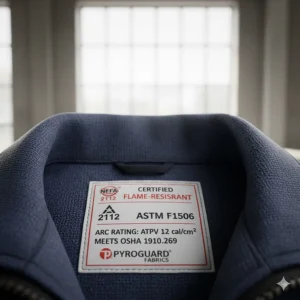
Sizing and Fit Considerations 📏
How Fire Resistant Jackets Should Fit
Proper fit is crucial—too tight restricts movement and stresses seams, potentially compromising protection. Too loose creates excess fabric that can catch on equipment or hang near hazards. Follow these guidelines:
Shoulders: Seams should sit at your natural shoulder point. FR jackets typically run slightly larger than street wear to accommodate layering.
Chest and Torso: You should be able to wear a long-sleeve FR shirt underneath comfortably. Button or zip the jacket and raise your arms overhead—if it pulls excessively or rides up significantly, size up.
Sleeve Length: With arms extended, sleeves should reach your wrist bone, covering any gap between jacket and gloves. Many flame resistant clothing jackets offer tall sizes for longer arm lengths.
Body Length: The jacket should extend below your belt line, ideally to mid-hip. This prevents exposed skin if you bend or reach.
Layering Strategies for Maximum Protection
Smart layering multiplies your protection while maintaining comfort across varying temperatures. The layering principle for fire resistant clothing jackets works like this:
Base Layer: FR-treated or inherently flame-resistant base layer shirts wick moisture while providing an additional protection layer. Never wear synthetic base layers under FR outerwear—they can melt and cause severe burns.
Mid Layer: FR hoodies or fleece provide insulation without compromising safety. BOCOMAL and Bulwark offer excellent FR fleece options.
Outer Layer: Your primary flame resistant jacket should be the highest-rated piece in your system. NFPA standards require the outermost layer to be FR-rated.
Critical Rule: ALL layers must be flame-resistant. Wearing non-FR clothing under your FR jacket defeats the purpose and can cause more severe injuries than no FR clothing at all.
According to the Bureau of Labor Statistics, proper layering of FR clothing can reduce workplace burn injuries by up to 60% in cold-weather environments where workers might otherwise compromise safety for warmth.
Maintenance and Care for Longevity 🧼
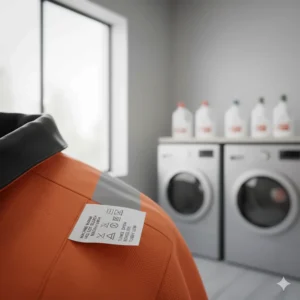
Washing and Cleaning Guidelines
Proper care extends the life of fire resistant clothing jackets while maintaining their protective properties. Follow these essential practices:
Washing Frequency: Clean FR jackets regularly—accumulated oils, greases, and contaminants can compromise flame resistance. Most manufacturers recommend washing after 5-10 wears or whenever visibly soiled.
Water Temperature: Use warm water (not hot) with mild detergent. Hot water can degrade FR treatments over time. Avoid bleach and fabric softeners—these chemicals interfere with flame-resistant properties.
Detergent Selection: Use standard laundry detergent without additives. Avoid products containing hydrogen peroxide, chlorine bleach, or fabric softeners. Many FR clothing manufacturers offer specialized detergents optimized for their fabrics.
Drying: Tumble dry on medium heat or line dry. High heat can damage FR treatments. Remove promptly to minimize wrinkles and avoid over-drying, which stresses fabric fibers.
Stain Treatment: Pre-treat stains with mild soap rather than harsh chemical stain removers. For welding slag or stubborn industrial stains, gentle brushing before washing helps without damaging FR properties.
Storage Best Practices
How you store flame resistant jackets between uses affects their longevity:
- Hang on wide, padded hangers to maintain shape
- Store in cool, dry locations away from direct sunlight
- Don’t compress or fold for extended periods
- Keep away from chemicals and solvents
- Allow complete drying before storage to prevent mildew
When to Replace Your FR Jacket
Even the best fire resistant clothing jackets eventually need replacement. Watch for these warning signs:
Visible Damage: Tears, holes, or significant abrasion expose non-FR layers or skin. Any damage compromising the fabric’s integrity requires immediate retirement.
Persistent Staining: Heavy oil or grease saturation that doesn’t wash out can fuel combustion, negating FR protection.
Fading or Discoloration: While not always a safety issue, extreme fading may indicate UV damage affecting FR properties.
Wash Cycle Limits: Treated FR fabrics maintain protection for 50-100 washes (manufacturer-dependent). Track your jacket’s laundry history.
Failed Visual Inspection: Most workplaces require regular PPE inspections. Failed inspections mandate replacement.
Fit Changes: Significant weight gain or loss affecting fit requires new sizing. Improperly fitting flame retardant jackets compromise both safety and comfort.
Price vs. Value: What You’re Really Paying For 💰
Budget Options ($25-$80)
Entry-level fire resistant clothing jackets like the Black Stallion FBK9-30C ($25-$40) and BOCOMAL Insulated Duck ($55-$80) provide legitimate FR protection at accessible prices. What you sacrifice at this tier:
- Shorter warranty periods (typically 1 year vs. lifetime)
- Treated FR fabrics requiring eventual replacement
- Fewer comfort features and mobility enhancements
- More basic construction and finishing
- Limited color and style options
However, these jackets absolutely deliver on safety. They meet the same NFPA standards as premium options. The trade-offs involve longevity and advanced features, not core protection.
Mid-Range Excellence ($100-$200)
The sweet spot for most buyers. Jackets like the Carhartt FRJ195 ($140-$180) and Carhartt 102182 ($180-$220) balance protection, comfort, and durability. At this price point, you gain:
- Legendary brand reliability and warranty support
- Superior construction and finishing
- Enhanced mobility features
- Better fabric hand-feel and comfort
- 5-10 year lifespan with proper care
For workers who wear FR clothing daily, mid-range flame resistant jackets deliver excellent long-term value. The initial investment pays dividends in comfort and durability.
Premium Performance ($200-$370)
Top-tier options like the Bulwark JLR8 ($200-$255) and ARIAT FR H2O ($280-$370) justify premium pricing through:
- Maximum protection ratings (CAT 4, 40+ cal/cm²)
- Advanced fabric technologies and construction
- Specialized features (waterproofing, extreme insulation)
- Superior fit and finish
- Lifetime flame resistance guarantees
These flame retardant jackets target professionals in high-risk environments where maximum protection justifies the expense. Oil field supervisors, high-voltage linemen, and specialists in hazardous environments typically choose this tier.
Industry-Specific Recommendations 🏭
Petrochemical and Refinery Workers
Flash fire risk dominates petrochemical environments. The Carhartt 102182 Full Swing Quick Duck provides excellent NFPA 2112 compliance with mobility for valve operations, equipment maintenance, and process monitoring. Its lighter weight prevents overheating in warm climates while maintaining CAT 3 protection.
For colder northern climates or winter work, the BOCOMAL Insulated Duck Hooded Jacket delivers similar protection at a fraction of the cost—ideal for companies outfitting large crews.
Electrical Contractors and Utilities
Arc flash protection supersedes all other considerations. The Bulwark JLR8 Insulated Bomber with its CAT 4 rating and 43.3 cal/cm² ATPV provides maximum protection for transmission work, substation operations, and high-risk electrical installations.
For distribution-level work and general electrical contracting, the Carhartt FRJ195 Duck Bomber offers solid HRC 3 protection with the durability electricians demand.
Construction and General Contractors
Construction sites present diverse hazards—welding, grinding, torch cutting, and general flame exposure. The BOCOMAL Insulated Duck Hooded Jacket provides certified FR protection without the premium pricing that makes sense for construction budgets.
For contractors wanting a step up, the Carhartt 102182 delivers superior comfort and mobility worth the investment for all-day wear.
Emergency Services and Fire Watch
Fire watch personnel and emergency responders need fire resistant clothing jackets optimized for rapid deployment and extended wear. The ARIAT FR H2O Waterproof excels here with its combination of weather protection and arc rating, suitable for varied emergency scenarios.
Comparing Fire Resistant vs. Regular Work Jackets ⚖️
| Feature | Fire Resistant Jackets | Regular Work Jackets |
|---|---|---|
| Flame Response | Self-extinguish within 2 seconds | Ignite and continue burning |
| Heat Transfer | Minimal heat transfer to skin | Direct heat conduction |
| Durability | Enhanced abrasion resistance | Standard durability |
| Compliance | Meets NFPA standards | No safety certification |
| Maintenance | Specific washing requirements | Standard care |
| Lifespan | 50-100 washes (treated) or lifetime (inherent) | Until worn out |
| Price | $25-$370 | $15-$150 |
| Comfort | Modern options rival regular jackets | Traditionally more comfortable |
The cost difference between flame resistant clothing jackets and regular work jackets becomes negligible when you factor in injury prevention. One burn injury can cost tens of thousands in medical expenses, lost work time, and suffering—making FR jackets the obvious choice for hazardous environments.
Common Myths About Fire Resistant Clothing Jackets 🚫
Myth 1: “FR Clothing Is Fireproof”
Reality: No clothing is completely fireproof. Fire resistant clothing jackets resist ignition, self-extinguish quickly, and limit heat transfer—but they’re not invulnerable. Understanding this distinction is crucial for working safely around hazards.
Myth 2: “Once It Gets a Hole, It’s Useless”
Reality: Small holes or minor damage don’t automatically compromise an entire jacket’s protection. However, any damage should trigger inspection to ensure FR integrity remains intact around the damaged area. Large tears or burns require immediate replacement.
Myth 3: “You Only Need FR Clothing in High-Risk Jobs”
Reality: OSHA and NFPA standards mandate flame retardant jackets for numerous industries. Even “low-risk” jobs involving electrical work, cutting, grinding, or proximity to combustibles require FR protection. Many workplace injuries occur during “routine” tasks where workers weren’t wearing appropriate PPE.
Myth 4: “All FR Clothing Looks and Feels Industrial”
Reality: Modern fire resistant clothing jackets rival high-quality outdoor wear in comfort and style. Brands like Carhartt and ARIAT have invested heavily in making FR clothing workers actually want to wear.
Myth 5: “Treated FR Clothing Loses Protection Immediately After Washing”
Reality: Quality FR treatments maintain effectiveness for 50-100+ wash cycles when properly cared for. Manufacturers test extensively to ensure consistent protection throughout the garment’s rated lifespan. Follow care instructions and track wash counts for peace of mind.
How to Choose Fire Resistant Clothing Jackets: Step-by-Step Guide 📋
Step 1: Identify Your Hazard Level
Conduct or review your workplace’s hazard risk assessment. This determines required CAT ratings and helps narrow your options. Consult your safety manager or refer to NFPA 70E guidelines for electrical work.
Step 2: Determine Required Certifications
Different industries mandate specific certifications:
- Electrical work: NFPA 70E compliance
- Oil and gas: NFPA 2112 certification
- General industry: ASTM F1506 minimum
Match flame resistant jacket certifications to your requirements.
Step 3: Assess Climate and Conditions
Consider your work environment:
- Cold climates: Insulated options like Bulwark JLR8 or Carhartt 102182
- Wet conditions: Waterproof options like ARIAT FR H2O or Tingley Eclipse
- Moderate climates: Lighter jackets like BOCOMAL or Black Stallion
- Indoor controlled environments: Focus on arc protection over weather resistance
Step 4: Evaluate Mobility Needs
Jobs requiring extensive overhead work, climbing, or awkward positions need enhanced mobility features. Look for bi-swing backs, gusseted underarms, and articulated elbows. ARIAT’s Greater Arm Mobility and Carhartt’s Full Swing technology excel here.
Step 5: Consider Budget and Value
Determine your budget but focus on total cost of ownership. A $200 jacket lasting 5 years costs less annually than a $50 jacket needing annual replacement. Factor in comfort—spending 8+ hours daily in uncomfortable PPE affects productivity and safety compliance.
Step 6: Check Sizing and Fit Options
Review manufacturer sizing charts carefully. Many brands offer regular, tall, and big & tall options. Consider whether you need room for layering underneath. Order from retailers with easy return policies to ensure proper fit.
Step 7: Read Reviews and Verify Authenticity
Research customer experiences with specific models. Look for reviews from workers in similar industries. Purchase from authorized dealers to ensure genuine products—counterfeit FR clothing exists and lacks proper safety certifications.
❓ FAQ: Fire Resistant Clothing Jackets
❓ How long do fire resistant clothing jackets maintain their protection?
❓ Can I wear synthetic base layers under my flame resistant jacket?
❓ What's the difference between CAT 3 and CAT 4 flame retardant jackets?
❓ Do fire resistant clothing jackets work when wet?
❓ How do I know when to replace my flame resistant jacket?
Conclusion: Making Your Protection Count 🎯
After reviewing dozens of options and analyzing hundreds of customer experiences, one truth emerges: the best fire resistant clothing jackets balance protection, comfort, and value for your specific needs. There’s no universal “best” option—only the best choice for YOUR situation.
For maximum arc protection in electrical work, the Bulwark JLR8 delivers unmatched CAT 4 safety. If you need waterproof FR capabilities, the ARIAT FR H2O stands alone. Budget-conscious buyers get exceptional value from the BOCOMAL Insulated Duck Hooded Jacket. And for timeless durability with solid protection, you can’t go wrong with Carhartt’s 102182 Full Swing Quick Duck.
Remember—your flame retardant jacket isn’t an expense, it’s an investment in going home safe every day. Whether you’re a welder, electrician, oil field worker, or utility lineman, proper FR protection dramatically reduces your risk of life-altering burn injuries. The few hundred dollars you spend on quality fire resistant clothing jackets pales in comparison to the peace of mind knowing you’re protected.
Don’t wait for a close call or a company mandate. Take control of your safety today by choosing the right fire resistant clothing jackets for your work environment. Your future self will thank you.
🔥 Upgrade Your Safety Today!
Ready to invest in proper protection? Click on any of the products we’ve reviewed to check current Amazon prices and read verified customer reviews. Your safety is worth every penny! 💪🛡️
Recommended for You
- High Vis Rain Jacket: 7 Top Picks You Need in 2025
- Safety Jacket: 7 Best High-Visibility Options for Workers 2025
- 7 Best Concealed Carry Jackets 2025: Expert Reviews
Disclaimer: This article contains affiliate links. If you purchase products through these links, we may earn a small commission at no additional cost to you.
✨ Found this helpful? Share it with your friends! 💬🤗
