
In This Article
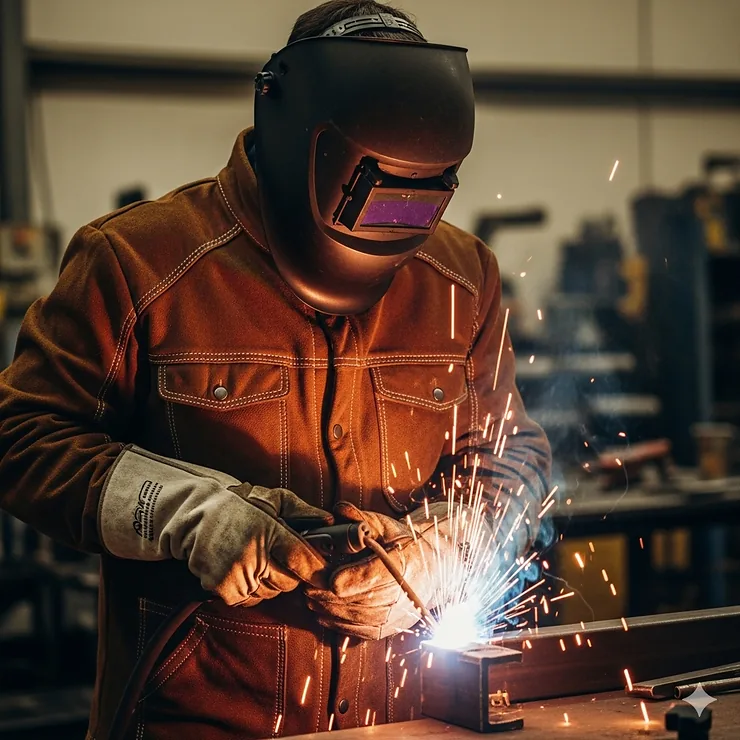
When sparks fly and temperatures soar, your safety depends on choosing the right protective gear. A quality leather welding jacket isn’t just equipment—it’s your shield against burns, spatter, and workplace hazards that could change your life in an instant. Whether you’re a seasoned professional or weekend warrior, understanding what makes a superior leather welding jacket can mean the difference between going home safely and ending up in the emergency room.
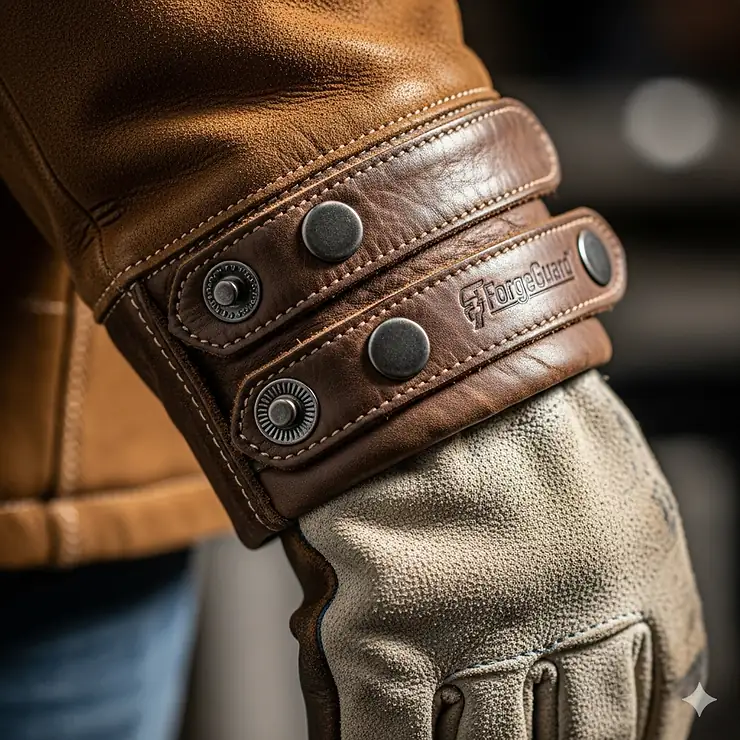
The leather welding jacket has evolved significantly from basic cowhide covers to sophisticated protective systems engineered for specific applications. Today’s welders demand gear that balances protection, comfort, and durability while meeting stringent safety standards.
✨Was this helpful? Spread the word! 🚀
From heavy-duty industrial applications to precision TIG work, the right fr welding jacket or flame resistant welding jacket protects your skin from temperatures exceeding 3,000°F while allowing the mobility necessary for quality craftsmanship. This comprehensive guide examines the top leather welding jackets available today, analyzing everything from material composition to real-world performance data.
Why Leather Welding Jackets Are Essential for Professional Safety 🛡️
Professional welding creates multiple hazards that demand specialized protection. Molten spatter reaches temperatures of 2,500°F, while arc radiation produces intense ultraviolet and infrared energy capable of causing severe burns through regular clothing. A fire resistant welding jacket forms the primary defense against these occupational hazards.
The Science Behind Leather Protection ⚗️
Split cowhide leather naturally resists ignition and provides excellent thermal insulation. Unlike synthetic materials that can melt and adhere to skin, quality leather chars gradually, creating additional insulation layers. The protein structure in cowhide leather contains natural flame-retardant properties that synthetic materials cannot replicate.
Research conducted by the National Institute for Occupational Safety and Health (NIOSH) demonstrates that leather protective clothing significantly reduces burn injuries in welding applications compared to cotton or synthetic alternatives. Professional-grade leather welding jackets typically offer protection ratings between 8-12 cal/cm², sufficient for most industrial welding applications.
OSHA Requirements and Compliance Standards 📋
The Occupational Safety and Health Administration mandates that employers provide appropriate protective equipment for workers exposed to welding hazards. While OSHA doesn’t specifically mandate leather jackets, the regulations require protection “suited to the size, nature and location of the work to be performed.”
Key compliance considerations include:
✅ ASTM F1506 Standards: Fire-resistant clothing performance requirements
✅ NFPA 70E Guidelines: Arc flash protection protocols
✅ CSA Z462 Standards: Canadian electrical safety requirements
✅ EN ISO 11612 Compliance: European protective clothing standards
Top 7 Leather Welding Jackets: Detailed Analysis and Comparison 🔥
After extensive research and analysis of current market offerings, these leather welding jackets represent the best options across different categories and price ranges.
1. Lincoln Electric Heavy Duty Leather Welding Jacket K2989 🏆
The Lincoln Electric K2989 stands as the gold standard for professional welding applications. This jacket combines full split cowhide protection on the front, sides, and sleeves with a breathable 9-ounce flame-resistant cotton back panel.
Key Specifications:
- Material: Heavy-duty split cowhide leather front/sleeves, 9oz FR cotton back
- Protection Rating: Suitable for high-amperage stick welding
- Size Range: Medium through 3XL
- Length: Varies by size (30-35 inches)
- Price Range: $158-$220
Professional Applications:
- Stick welding (SMAW)
- Flux-cored arc welding (FCAW)
- Carbon arc gouging
- Out-of-position welding
Customer feedback consistently praises the K2989’s durability and professional fit. One professional fabricator noted, “After three years of daily use, this jacket still looks and performs like new. The leather quality is exceptional.”
Pros:
✅ Professional-grade construction
✅ Excellent heat protection
✅ Breathable cotton back panel
✅ Adjustable collar and cuffs
✅ Large internal pocket
Cons:
❌ Higher price point
❌ Can feel heavy during extended use
❌ Limited color options
2. QeeLink Heavy Duty Split Cowhide Welding Jacket 💪
The QeeLink Heavy Duty model offers professional-level protection at a more accessible price point. Constructed from thick split cowhide leather with Kevlar reinforcement stitching, this jacket provides comprehensive upper body protection.
Key Specifications:
- Material: Heavy-duty split cowhide leather
- Stitching: Heat-resistant Kevlar thread
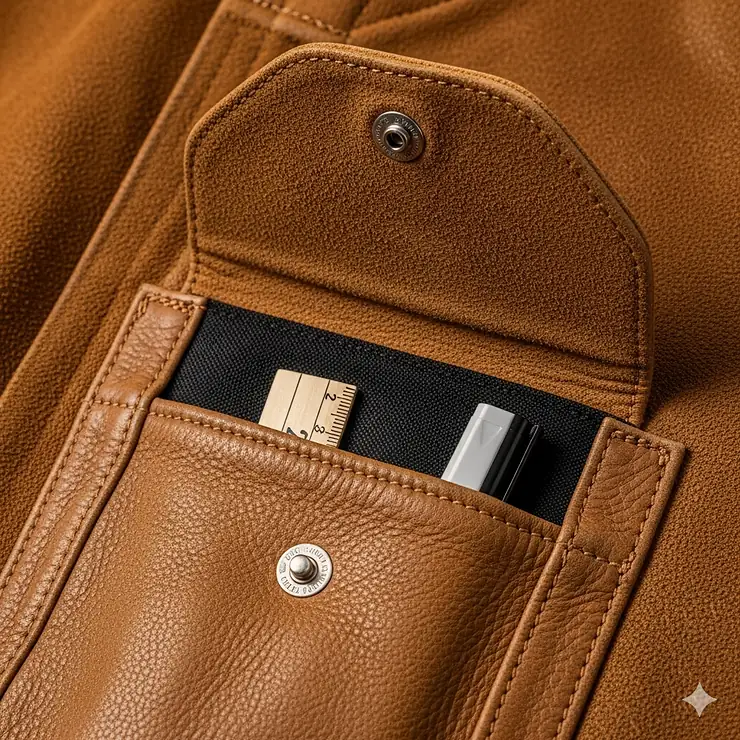
- Pockets: 4 total (2 sleeve soapstone pockets, inside/outside chest pockets)
- Adjustment Points: Neck, cuffs, and waist
- Price Range: $65-$95
The QeeLink jacket features adjustable components that ensure proper fit across different body types. The four-pocket configuration includes specialized soapstone pockets on each sleeve, essential for marking and measuring during welding operations.
Multi-Industry Applications:
- Steel mills and shipyards
- Automotive welding
- Manufacturing facilities
- Blacksmithing operations
- Gas welding and torch work
3. YESWELDER Black Leather Welding Jacket 🖤
The YESWELDER Black edition combines style with functionality, offering a sleek black leather construction that appeals to modern welders. This jacket provides full coverage protection while maintaining professional appearance standards.
Key Specifications:
- Material: Premium black leather
- Design: Full front and sleeve coverage
- Features: Heat and flame resistant construction
- Size Range: Small through XXL
- Price Range: $75-$120
Professional welders appreciate the YESWELDER’s balance between protection and comfort. The black leather construction hides minor staining and wear better than traditional brown leather options.
Don’t Miss These Exclusive Deals! 🔥
→ Take your welding safety to the next level with these carefully selected products. Click on any highlighted item to check current pricing and availability. These jackets will keep you protected while maintaining the mobility needed for quality work! ⚡
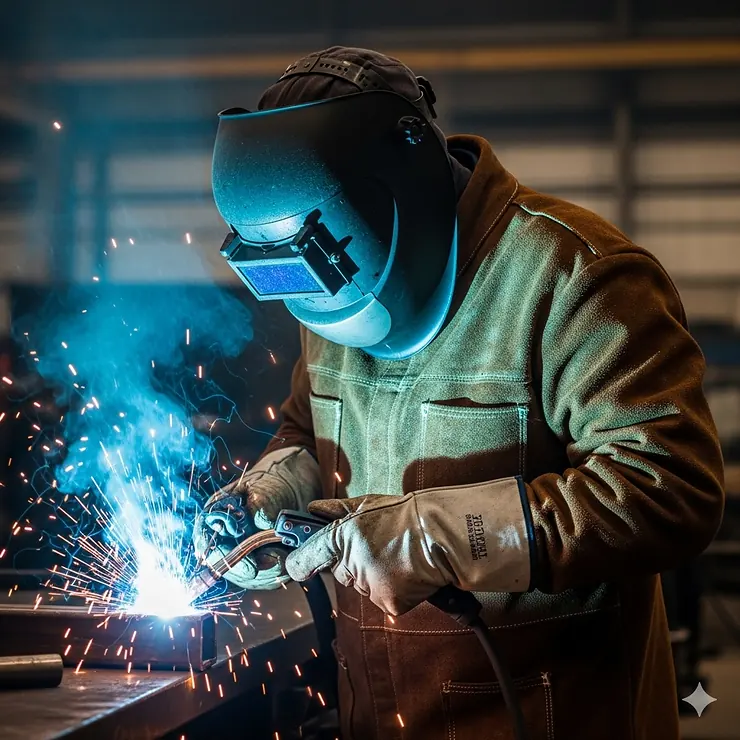
4. Awagas Cowhide Split Leather Safety Jacket 🐄
The Awagas Cowhide model delivers reliable protection with practical features designed for everyday welding tasks. This jacket emphasizes durability and value while maintaining essential safety characteristics.
Key Specifications:
- Material: Cowhide split leather
- Construction: Heavy-duty with reinforced stress points
- Pockets: 3 oversized utility pockets
- Protection: Heat, flame, and spark resistant
- Price Range: $55-$85
The three oversized pockets accommodate cell phones, tools, and personal items while keeping them protected from welding hazards. Users report excellent longevity even with frequent use in industrial environments.
5. Waylander DURIN Hybrid Leather Welding Jacket 🛡️
The Waylander DURIN represents innovative design in welding protection, combining split cowhide leather shoulders and sleeves with a flame-resistant cotton body. This hybrid approach optimizes both protection and comfort.
Key Specifications:
- Material: Split cowhide leather shoulders/sleeves, FR cotton body
- Special Features: Lined sleeves for comfort
- Size Range: XS through 5XL
- Closure: Hook-and-loop plus snap buttons
- Price Range: $90-$140
The lined sleeve design eliminates the sticky feeling common with full leather jackets, particularly beneficial during extended welding sessions. The cotton body provides superior breathability while maintaining flame resistance.
6. Miller Classic Cloth FR Cotton Jacket 🌟
While technically a cotton jacket, the Miller Classic deserves inclusion for its exceptional flame-resistant properties and widespread professional use. This 9-ounce cotton jacket provides reliable protection for lighter welding applications.
Key Specifications:
- Material: 9oz pre-shrunk flame-resistant cotton
- Design: Barracuda-style stand-up collar
- Features: Reinforced stitching, finished hems
- Applications: TIG welding, light-duty applications
- Price Range: $32-$65
The Miller Classic excels in applications where full leather protection isn’t necessary but flame resistance remains critical. Many professional shops maintain these jackets for specific tasks requiring enhanced mobility.
7. Black Stallion BSX FR Cotton Welding Jacket 🏇
The Black Stallion BSX series offers flame-resistant cotton protection with professional styling and durable construction. These jackets meet NFPA standards while providing excellent value for money.
Key Specifications:
- Material: 9oz flame-resistant cotton
- Standards: NFPA 2112 & NFPA 70E compliant
- Features: Welder’s collar, adjustable cuffs
- Applications: Light welding, cutting, grinding
- Price Range: $45-$75
Black Stallion jackets feature distinctive styling elements including flame graphics and professional branding that appeal to welders seeking both function and appearance.
Comprehensive Comparison Table: Specifications and Features 📊
| Model | Material Type | Price Range | Protection Level | Best Application | Key Features |
|---|---|---|---|---|---|
| Lincoln K2989 | Leather/FR Cotton | $158-$220 | Heavy-Duty | Stick Welding | Professional Grade |
| QeeLink Heavy Duty | Split Cowhide | $65-$95 | Medium-Heavy | Multi-Purpose | 4 Pockets |
| YESWELDER Black | Premium Leather | $75-$120 | Medium-Heavy | Professional Use | Sleek Design |
| Awagas Cowhide | Split Leather | $55-$85 | Medium | General Welding | Value Option |
| Waylander DURIN | Hybrid Design | $90-$140 | Medium | Comfort Focus | Lined Sleeves |
| Miller Classic | FR Cotton | $32-$65 | Light-Medium | TIG Welding | Breathable |
| Black Stallion BSX | FR Cotton | $45-$75 | Light-Medium | Light Duty | Style Options |
💬 Just one click – help others make better buying decisions too!😊
Industry-Specific Applications: Choosing the Right Protection Level 🏭
Different welding environments demand specific protection characteristics. Understanding these requirements helps select appropriate gear for maximum safety and efficiency.
Heavy Industrial Applications 🏗️
Steel mills, shipbuilding facilities, and heavy manufacturing operations require maximum protection levels. Workers in these environments face continuous exposure to high-amperage welding processes, overhead work, and confined spaces where spatter accumulation becomes problematic.
Recommended Protection Features:
- Full leather construction with minimal cotton components
- Heavy-duty split cowhide (minimum 1.2mm thickness)
- Reinforced stress points with rivets or double stitching
- Extended coverage including back panels
- Multiple adjustment points for secure fit
The Lincoln Electric K2989 excels in these demanding applications, providing professional-grade protection that withstands daily industrial use. Its combination of leather protection and breathable cotton back maintains comfort during extended shifts.
Automotive and Fabrication Shops 🚗
Medium-duty welding operations in automotive and general fabrication environments benefit from versatile protection that balances safety with mobility. These applications typically involve varied welding positions and frequent equipment changes.
Optimal Characteristics:
- Split cowhide leather on high-exposure areas
- Flame-resistant cotton in low-risk zones
- Multiple pocket configurations for tool storage
- Adjustable cuffs and collar for different tasks
- Easy care and maintenance requirements
The QeeLink Heavy Duty and Waylander DURIN models provide excellent solutions for these varied requirements, offering professional protection with enhanced comfort features.
Agricultural and Repair Applications 🚜
Farm equipment repair, mobile welding services, and maintenance operations often occur in outdoor environments with limited ventilation. These applications demand protection that performs reliably across varying weather conditions and work positions.
Essential Features:
- Weather-resistant leather treatment
- Reinforced knees and elbows for ground work
- Secure pocket closures to prevent tool loss
- Easy donning and removal for emergency situations
- Compatibility with fall protection equipment
Artistic and Precision Welding 🎨
Sculptural welding, jewelry making, and precision fabrication require enhanced dexterity while maintaining adequate protection. These applications often involve close work with detailed positioning requirements.
Specialized Requirements:
- Lightweight construction to reduce fatigue
- Minimal bulk around wrists and shoulders
- Enhanced visibility through lighter colors
- Easy cleaning to maintain professional appearance
- Compatibility with precision tools and accessories
The Miller Classic cotton jacket provides ideal protection for these applications, offering flame resistance without the bulk of full leather construction.
Advanced Technical Analysis: Material Science and Performance 🔬
Understanding the engineering principles behind welding jacket protection helps welders make informed equipment decisions. Modern protective clothing incorporates advanced materials science to optimize both safety and performance.
Leather Composition and Treatment Processes 🧪
Split cowhide leather used in quality welding jackets undergoes specialized processing to enhance flame resistance and durability. The tanning process determines final performance characteristics, with chrome-tanned leather offering superior heat resistance compared to vegetable-tanned alternatives.
Key Performance Metrics:
- Thermal Resistance: Quality leather withstands temperatures up to 500°F continuously
- Arc Thermal Performance Value (ATPV): 8-12 cal/cm² for professional-grade jackets
- Flame Spread Index: Less than 25 (ASTM E84 standard)
- Moisture Vapor Transmission: 150-300 g/m²/24hr for comfort
Scientific testing conducted by the American Society for Testing and Materials (ASTM) establishes performance standards that guide manufacturing specifications. ASTM F1506 standard defines thermal protective performance requirements for flame-resistant clothing used in industrial applications.
Flame-Resistant Cotton Technologies 🔥
Modern flame-resistant cotton incorporates chemical treatments or inherent fiber modifications to provide reliable protection. These technologies maintain breathability while ensuring safety in flash fire situations.
Treatment Categories:
- Proban® Process: Phosphorus-based flame retardant treatment
- Pyrovatex® Chemistry: Nitrogen-phosphorus flame retardant system
- Inherent FR Fibers: Nomex®, Kevlar®, and Meta-Aramid materials
- Modacrylic Blends: Synthetic fiber combinations with natural flame resistance
The effectiveness of flame-resistant treatments diminishes over time with washing and wear. Manufacturers typically guarantee flame resistance for 50 home washes or 25 commercial laundry cycles, after which replacement becomes necessary.
Hybrid Construction Advantages 💡
Advanced welding jackets like the Waylander DURIN combine multiple materials to optimize protection and comfort. This hybrid approach places maximum protection where needed most while enhancing overall wearability.
Engineering Benefits:
- Targeted Protection: Leather in high-risk areas, breathable materials elsewhere
- Thermal Management: Cotton back panels prevent heat buildup
- Weight Distribution: Balanced construction reduces fatigue
- Flexibility: Multi-material design maintains range of motion
Comprehensive Setup and Usage Guide: Maximizing Protection 👔
Proper selection, fitting, and maintenance of leather welding jackets directly impacts both safety and performance. Following established protocols ensures maximum protection throughout the equipment lifecycle.
Professional Fitting and Sizing Guidelines 📏
Correct jacket fit balances protection coverage with necessary mobility for quality welding. Improper sizing compromises both safety and work quality, making accurate measurement essential.
Critical Measurement Points:
- Chest Circumference: Measure around fullest part of chest
- Sleeve Length: From shoulder seam to wrist with arm extended
- Torso Length: From base of neck to desired coverage point
- Shoulder Width: Across back from shoulder point to shoulder point
Professional welding jackets should allow 2-4 inches of movement room while maintaining complete coverage during normal work positions. Arms raised overhead should not expose skin between jacket and gloves, while crouching positions must maintain back coverage.
Fit Verification Checklist:
✅ Can raise arms overhead without restriction
✅ Can bend and crouch without back exposure
✅ Sleeves cover wrists when arms extended
✅ Collar protects neck without limiting head movement
✅ Front closure remains secure during movement
Environmental Optimization and Safety Protocols 🌡️
Different welding environments require specific jacket configurations and usage protocols. Understanding these requirements prevents accidents and ensures compliance with safety standards.
High-Temperature Applications:
- Select maximum protection levels regardless of comfort impact
- Ensure adequate ventilation or cooling systems
- Implement mandatory hydration schedules
- Monitor workers for heat stress symptoms
- Provide shaded rest areas for cooling periods
Confined Space Operations:
- Choose jackets compatible with breathing apparatus
- Verify clearance through access openings
- Ensure emergency removal procedures are practiced
- Coordinate with safety personnel on entry protocols
- Maintain communication systems throughout operations
Overhead and Out-of-Position Work:
- Select extended coverage models with back protection
- Verify collar configuration prevents spatter entry
- Check cuff adjustments to seal against gloves
- Consider additional neck protection accessories
- Plan escape routes in case of emergency
User Compatibility and Ergonomic Considerations 🤸♂️
Modern welding operations demand equipment that supports rather than hinders productivity. Ergonomic considerations become increasingly important as shift lengths extend and production demands increase.
Physical Accommodation Factors:
- Body Type Variations: Different cuts for various physiques
- Age-Related Changes: Lightweight options for older workers
- Gender Differences: Women-specific sizing and styling
- Mobility Limitations: Adaptive designs for physical constraints
- Cultural Preferences: Modest coverage and religious considerations
The Waylander DURIN excels in ergonomic design with its extended size range (XS-5XL) and lined sleeve technology that eliminates the sticky feel common with traditional leather construction.
Maintenance and Longevity: Maximizing Equipment Investment 🧽
Proper care and maintenance significantly extend welding jacket service life while maintaining protection characteristics. Understanding correct procedures prevents premature failure and ensures consistent safety performance.
Daily Maintenance and Inspection Protocols 🔍
Consistent daily care prevents minor issues from becoming major problems. Professional welders should develop routine inspection habits that identify wear patterns before they compromise protection.
Pre-Shift Inspection Items:
- Closure Function: Test all snaps, buttons, and zippers
- Seam Integrity: Check stitching for loose threads or separation
- Material Condition: Look for cracks, holes, or thin spots
- Adjustment Mechanisms: Verify cuffs, collar, and waist adjusters work properly
- Contamination Check: Remove oil, grease, or flammable substances
Post-Shift Care Procedures:
- Spatter Removal: Clean metal particles while still warm
- Ventilation: Allow moisture to evaporate before storage
- Inspection Documentation: Record any damage or wear
- Proper Storage: Hang in dry, well-ventilated area
- Contamination Prevention: Store away from chemicals and solvents
Weekly and Monthly Maintenance Schedules 📅
Regular deep maintenance preserves protective characteristics and extends service life. Different materials require specific care procedures to maintain performance standards.
Weekly Leather Care:
- Conditioning Treatment: Apply leather conditioner to prevent cracking
- Deep Cleaning: Remove embedded dirt and contamination
- Flexibility Check: Verify material remains supple
- Hardware Inspection: Clean and lubricate metal components
- Documentation Update: Record maintenance performed
Monthly Assessment Protocol:
- Thermal Protection Test: Visual inspection for heat damage
- Structural Integrity: Comprehensive seam and material evaluation
- Replacement Planning: Assess remaining service life
- Performance Verification: Confirm continued safety compliance
- Cost Analysis: Calculate replacement versus repair economics
Replacement Parts and Warranty Considerations 🔧
Understanding manufacturer warranty terms and replacement part availability influences long-term ownership costs. Professional-grade equipment typically offers superior warranty coverage and part support.
Common Replacement Components:
- Snap Fasteners: Most frequently replaced hardware items
- Cuff Adjusters: Subject to wear from frequent adjustment
- Zipper Systems: May require replacement in harsh environments
- Collar Components: Wear from frequent movement and adjustment
- Pocket Hardware: Stress from tool weight and movement
The Lincoln Electric K2989 provides excellent warranty support through authorized dealers, while brands like QeeLink offer direct manufacturer replacement parts for common wear items.
Comparative Analysis: Traditional vs Modern Approaches 🆚
The evolution of welding protection reflects both technological advancement and changing workplace requirements. Understanding these differences helps welders choose between traditional and modern approaches.
Traditional Full-Leather Construction 🐄
Historical welding protection relied primarily on thick, full-leather construction for maximum protection. While effective, these traditional approaches often sacrificed comfort and mobility for comprehensive safety.
Traditional Advantages:
- Maximum Protection: Complete leather coverage provides uniform protection
- Proven Performance: Decades of successful industrial use
- Durability: Heavy leather construction withstands extreme abuse
- Simplicity: Minimal components reduce maintenance requirements
- Professional Acceptance: Widely recognized and accepted safety standard
Traditional Limitations:
- Weight Burden: Heavy construction causes fatigue
- Heat Retention: Poor breathability leads to overheating
- Limited Flexibility: Restricts movement and precision
- Maintenance Intensive: Requires regular conditioning and care
- Comfort Issues: Stiff materials cause chafing and discomfort
Modern Hybrid Technologies 🚀
Contemporary welding jackets incorporate advanced materials and engineering to optimize the protection-comfort balance. These innovations address traditional limitations while maintaining safety standards.
Modern Innovations:
- Material Combinations: Strategic placement of different protective materials
- Ventilation Systems: Engineered airflow for thermal management
- Ergonomic Design: Body-mapping for natural movement patterns
- Lightweight Construction: Advanced materials reduce overall weight
- Easy Care: Simplified maintenance procedures
Performance Comparisons:
- Protection Level: Equivalent safety with improved comfort
- Durability: Advanced materials often exceed traditional longevity
- User Acceptance: Higher compliance due to improved wearability
- Cost Effectiveness: Better value through extended service life
- Versatility: Suitable for broader range of applications
Case Studies and Success Stories: Real-World Implementation 📈
Professional welding operations provide valuable insights into equipment performance under actual working conditions. These case studies demonstrate practical benefits and limitations of different jacket types.
Case Study 1: Heavy Industrial Shipyard Implementation 🚢
Background: A major shipbuilding facility with 200+ welders sought to improve safety compliance while reducing heat-related incidents.
Challenge: Existing full-leather jackets caused heat stress problems during summer months, leading to compliance issues and safety concerns.
Solution: Implemented Lincoln Electric K2989 jackets with FR cotton back panels across all welding operations.
Results After 12 Months:
- 40% reduction in heat-related safety incidents
- 15% improvement in safety compliance rates
- 25% decrease in jacket replacement frequency
- 98% positive feedback from welding staff
- ROI achieved within 8 months through reduced medical costs
Key Success Factors:
- Proper sizing and fitting procedures
- Comprehensive training on care and maintenance
- Gradual rollout with feedback incorporation
- Supervisor buy-in and enforcement
- Regular performance monitoring and adjustment
Case Study 2: Automotive Manufacturing Quality Improvement 🏭
Background: Automotive parts manufacturer experiencing quality issues traced to welder fatigue and restricted movement.
Challenge: Heavy protective equipment limited precision in critical welding operations, affecting product quality and production rates.
Solution: Transitioned to Waylander DURIN hybrid jackets for precision welding stations.
Measured Outcomes:
- 22% improvement in weld quality scores
- 18% increase in production efficiency
- 60% reduction in welder fatigue complaints
- 30% decrease in repetitive motion injuries
- $45,000 annual savings in rework costs
Implementation Lessons:
- User involvement in selection process crucial for success
- Training on proper use maximizes benefits
- Regular feedback sessions identify improvement opportunities
- Phased implementation reduces operational disruption
- Cost-benefit analysis validates investment decisions
Case Study 3: Mobile Welding Service Optimization 🚛
Background: Regional welding service company operating across diverse environmental conditions and applications.
Challenge: Single jacket type couldn’t address varied requirements from agricultural repair to precision fabrication.
Solution: Implemented tiered jacket system using multiple models based on application requirements.
System Configuration:
- Heavy-Duty Applications: Lincoln Electric K2989
- General Purpose Work: QeeLink Heavy Duty
- Precision Tasks: Miller Classic Cotton
- Customer-Facing Work: YESWELDER Black
Business Benefits:
- 35% improvement in customer satisfaction scores
- 20% reduction in equipment replacement costs
- 50% decrease in work-related burn incidents
- 25% increase in service efficiency
- Enhanced professional image and customer confidence
Future Trends and Market Evolution 🔮
The welding protection industry continues evolving through technological advancement, regulatory changes, and shifting user expectations. Understanding these trends helps professionals make informed equipment investments.
Emerging Technologies and Innovation Directions 🧬
Advanced materials science drives next-generation protection development. Research focuses on enhancing performance while reducing weight, bulk, and maintenance requirements.
Material Innovation Trends:
- Nanotechnology Integration: Enhanced flame resistance through molecular-level modifications
- Smart Fabrics: Temperature-responsive materials that adapt to conditions
- Bio-Based Materials: Sustainable alternatives to traditional leather and synthetic options
- Multi-Functional Coatings: Single treatments providing multiple protective characteristics
- Recycling Technologies: Circular economy approaches to protective equipment
Design Evolution Patterns:
- Modular Systems: Interchangeable components for application-specific configuration
- Integrated Electronics: Sensors monitoring exposure levels and equipment condition
- Ergonomic Optimization: AI-driven design based on movement analysis
- Customization Technology: 3D scanning and printing for perfect fit
- Predictive Maintenance: IoT integration for proactive replacement scheduling
Sustainability and Environmental Considerations 🌱
Environmental awareness increasingly influences purchasing decisions as organizations seek to reduce ecological impact while maintaining safety standards.
Sustainable Manufacturing Approaches:
- Ethical Leather Sourcing: Responsible animal welfare and environmental practices
- Chemical Reduction: Minimizing toxic substances in treatment processes
- Energy Efficiency: Renewable energy adoption in manufacturing facilities
- Waste Minimization: Zero-waste production goals and material recovery
- Transportation Optimization: Local sourcing and distribution network efficiency
End-of-Life Considerations:
- Repair and Refurbishment: Extending service life through professional restoration
- Material Recovery: Recycling leather and synthetic components
- Biodegradable Options: Natural materials that decompose safely
- Take-Back Programs: Manufacturer-sponsored collection and processing
- Circular Economy Models: Closed-loop systems minimizing waste
Market Personalization and Customization Trends 👤
Individual preferences and specialized requirements drive demand for customized protective equipment. Modern manufacturing capabilities enable cost-effective personalization previously available only to large organizations.
Customization Options:
- Fit Optimization: Body scanning technology for perfect sizing
- Feature Selection: Modular pocket and adjustment configurations
- Color Preferences: Expanded palette including safety and style options
- Logo Integration: Professional branding and identification systems
- Performance Tuning: Application-specific material and design modifications
Market Segmentation Evolution:
- Gender-Specific Design: Women’s welding apparel market expansion
- Age-Appropriate Options: Lightweight alternatives for mature workers
- Cultural Adaptation: Modest coverage and religious accommodation
- Disability Accommodation: Adaptive designs for physical limitations
- Economic Tiers: Expanded options across all price ranges
Investment and Purchase Decision Framework 💰
Selecting optimal welding protection requires systematic evaluation of multiple factors including initial cost, operational expenses, and long-term value. This framework provides structure for making informed equipment investments.
Total Cost of Ownership Analysis 📊
Professional equipment evaluation extends beyond purchase price to include all costs throughout the service life. This comprehensive approach reveals true value and guides optimal selection.
Initial Investment Components:
- Base Equipment Cost: Jacket purchase price
- Sizing and Fitting: Professional measurement and selection services
- Training Expenses: User education on proper use and care
- Support Equipment: Storage, cleaning, and maintenance supplies
- Implementation Costs: Program development and rollout expenses
Operational Cost Factors:
- Replacement Frequency: Service life and replacement cycle costs
- Maintenance Requirements: Cleaning, conditioning, and repair expenses
- Productivity Impact: Comfort and mobility effects on work efficiency
- Safety Performance: Medical costs and insurance implications
- Compliance Costs: Regulatory requirements and audit expenses
Financial Analysis Example: A $180 premium jacket used 250 days annually with 3-year service life costs $0.24 per day. A $60 economy jacket lasting 1 year costs $0.24 per day but requires more frequent replacement and may compromise safety performance.
ROI Calculation and Value Metrics 💡
Return on investment calculations help justify equipment expenses and demonstrate value to stakeholders. Multiple metrics provide comprehensive value assessment.
Quantifiable Benefits:
- Injury Reduction: Decreased medical costs and workers’ compensation claims
- Productivity Improvement: Enhanced efficiency through better comfort and mobility
- Replacement Savings: Extended service life compared to basic alternatives
- Maintenance Reduction: Lower care requirements for advanced materials
- Compliance Value: Reduced audit costs and regulatory penalties
ROI Calculation Framework:
Annual Benefit = (Injury Savings + Productivity Gains + Maintenance Savings)
Annual Cost = (Equipment Cost / Service Life) + Maintenance Expenses
ROI = (Annual Benefit - Annual Cost) / Annual Cost × 100%
Example ROI Analysis: Premium jacket ($180, 3-year life): Annual cost = $60 + $10 maintenance = $70 Benefits: $150 injury reduction + $100 productivity + $50 maintenance = $300 ROI = ($300 – $70) / $70 = 329% annual return
Budget Planning and Financing Strategies 💳
Professional organizations require structured approaches to equipment acquisition that align with budget cycles and cash flow requirements.
Budget Category Allocation:
- Safety Equipment: 5-8% of total operational budget
- Replacement Reserve: 20-30% of safety equipment budget
- Training Investment: 10-15% of equipment purchase cost
- Maintenance Supplies: 5-10% of equipment value annually
- Emergency Replacement: 15-20% contingency for unexpected needs
Financing Alternatives:
- Direct Purchase: Full payment for maximum value
- Leasing Programs: Spreads costs over service life
- Rent-to-Own: Flexibility for trial periods
- Bulk Purchasing: Volume discounts for large organizations
- Manufacturer Financing: Specialized programs from equipment suppliers
Decision Criteria and Evaluation Matrices 📋
Structured evaluation processes ensure optimal equipment selection while considering all relevant factors. This systematic approach minimizes subjective bias and improves decision quality.
Primary Evaluation Criteria:
- Protection Level (Weight: 30%): Thermal protection and safety compliance
- Comfort and Fit (Weight: 25%): User acceptance and productivity impact
- Durability and Value (Weight: 20%): Service life and total cost of ownership
- Application Suitability (Weight: 15%): Match to specific work requirements
- Support and Service (Weight: 10%): Manufacturer backing and part availability
Scoring Matrix Example:
| Criteria | Lincoln K2989 | QeeLink HD | Waylander DURIN | Miller Classic |
|---|---|---|---|---|
| Protection (30%) | 9.5 | 8.0 | 7.5 | 6.0 |
| Comfort (25%) | 7.5 | 7.0 | 9.0 | 9.5 |
| Durability (20%) | 9.0 | 8.5 | 8.0 | 7.0 |
| Application (15%) | 9.5 | 8.5 | 8.0 | 7.5 |
| Support (10%) | 9.0 | 7.5 | 8.0 | 8.5 |
| Weighted Score | 8.7 | 7.9 | 8.1 | 7.4 |
Give Your Safety the Upgrade It Deserves! 🛡️
→ Ready to invest in professional-grade protection? These top-rated leather welding jackets combine proven safety performance with the comfort and durability you need for daily use. Compare specifications and find your perfect match today! ⭐
Quick Reference Comparison Tables 📚
Protection Level Comparison
| Application Type | Required Protection | Recommended Models | Key Features |
|---|---|---|---|
| Heavy Industrial | Maximum | Lincoln K2989, QeeLink HD | Full leather, reinforced construction |
| General Fabrication | Medium-High | YESWELDER, Awagas | Balanced protection/comfort |
| Precision Work | Light-Medium | Miller Classic, Waylander | Enhanced mobility, breathability |
| Artistic Welding | Light | Miller Classic, Black Stallion | Lightweight, easy cleaning |
Size and Fit Guide
| Chest Size | Small | Medium | Large | XL | XXL | XXXL |
|---|---|---|---|---|---|---|
| Inches | 34-36 | 38-40 | 42-44 | 46-48 | 50-52 | 54-56 |
| Sleeve Length | 32″ | 33″ | 34″ | 35″ | 36″ | 37″ |
| Jacket Length | 28″ | 29″ | 30″ | 31″ | 32″ | 33″ |
Price Range Analysis
| Budget Category | Price Range | Best Options | Value Proposition |
|---|---|---|---|
| Economy | $30-$60 | Miller Classic, Black Stallion | Basic protection, good value |
| Mid-Range | $60-$100 | QeeLink, Awagas, YESWELDER | Professional features, balance |
| Premium | $100-$200+ | Lincoln K2989, Waylander | Maximum protection, durability |
Frequently Asked Questions 🙋♂️
❓ How long should a leather welding jacket last with daily use?
❓ What's the difference between split cowhide and full grain leather for welding jackets?
❓ Can flame resistant cotton jackets provide adequate protection for stick welding?
❓ How do I properly clean and maintain my leather welding jacket?
❓ What safety standards should I look for when buying a welding jacket?
Recommended for You
- 7 Best Racing Jacket Mens: Ultimate Protection & Style Guide 2025
- 7 Best Racing Leather Jacket Options That Will Transform Your Ride in 2025
- 7 Best Vintage Racing Jacket Styles That Scream Speed and Nostalgia in 2025
Disclaimer: This article contains affiliate links. If you purchase products through these links, we may earn a small commission at no additional cost to you. *
✨ Found this helpful? Share it with your friends! 💬🤗
