
In This Article
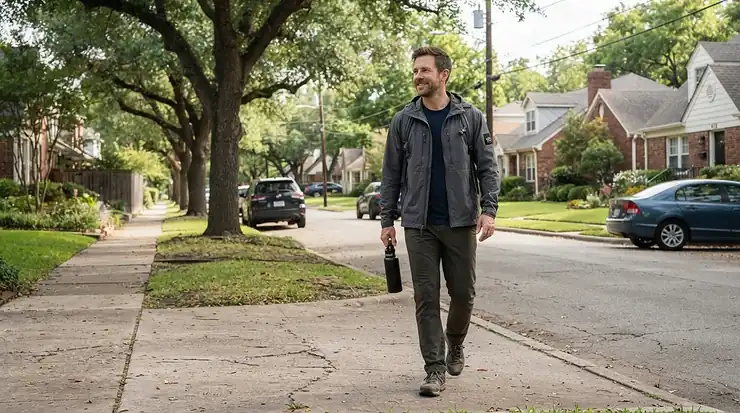
There’s a reason a military style jacket men have worn for decades keeps resurfacing in every fall lookbook, every airport terminal, every off-duty photo of guys who otherwise dress like they’ve never heard of a trend cycle. It’s not really a trend at all — it’s leftover battlefield engineering that happened to look good on civilians. A military style jacket is any civilian-market outerwear piece built on genuine armed-forces patterns — the M-65 field coat, the MA-1 bomber, the classic olive drab utility jacket — reworked with modern fabrics and fits for everyday wear. That’s the whole definition, and it explains why these jackets survive: they were never designed to look cool, only to work, and function has a funny way of aging better than fashion.
This guide walks through seven real, currently available jackets spanning budget surplus reproductions to the actual heritage brand that still holds military contracts. We’ll compare specs honestly, flag where reviewers consistently complain, and give you styling scenarios that go beyond “wear it with jeans.” As background on how this category got here, the M-1965 field jacket’s service history explains a lot about why the silhouette still dominates outerwear racks sixty years later. Whether you’re chasing an army field jacket for actual cold-weather utility or a military bomber jacket men wear as a lighter transitional layer, the right pick depends on climate, build, and how much “costume” versus “clothing” you want the final look to read as.
Quick Comparison Table
Before the deep dives, here’s the fast version for anyone shopping on a lunch break.
| Product | Style | Price Range | Best For |
|---|---|---|---|
| Rothco M-65 Field Jacket | Field jacket | Under $90 | Budget-first buyers who still want a true olive drab jacket |
| TACVASEN Multi-Pocket Field Jacket | Field jacket | Under $60 | Maximum pocket storage on the tightest budget |
| Levi’s Washed Cotton Hooded Military Jacket | Lifestyle military jacket | $100–$150 range | Everyday civilian styling, least “tactical” look |
| Propper M65 Field Coat | Field jacket | $90–$130 range | Buyers who want issue-grade construction without full retail price |
| Alpha Industries M-65 Field Coat | Field jacket | $150–$200 range | Long-term durability and the most authentic silhouette |
| Alpha Industries MA-1 Bomber Jacket | Bomber jacket | $180–$230 range | Cold-morning commuting and classic flight-jacket styling |
| Rothco MA-1 Flight Jacket | Bomber jacket | Under $70 | Bomber shape on a first-jacket budget |
Look at the spread here and a pattern jumps out immediately: this category rewards patience more than most menswear buys. The Rothco M-65 Field Jacket and Rothco MA-1 Flight Jacket prove you can get the correct silhouette without touching the higher end, but the Alpha Industries M-65 Field Coat and Alpha Industries MA-1 Bomber Jacket justify their premium with fabric weights and hardware you can actually feel in hand. The middle tier — Levi’s Washed Cotton Hooded Military Jacket and Propper M65 Field Coat — splits the difference in very different directions: one leans lifestyle, one leans functional.
💬 Just one click — help others make better buying decisions too! 😊
Top 7 Military Style Jackets for Men: Expert Analysis
Seven jackets, three price tiers, two silhouettes. Here’s what actually separates them once you look past the marketing copy.
1. Rothco M-65 Field Jacket — budget classic in true olive drab
Rothco has been turning out mil-surplus-adjacent gear since 1953, and this M-65 reproduction is the brand’s bread and butter. The shell mixes cotton and nylon in a weight built for wind resistance rather than insulation on its own, which is why the jacket ships with a separate button-in liner as an add-on rather than something sewn permanently into the shell.
In practice, that means you’re buying a three-season shell first and deciding on winter insulation separately — a smart way to avoid paying for warmth you won’t need in October. Based on the spec comparison with pricier options, this is the jacket for someone who wants the correct four-pocket, bi-swing-back M-65 pattern without paying heritage-brand prices.
Reviewers consistently report that the olive drab colorway runs true to the original military shade rather than a washed-out fashion imitation, and a common complaint in user reviews is that the exterior fabric feels stiffer out of the bag than expected, loosening up only after a few wears and washes.
Pros:
- ✅ Authentic olive drab shade, not a fashion-washed imitation
- ✅ Real four-pocket M-65 pattern at a genuinely low price
- ✅ Liner sold separately so you’re not overpaying for unused insulation
Cons:
- ❌ Shell fabric feels stiff and noisy until it’s been worn in
- ❌ Hardware (zipper pull, snaps) feels lighter-duty than the Alpha version
At under $90, this is the easiest entry point into the category, and the value verdict is straightforward: if you’re not sure you’ll wear a field jacket regularly, start here before committing to a pricier version.

2. TACVASEN Multi-Pocket Field Jacket — most storage per dollar
TACVASEN’s approach to the military jacket category leans tactical rather than vintage-military, and the standout feature is pocket count — this jacket ships with nine total storage points, including dedicated arm pockets that most field jacket designs skip entirely. The ribbed cuffs, collar, and hem trap warmth better than a straight cotton hem would, and the stand collar’s zip-plus-snap closure blocks wind at the neck, which is usually the first place a lightweight jacket fails you.
What most buyers overlook about this model is that it’s marketed as a lightweight three-season piece, not a true cold-weather field coat — so if you’re expecting M-65-level warmth for the price, you’ll be disappointed. It’s better understood as a rugged, low-cost daily driver for commuting, work sites, or casual layering rather than a genuine cold-weather replacement.
Aggregated reviewer sentiment skews positive on the pocket layout and fit through the shoulders, though some buyers note the fabric feels more “outdoor workwear” than “military heritage” up close.
Pros:
- ✅ Nine total pockets, more functional storage than most field jackets
- ✅ Ribbed cuffs and collar genuinely block wind at entry points
- ✅ Works for daily wear, work sites, and casual outdoor activity alike
Cons:
- ❌ Not built for genuine cold-weather use despite the field jacket look
- ❌ Fabric reads more “tactical workwear” than authentic military surplus
Under $60, this is arguably the best value pick if pockets and daily durability matter more to you than historical accuracy.
3. Levi’s Washed Cotton Hooded Military Jacket — easiest everyday crossover
Levi’s took the military jacket silhouette and deliberately softened its edges for a denim-brand customer who wants the look without the surplus-store association. The 100% heavyweight cotton shell is treated with a garment wash that gives it a broken-in look from day one — no waiting for stiff fabric to relax like you’ll get with true-surplus reproductions. Based on the spec comparison, the removable hood and zip-out design mean this jacket flexes between three seasons more easily than a fixed-hood field coat, and the stand collar with exposed zipper detail reads more streetwear than combat-issue, which is exactly the point. Reviewers consistently note the jacket runs true to size and layers comfortably over a hoodie, with the most common praise centering on the warmth-to-weight ratio and the “not too casual, not too formal” styling range — genuinely useful phrasing straight from aggregated customer sentiment on the product listing.
Pros:
- ✅ Garment-washed cotton feels broken-in immediately, no stiff break-in period
- ✅ Removable hood adds real three-season versatility
- ✅ Styles cleanly with both jeans and slightly dressier trousers
Cons:
- ❌ Less water-resistant than a true field jacket shell
- ❌ Snap and zipper hardware skews fashion-grade, not mil-spec durability
In the $100–$150 range, this is the pick for readers whose primary goal is styling flexibility rather than tactical function.
4. Propper M65 Field Coat — closest to issue-grade build
Propper has supplied military and law enforcement gear since 1967, and unlike the fashion-first brands on this list, this M65 is sewn from an 8.5oz 50/50 nylon-cotton sateen blend that’s genuinely closer to mil-spec fabric than most reproductions bother with. What most buyers overlook about this model is the durable water repellent (DWR) finish — a treatment that actually sheds light rain and stains rather than just claiming water resistance on the tag. The bi-swing shoulders (extra pleated fabric built into the back panel) genuinely widen your range of motion, something you’ll notice the first time you reach overhead in a cheaper jacket and feel the shoulders pull. Based on aggregated review sentiment, buyers consistently praise the accurate sizing and overall fit, with the most common critique centered on mixed opinions about the zipper and snap hardware feeling slightly utilitarian rather than premium.
Pros:
- ✅ True mil-spec-adjacent nylon-cotton sateen fabric blend
- ✅ DWR finish provides genuine light-rain and stain resistance
- ✅ Bi-swing shoulder construction noticeably improves arm mobility
Cons:
- ❌ Hardware finish reads more functional than premium to the eye
- ❌ Sizing runs closer to true-to-size than the deliberately oversized Alpha cut
Priced in the $90–$130 range, this is the sweet spot for anyone who wants genuine tactical-grade construction without paying heritage-brand markup.
5. Alpha Industries M-65 Field Coat — the original brand, refined fit
Alpha Industries has manufactured field jackets to military specification since 1959, and that lineage shows up in details competitors skip. The 50% cotton/50% nylon shell paired with a 65% cotton/35% polyester lining is heavier and more structured than the Rothco version at nearly every touchpoint, and the brass zipper plus snap-fastener closures feel notably more substantial in hand.
What the spec sheet won’t tell you, but reviewers note, is that the “core fit” runs deliberately oversized in the body and sleeves — true to the original 1965 design intended for layering gear underneath, which means smaller-framed buyers should size down rather than assuming standard fit. On the slim-fit variant specifically, aggregated reviews consistently flag it as running snugger than expected, with multiple buyers recommending you order one size up from your usual jacket size.
The concealed hood, drawcords at waist and hem, and bi-swing back all function exactly as they did on the original combat pattern, just executed with better fabric consistency than most reproductions.
Pros:
- ✅ Heaviest, most durable fabric construction in this lineup
- ✅ Brass zipper and hardware feel built to outlast the jacket itself
- ✅ Most historically accurate silhouette of any option here
Cons:
- ❌ Oversized core fit requires careful size selection
- ❌ Highest price point among the field-jacket options on this list
At $150–$200, this is the buy-it-once option — the jacket most likely to still look right in a decade, which is the real ROI argument for spending more upfront.
6. Alpha Industries MA-1 Bomber Jacket — the bomber that started it all
Alpha Industries won the original U.S. Air Force MA-1 manufacturing contract in the 1960s, and this current version keeps the jacket as close to military specification as a civilian retail product can get. The mid-weight flight nylon shell with polyester interlining was engineered to keep pilots comfortable across a wide temperature range without the bulk of the leather jackets it replaced, and that all-season flexibility carries over directly to civilian wear — this is a jacket for 20–50°F weather rather than deep winter.
The bright orange interior lining is a direct holdover from the jacket’s rescue-signaling function (pilots could reverse it for high visibility), and it remains the single most recognizable design detail that separates a real MA-1 from generic bomber knockoffs.
Based on aggregated customer sentiment, the recurring theme across reviews is fit: buyers consistently report the jacket runs small through the chest and sleeves, with the near-universal recommendation to size up one full size from your typical jacket measurement.
Pros:
- ✅ Genuine military-contract lineage and construction accuracy
- ✅ Reversible-inspired orange lining is instantly recognizable and authentic
- ✅ Mid-weight nylon performs well across a wide three-season range
Cons:
- ❌ Runs noticeably small; sizing up is close to mandatory
- ❌ Front pockets sit higher on the body than most buyers expect
In the $180–$230 range, this is the pick for buyers who specifically want the flight-jacket silhouette rather than the field-jacket one, and who plan to wear it as a daily cold-weather layer rather than an occasional statement piece.
7. Rothco MA-1 Flight Jacket — budget bomber, same silhouette
Rothco’s take on the MA-1 keeps the core bomber shape — knit collar, cuffs and hem, snap-flap side pockets — at a fraction of the Alpha price. The nylon shell is treated to be water-repellent, and the overall build targets casual and outdoor use rather than genuine flight-jacket duty, which is an honest trade-off given the price gap.
Here’s what to weigh: you’re getting the recognizable bomber outline and most of the styling payoff, but the interlining is noticeably thinner than the mid-weight construction on the Alpha version, meaning this jacket performs better as a wind-blocking layer over a hoodie than as standalone cold-weather protection.
Reviewers consistently frame this as a solid “first bomber jacket” purchase — a way to confirm you actually like the silhouette before committing to a heritage-brand price tag, though a common complaint is that the shell fabric feels thinner and less substantial than expected at first unboxing.
Pros:
- ✅ Recognizable MA-1 silhouette at a fraction of the premium price
- ✅ Water-repellent nylon shell handles light wind and drizzle
- ✅ Solid low-risk way to test the bomber style before upgrading
Cons:
- ❌ Thinner interlining means less standalone cold-weather performance
- ❌ Shell fabric feels less substantial than the mid-weight Alpha version
Under $70, this is the trial-run option — buy it, wear it for a season, and decide from real experience whether the bomber shape earns a spot in permanent rotation.
How to Style a Military Jacket: Outfit Ideas for Every Occasion
The mistake most guys make with field jacket outfit ideas is treating the jacket as the whole outfit instead of one structured piece that needs a plan around it. For weekend casual, keep it simple: a plain crewneck tee tucked into slim jeans, white leather sneakers, and let the jacket’s boxiness be the only loose element in the fit — everything underneath should be lean so the silhouette doesn’t read as shapeless. For smart casual, swap the tee for an oxford button-down (worn open, collar visible) with chinos and clean leather boots; the field jacket essentially replaces a blazer here, and it works because the structured shoulders and defined waist do the same visual job a sport coat would. For genuinely cold days, layer a chunky cardigan or fleece underneath rather than piling on a second jacket — the field coat’s oversized cut was designed exactly for this kind of under-layering, so use that extra room instead of fighting it. One styling rule that trips people up: always use the drawstrings at the waist and hem. An uncinched field jacket looks like a tent regardless of how good the fabric is, and thirty seconds of cinching transforms the whole silhouette from shapeless to intentional.
✨ Don’t Miss These Exclusive Deals!
🔍 Take your outerwear rotation to the next level with these carefully selected picks. Click on any highlighted item to check current pricing and availability — these jackets will help you build an authentic military-inspired wardrobe you’ll actually reach for all season.
Olive Drab Jacket Styling: Real-World Scenarios for Different Guys
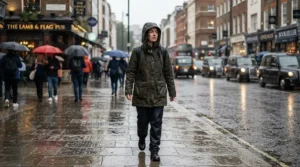
Olive drab jacket styling gets easier once you stop thinking about “the jacket” and start thinking about who’s wearing it and why. Consider a college student commuting eight miles daily by bike or bus in a mild-winter city: he needs something that layers over a hoodie without adding bulk, survives being stuffed in a backpack, and doesn’t cost enough to panic over a scuff — the TACVASEN Multi-Pocket Field Jacket or Rothco M-65 Field Jacket both fit that brief, with the pocket count on the TACVASEN option doubling as textbook and phone storage. Now picture a office worker in a business-casual environment who wants one jacket that reads “put-together” over a knit sweater on the walk to the train: the Levi’s Washed Cotton Hooded Military Jacket is the obvious answer, since its garment-washed finish and removable hood keep it from ever tipping into “costume” territory in a professional setting. Finally, consider someone in a genuinely cold climate — upper Midwest or Northeast winters — who wants one jacket to handle years of daily wear without replacement: that’s where the Alpha Industries M-65 Field Coat earns its higher price tag, since the heavier fabric and liner system are built for repeated exposure to real weather rather than mild-climate styling. Matching the jacket to the actual use case, not just the aesthetic, is the difference between a jacket you wear fifty times a year and one that sits in the closet after the first cold snap.
Common Military Jacket Problems (And How to Actually Fix Them)
Problem one: a brand-new field jacket feels stiff and almost cardboard-like. Solution: wash it once on a gentle cold cycle (check the care tag first — some Alpha and Propper models specify hand-wash only) and the cotton-nylon blend will relax noticeably within one or two wears. Problem two: the jacket looks shapeless and boxy no matter what you wear under it. Solution: this is almost always a drawstring problem, not a fit problem — cinch the waist and hem cords before judging the silhouette. Problem three: a bomber jacket runs tight across the chest and shoulders when you try it on. Solution: both the Alpha Industries MA-1 and its Rothco counterpart are reported to run small by a wide margin of reviewers, so order one size above your usual jacket size rather than your normal shirt size. Problem four: the field jacket looks great in cold weather but overheats you the moment you step indoors. Solution: buy the liner separately if your jacket supports it, so you can strip down to just the shell in warmer indoor environments rather than being stuck in a fully-insulated piece all day. Problem five: velcro cuff closures lose their grip after repeated use. Solution: this is a known wear point on both surplus and premium models — a quick trim of the hook-side velcro with scissors restores most of the original grip when it starts feeling loose.
How to Choose a Military Style Jacket Men Will Actually Wear
- Decide field jacket or bomber jacket first. These solve different problems — a field coat handles genuine cold and layering, a bomber handles milder three-season wear with a slimmer silhouette.
- Match fabric weight to your actual climate, not the climate you wish you lived in. A lightweight nylon bomber won’t replace a proper winter coat no matter how good it looks.
- Check the sizing notes for that specific model. As covered above, MA-1 bombers in particular run small across nearly every brand, while M-65 field jackets tend to run intentionally oversized.
- Prioritize hardware quality if you plan daily wear. Zippers and snaps are the first failure point on a cheap jacket, so read reviews specifically for hardware complaints before price-shopping.
- Decide how “authentic” versus “styled” you want the look. Genuine reproductions like Rothco and Propper read more surplus-store; Levi’s and similar lifestyle brands soften the look for office-adjacent settings.
- Budget for a liner separately if you need real cold-weather performance, rather than assuming a shell-only jacket will cover you through a full winter.
- Try before you commit to a color beyond olive drab. Black and navy versions exist across nearly every model here and photograph very differently under indoor versus outdoor light.
Army Field Jacket vs Military Bomber Jacket Men: Which Wins?
The honest answer is that these solve different problems, and picking based on looks alone is how jackets end up unworn in a closet. An army field jacket — the M-65 pattern specifically — was built for layering over combat gear in genuinely cold, wet conditions, which is why it’s boxier, longer (hip to upper-thigh length), and includes a stowable hood as standard. A military bomber jacket like the MA-1 was built for pilots who needed a jacket that worked comfortably across a wide temperature range without bulk, which is why it’s shorter, slimmer through the body, and has knit cuffs and hem instead of drawstrings — a design choice covered in detail in the MA-1 bomber jacket’s documented service history. In practice, that history still shapes how each performs today: field jackets win for actual cold-weather utility and pocket storage, while bombers win for a cleaner, more streamlined silhouette that layers better under a backpack or messenger bag strap. If you split your time between commuting by bike (where a slim bomber won’t catch wind) and standing outside for extended periods (where a field jacket’s extra room and hood matter), the honest answer is that most guys eventually own one of each rather than picking a permanent favorite.
| Factor | Field Jacket (M-65 style) | Bomber Jacket (MA-1 style) |
|---|---|---|
| Silhouette | Boxy, longer length | Slim, hip-length |
| Best climate range | Cold, wet conditions | Mild to moderately cold |
| Storage | 4+ pockets standard | 2–3 pockets typical |
| Layering room | Built for bulk underneath | Designed to be worn close to body |
| Best For | Alpha Industries M-65 Field Coat, Propper M65 Field Coat | Alpha Industries MA-1 Bomber Jacket, Rothco MA-1 Flight Jacket |
Looking at the comparison above, the field jacket category clearly wins on raw pocket storage and cold-weather range, but the bomber category wins on everyday styling flexibility under bags and layers. Budget buyers should note that the price gap narrows considerably at the Rothco tier, so cost alone shouldn’t be the deciding factor between the two silhouettes — climate and daily routine should.

Common Mistakes When Buying an Army Field Jacket Men Regret Later
The single most common mistake is ordering true-to-shirt-size instead of accounting for the jacket’s intended oversized fit — an M-65 designed for layering gear underneath will look enormous over just a t-shirt if you don’t size down from what the brand’s core fit chart suggests. The second mistake is buying a field jacket purely for looks without checking the fabric weight against your actual winter, then being disappointed when a 3-season nylon-cotton blend doesn’t perform like a genuine parka in sub-freezing temperatures. Third, plenty of buyers skip reading care instructions and machine-wash a hand-wash-only shell, which can warp the DWR coating and shorten the jacket’s water resistance considerably faster than expected. Fourth — and this one shows up constantly in aggregated review threads — buyers underestimate how differently olive drab photographs online versus in person; screen colors tend to skew lighter and more saturated than the true military shade, so it’s worth checking multiple product photos and, where possible, reviewer-submitted images before committing to color. Finally, some buyers assume every “military style” jacket on the market uses genuine mil-spec fabric weights, when in reality plenty of fashion-first brands use lighter, less durable materials purely for silhouette rather than function — reading the actual fabric composition, not just the marketing copy, is the only reliable way to avoid this trap.
What to Expect: Real-World Performance of a Military Green Jacket Men Wear Daily
On paper, a military green jacket men buy for daily wear reads as simple: cotton-nylon blend, four pockets, water-resistant. In practice, day-to-day performance depends heavily on how the specific fabric blend handles repeated flexing at the elbows and shoulders — this is where cheaper reproductions start to show wear first, with pilling or thinning appearing at friction points within the first season of regular use. A properly weighted field jacket shell, like the ones on the Propper and Alpha Industries models covered above, resists this kind of wear noticeably longer because the fabric density was engineered for gear-carrying abuse in the first place, not just casual movement. Expect the olive drab color itself to fade slightly with repeated washing over a year or two of regular wear — this is normal and, honestly, part of the appeal, since a slightly faded field jacket reads as broken-in rather than worn out. Where reviewers most consistently flag disappointment is temperature range: a field jacket shell alone (without its liner) performs well down to roughly 40–45°F for most body types, and pushing it into genuinely freezing conditions without the liner attached is where the “this isn’t as warm as I expected” complaints consistently originate.
Long-Term Cost & Maintenance of a Military Bomber Jacket Men Keep for Years
The value math on this category runs opposite to a lot of fast-fashion outerwear: the higher upfront cost of something like the Alpha Industries MA-1 Bomber Jacket tends to work out cheaper per year of ownership than replacing a budget bomber every one to two seasons. A heritage-construction jacket with brass hardware and a heavier nylon shell realistically lasts five-plus years of regular wear with basic care, while a lighter budget shell may need replacing sooner if worn as a daily driver rather than an occasional piece. Maintenance costs stay low across the board regardless of price tier: most of these jackets call for gentle-cycle machine wash or hand wash, cool iron, and air drying rather than tumble-dry heat, which preserves both the DWR coating and any interior lining. Budget for one thing specifically — hardware repair. Zippers and snap fasteners are the most common failure point across every brand here, and a local tailor can typically replace a jacket zipper for a modest fee, which is far cheaper than replacing the entire jacket once the shell fabric itself is still in good shape.
| Consideration | Budget Tier (Rothco, TACVASEN) | Premium Tier (Alpha Industries) |
|---|---|---|
| Upfront price | Under $90 | $150–$230 range |
| Expected lifespan (regular wear) | 1–3 seasons | 5+ seasons |
| Hardware durability | Moderate, may need repair sooner | Higher-grade, longer-lasting |
| Best For | Rothco M-65 Field Jacket, TACVASEN Multi-Pocket Field Jacket | Alpha Industries M-65 Field Coat, Alpha Industries MA-1 Bomber Jacket |
The analysis here is straightforward: if you’re testing whether you’ll actually wear the style, the budget tier’s lower upfront cost makes sense even with a shorter lifespan. If you already know a field jacket or bomber is a wardrobe staple for you, the premium tier’s longer lifespan usually wins on cost-per-wear over a five-year horizon.
Features That Actually Matter (And Those That Don’t)
Fabric weight and composition matter more than almost anything else on this list — a genuine cotton-nylon or nylon-sateen blend at the right ounce weight is the single biggest predictor of how long a jacket lasts and how warm it actually feels. Bi-swing back construction matters if you’re buying for function rather than looks alone; that extra pleated panel genuinely changes how the jacket moves with your arms, and you’ll notice its absence the first time you reach overhead in a cheaper design. DWR (durable water repellent) treatment matters if you’ll wear the jacket in actual rain, though it’s worth noting this coating does wear off over years of washing and can be reapplied with off-the-shelf spray treatments. On the other side, snap-count and pocket-count marketing claims matter far less than they’re made to sound — nine pockets is a nice-to-have, not a reason to choose one jacket over another if the fabric and fit aren’t right for you. Camouflage prints and novelty patches matter even less from a durability standpoint; they’re purely aesthetic choices that don’t affect how the jacket performs, so don’t let a flashy print distract from checking the actual fabric spec underneath it.

Frequently Asked Questions
❓ What's the difference between a field jacket and a bomber jacket?
❓ Do military style jackets run true to size?
❓ Is olive drab the only authentic military jacket color?
❓ Can you wear a military style jacket in business casual settings?
❓ How much should a decent military jacket cost?
Conclusion
Choosing between these seven jackets really comes down to answering two questions honestly: how cold does it actually get where you live, and how much do you want to spend confirming whether this silhouette earns a permanent spot in your closet. If you’re not sure yet, start with the Rothco M-65 Field Jacket or Rothco MA-1 Flight Jacket — both let you test the look at low financial risk. If you already know a military style jacket is a wardrobe staple and you want something that’ll still look right in five years, the Alpha Industries M-65 Field Coat and Alpha Industries MA-1 Bomber Jacket justify their higher price with fabric and hardware you can feel the difference in immediately. For everyday office-adjacent styling, the Levi’s Washed Cotton Hooded Military Jacket splits the difference nicely, and if pure functional storage matters most, the TACVASEN Multi-Pocket Field Jacket and Propper M65 Field Coat both deliver real utility without heritage-brand pricing. For deeper styling context beyond what’s covered here, The Art of Manliness’s field jacket guide is a genuinely useful next read. Whichever tier you land on, remember that price ranges shift constantly — always check current pricing before buying, since none of the figures above should be read as fixed.
Recommended for You
- Racing Jacket Sizing Guide: 7 Best Track-Ready Fits for 2026
- Vintage Leather Jacket Men: 7 Best Picks Ranked for 2026
- Casual Leather Jacket Men: 7 Best Picks for 2026
Disclaimer: This article contains affiliate links. As an Amazon Associate, I earn from qualifying purchases. If you purchase products through these links, we may earn a small commission at no additional cost to you.
✨ Found this helpful? Share it with your friends! 💬🤗
