

In This Article
✨Was this helpful? Spread the word! 🚀
Picture this: you’re working on a construction site at 5 AM, the sun hasn’t risen yet, and heavy machinery is moving all around you. What’s the one thing standing between you and becoming invisible to operators? Your safety jacket.
A safety jacket isn’t just another piece of work gear—it’s potentially lifesaving equipment that makes you visible in conditions where being seen literally means staying alive. Whether you’re flagging traffic on a busy highway, working construction during winter months, or managing a warehouse with forklift traffic, the right high-visibility jacket combines protection, comfort, and compliance with federal safety standards.
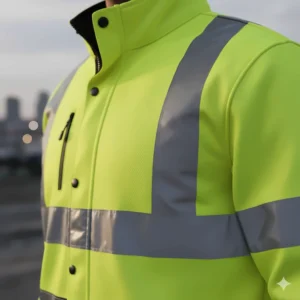
The safety jacket market has evolved dramatically, moving beyond those bulky, uncomfortable vests grandpa used to wear. Today’s options blend cutting-edge reflective technology with weather-resistant materials and ergonomic design. You’re looking at jackets that keep you warm in 20-degree weather, dry during downpours, and visible from over 1,000 feet away—all while remaining comfortable enough for 10-hour shifts.
But here’s where it gets tricky: not all reflective jackets are created equal. Some meet ANSI Class 3 standards for maximum visibility, while others barely qualify as Class 1. Some offer waterproof protection with 300D Oxford fabric, while cheaper options use thin polyester that tears after a month. The price range spans from budget-friendly $25 options to premium $150+ jackets with heated elements and advanced insulation.
Understanding what you need—and why it matters—can save more than money. According to the American National Standards Institute, proper high-visibility apparel significantly reduces struck-by injuries, which account for nearly 20% of construction fatalities. That statistic alone should make choosing the right safety jacket a top priority.
In this comprehensive guide, I’ll walk you through everything you need to know about finding the perfect safety jacket for your specific work environment. We’ll compare the top 7 products currently dominating Amazon’s bestseller lists, break down ANSI ratings so you actually understand what those labels mean, and help you decide whether you need that $80 bomber jacket or if a $30 rain coat will do the trick.
Quick Comparison Table: Top Safety Jacket Features at a Glance
| Product | ANSI Rating | Price Range | Best For | Key Feature | Rating |
|---|---|---|---|---|---|
| DPSAFETY Bomber Jacket | Class 3, Type R | $65-$85 | Cold weather construction | Waterproof + fleece lining | 4.6/5 ⭐ |
| SKSAFETY Reflective Jacket | Class 3, Type R | $45-$65 | All-season work | 10 pockets + lightweight | 4.5/5 ⭐ |
| TICONN Rain Jacket | Class 3 | $35-$50 | Wet weather protection | Heavy-duty waterproof | 4.4/5 ⭐ |
| JKSafety Winter Bomber | Class 3, Type R | $55-$75 | Extreme cold conditions | 300D Oxford fabric | 4.5/5 ⭐ |
| TICONN Safety Hoodie | ANSI III | $30-$45 | Casual work environments | Kangaroo pocket design | 4.3/5 ⭐ |
| Pioneer Hi-Vis Bomber | Class 3 | $70-$90 | Professional road crews | Detachable hood | 4.6/5 ⭐ |
| sesafety Bomber Jacket | Class 3 | $50-$70 | Multi-purpose use | Black bottom design | 4.4/5 ⭐ |
💬 Just one click – help others make better buying decisions too!😊
✨ Ready to Upgrade Your Safety Gear? 🎯
These carefully selected products represent the best value and protection available right now. Click on any item to check current pricing, read detailed customer reviews, and see which sizes are in stock. Your safety is worth the investment! 🛡️
Top 7 Safety Jacket Products: Expert Analysis and Reviews 🏆
1. DPSAFETY Reflective High Visibility Hooded Jacket 🥇
The DPSAFETY Reflective High Visibility Hooded Jacket stands out as my top pick for workers who need serious cold-weather protection without sacrificing visibility. This bomber-style jacket complies with ANSI/ISEA 107-2020 Type R Class 3 standards, meaning it meets the highest requirements for roadside work.
Key Specifications:
- 360° hi-vis protection with 2-inch reflective strips
- Waterproof exterior with fleece lining
- Multiple pockets including detachable hood
- Available in lime, orange, and black options
- Sizes: M-3XL
Price Range: $65-$85 depending on size and color
What Customers Say: Buyers consistently praise this jacket’s build quality and warmth. One construction worker mentioned it “keeps him warm in 20-degree weather” while another appreciated the adjustable wrist bands for a snug fit. The jacket has earned a 4.6-star rating with customers noting it heats up quickly and fits true to size.
✅ Pros:
- Excellent warmth-to-weight ratio
- Professional appearance
- True-to-size fit with adjustment options
❌ Cons:
- Slightly pricey for budget-conscious buyers
- Limited color options
Best For: Construction workers, road maintenance crews, and anyone working outdoors in cold climates with vehicle traffic present.
2. SKSAFETY High Visibility Reflective Jacket 💼
When versatility meets affordability, you get the SKSAFETY High Visibility Reflective Jacket. This Class 3, Type R certified jacket works equally well in spring drizzle or winter cold, making it a smart investment for year-round workers.
Key Specifications:
- 300D Oxford polyester shell with PU coating
- 6000mm waterproof rating
- 10 functional pockets including phone pocket
- Machine washable up to 50 times
- Fleece-lined collar and pockets
Price Range: $45-$65
Customer Feedback: Users love the practical pocket layout and weather resistance. One reviewer noted wearing it “almost every day for 3 months” with excellent durability. The multiple pockets for screws and small tools earned particular praise from tradespeople. At $46, customers feel it’s exceptional value.
✅ Pros:
- Lightweight yet warm
- Tons of storage options
- Weather-resistant construction
❌ Cons:
- Sizing can run small
- Thin pockets noted by some users
Best For: Warehouse workers, utility crews, and professionals needing all-weather protection with lots of storage.
3. TICONN Reflective Rain Jacket ☔
The TICONN Reflective Rain Jacket dominates the waterproof category with its Class III high-visibility rating and heavy-duty construction. If you work in consistently wet conditions, this rain coat deserves serious consideration.
Key Specifications:
- Heavy-duty ANSI Class 3 certification
- Sealed seams prevent water penetration
- Industrial-grade zipper with storm flap
- Extended length for full coverage
- Bright yellow/lime with reflective strips
Price Range: $35-$50
What Users Report: Multiple customers mention this jacket’s impressive waterproofing capabilities. One delivery driver uses it for early morning routes, noting vehicles can spot him “from very far away.” Another appreciated that despite being thin, it provides surprising warmth. The jacket runs slightly large, so ordering one size down is recommended.
✅ Pros:
- Excellent waterproofing
- Budget-friendly pricing
- High visibility in all conditions
❌ Cons:
- Runs large (size down)
- Zipper can be “wonky” according to some
Best For: Delivery drivers, outdoor event staff, and workers in rainy climates who prioritize waterproofing over insulation.
4. JKSafety Winter Hi-Vis Bomber Jacket ❄️
For those facing brutal winter conditions, the JKSafety Winter Hi-Vis Bomber Jacket combines superior insulation with professional-grade visibility standards. This 10-pocket design offers ANSI/ISEA 107 Class 3 Type R compliance.
Key Specifications:
- 300D Oxford fabric with water-resistant coating
- 160g quilted thermal insulation
- Standing fleece collar
- Retractable hood with adjustments
- Five 2-inch reflective strips
Price Range: $55-$75
Customer Insights: Reviewers appreciate the “tight waist band” that prevents cold air intrusion. One buyer had an initial sizing issue but praised customer support for quick resolution. The jacket receives marks for being a “standard safety jacket good for everyday wear” with solid quality for the price point.
✅ Pros:
- Serious cold-weather protection
- Professional appearance
- Good customer support
❌ Cons:
- Higher price point
- May require sizing up for layering
Best For: Municipal workers, construction crews in cold climates, and survey teams working through winter months.
5. TICONN Safety Hoodie Jacket 🎽
Breaking the traditional mold, the TICONN Safety Hoodie Jacket offers a more casual approach to high-visibility protection. Meeting ANSI III standards, this fleece hoodie works perfectly for environments where bomber jackets feel like overkill.
Key Specifications:
- High-vis reflective fleece material
- Kangaroo pocket design (no bulky side pockets)
- Transparent card pocket for ID/permits
- D-ring attachment for tools or keys
- Machine washable polyester
Price Range: $30-$45
User Experience: The hoodie style appeals to workers who find traditional jackets too formal or restrictive. Hand-sewn reflective tape adds durability while the soft material provides comfort during all-day wear. It’s particularly popular for non-construction applications like hiking, biking, and motorcycling.
✅ Pros:
- Comfortable casual design
- Most affordable option
- Versatile for work and recreation
❌ Cons:
- Less weather protection
- Not ideal for extreme cold
Best For: Warehouse workers, parking attendants, recreational cyclists, and workers in controlled environments with moderate visibility needs.
6. Pioneer Hi-Vis Safety Bomber 🚧
The Pioneer Hi-Vis Safety Bomber represents professional-grade equipment trusted by transportation departments and major contractors. This Class 3 certified jacket balances premium materials with practical features.
Key Specifications:
- Waterproof and windproof construction
- Detachable hood with wire brim
- ANSI Class 3 compliant design
- Reinforced stress points
- Multiple reflective configurations
Price Range: $70-$90
Performance Notes: While specific customer reviews are limited for this newer model, Pioneer’s reputation in the safety equipment industry speaks volumes. The detachable hood feature allows workers to customize based on conditions, and the waterproof rating makes this suitable for all weather scenarios.
✅ Pros:
- Premium brand reliability
- Professional-grade construction
- Adaptable hood system
❌ Cons:
- Higher price bracket
- Limited color options
Best For: DOT workers, highway maintenance crews, and professionals who need proven reliability in high-risk environments.
7. sesafety Class 3 Bomber Jacket 🎯
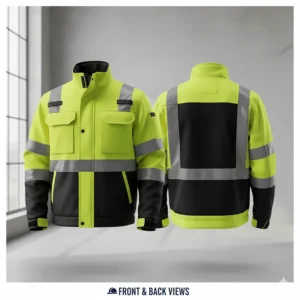
Rounding out our list, the sesafety Class 3 Bomber Jacket offers excellent value with its black bottom design that resists visible dirt and wear. This ANSI Class 3, Type R certified jacket balances professional appearance with functional performance.
Key Specifications:
- Class 3 high visibility with black bottom
- Waterproof exterior with interior mesh
- Removable hood for versatility
- Multiple pocket configurations
- Reflective strips on arms and torso
Price Range: $50-$70
Customer Reception: The black bottom design receives particular praise from users who appreciate how it maintains a professional appearance even after weeks of use. The interior mesh lining prevents overheating while the waterproof exterior handles rain effectively.
✅ Pros:
- Stylish black bottom design
- Good middle-ground pricing
- Practical mesh interior
❌ Cons:
- Less brand recognition
- Fewer customer reviews
Best For: Contractors, surveyors, and workers who want professional appearance with Class 3 protection.
Understanding ANSI/ISEA Standards: What Those Numbers Actually Mean 📊
Let’s cut through the confusion around ANSI ratings because understanding these standards is crucial for choosing the right safety jacket—and potentially for staying compliant with federal regulations.
The Three Performance Classes Explained
The ANSI/ISEA 107-2020 standard divides high-visibility apparel into three performance classes based on the amount of background and retroreflective material:
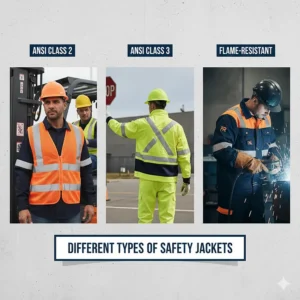
Class 1: Offers basic visibility for environments where vehicle speeds don’t exceed 25 mph and workers maintain substantial separation from traffic. Think parking attendants and warehouse workers. These garments require the least amount of reflective material.
Class 2: Provides moderate visibility for workers near roadways with traffic speeds exceeding 25 mph. This class requires significantly more background material (775 square inches) and retroreflective material than Class 1. Airport ramp workers, utility crews, and survey teams typically need Class 2 protection.
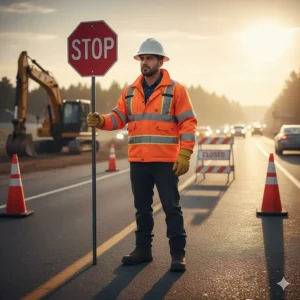
Class 3: Delivers maximum visibility for high-risk environments involving high-speed traffic, poor weather conditions, and situations where workers can’t devote full attention to their surroundings. Flaggers, DOT workers, and emergency responders must wear Class 3 garments, which require the most extensive coverage including sleeve retroreflectivity.
Garment Types: O, R, and P
Beyond performance classes, the 2020 standard introduced three garment types based on work environment:
Type O (Off-Road): Designed for workers away from vehicle traffic or where speeds stay below 25 mph—forestry operations, warehouse environments, and recreational areas.
Type R (Roadway): Built for roadway workers exposed to traffic exceeding 25 mph. Federal law requires Type R apparel for anyone working in highway rights-of-way. These garments feature more fluorescent material than Type O.
Type P (Public Safety): Tailored for first responders like police, firefighters, and EMS personnel. These often have shorter lengths to allow quick access to equipment worn on the waist.
Why This Matters for Your Purchase Decision
Choosing the wrong class or type isn’t just about comfort—it’s about legal compliance and personal safety. OSHA regulations mandate that workers on Federal-aid highways exposed to vehicular traffic must wear Class 2 or Class 3 apparel. Penalties for non-compliance can reach thousands of dollars, and more importantly, inadequate visibility puts lives at risk.
When shopping for a safety jacket, always check the label for specific ANSI certification. Phrases like “high-visibility” without accompanying ANSI class markings mean the garment hasn’t been tested to meet these standards. All seven products in our top picks list clearly state their ANSI compliance, giving you peace of mind and legal protection.
Material Science: What Makes a Great Safety Jacket? 🧬
The difference between a jacket that lasts five years versus one that fails in five months often comes down to materials. Let me break down what separates quality construction from cheap imitations.
Background Fabric: The Foundation
300D Oxford Polyester represents the gold standard for safety jacket construction. The “300D” denotes denier—a measurement of fiber thickness. Higher denier numbers mean thicker, more durable fabric that resists tears, abrasions, and punctures. Cheaper jackets use 150D or even 100D material that develops holes and tears within weeks of hard use.
Quality jackets also incorporate PU (polyurethane) coating on the Oxford fabric. This coating provides waterproofing while maintaining breathability—a critical balance that prevents that clammy feeling during physical work. Look for waterproof ratings of 5000mm or higher; the SKSAFETY and JKSafety models boast 6000mm ratings, meaning they’ll handle heavy rain without issue.
Retroreflective Material: The Lifesaver
Not all reflective tape performs equally. Premium jackets use glass bead or prismatic reflective material that bounces light back toward its source—like a vehicle’s headlights. This retroreflection makes you visible from distances exceeding 1,000 feet.
The width matters too. ANSI Class 3 jackets require 2-inch-wide reflective strips positioned to create 360-degree visibility. Cheaper products sometimes use 1-inch strips or limit placement to the front and back, creating dangerous blind spots when you turn sideways.
Insulation Technologies
Winter-rated jackets incorporate various insulation approaches:
Quilted Thermal Insulation: Products like the JKSafety Winter Bomber use 160g quilted insulation—synthetic fibers trapped in diamond-stitched compartments that prevent shifting and cold spots. This provides warmth without bulk.
Fleece Lining: Many jackets feature fleece-lined collars, pockets, and body panels. Fleece insulates even when wet and wicks moisture away from your skin, making it ideal for variable conditions where you might sweat then cool down.
Layering-Friendly Design: The best safety jackets accommodate layering underneath. Look for models with adjustable cuffs, elastic hems, and generous sizing that lets you add sweatshirts or base layers without restriction.
Hardware and Construction Details
Premium jackets distinguish themselves through seemingly small details:
YKK or Industrial-Grade Zippers: These withstand thousands of cycles without jamming or breaking. Cheap zippers fail within months, rendering an otherwise good jacket useless.
Sealed Seams: Waterproof jackets need sealed or taped seams. Water penetrates through needle holes in unsealed seams, making “waterproof” fabric meaningless.
Reinforced Stress Points: Quality manufacturers reinforce pocket corners, shoulder seams, and zipper tracks—areas experiencing the most stress during use.
Reflective Jackets vs Traditional Safety Vests: Making the Right Choice 🔄
When to Choose a Jacket Over a Vest
Safety vests serve important purposes, but jackets offer distinct advantages:
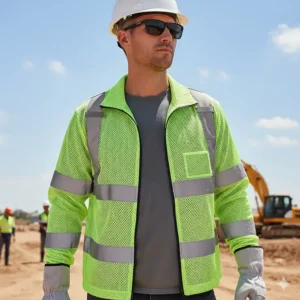
Weather Protection: Vests leave your arms and core exposed. If you’re working in rain, snow, or temperatures below 50°F, a jacket provides the protection vests can’t match.
Professional Appearance: Many contractors and supervisors prefer the polished look of bomber-style jackets over mesh vests. When meeting with clients or the public, professional appearance matters.
Storage Capacity: While vests typically offer 5-9 pockets, quality safety jackets provide 10+ pockets plus interior storage. For workers carrying multiple tools, radios, and phones, this extra capacity proves invaluable.
Durability: Jackets withstand harsher conditions than lightweight vest mesh. If your work involves climbing, crawling, or brushing against rough surfaces, jacket durability pays off.
The Hybrid Approach
Some workers opt for both: wearing a vest during mild weather and switching to a jacket when conditions deteriorate. This strategy makes financial sense if your environment varies significantly throughout the year. A $30 TICONN hoodie plus a $15 mesh vest covers most scenarios for under $50 total.
Seasonal Considerations: Year-Round Visibility Solutions 🌦️
Spring and Fall: Transition Season Strategy
Moderate temperatures (40-65°F) call for versatile options. The TICONN Safety Hoodie excels here—warm enough for cool mornings but breathable enough for afternoon warmth. Layer it over a long-sleeve shirt for adjustability.
Summer: Balancing Visibility and Heat
Hot weather creates a dilemma: you need visibility but can’t tolerate heavy jackets. Consider:
- Switching to Class 2 or Class 3 vests during peak heat
- Choosing jackets with mesh lining (like the sesafety model) for airflow
- Working early morning or evening shifts when temperatures drop
Winter: Maximum Protection Period
Sub-freezing conditions demand serious insulation. The DPSAFETY and JKSafety winter bombers provide warmth ratings suitable for 20°F and below. Key features for cold weather:
- Fleece-lined collars that prevent heat loss
- Adjustable cuffs sealing against gloves
- Extended length protecting the lower back
- Hood compatibility with hard hats
Rainy Conditions: Waterproof Essentials
The TICONN Rain Jacket specializes in wet weather with sealed seams and storm flaps. Rain compromises both comfort and safety—wet workers get cold faster and lose focus. Investing in proper rain gear isn’t optional if precipitation defines your work environment.
Maintenance and Care: Extending Your Investment’s Life 🧼
A $70 safety jacket can last five years or five months depending on care practices. Here’s how to maximize longevity:
Washing Best Practices
Machine Wash Carefully: Most quality jackets tolerate machine washing, but follow these rules:
- Use cold water exclusively (hot water degrades reflective adhesive)
- Select gentle cycle to reduce fabric stress
- Avoid fabric softeners (they coat reflective material, reducing brightness)
- Wash inside-out to protect exterior reflective strips
Frequency Matters: Don’t overwash. Spot-clean minor dirt with a damp cloth. Full washing should occur every 2-3 weeks of regular use or when visibly soiled.
Drying Techniques
Air Dry Only: Never use machine dryers with high-visibility jackets. Heat damages reflective material, shrinks fabric, and separates laminated layers. Hang jackets in a well-ventilated area away from direct sunlight (UV gradually fades fluorescent colors).
Storage Recommendations
Between seasons, store jackets properly:
- Clean thoroughly before storage (dirt attracts insects and causes mildew)
- Hang on wide hangers (prevents shoulder deformation)
- Keep in cool, dry locations away from chemicals or petroleum products
- Use breathable garment bags, not plastic (prevents moisture accumulation)
When to Replace
Safety effectiveness degrades over time. Replace your jacket when:
- Reflective material shows significant wear or peeling
- Fluorescent background color fades noticeably (especially if it no longer “pops” in daylight)
- Fabric tears or develops holes (even small ones compromise waterproofing)
- After approximately 50 washes (manufacturers test to this threshold)
- ANSI standards recommend replacement every 6 months for daily-use garments, 3 years for occasional use
Budget Analysis: Finding Your Sweet Spot 💰
Entry-Level ($30-45)
The TICONN Safety Hoodie represents this category well. You get ANSI-compliant visibility and basic weather resistance. Perfect for:
- Workers starting new jobs needing immediate compliance
- Employees in controlled environments (warehouses, facilities)
- Recreational users (cyclists, joggers)
- Backup jackets for variable conditions
Trade-offs: Less durability, minimal weather protection, fewer features.
Mid-Range ($45-70)
This sweet spot includes the SKSAFETY and TICONN Rain Jacket models. You’re paying for:
- Better materials (300D Oxford vs. lighter fabrics)
- Improved waterproofing
- More thoughtful pocket layouts
- Longer expected lifespan
Best Value: Most workers find this range offers optimal cost-to-benefit ratio. These jackets typically last 2-3 years with regular use.
Premium ($70-90+)
Models like the Pioneer and DPSAFETY bombers command higher prices through:
- Premium insulation for extreme cold
- Brand reputation and proven reliability
- Enhanced durability for the harshest conditions
- Professional-grade construction throughout
When to Splurge: If your job involves extreme weather, high-visibility requirements, or if you work 50+ hours weekly in your jacket, premium options justify the investment through superior comfort and longevity.
Total Cost of Ownership
Don’t just compare sticker prices. Calculate annual cost:
- $30 jacket lasting 6 months = $60/year
- $65 jacket lasting 3 years = $22/year
The “expensive” option often costs less over time while providing better protection and comfort daily.
Common Mistakes When Buying Safety Jackets ❌
Mistake #1: Ignoring Size Charts
“I’m always a Large” doesn’t work with safety jackets. Manufacturers use different sizing standards. That Large from DPSAFETY might fit like an XL from TICONN. Always check the product’s specific size chart, particularly chest and length measurements.
Mistake #2: Prioritizing Price Over Compliance
Saving $20 by buying non-ANSI-certified gear risks:
- Workplace violations and fines
- Insurance claim denials if injured
- Most importantly, your actual safety
ANSI compliance isn’t optional for professional use. Budget-conscious shoppers should buy fewer, compliant jackets rather than multiple non-certified items.
Mistake #3: Wrong Class for Your Environment
Class 1 suffices for parking attendants but fails miserably for highway flaggers. Assess your actual work environment:
- What’s the traffic speed?
- How close do vehicles pass?
- What are weather conditions typically like?
- Does your employer or client specify requirements?
When uncertain, choose higher classification. Nobody ever got hurt from being too visible.
Mistake #4: Overlooking Seasonal Needs
Buying a heavy winter bomber in July because it’s on sale seems smart until you’re sweltering in August heat. If your climate experiences four distinct seasons, you likely need 2-3 different jackets or a versatile mid-weight option plus a vest.
Mistake #5: Neglecting Care Instructions
That cheap jacket you bought? Reading the care label would’ve prevented you from machine-drying it into a shrunken, non-reflective disaster. Five minutes reviewing care requirements saves hundreds in replacement costs.
Industry-Specific Recommendations 🏗️
Construction and Contracting
Primary Need: Class 3 cold-weather protection
Top Pick: DPSAFETY or JKSafety Winter Bomber
Why: Construction sites demand maximum visibility plus protection from elements. These jackets handle everything from rebar scratches to concrete dust while keeping you warm during dawn starts.
Road Work and Flagging
Primary Need: Class 3 Type R compliance
Top Pick: Pioneer Hi-Vis Bomber
Why: Highway work requires absolute adherence to federal standards. Pioneer’s professional-grade construction and proven reliability make it the choice of DOT contractors nationwide.
Delivery and Logistics
Primary Need: Lightweight all-weather protection
Top Pick: TICONN Rain Jacket
Why: Delivery drivers need to slip jackets on/off dozens of times daily. Lightweight rain protection keeps you dry without overheating during package handling.
Warehouse and Facilities
Primary Need: Comfortable daily wear
Top Pick: TICONN Safety Hoodie
Why: Indoor environments with forklift traffic need visibility but not heavy weather protection. The hoodie provides comfort for full shifts without feeling like you’re wearing armor.
Utilities and Municipal Work
Primary Need: Durable all-season versatility
Top Pick: SKSAFETY Reflective Jacket
Why: Utility workers face variable conditions daily. This jacket’s 10-pocket design accommodates tools while waterproofing handles sudden weather changes.
Emergency Services
Primary Need: Class 3 Type P certification
Top Pick: Specialized public safety models (beyond this article’s scope, but look for Type P designation)
Why: First responders need specific Type P features including equipment access and enhanced retroreflectivity for incident scenes.
FAQ: Your Safety Jacket Questions Answered ❓
❓ Can I wear a safety jacket over my regular winter coat?
❓ How often should I replace my reflective jacket for safety?
❓ Do all safety jacket colors meet the same visibility standards?
❓ Can I use a heated vest under my safety jacket?
❓ Will washing my jacket ruin the reflective strips?
Conclusion: Making Your Final Decision 🎯
Choosing the right safety jacket ultimately comes down to matching features to your specific work environment, but if I had to distill everything into one recommendation: prioritize ANSI compliance first, weather protection second, and budget third.
The data speaks clearly—proper high-visibility apparel prevents accidents and saves lives. Whether you select the budget-friendly TICONN hoodie at $30 or invest in the premium DPSAFETY bomber at $80, ensure your choice meets minimum ANSI Class 2 or Class 3 standards for your work environment. Those certifications represent tested, proven visibility that makes the difference between being seen and being a statistic.
For most workers, the mid-range options ($45-70) offer the best overall value. The SKSAFETY Reflective Jacket, in particular, delivers exceptional versatility—it’s warm enough for winter, waterproof enough for rain, and comfortable enough for all-day wear. That combination serves 80% of workers’ needs without breaking the bank.
Remember, your safety jacket is an investment in coming home safely every night. Don’t skimp on quality to save $20. The best jacket is the one you’ll actually wear consistently, which means it needs to be comfortable, functional, and appropriate for your conditions. Use the comparison table and individual product reviews to narrow your choices, then read recent customer feedback on Amazon to confirm current product quality.
One final thought: if you’re uncertain between two options, choose the higher-rated ANSI class. Class 3 provides better protection than Class 2, and the cost difference is minimal. Nobody ever regretted being too visible on a work site.
🛒 Take Action Now! ⚡
Don’t wait until your current jacket fails or regulations change. Browse these top-rated safety jackets on Amazon today, read customer reviews from workers in your industry, and invest in protection that could save your life. Most orders qualify for free shipping and Prime delivery—your new jacket could arrive within days! 🚀
Recommended for You 📚
- 7 Best Concealed Carry Jackets 2025: Expert Reviews
- Mechanic Jacket: 7 Top Picks That Mechanics Actually Wear (2025)
- Heated Work Jacket: 7 Best Picks Tested for 2025
Disclaimer: This article contains affiliate links. If you purchase products through these links, we may earn a small commission at no additional cost to you.
✨ Found this helpful? Share it with your friends! 💬🤗
