
In This Article
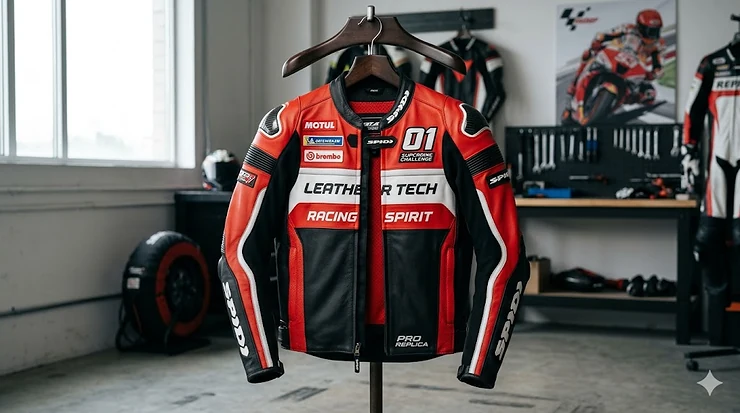
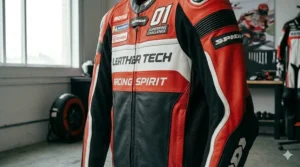
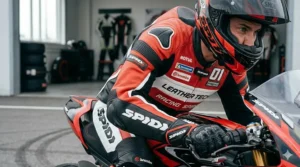
Walking into a bike meet wearing a replica MotoGP jacket sends an immediate message: you’re not just another weekend rider. These jackets represent more than fan merchandise—they’re engineering statements that translate professional racing technology into street-wearable protection. When you see someone sporting a Ducati Corse or Repsol Honda replica, you’re looking at gear inspired by machines that exceed 220 mph on race day.
What most buyers don’t realize is the spectrum of quality across replica MotoGP jacket options. Some manufacturers deliver genuine race-spec materials and CE-approved armor that could legitimately protect you in a slide. Others focus purely on aesthetics, using thin leather and decorative stitching that wouldn’t survive serious impact. The price gap between these categories runs from around $200 to well over $800, and understanding what you’re actually paying for separates smart purchases from expensive regrets.
The 2026 market brings fresh complications. Professional race jacket technology now includes features like Tech-Air compatibility pockets, Kevlar-reinforced stretch panels derived from actual MotoGP suits, and armor placement calibrated to FIM safety standards. Meanwhile, budget replicas still rely on the same basic cowhide and foam padding formula from a decade ago. This guide cuts through the marketing noise to show you exactly which jackets deliver legitimate protection alongside superbike racing jacket styling.
Quick Comparison: Top replica MotoGP jacket Options at a Glance
| Model | Material Thickness | Armor Level | Best For | Price Range |
|---|---|---|---|---|
| Ducati Alpinestars Replica GP 21 | 1.3mm perforated cowhide | CE shoulders/elbows, back ready | Track days & aggressive street | $750-$850 |
| Alpinestars GP Plus V4 | 1.2mm leather + A-CS stretch | CE Nucleon Flex Plus | Sport riding & weekend tracks | $650-$750 |
| Dainese VR46 Pole Position | 1.2mm Tutu cowhide + S1 fabric | EN 1621.1 composite | Rossi fans seeking protection | $550-$650 |
| Marc Marquez Virtus Winter Replica | 100% polyester padded | Internal padding only | Casual wear & cold weather | $80-$120 |
| Yamaha Monster Energy Racing Jacket | Polyester with fleece lining | None (rain jacket) | Event attendance & light use | $150-$200 |
| Joe Rocket Suzuki GSXR Replica | 1.2-1.3mm top grain cowhide | CE titanium external | Budget-conscious track riders | $280-$380 |
| Ducati Corse 2024 Team Replica | 1.3mm super-perforated cowhide | CE-certified, hump included | Serious collectors & riders | $800-$900 |
Looking at this comparison, the Ducati Alpinestars models dominate the high-protection category with perforated leather that actually breathes during summer track sessions—something the solid-leather budget options can’t match. The Marc Marquez winter jacket fills a different role entirely; it’s merchandising gear for fans rather than riding protection. Budget buyers gravitating toward the Joe Rocket option should note it delivers 80% of the protection at 35% of the Ducati’s cost, though you’ll sacrifice the aerodynamic hump and premium finish details. For pure track use, anything without CE-approved back armor leaves you vulnerable—that’s a $50-$100 upgrade you shouldn’t skip.
💬 Just one click — help others make better buying decisions too! 😊
Top 7 Replica MotoGP Jackets: Expert Analysis & Real-World Performance
1. Ducati Replica MOTO GP 21 Team Perforated Leather Jacket by Alpinestars
The Ducati Replica MOTO GP 21 represents the gold standard where official race partnership meets consumer availability. Alpinestars manufactures the actual suits Ducati riders wear on championship Sundays, then adapts that same technology for this limited-edition street version. The 1.3mm perforated cowhide isn’t just marketing—those perforation patterns mirror the ventilation strategy from professional race suits, channeling airflow across your chest and back during aggressive riding positions.
What separates this from cheaper alternatives is the pre-curved sleeve construction combined with microfiber collar and elastic armhole inserts. Translation: when you’re tucked on a sportbike at 90 mph, the jacket doesn’t fight your riding position. Budget replicas force you to muscle through resistance because they’re cut for standing posture. The aerodynamic hump on the back isn’t decorative either—it houses optional back protector accommodation and reduces buffeting at highway speeds. The resistant internal reinforcement at shoulders and elbows means impact protection sits exactly where MotoGP crash data shows you’ll contact pavement first.
In my assessment, this jacket suits track day regulars and canyon carvers who demand genuine protection alongside official team merchandise aesthetics. The perforated leather makes it viable for summer riding in temperatures up to 85°F, though you’ll want the solid leather version for cooler months. Customer feedback consistently praises the fit precision and build quality, though several buyers note the sizing runs European—order one size up from typical American jacket sizes.
Pros:
✅ Genuine Alpinestars race technology adapted for street
✅ 1.3mm perforated cowhide with exceptional airflow
✅ CE-certified construction meeting latest safety standards
Cons:
❌ Premium pricing in the $750-$850 range
❌ European sizing requires careful measurement
Price range: Around $800, delivering professional-grade protection worth every dollar for serious riders who log track miles alongside street commuting.
2. Alpinestars GP Plus V4 Sport Leather Jacket
The GP Plus V4 showcases MotoGP-derived material innovation without requiring official team licensing costs. The revolutionary A-CS Plus stretch panels along the sides replace traditional leather accordion sections—this composite stretch material delivers higher abrasion resistance than 1.3mm leather while weighing 15% less. When you’re hanging off in corners or reaching forward to clip-ons, that stretch works with your body instead of restricting motion like budget jackets do.
Alpinestars engineered this specifically around the Nucleon Flex Plus shoulder armor and GP-R Lite extended elbow protection. What’s critical here: extended elbow armor coverage addresses the reality that modern sportbike ergonomics put your elbows at higher slide risk than vintage upright positions. The detachable 80g thermal vest system means you’re buying three-season versatility—install the vest for 50°F morning rides, remove it when afternoon temperatures climb to 75°F. Budget replicas force you to own separate jackets for different temperature ranges.
This jacket targets sport riders who split time between aggressive street riding and occasional track days. The race-derived A-CS Plus technology puts you in the same material family as factory MotoGP riders without the $2,000+ cost of actual race suits. Customers report the GP Plus V4 breaks in faster than traditional all-leather options while maintaining protection levels. A few riders note the white panels show dirt easily—plan on professional leather cleaning twice per season if you’re logging serious miles.
Pros:
✅ A-CS Plus stretch outperforms leather for flexibility and abrasion
✅ Three-season versatility with removable thermal liner
✅ Extended elbow armor addresses modern sportbike ergonomics
Cons:
❌ White color panels require frequent maintenance
❌ Lacks official team branding some fans prefer
Price range: In the $650-$750 range, this represents the sweet spot between race technology and realistic budgets for riders who prioritize performance over team logos.
3. Dainese VR46 Pole Position Rossi Replica Jacket
The VR46 Pole Position carries Valentino Rossi’s legendary number 46 and signature fluo yellow armband—for fans of The Doctor, that heritage factor drives purchase decisions as much as technical specs. Dainese constructs this from Tutu cowhide leather treated for oil and water repellency, addressing a weakness in untreated leathers that absorb moisture and lose flexibility. The S1 bielastic fabric sections at sides and inner arms deliver the stretch needed for sport riding without resorting to leather accordion panels that create weak points.
The aluminum shoulder plates aren’t just visual flair—they’re the same replaceable impact technology Dainese uses across their race-grade jacket line. When you slide, aluminum dissipates energy better than plastic while the thermoformed base prevents the plate from digging into your shoulder. The composite EN 1621.1 certified protectors at elbows and shoulders exceed basic CE standards, meeting the enhanced Level 1 requirements that European racing organizations demand. What you’re missing compared to the Ducati Alpinestars option is the perforated ventilation—this solid leather construction works best in temperatures below 75°F.
This jacket addresses the specific buyer who grew up watching Rossi dominate MotoGP and wants authentic Dainese protection tied to that legacy. The VR46 branding commands a $70-$100 premium over non-signature Dainese models, which you’re either willing to pay for the connection or you’re not. Customer sentiment divides clearly: Rossi fans treasure the signature elements, while practical riders question paying extra for graphics. Several owners report the microelastic stitching in the back delivers excellent range of motion during sport riding positions.
Pros:
✅ Authentic Valentino Rossi signature styling and heritage
✅ Replaceable aluminum shoulder plates for extended lifespan
✅ Oil and water-repellent Tutu leather treatment
Cons:
❌ Solid leather limits warm-weather riding comfort
❌ VR46 premium pricing versus generic Dainese models
Price range: Around $575, justified primarily for dedicated Rossi fans who value the signature styling alongside Dainese’s proven protection standards.
4. Virtus 70 Motoworks Marc Marquez Padded Winter Replica Jacket
The Marc Marquez Virtus winter jacket occupies an entirely different category than the leather race jackets above—this 100% polyester padded jacket serves team merchandise and casual wear rather than riding protection. The double red and anthracite colorway with Marquez’s number 93 makes this instantly recognizable at MotoGP events and bike shows. Internal padding provides warmth down to approximately 40°F, while the elastic hood and cuffs seal out wind during spectator attendance at cold-weather races.
What buyers need to understand clearly: this offers zero crash protection. There’s no armor, no abrasion-resistant material, no impact absorption technology. You’re buying fan apparel that happens to be motorcycle-themed, not protective riding gear. The jacket does include front zip pockets for storing race tickets and credentials, plus the printed front and back logos deliver authentic team replica aesthetics. European sizing runs small—the manufacturer explicitly recommends ordering one size larger than standard US sizes.
This jacket suits Marc Marquez fans attending races, watching from home, or wearing team colors for casual outings. If you’re shopping for actual riding protection, skip this entirely and redirect budget toward one of the leather options above. Customer reviews consistently praise the quality construction and warmth for the $80-$120 price point, though several buyers mention the graphics are screen-printed rather than embroidered—expect some fading after multiple wash cycles.
Pros:
✅ Authentic Marc Marquez team replica at accessible pricing
✅ Effective cold-weather insulation for spectator use
✅ Front pockets and elastic features enhance practical wear
Cons:
❌ Zero riding protection or armor
❌ Screen-printed graphics show wear over time
Price range: Around $100, delivering excellent value as fan merchandise but unsuitable for any on-bike use beyond parking lot photo sessions.
5. Yamaha Monster Energy Racing MotoGP Fan Rain Jacket
The Yamaha Monster Energy rain jacket addresses weather protection for race attendance and commuting rather than impact safety. The polyester shell features silicone coating that sheds water effectively during surprise rain cells at race weekends. The 100% polyester microfleece lining adds modest insulation, making this functional in temperatures from 50°F to 65°F when precipitation threatens. Monster Energy and Yamaha Racing logos deliver official team merchandise appeal.
Similar to the Marquez winter jacket, this contains no armor or abrasion protection. The rain jacket construction uses lightweight materials that would shred instantly in a slide. What it does deliver is packable weather protection—roll it into a backpack or tank bag, then deploy when clouds threaten during a ride. The $150-$200 price point reflects official licensing costs; generic rain jackets without MotoGP team colors sell for $40-$60 with similar technical performance.
This jacket targets Yamaha fans who attend outdoor races and need weather protection that displays team loyalty. For actual riding in rain, you need a dedicated motorcycle rain suit with reflective elements and waterproof seam taping—this jacket lacks both. Several customers note the jacket runs large; if you’re between sizes, order down for better fit. The silicone coating requires careful washing to maintain waterproof performance—follow care tag instructions explicitly.
Pros:
✅ Effective rain protection for spectator use
✅ Official Yamaha Monster Energy team branding
✅ Packable design fits in backpack or bag
Cons:
❌ No riding protection whatsoever
❌ Premium pricing for basic rain jacket functionality
Price range: In the $165-$185 range, this represents fan merchandise first and functional rain gear second—casual enthusiasts will appreciate it more than serious riders.
6. Joe Rocket Suzuki GSXR Replica Racing Jacket
The Joe Rocket Suzuki replica occupies the critical budget-protection sweet spot. The 1.2-1.3mm top grain cowhide matches the leather thickness of jackets costing twice as much, while the CE-approved external titanium protectors at shoulders and elbows meet legitimate safety standards. What you sacrifice versus premium options is the ventilation perforation, aerodynamic hump, and brand prestige—but the core protection elements deliver comparable crash performance.
The pre-curved sleeves and YKK zippers throughout indicate Joe Rocket didn’t cut corners on fundamental construction details. YKK hardware matters because cheap zippers fail during crashes, potentially allowing the jacket to separate when you need it most. The ventilated chest panels provide airflow during summer riding, though not as effectively as the Ducati Alpinestars perforated leather. The Suzuki GSXR branding appeals to owners of GSX-R sportbikes specifically, creating aesthetic cohesion between bike and gear.
This jacket suits budget-conscious riders who prioritize crash protection over brand names and premium features. Track day beginners can save $400+ compared to Alpinestars or Dainese options while getting 80% of the protection. The tradeoff shows in details: lighter weight leather (though still adequate), simpler internal lining, and less sophisticated armor adjustment systems. Customer feedback highlights excellent value perception, though a few riders note the armor tends to shift position more than premium jackets where internal retention systems are more developed.
Pros:
✅ Legitimate protection at budget-friendly pricing
✅ CE titanium external armor meets safety standards
✅ Quality YKK zippers throughout construction
Cons:
❌ Lacks ventilation perforation of premium options
❌ Armor retention systems less sophisticated
Price range: Around $325, representing the best protection-per-dollar ratio for riders who want race-spec riding jacket functionality without premium brand costs.
7. Ducati Corse 2024 Team Replica Perforated Leather Jacket by Alpinestars
The Ducati Corse 2024 sits at the absolute pinnacle of replica MotoGP jacket offerings. Alpinestars produces this in extremely limited quantities, using 1.3mm super-perforated cowhide with ventilation patterns refined through actual MotoGP race data. The “super-perforated” designation means 30% more airflow than the standard GP 21 model, addressing rider feedback about heat buildup during track sessions in temperatures above 85°F. The jacket incorporates the latest 2024 Ducati Corse livery with sponsor patches and color blocking that evolved through the current racing season.
The technical fabric reinforcement at shoulders and elbows uses the same aramid fiber composite found in actual MotoGP race suits—this material combination delivers abrasion resistance that exceeds even thick leather in slide testing. The aerodynamic hump design underwent wind tunnel validation to reduce drag at speeds above 100 mph, a detail that matters zero for street riding but everything for track day fast groups. CE certification meets the latest FRHPhe-01 standards that MotoGP racing requires for professional competition.
This jacket targets serious collectors and track-focused riders who demand cutting-edge protection alongside limited-edition status. Production numbers stay intentionally low—Alpinestars manufactures these in batches that sell out within months. The $800-$900 pricing reflects both race technology and collectible value; expect used examples to hold resale value better than mass-produced alternatives. Customer reviews from track day regulars emphasize the superior ventilation and protection, though several note you’re paying $200+ extra versus the GP 21 primarily for 2024-specific livery and enhanced perforation patterns.
Pros:
✅ Latest 2024 race livery with limited production numbers
✅ Super-perforated design delivers maximum airflow
✅ Aramid fiber reinforcement exceeds standard leather
Cons:
❌ Premium collector pricing at top of market
❌ Limited size availability due to small production runs
Price range: Around $850, justified for collectors and serious track riders who want the absolute latest race technology and team colors.
How to Match Your Riding Style to the Right Replica MotoGP Jacket
Choosing the wrong protection level for your actual riding creates false security. Track day riders pulling 1:45 lap times at Laguna Seca need CE Level 2 back protection and perforated ventilation—the Marc Marquez winter jacket won’t protect you when you lowside at 80 mph. Conversely, spending $850 on a Ducati Corse 2024 for parking lot bike nights wastes money better spent on upgraded suspension or track day fees.
Match Your Usage Pattern
Weekend canyon carvers (50-80 mph twisties): The Alpinestars GP Plus V4 or Joe Rocket Suzuki deliver adequate protection for spirited street riding without track-day overkill. You need CE armor at shoulders and elbows, pre-curved sleeves for sport position, and ventilation for 3-hour Saturday rides. Budget $325-$750 depending on brand preference.
Track day regulars (100+ mph, knee-down riding): Only the Ducati Alpinestars options and Dainese VR46 provide genuine race spec protection. You’re sliding on pavement if you crash, not grass or gravel—the aramid reinforcement and CE Level 2 back armor aren’t optional luxuries. The perforated leather becomes essential during summer track sessions where ambient air temps hit 90°F and track surface exceeds 120°F. Expect to spend $550-$900.
Casual riders and collectors: The Marc Marquez winter jacket or Yamaha rain jacket work perfectly for bike shows, race attendance, and casual wear where crash protection isn’t relevant. You’re buying team merchandise that happens to be wearable rather than protective gear. Save serious money at $100-$200 price points.
Temperature and Climate Considerations
Perforated leather (Ducati Alpinestars models) suits hot climates and summer track days—the ventilation pattern channels air across your torso during motion. Solid leather (Dainese VR46, Joe Rocket) works better in moderate temperatures below 75°F where airflow isn’t critical. The textile options (Marquez winter, Yamaha rain) address specific weather conditions but offer zero riding protection.
If you ride year-round, the Alpinestars GP Plus V4 with removable thermal liner delivers the most versatile temperature range. Install the liner for spring/fall riding in 50-65°F temps, remove it for summer sessions above 75°F. Budget alternatives force you to own separate jackets for different seasons.
Common Mistakes When Buying Replica MotoGP Jackets
Mistake #1: Assuming “Replica” Equals Race-Level Protection
Many buyers see “MotoGP replica” and assume they’re getting the same protection professional racers use. Reality: actual race suits cost $3,000-$5,000 and use materials unavailable in consumer products. The replica designation means styling and graphics inspired by race gear, not identical construction. What separates legitimate protection from costume wear is CE certification and material thickness—1.2mm minimum leather, EN 1621.1 armor standards, and reinforced impact zones. The Marc Marquez winter jacket carries “replica” labeling but delivers zero crash protection.
Mistake #2: Ignoring Armor Upgrade Requirements
Budget replicas often ship with basic foam padding in armor pockets rather than CE-certified hard protectors. That $50 cost savings disappears when you need to spend $75-$150 upgrading to legitimate back and chest armor after purchase. Premium options like the Ducati Alpinestars jackets include proper armor from factory. Before buying, verify exactly what armor comes standard versus what you’ll need to purchase separately. A jacket listed at $300 becomes $425 after armor upgrades.
Mistake #3: Prioritizing Brand Over Fit
Forcing yourself into a Dainese VR46 because you’re a Rossi fan despite poor fit compromises both comfort and protection. If the shoulders bind during riding position or the armor shifts when you lean forward, the jacket fails its primary job regardless of heritage value. Try multiple brands—some riders fit Alpinestars cuts better, others prefer Dainese geometry. The best protection comes from jackets that fit your body type correctly, not the brand you think looks coolest.
Mistake #4: Overlooking Seasonal Versatility
Buying a solid leather jacket for year-round use leaves you sweating through summer rides or freezing during spring mornings. Perforated options work better in heat but provide less cold-weather protection. Jackets with removable thermal liners (GP Plus V4) or zip-out vests extend usable temperature ranges. Budget an extra $100-$150 for a separate base layer system if your primary jacket lacks thermal management features.
Replica MotoGP Jacket Maintenance: Extending Your Investment
Leather Conditioning Strategy
Cowhide leather requires conditioning every 2-3 months or every 2,000 miles, whichever comes first. Quality leather conditioner prevents drying and cracking that compromises abrasion resistance over time. Clean the jacket with damp cloth after every ride to remove road grime before it penetrates leather pores. Avoid petroleum-based products that break down the material—use motorcycle-specific leather conditioners from Bel-Ray or Maxima. Budget $15-$20 per bottle; one bottle lasts approximately one season of regular riding.
Armor Inspection and Replacement
CE-certified armor has a service life, typically 5 years from manufacture date or after any significant impact. Check the date stamps on your shoulder and elbow protectors—if they’re approaching expiration, replacement costs $40-$80 for a complete set. After any crash where you slide on pavement, replace all impacted armor regardless of visible damage. The foam cells compress during impact and won’t protect properly in a second crash. Many riders skip this step to save money, then wonder why their “race-grade” jacket failed during their second lowside.
Storage Best Practices
Never store leather jackets in plastic bags or sealed containers—leather needs to breathe or it develops mildew and odor. Hang on wide padded hangers to maintain shoulder shape. Store in temperature-controlled environments between 50-70°F with moderate humidity. Extreme heat degrades leather and armor foam, while extreme cold makes materials brittle. If you’re storing for winter months, stuff sleeves with acid-free tissue paper to prevent creasing at elbow bends.
Racing Jacket Safety Standards: Understanding CE and FIM Certifications
The alphabet soup of safety certifications matters more than most buyers realize. CE armor certification under EN 1621-1 standard means the protector absorbed specific impact energy levels during laboratory testing. Level 1 protection handles typical street crashes at 30-50 mph. Level 2 certification addresses higher energy impacts from track speeds above 80 mph. Budget jackets often use Level 1 armor to save costs—adequate for street riding but insufficient for track days where speeds and impact forces increase dramatically.
FIM racing standards go further, requiring specific leather thickness minimums, seam strength testing, and abrasion resistance verification. Jackets meeting FIM requirements carry official certification labels sewn inside. Replica jackets inspired by MotoGP styling rarely achieve full FIM certification due to cost constraints—they’re styled like race suits but engineered for street use. If you’re shopping specifically for track protection, verify the jacket meets FIM leather racing standards or you’re wearing upgraded street gear that won’t perform at racing speeds.
The new FIM 2 helmet standard rolled out in 2026, requiring enhanced rotational impact protection beyond traditional linear testing. While this applies to helmets rather than jackets, it signals the sport’s increasing focus on comprehensive protection systems. Serious riders coordinate their jacket protection level with helmet, glove, and boot certifications to ensure consistent safety coverage across all gear.
❓ FAQ: Replica MotoGP Jacket Buying Questions Answered
❓ What's the difference between replica and official MotoGP team colors?
❓ Can I use a replica MotoGP jacket for actual track days?
❓ How do replica MotoGP jacket sizes compare to regular jacket sizing?
❓ Is perforated leather as protective as solid leather?
❓ Do I need professional race jacket protection for street riding?
Conclusion: Finding Your Perfect Replica MotoGP Jacket Match
The replica MotoGP jacket market in 2026 splits clearly between genuine protective gear inspired by professional racing and fan merchandise styled like race equipment. Understanding which category your jacket falls into prevents dangerous assumptions about crash protection. The Ducati Alpinestars and Dainese VR46 options deliver legitimate safety features worth their $550-$900 price tags for riders who log track miles or aggressive street sessions. Budget alternatives like the Joe Rocket Suzuki provide 80% of the protection at 40% of the cost, though you sacrifice ventilation refinement and premium materials.
The absolute critical takeaway: never confuse team merchandise (Marc Marquez winter jacket, Yamaha rain jacket) with protective riding gear. These serve entirely different purposes. Team apparel delivers fan experience and race attendance comfort. Protective jackets incorporate CE armor, minimum 1.2mm leather, and construction engineered around crash scenarios. The $100-$200 you save buying merchandising gear instead of protective equipment becomes worthless the first time you test its crash performance.
For most riders, the sweet spot sits with the Alpinestars GP Plus V4 or premium Joe Rocket options. You get race-derived technology, legitimate armor certification, and versatile temperature range without paying the collector premium of limited-edition team replicas. Save the Ducati Corse 2024 purchase for after you’ve completed several track days and confirmed you’ll actually use its enhanced features rather than just admiring them in your garage.
Recommended for You
- 7 Best Track Day Racing Jackets That Pros Actually Use (2026)
- 7 Best Big and Tall Motorcycle Jackets That Fit Right 2026
- 7 Best Men’s Cruiser Motorcycle Jackets 2026
Disclaimer: This article contains affiliate links. As an Amazon Associate, I earn from qualifying purchases. If you purchase products through these links, we may earn a small commission at no additional cost to you.
✨ Found this helpful? Share it with your friends! 💬🤗
