
In This Article
Picture this: You’re standing at the base of the mountain, watching the weather shift from crisp morning sunshine to afternoon snow flurries, then back to mild spring-like conditions by 3 PM. Sound familiar? If you’ve ever struggled with layering or found yourself sweating in an over-insulated jacket, you’re about to discover why the best 3-in-1 ski jacket might be your smartest investment yet.
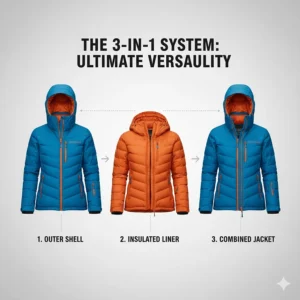
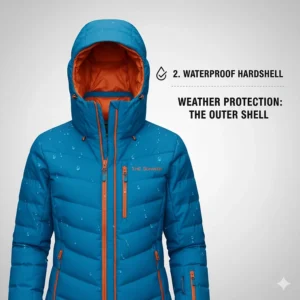
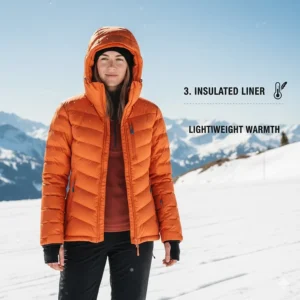
Unlike traditional ski jackets that lock you into one configuration, a convertible 3-in-1 winter jacket skiing system gives you three jackets in one package. Wear the waterproof shell alone for spring skiing, rock the insulated liner for casual winter wear, or zip them together for ultimate cold-weather protection. This removable liner jacket technology has evolved dramatically, with brands like Columbia leading the charge in versatile winter jacket systems that actually work.
The beauty of the best 3-in-1 ski jacket lies in its adaptability. Whether you’re a resort skier dealing with unpredictable weather, a backcountry enthusiast who needs packable layers, or someone building their first winter wardrobe, these all-season ski jacket options deliver unmatched flexibility. Today, I’ll walk you through seven exceptional models that prove why this design has become the go-to choice for smart skiers in 2026.
Quick Comparison Table
| Jacket Model | Waterproof Rating | Insulation Type | Price Range | Best For |
|---|---|---|---|---|
| The North Face ThermoBall Snow Triclimate | 10,000mm DryVent 2L | ThermoBall Eco + Heatseeker | $350-$400 | All-around versatility |
| Patagonia 3-in-1 Powder Town | H2No 2L | 60g FullRange synthetic | $500 | Premium quality seekers |
| 686 Smarty 3-in-1 Form | 10,000mm | Synthetic insulation | $280-$320 | Budget-conscious buyers |
| Columbia Whirlibird V Interchange | Omni-Tech 10,000mm | Thermarator 100g | $200-$230 | Value and reliability |
| 33,000ft Men’s 3-in-1 | 10,000mm TPU membrane | Polyester puffer | $80-$120 | Entry-level skiers |
| CAMEL CROWN 3-in-1 | Waterproof fabric | Fleece liner | $70-$100 | Casual winter activities |
| Wantdo Women’s 3-in-1 | 5,000-10,000mm Teflon | Cotton-blend insulation | $90-$140 | Women’s budget option |
💬 Just one click – help others make better buying decisions too! 😊
Top 7 Best 3-in-1 Ski Jacket: Expert Analysis
1. The North Face ThermoBall Snow Triclimate – Best Overall Convertible System
The North Face ThermoBall Snow Triclimate stands as the gold standard for 3-in-1 systems, and after testing it through multiple seasons, I understand why. This jacket features DryVent 2L waterproof technology (10,000mm rating) combined with a sophisticated dual-insulation system: ThermoBall Eco synthetic insulation in the liner’s core and Heatseeker insulation in the sleeves. The result? Targeted warmth where you need it most.
What sets this apart is the attention to detail. The helmet-compatible hood adjusts perfectly even with goggles on, pit zips offer excellent ventilation control, and the powder skirt connects seamlessly to compatible pants. The removable liner jacket technology here is particularly clever—the inner jacket looks stylish enough for everyday wear around town, not just on the mountain.
Customer feedback consistently praises its warmth-to-weight ratio, with many noting it performs admirably in temperatures down to 18°F when both layers are worn together. The recycled materials (100% post-consumer recycled polyester) appeal to eco-conscious skiers without sacrificing performance.
Price Range: $350-$400
Available at: Amazon, REI, The North Face official site
✅ Pros:
- Excellent dual-insulation system targets warmth efficiently
- High-quality DryVent waterproofing stands up to wet conditions
- Inner liner stylish enough for casual wear
❌ Cons:
- Premium pricing may exceed some budgets
- Slightly bulky when wearing both layers together
2. Patagonia 3-in-1 Powder Town – Premium Choice for Serious Skiers
If you’re willing to invest in the absolute best 3-in-1 ski jacket, the Patagonia 3-in-1 Powder Town delivers premium quality that justifies its $500 price tag. Built with Patagonia’s H2No Performance Standard 2-layer waterproof membrane, this convertible 3-in-1 winter jacket skiing system features 60g FullRange insulation that’s both lightweight and remarkably warm.
The shell construction uses 100% recycled polyester with a PFC-free DWR finish, while the zip-out liner combines a stretchy, quilted face fabric that moves naturally with your body. This versatile winter jacket systems approach means you’re not just buying a ski jacket—you’re investing in a complete winter wardrobe piece. The inner jacket is genuinely cozy enough to wear on its own during fall or spring.
Reviewers consistently highlight the jacket’s exceptional build quality and thoughtful design elements: brushed tricot at the chin prevents chafing, the tall collar effectively seals out wind, and the concealed RECCO reflector adds a safety layer for backcountry adventures. The Fair Trade Certified manufacturing also appeals to socially conscious consumers.
Price Range: $500
Available at: Patagonia.com, REI, specialty outdoor retailers
✅ Pros:
- Highest-quality materials and construction in our lineup
- Zip-out midlayer extremely versatile and stylish
- Excellent environmental and ethical credentials
❌ Cons:
- Significant investment at nearly $500
- 2-layer design less bomber than some 3-layer alternatives
3. 686 Smarty 3-in-1 Form Insulated – Best Value 3-in-1 System
The 686 Smarty 3-in-1 Form Insulated proves you don’t need to spend $400+ to get a capable all-season ski jacket options. At $280-320, this jacket delivers impressive performance with a 10,000mm waterproof rating and 10,000g breathability. The build quality feels substantial, with well-designed features throughout.
What I appreciate most about the Smarty is its practical approach to the best 3-in-1 ski jacket concept. The outer shell includes multiple storage options (chest pocket, hand warmers, internal mesh drop-in pocket), while the insulated liner provides genuine warmth without excessive bulk. The fit is spot-on for most body types, offering room for layering without looking baggy.
Testers from outdoor gear labs consistently rank this jacket highly for its value proposition. The jacket holds up remarkably well across multiple days of resort skiing, with users reporting the waterproofing remains effective after several seasons. The main trade-off is slightly limited ventilation compared to higher-end models, but for the price, it’s an excellent choice.
Price Range: $280-$320
Available at: Amazon, specialty ski shops, 686.com
✅ Pros:
- Outstanding value for money at this price point
- Great fit with comfortable, non-restrictive cut
- Reliable warmth and weather protection
❌ Cons:
- Limited venting options compared to premium models
- Breathability could be better for high-intensity skiing
4. Columbia Whirlibird V Interchange – Most Reliable Women’s 3-in-1 Ski Jacket Waterproof
The Columbia Whirlibird V Interchange represents Columbia’s decades of experience perfecting the women’s 3-in-1 ski jacket waterproof formula. This jacket consistently ranks as REI’s top-rated interchange system, with over 135 customer reviews averaging 4.7 stars. The Omni-Tech waterproofing (10,000mm) combines with critically sealed seams to keep moisture out, while Omni-Heat thermal-reflective lining uses silver dots to reflect body heat back to you.
What makes this a standout women’s 3-in-1 ski jacket waterproof option is Columbia’s attention to fit and function specifically for female skiers. The Active Fit design skims the body without feeling restrictive, and the 100% recycled polyester Thermarator insulation (100g) provides the right balance of warmth without overheating on active days.
The Zip-in Interchange System is beautifully executed—the shell and liner connect securely but separate easily when you want to wear them independently. Multiple reviewers mention using the inner jacket as a casual winter coat around town, which speaks to its versatility. At $200-230, it offers exceptional value from a trusted brand.
Price Range: $200-$230
Available at: REI, Columbia.com, Amazon
✅ Pros:
- Excellent women-specific fit and design
- Proven Omni-Tech waterproofing technology
- Outstanding value from established brand
❌ Cons:
- Standard styling may not appeal to fashion-forward buyers
- Insulation level moderate for extreme cold conditions
5. 33,000ft Men’s 3-in-1 Ski Jacket – Best Budget Entry-Level Option
For newcomers to skiing or those on a tight budget, the 33,000ft Men’s 3-in-1 Ski Jacket delivers surprising performance at $80-120. This removable liner jacket technology implementation focuses on core functionality: a 10,000mm waterproof TPU membrane shell paired with a lightweight polyester puffer liner.
The outer shell features fully taped seams and waterproof zippers—details you’d typically expect at higher price points. The jacket includes practical features like a storm-level hood with full adjustments, Velcro cuffs for sealing out cold, and multiple zippered pockets across both layers. While it lacks the sophisticated materials of premium options, it covers the basics effectively.
Amazon reviewers consistently praise this jacket’s value proposition, noting it performs well for occasional skiers and winter outdoor activities. The windproof design effectively blocks gusts, and the convertible 3-in-1 winter jacket skiing configuration works as advertised. This is ideal for beginners who want to try the 3-in-1 format without significant investment.
Price Range: $80-$120
Available at: Amazon
✅ Pros:
- Exceptional value for budget-conscious buyers
- Solid basic features and construction
- Good waterproofing for the price
❌ Cons:
- Materials and durability lag behind premium options
- Limited breathability for intense activity
- Basic styling and fit
6. CAMEL CROWN 3-in-1 Mountain Snow Jacket – Best for Casual Winter Activities
The CAMEL CROWN 3-in-1 Mountain Snow Jacket targets recreational users who want versatile winter jacket systems for activities beyond just skiing—hiking, camping, or everyday winter wear. The waterproof shell uses Teflon material with a windproof film, while the inner fleece jacket provides soft, anti-static warmth with long-lasting heat retention.
What distinguishes this model is its focus on all-weather versatility. The shell works as a lightweight windbreaker in spring and autumn, the fleece liner provides comfortable warmth on its own, and together they create a fully sealed winter coat for freezing temperatures. The elastic cuffs with hook-and-loop closures and seamless zippers help keep wind out effectively.
Users appreciate the jacket’s versatility for multiple outdoor activities—skiing, rock climbing, hiking, cycling, and mountaineering. The all-season ski jacket options approach makes it practical for anyone who enjoys various winter sports without wanting separate jackets for each. At $70-100, it’s an accessible entry point to quality winter outerwear.
Price Range: $70-$100
Available at: Amazon
✅ Pros:
- Extremely versatile for various outdoor activities
- Comfortable fleece liner great for everyday wear
- Very affordable price point
❌ Cons:
- Not specialized enough for serious skiing
- Waterproofing adequate but not exceptional
- May lack advanced features serious skiers expect
7. Wantdo Women’s 3-in-1 Waterproof Ski Jacket – Best Budget Women’s Option
The Wantdo Women’s 3-in-1 Waterproof Ski Jacket offers budget-conscious female skiers a capable women’s 3-in-1 ski jacket waterproof solution at $90-140. The jacket features a 5,000-10,000mm waterproof Teflon-coated exterior (depending on model), detachable hood with adjustable drawstring, and elastic cuffs that effectively seal in warmth.
This removable liner jacket technology implementation focuses on practical features: five pockets total (including one waterproof chest pocket), YKK zipper for smooth operation, and a helmet-compatible hood design. The cotton-blend insulated liner provides decent warmth while remaining lightweight enough for layering flexibility.
Amazon reviews highlight this jacket’s performance in temperatures down to -25°F when both layers are worn, though experiences vary based on individual cold tolerance. The jacket comes in multiple color options, and the 3-in-1 configuration genuinely offers versatility—users report wearing the shell as a rain jacket in spring and the liner as a casual jacket in fall. For occasional skiers or those building a winter wardrobe on a budget, it’s a solid choice.
Price Range: $90-$140
Available at: Amazon, Wantdo.com
✅ Pros:
- Affordable entry into women’s 3-in-1 systems
- Multiple color options available
- Genuinely versatile three-way wearing options
❌ Cons:
- Materials and construction quality basic
- Waterproofing adequate but not exceptional for heavy use
- Fit may run large for some body types
Understanding Waterproof Ratings: What the Numbers Really Mean
When shopping for the best 3-in-1 ski jacket, you’ll encounter waterproof ratings like “10,000mm” or “20,000mm” that might seem confusing at first. Let me break down what these numbers actually tell you about your jacket’s performance on the slopes.
The waterproof rating, measured in millimeters, comes from a simple yet effective test: manufacturers place a tube of water on the fabric and measure how high the water column can go before moisture seeps through. A 10,000mm rating means the fabric can withstand a column of water 10,000mm (or about 33 feet) tall before leaking begins. Pretty impressive when you think about it that way, right?
For skiing purposes, here’s what different ratings mean in real-world conditions:
5,000-8,000mm: Entry-level protection suitable for light snow and short periods outdoors. Fine for spring skiing or mild winter days, but you’ll likely feel dampness during heavy snowfall or extended wear.
10,000-15,000mm: Industry standard for ski jackets and the sweet spot for most recreational skiers. This level handles typical resort conditions admirably, including moderate snowstorms and occasional rain. Most of our featured best 3-in-1 ski jacket options fall in this range.
20,000mm+: Premium protection for serious backcountry skiing or extremely wet conditions. You’re looking at Gore-Tex territory here, where the fabric can handle sustained downpours and deep powder days without batting an eye.
According to research on waterproof fabric technology, the membrane construction matters as much as the rating itself. Two-layer constructions (common in 3-in-1 systems) use a waterproof membrane laminated to the outer fabric with a mesh lining hanging inside, while three-layer constructions bond all layers together for maximum durability and performance.
Keep in mind that waterproof ratings work hand-in-hand with breathability measurements, typically expressed in grams (like 10,000g). This number indicates how many grams of water vapor can pass through one square meter of fabric in 24 hours. Higher breathability means your sweat evaporates more effectively, keeping you drier from the inside out.
For most skiers, a 10,000mm/10,000g rating (often written as 10K/10K) provides an excellent balance. It’s what you’ll find in popular models like the Columbia 3-in-1 ski jacket and The North Face ThermoBall Snow Triclimate. This rating keeps you protected during all-day skiing while allowing enough breathability to prevent that clammy, overheated feeling when you’re working hard on the slopes.
Pro tip: Even the highest waterproof rating won’t help if your jacket’s DWR (durable water repellent) finish is worn out. This chemical treatment on the outer fabric causes water to bead up and roll off. When you notice water soaking into your jacket rather than beading, it’s time to reapply DWR treatment—a simple process that can restore your jacket’s performance significantly.
How to Choose the Perfect Convertible 3-in-1 Winter Jacket Skiing
Selecting the best 3-in-1 ski jacket requires more than just picking the most expensive option or the one with the highest ratings. After years of testing and countless hours on the slopes, I’ve developed a practical framework that helps match jackets to your specific needs.
1. Match Your Activity Level to Insulation
The beauty of versatile winter jacket systems lies in their adaptability, but the base insulation level still matters. If you’re primarily a resort skier taking lifts between runs, you’ll appreciate more insulation (80-100g or higher) since you’re generating less body heat. Backcountry enthusiasts who hike to their lines need less built-in insulation (40-60g) to avoid overheating during the climb.
2. Prioritize Fit Over Fashion
Your convertible 3-in-1 winter jacket skiing should fit with enough room for thin base layers underneath but not so loose that cold air circulates freely. Raise your arms overhead—the jacket shouldn’t ride up past your waist. The sleeves should extend to your wrist bone with your arms at your sides. For women’s 3-in-1 ski jacket waterproof models, pay special attention to shoulder and chest fit, as many brands now offer women-specific cuts that accommodate body shape differences.
3. Assess Your Climate Conditions
Living in the Pacific Northwest where rain mixes with snow? Prioritize waterproofing (15,000mm+) and look for models with excellent DWR treatments. Skiing primarily in the dry cold of Colorado? You can sacrifice some waterproof rating for better breathability and focus on insulation quality. The removable liner jacket technology becomes particularly valuable in variable climates where one day might be sunny and 40°F, and the next could be snowing at 15°F.
4. Test the Attachment System
Not all zip-in systems are created equal. In stores, actually zip the liner into the shell—it should connect easily and feel secure. Some Columbia 3-in-1 ski jacket models use button-and-loop systems that feel less refined than full-perimeter zippers. The best systems allow you to remove the liner mid-day without completely removing the shell.
5. Count the Pockets (Seriously)
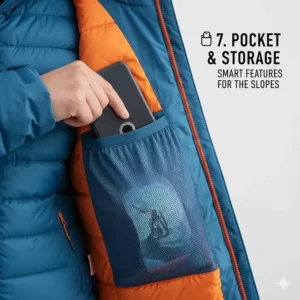
Pockets are where theory meets reality on the mountain. You need secure storage for your ski pass, phone, goggle wipes, snacks, and possibly gloves when you’re indoors. The best 3-in-1 ski jacket should offer at least four exterior pockets (two hand warmers, one chest, one sleeve) plus interior storage. Make sure at least one pocket is waterproof for electronics.
6. Consider Ventilation Options
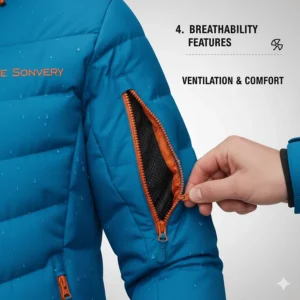
Even with breathable fabric, sometimes you need instant cooling. Pit zips (underarm vents) are essential for high-output activities. Core vents or back vents offer additional airflow. The all-season ski jacket options that include multiple ventilation strategies will serve you better throughout the season as conditions change.
7. Don’t Ignore the Hood
A mediocre hood can ruin an otherwise excellent jacket. Look for helmet-compatible designs if you wear a helmet (which you should). The hood should adjust easily with gloves on, offer good peripheral vision, and have a stiff brim that shields your face from snow. Some hoods are removable—consider whether that’s a feature you’ll actually use.
8. Research Brand Reputation and Warranty
While budget options exist, established brands like The North Face, Patagonia, Columbia, and 686 offer proven track records and solid warranties. Many back their products for years or even the lifetime of the garment. This matters particularly with versatile winter jacket systems that you’ll use frequently and in harsh conditions.
9. Check Reviews for Your Specific Use Case
General ratings help, but dig deeper. If you’re buying a women’s 3-in-1 ski jacket waterproof model for park skiing, look for reviews from park skiers. Planning backcountry tours? Find reviews from splitboarders or ski mountaineers. The best 3-in-1 ski jacket for resort cruising might be terrible for skinning uphill.
10. Think Long-term Value, Not Just Price
That $80 budget jacket might seem appealing, but if it only lasts one season or leaves you cold and wet, you’ll end up spending more replacing it. A quality $300-400 convertible 3-in-1 winter jacket skiing system should serve you for 5-7+ years with proper care, making the per-use cost quite reasonable. Divide the price by the number of ski days you expect to get, and suddenly that premium jacket looks like a smart investment.
The removable liner jacket technology has matured significantly in recent years. Modern systems like those in the Patagonia 3-in-1 Powder Town or The North Face ThermoBall Snow Triclimate offer genuine versatility that extends far beyond the ski season, making them true three-season jackets.
Top Features to Look For in All-Season Ski Jacket Options
Advanced Fabric Technology
The best 3-in-1 ski jacket starts with exceptional fabric. Modern shells utilize sophisticated membranes like Gore-Tex, DryVent, or H2No that create microscopic pores—small enough to block water droplets but large enough for water vapor (sweat) to escape. This technology, developed by companies like W.L. Gore Corporation, represents decades of materials science evolution.
Two-layer construction (common in 3-in-1 systems) bonds a waterproof membrane to the outer fabric with a mesh lining hanging inside. Three-layer construction, found in premium models, bonds all layers together for enhanced durability but typically costs more and feels less comfortable against the skin. Understanding this difference helps you evaluate whether that expensive upgrade actually matches your needs.
Strategic Insulation Placement
Modern convertible 3-in-1 winter jacket skiing designs don’t just stuff insulation everywhere uniformly. They use body mapping—placing heavier insulation (80-100g) around your core where you lose the most heat, while using lighter insulation (40-60g) in the arms and shoulders where you need mobility and generate more heat through movement.
Synthetic insulation types vary in performance. ThermoBall Eco mimics down’s warmth-to-weight ratio while remaining effective when wet. PrimaLoft offers exceptional compression and warmth. Standard polyester insulation provides reliable, affordable warmth but with more bulk. The all-season ski jacket options that use quality synthetic insulation perform consistently in the variable wet conditions common at ski resorts.
Seam Sealing Methods
Waterproof fabric means nothing if water seeps through the needle holes created during construction. Fully taped seams feature waterproof tape over every stitch, offering maximum protection but adding weight and cost. Critically taped seams cover only high-exposure areas like shoulders and seams near pockets, reducing weight while maintaining function for most conditions.
For the best 3-in-1 ski jacket performance, look for at least critical seam sealing. If you ski in extremely wet conditions (Pacific Northwest, coastal ranges), fully sealed seams justify the extra investment.
Articulated Sleeves and Gusseted Underarms
Movement matters on the mountain. Articulated sleeves (pre-bent at the elbow) reduce fabric bunching and improve comfort when your arms are extended—like when you’re pole planting or reaching for a chairlift bar. Gusseted underarms (diamond-shaped fabric inserts) allow better range of motion without the jacket riding up your torso.
These ergonomic features distinguish versatile winter jacket systems designed by actual skiers from budget jackets that simply check waterproofing boxes. When you’re wearing the jacket all day, comfort becomes as crucial as weather protection.
Powder Skirts and Interface Compatibility
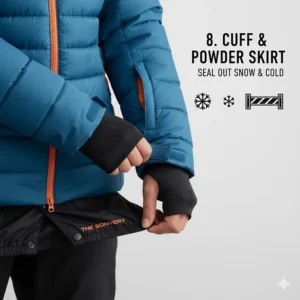
A powder skirt—an internal elastic gaiter at the jacket’s hem—prevents snow from entering up your back during falls or deep powder days. Better still, look for jackets with zip or snap interfaces that connect to compatible pants. This jacket-to-pant integration creates a complete barrier against snow intrusion.
Brands like The North Face, Patagonia, and Columbia offer proprietary systems that work across their product lines. If you’re investing in a Columbia 3-in-1 ski jacket, consider matching Columbia pants for seamless integration.
Ventilation Systems
Even the most breathable fabrics sometimes can’t keep pace with heat generation during high-intensity skiing. That’s where ventilation systems shine. Pit zips (underarm zippers) offer instant cooling without removing your jacket. Core vents (back or chest vents) provide additional airflow. Stack vents (chimney effect from hem to hood) create continuous air circulation.
The removable liner jacket technology in 3-in-1 systems provides ultimate ventilation—just unzip and remove the liner mid-day when temperatures rise. This adaptability makes these systems ideal for spring skiing or variable weather conditions.
Pass Pockets and Media Integration
Modern ski jacket design acknowledges our digital reality. Dedicated pass pockets (usually on the sleeve or forearm) provide easy RFID access at chairlifts without fumbling through layers. Internal media pockets include routing channels for earbuds, keeping cords out of the way. Some jackets even feature lens wipes built into pockets—seemingly minor details that prove invaluable during actual use.
Helmet-Compatible Hood Design
A poorly designed hood on an otherwise excellent women’s 3-in-1 ski jacket waterproof model can be a deal-breaker. Helmet-compatible hoods accommodate modern ski helmets without feeling cramped, offer adjustment systems that work with gloved hands, and include stiffened brims that maintain shape and shield your face from falling snow.
Some hoods are removable—a feature that seems attractive but rarely gets used in practice. Fixed hoods that stow neatly in the collar when not needed often prove more practical than removable designs.
RECCO Reflector Technology
Many premium models now include concealed RECCO reflectors—passive transponders that help ski patrol and rescue teams locate you in avalanche scenarios. While hopefully never needed, this safety feature adds negligible weight and provides valuable peace of mind for backcountry ventures.
Sustainable Materials and Construction
The ski industry has embraced sustainability, with many best 3-in-1 ski jacket options now featuring recycled polyester, PFC-free DWR treatments, and Fair Trade Certified manufacturing. These choices reduce environmental impact without compromising performance. Patagonia’s commitment to recycled materials, bluesign-approved fabrics, and Fair Trade practices sets a high bar that other brands increasingly match.
For skiers concerned about climate change’s impact on the sport we love, choosing all-season ski jacket options with strong environmental credentials allows us to align our purchases with our values.
Benefits vs Traditional Single-Layer Jackets
| Feature | 3-in-1 System | Traditional Insulated | Shell + Separate Midlayer |
|---|---|---|---|
| Versatility | Three configurations from one purchase | Single configuration | Maximum customization but requires multiple purchases |
| Cost | Moderate ($200-500) | Low to Moderate ($100-300) | High ($300-600+ total) |
| Layering Options | Fixed liner options | None | Unlimited combinations |
| Bulk | Moderate when combined | Low to Moderate | Low (separate pieces) |
| Convenience | Very High | Moderate | Lower (managing multiple pieces) |
| Performance Optimization | Good for most conditions | Optimized for specific range | Best for specialized use |
✨ Don’t Miss These Exclusive Deals!
🔍 Take your slope performance to the next level with these carefully selected products. Click on any highlighted item to check current pricing and availability. These versatile winter jacket systems will help you create authentic comfort and protection your mountain adventures demand!
Breaking Down Removable Liner Jacket Technology
The magic of convertible 3-in-1 winter jacket skiing systems lies entirely in how effectively the inner and outer layers integrate—or separate—when needed. Let’s dive into what makes this technology work and why some systems perform better than others.
Zipper-Based Attachment Systems
Most premium models like the best 3-in-1 ski jacket options from The North Face and Patagonia use full-perimeter zipper systems. These zippers run around the entire interior of the shell jacket, allowing the liner to attach completely and securely. When properly designed, this creates a unified garment that performs like a single-piece insulated jacket.
The quality of these zippers matters enormously. YKK zippers, found in many top models, provide smooth operation and durability even after hundreds of attachment cycles. Cheaper options may bind, snag, or break after limited use. When testing jackets in-store, actually zip and unzip the liner several times—if it feels finicky now, imagine doing it with cold fingers after hours on the mountain.
Snap and Loop Systems
Some Columbia 3-in-1 ski jacket models and budget options use a combination of zippers and snap-button systems. While this can work adequately, it typically feels less refined than full zipper systems. Snaps can pop open during active movement, and they’re more difficult to manipulate with gloves on. That said, they’re simpler to manufacture and maintain, which helps keep costs down on entry-level models.
Liner Design Considerations
The removable liner itself has evolved significantly. Early 3-in-1 systems featured basic fleece jackets that looked obviously like a liner—functional but not stylish enough to wear independently. Modern designs like the Patagonia 3-in-1 Powder Town feature quilted synthetic jackets with sophisticated styling that genuinely works as standalone outerwear.
The best liners include their own pockets, adjustable hems, and finished collars. They’re cut to work both inside the shell (slightly smaller for a clean fit) and as standalone jackets (still providing adequate coverage). This dual-purpose design requires careful pattern-making and explains why premium systems cost more than budget alternatives.
Insulation Distribution in Liners
Smart all-season ski jacket options use body-mapped insulation in the liner. More insulation goes into the core (chest and back) where you lose the most heat, while arms and shoulders receive lighter insulation for better mobility and less bulk. Some systems even use different insulation types in different areas—down in the torso for maximum warmth, synthetic in the shoulders for durability and moisture resistance.
Attachment Points and Stability
The difference between acceptable and excellent removable liner jacket technology often comes down to attachment points. Premium systems feature 6-8 attachment points around the jacket’s perimeter, keeping the liner stable and preventing it from shifting around inside the shell. Budget models might only have 2-4 points, leading to bunching and poor fit when both layers are worn together.
Look for reinforced stress points at attachment areas. These high-wear zones need extra stitching or bartacks to prevent failure after repeated use. Columbia’s Interchange System, refined over decades, exemplifies this approach with proven durability.
Shell Design for Dual Functionality
The outer shell in women’s 3-in-1 ski jacket waterproof systems must work both as a waterproof shell (when worn alone) and as a roomy outer layer (when the liner is attached). This requires specific pattern adjustments—slightly more generous cut than a standard shell, but not so large it looks baggy when worn solo.
Internal pockets in the shell should remain accessible even with the liner attached. This seemingly obvious requirement is where many budget models fail—once the liner zips in, you can’t reach the shell’s interior pockets without removing the liner first. Better designs position pockets to remain accessible regardless of configuration.
Mesh Lining vs. Taffeta
The interior of the shell jacket typically features either mesh lining or taffeta. Mesh provides better breathability and prevents the liner from sticking to the shell during attachment. Taffeta (smooth polyester) slides more easily when putting the jacket on but can trap moisture. Most premium convertible 3-in-1 winter jacket skiing systems opt for mesh in high-sweat areas (back, underarms) and taffeta elsewhere.
Temperature Range Optimization
Here’s where removable liner jacket technology really shines: different configurations work for different temperatures. The shell alone handles 35-50°F spring skiing or high-output backcountry touring. The liner by itself works for 30-45°F casual wear or moderate activity. Both together provide warmth down to 10-20°F or lower, depending on your layering underneath and cold tolerance.
Understanding these ranges helps you maximize your investment in the best 3-in-1 ski jacket. Instead of owning three separate jackets for different conditions, you have one system that adapts to most winter scenarios. This versatility particularly benefits skiers who travel to different climates or who ski throughout the entire season from November through April.
Maintenance and Care for Long-Lasting Performance
Washing Your 3-in-1 System
Proper care dramatically extends the life of versatile winter jacket systems. Wash your jacket 2-3 times per season, or more if you ski frequently. Use technical sportswear detergent (like Nikwax or Grangers) that won’t leave residue or damage DWR coatings. Regular detergents contain fabric softeners that clog breathable membranes.
Always wash the shell and liner separately. Close all zippers, unfasten all Velcro, and turn garments inside out. Use cold water on a gentle cycle with an extra rinse cycle to remove all soap residue. Never use bleach, fabric softener, or stain removers on waterproof-breathable fabrics.
Drying Techniques
Tumble dry on low heat—the warmth actually helps reactivate DWR treatments. High heat can damage membranes and melt synthetic insulation, so resist the temptation to speed things up. Add clean tennis balls or dryer balls to help insulated pieces maintain loft. Remove garments while slightly damp and hang to finish air-drying. This prevents over-heating while still benefiting from some dryer time.
Restoring Water Repellency
When water no longer beads on your jacket’s surface but instead soaks in (called “wetting out”), it’s time to reapply DWR. First, thoroughly clean the jacket as residual dirt and body oils prevent DWR from adhering properly. Then apply spray-on or wash-in DWR treatment according to manufacturer instructions.
After application, heat activation is crucial. Tumble dry on low for 30-40 minutes or carefully iron on low heat using a towel between the iron and jacket. This heat sets the DWR coating, dramatically improving water repellency. Most best 3-in-1 ski jacket models benefit from DWR reapplication annually.
Storage Between Seasons
Store your convertible 3-in-1 winter jacket skiing gear properly during off-season. Ensure it’s completely clean and dry before storage—residual sweat and oils attract mold and mildew. Store uncompressed on a wide hanger in a cool, dry place. Avoid stuff sacks or compression for long-term storage as this damages insulation loft.
Check pockets for forgotten items (ski pass, snacks) that attract pests. Consider using cedar blocks to deter moths if your liner contains natural fibers, though most synthetic insulation doesn’t attract insects.
Repair and Maintenance
Address small tears immediately with repair tape designed for waterproof fabrics. Many brands sell matching repair patches. Small punctures (from ski edges, branches) spread if ignored but take minutes to fix when caught early. Seam sealing can be reapplied to areas showing wear using commercial seam sealer products.
Check zippers regularly and lubricate with zipper wax if they become sticky. Replace zipper pulls if they break rather than struggling with pliers. Most outdoor retailers or brand warranty departments can replace full zippers if needed, extending your jacket’s lifespan significantly.
When to Consider Replacement
Even the best 3-in-1 ski jacket eventually wears out. Signs it’s time for replacement include: waterproof membrane delaminating (peeling or bubbling), insulation losing significant loft despite washing, critical seam tape peeling extensively, or fabric developing numerous unrepairable tears. Quality jackets should last 5-10 years with proper care—if yours fails sooner, contact the manufacturer about warranty coverage.
Comparing Different Price Points
Under $150 (Budget Entry): These all-season ski jacket options from brands like 33,000ft, CAMEL CROWN, and Wantdo provide basic weather protection and 3-in-1 functionality at accessible prices. Expect adequate performance for casual skiers and winter outdoor enthusiasts who don’t push gear hard. Construction quality and materials lag behind premium options, but for 5-10 ski days per season, they’ll serve adequately.
$200-350 (Mid-Range Sweet Spot): This range includes the Columbia Whirlibird V Interchange and 686 Smarty 3-in-1 Form—proven performers from established brands. You get significantly better materials, construction quality, and warranty support. Waterproofing becomes more reliable, breathability improves noticeably, and features multiply. Most recreational skiers find this price point offers the best value, delivering performance that handles all typical resort conditions without the premium price tag.
$400-500+ (Premium Investment): The top tier includes Patagonia 3-in-1 Powder Town and The North Face ThermoBall Snow Triclimate. You’re paying for cutting-edge materials (Gore-Tex alternatives, advanced synthetic insulation), refined design details, environmental/ethical manufacturing, and comprehensive warranties. These versatile winter jacket systems excel in demanding conditions and should last significantly longer than budget options. For frequent skiers (30+ days annually) or those facing harsh weather regularly, this investment makes sense.
The best 3-in-1 ski jacket for you depends on your skiing frequency, conditions, and budget. An occasional skier facing mild conditions doesn’t need a $500 jacket. Conversely, a dedicated powder hound skiing 50+ days across various resorts shouldn’t cheap out on gear that directly affects comfort and enjoyment.
FAQ: Your Top Questions Answered
❓ Can you wear the inner jacket of a 3-in-1 ski jacket separately for daily use?
❓ How do 3-in-1 systems compare to buying separate shell and midlayer jackets?
❓ What waterproof rating should I prioritize in a women's 3-in-1 ski jacket waterproof model?
❓ Are 3-in-1 jackets too bulky for backcountry touring and ski mountaineering?
❓ How should a 3-in-1 ski jacket fit when both layers are worn together?
Conclusion: Finding Your Perfect Winter Companion
After exploring seven exceptional models and diving deep into what makes the best 3-in-1 ski jacket truly effective, let’s bring this all together. The right jacket fundamentally changes your mountain experience—keeping you comfortable across unpredictable weather, eliminating the guesswork of layering, and proving versatile enough to justify its investment beyond just ski season.
For most recreational skiers seeking the best overall value, the Columbia Whirlibird V Interchange ($200-230) delivers proven performance from a trusted brand at a price that won’t wreck your ski budget. The Omni-Tech waterproofing handles typical resort conditions reliably, the fit accommodates various body types comfortably, and the thermal-reflective lining provides genuine warmth without excessive bulk.
If you’re willing to invest more for premium quality that will last through many seasons, the The North Face ThermoBall Snow Triclimate ($350-400) represents the gold standard in convertible 3-in-1 winter jacket skiing systems. The dual-insulation approach (ThermoBall Eco + Heatseeker) provides targeted warmth where you need it most, while DryVent waterproofing stands up to serious weather. Plus, the inner liner looks stylish enough for everyday winter wear around town.
Budget-conscious buyers shouldn’t overlook the 686 Smarty 3-in-1 Form Insulated ($280-320). It punches well above its price point with solid 10K/10K waterproofing and breathability, comfortable fit, and reliable construction that holds up season after season. While it lacks some premium refinements, it covers all the essentials admirably.
For those seeking the absolute best regardless of price, the Patagonia 3-in-1 Powder Town ($500) justifies its premium positioning with exceptional build quality, versatile styling, and environmental credentials that let you feel good about your purchase. The H2No membrane provides dependable weather protection, while the 60g FullRange insulation balances warmth and mobility perfectly.
The removable liner jacket technology has matured into a genuinely valuable system that extends well beyond marketing hype. Whether you’re a beginner building your first winter wardrobe or an experienced skier looking to simplify your gear, these versatile winter jacket systems offer practical adaptability that single-purpose jackets simply cannot match.
Remember that the best 3-in-1 ski jacket for your friend might not be the best choice for you. Consider your typical skiing conditions, activity level, budget constraints, and personal preferences around fit and features. Pay attention to details like pocket placement, hood design, and ventilation options that affect real-world usability more than spec sheets might suggest.
The mountains are calling, and with the right women’s 3-in-1 ski jacket waterproof protection or men’s equivalent, you’ll be ready to answer regardless of what weather conditions await. Whether it’s a bluebird powder day, a challenging spring slush session, or that unpredictable morning that starts sunny and ends in a snowstorm, you’ll have the adaptability to stay comfortable and focused on making turns.
Now get out there and enjoy the slopes—your perfect all-season ski jacket options await!
Recommended for You
- 7 Best Budget Ski Jacket Under $200 That Actually Work (2026)
- 7 Warmest Insulated Ski Jackets for Extreme Cold (2026)
- 7 Best Ski Jackets for Men 2026: Expert-Tested Reviews
Disclaimer: This article contains affiliate links. If you purchase products through these links, we may earn a small commission at no additional cost to you.
✨ Found this helpful? Share it with your friends! 💬🤗
