
In This Article
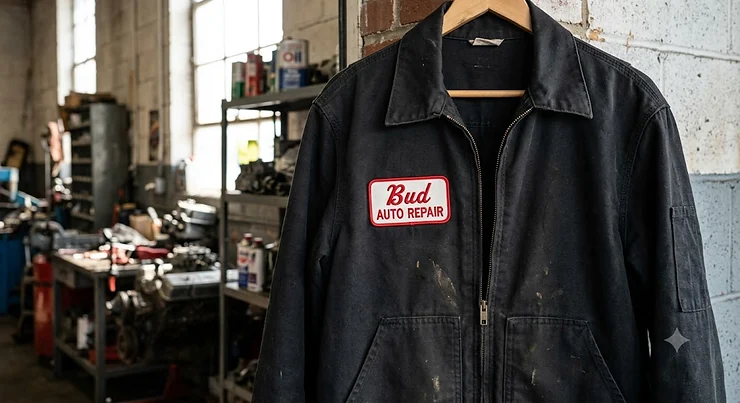
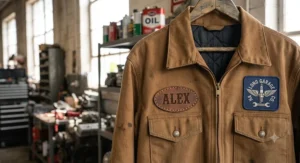
Walk into any shop that’s actually good at what it does, and you’ll notice something before you even hear a torque wrench click: everybody’s wearing the same jacket, and everybody’s name is stitched right there on the chest. That’s not an accident. A mechanic jacket with name patch stitched onto it does two jobs at once — it protects you from grease, cold, and the occasional spark, and it quietly tells the customer “we’re organized enough to bother with this.” That second part matters more than most shop owners give it credit for.
This guide breaks down seven real jackets currently sold on Amazon and through major workwear brands, spanning everything from a $40 twill classic to a flame-resistant option built for anyone working near live circuits or open flame. We’ll walk through what the specs actually mean once you’re elbow-deep in an engine bay, what real owners report after months of wear, and how to think about embroidery, tool pockets, and shop branding without overpaying for features you’ll never use. Whether you’re outfitting a one-person mobile repair rig or a twelve-bay dealership service department, there’s a jacket on this list built for your exact situation — and a few mistakes below worth avoiding before you order a dozen of them.
What Is a Mechanic Jacket With Name Patch?
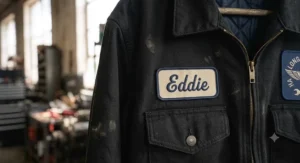
A mechanic jacket with name patch is a durable work jacket — typically twill, duck canvas, or a flame-resistant blend — fitted with an embroidered or iron-on patch bearing the wearer’s first name, usually stitched above the left chest pocket. It’s standard uniform gear in automotive shops, dealerships, and industrial trades, combining protective workwear with a quick, personal way for customers to identify staff.
Quick Comparison: Top Mechanic Jackets at a Glance
| Product | Best For | Fabric | Price Range |
|---|---|---|---|
| Red Kap Slash Pocket Jacket (JT22) | Budget everyday shop wear | 7.25 oz. twill | $40-$55 range |
| Dickies Unlined Eisenhower Jacket | Lightweight, mild-climate shifts | 8 oz. vat-dyed twill | $60-$80 range |
| Ben Davis Mechanic’s Jacket (Style 374) | Embroidery-friendly heavyweight twill | 10.5 oz. poly-cotton twill | $45-$65 range |
| Carhartt Iconic J01 Duck Detroit Jacket | Cold-weather premium durability | 12 oz. cotton duck | $140-$170 range |
| Red Kap Performance Crew Jacket | Tool-heavy, weather-exposed work | Stretch ripstop twill | $70-$90 range |
| Red Kap Men’s Staff Coat (KT34) | Front-of-house, service-writer polish | Poly-cotton twill | $45-$60 range |
| Bulwark JLR8NV FR Insulated Bomber | Flame-resistant / electrical hazard work | FR heavyweight twill | $190-$230 range |
Looking at the lineup, the split is pretty clean: the Red Kap Slash Pocket Jacket and Ben Davis Mechanic’s Jacket own the budget tier for anyone just trying to get a uniform on the floor fast, the Carhartt Iconic J01 Duck Detroit Jacket and Bulwark JLR8NV FR Insulated Bomber justify their higher price tags with genuinely tougher construction or regulatory-grade protection, and the Red Kap Performance Crew Jacket and Red Kap Men’s Staff Coat sit in the middle depending on whether your priority is tool storage or a front-desk-ready look. Shops that mix roles — techs in the bay, advisors up front — often end up buying two different jackets from this list rather than forcing one style to do everything.
💬 Already have a favorite? Skip ahead — every product below links out so you can check current pricing before deciding.
Top 7 Mechanic Jackets With Name Patch: Expert Analysis
1. Red Kap Slash Pocket Jacket (JT22) — the industry’s most-ordered budget staple
The Red Kap Slash Pocket Jacket has been the default uniform jacket for American shops for decades, and it earns that reputation through sheer consistency rather than flash. Constructed from 7.25 oz. twill with two inset slash pockets and a sleeve utility pocket, it’s built to survive an industrial laundry cycle, which matters if your shop uses a uniform service instead of home washing. Based on the spec comparison against similarly priced alternatives, the fabric weight is lighter than premium duck jackets, but that’s actually a feature for anyone working indoors or in warmer climates where a heavier jacket becomes a liability by 2 p.m.
Reviewers consistently note that the fit runs true to size and that the twill holds up to repeated hot-water washing without shrinking dramatically, which is unusual at this price point. Shops that order in bulk also report that the fabric takes embroidery cleanly without puckering — a detail that matters enormously once you’re stitching fifteen different names onto fifteen identical jackets.
Pros:
- ✅ Lowest price point of any jacket on this list
- ✅ Withstands industrial laundering without major shrinkage
- ✅ Embroiders cleanly for bulk name-patch orders
Cons:
- ❌ Thinner shell offers minimal insulation in cold shops
- ❌ Fewer pocket options than premium alternatives
Expect to pay in the $40-$55 range at the time of research, making the Red Kap Slash Pocket Jacket the easiest yes for a shop outfitting a whole crew on a tight budget.
2. Dickies Unlined Eisenhower Jacket — the lightest classic silhouette for mild climates
Named for the general whose military-style jacket inspired the cut, the Dickies Unlined Eisenhower Jacket brings a slightly more tailored, dressier silhouette than the boxier work-coat styles on this list. The 8 oz. vat-dyed twill shell is genuinely lighter than it looks, and the brass zipper with slash welt pockets gives it a cleaner line that some shop owners prefer for staff who interact with customers directly, not just wrench in the bay.
What most buyers overlook about this jacket is that “unlined” doesn’t mean flimsy — the twill itself has enough body to layer over a thermal shirt in cool weather, and the hidden interior pocket is deep enough for a phone and a set of keys, which the slash-pocket competitors above don’t offer. Reviewers frequently mention buying the lined version first and then adding this unlined one for milder days, essentially building a two-season system around the same silhouette. A recurring complaint in user reviews is that the tall/medium combination is hard to find in stock, so sizing ahead of an embroidery order is worth double-checking.
Pros:
- ✅ Classic tailored cut suitable for front-of-shop staff
- ✅ Hidden interior pocket deeper than competitors
- ✅ Lightweight enough to layer through three seasons
Cons:
- ❌ No insulation for genuinely cold environments
- ❌ Certain size/length combinations run out of stock often
Priced in the $60-$80 range at most retailers, the Dickies Unlined Eisenhower Jacket earns its slightly higher cost through a more versatile, less bulky fit than pure workwear-cut alternatives.
3. Ben Davis Mechanic’s Jacket (Style 374) — the embroidery shop’s favorite blank canvas
If your priority is a mechanic jacket with name patch that embroiders beautifully and holds its shape after the tenth wash, the Ben Davis Mechanic’s Jacket is worth a serious look. Built from a 10.5 oz. 60% cotton / 40% polyester heavyweight twill shell with a quilted lining, elastic cuffs, and side-entry pockets, it sits squarely between the lighter Red Kap and the heavier Carhartt on this list in both warmth and price. The elastic waistband is a small design choice with a real payoff: it keeps cold air from creeping up from underneath the jacket while you’re bent over a fender, something the straight-hem competitors don’t address.
Based on the spec comparison, the cotton-heavy blend gives embroidery machines more surface to grip than fully synthetic alternatives, which is exactly why so many independent shops default to Ben Davis for custom name patches. Reviewers note the jacket runs a bit generous through the body, which some technicians appreciate for layering and others find slightly boxy for a slimmer build.
Pros:
- ✅ Cotton-heavy blend takes embroidery cleanly and holds it
- ✅ Elastic waist and cuffs seal out drafts
- ✅ Mid-range price with heavyweight construction
Cons:
- ❌ Boxier fit than tailored alternatives
- ❌ Quilted lining adds bulk under coveralls
You’ll typically find it in the $45-$65 range, and the value verdict here is straightforward: for shops planning a full embroidered fleet, the Ben Davis Mechanic’s Jacket offers the best balance of embroidery quality and price on this list.
4. Carhartt Iconic J01 Duck Detroit Jacket — the cold-weather workhorse built to outlast the shop itself
First produced in 1954 and still built from the same rugged philosophy, the Carhartt Iconic J01 Duck Detroit Jacket is the heavyweight option here, using 12 oz. 100% cotton duck canvas with a blanket lining through the body and quilted nylon through the sleeves. The triple-stitched main seams and bi-swing pleated back aren’t marketing fluff — they’re specifically there so a technician can raise both arms overhead to work under a lifted vehicle without the jacket binding or tearing at the shoulder.
Here’s what the spec sheet won’t tell you, but reviewers note repeatedly: this jacket is genuinely warm enough for unheated shop bays through a full winter, and the corduroy collar with snap tabs lets you attach an optional hood for outdoor or mobile-repair work. The droptail hem sits low enough to cover a tool belt, a small detail that matters if your shop policy requires a full harness or belt setup. A common theme across owner feedback is that sizing runs true but the jacket needs a break-in period before the canvas softens — buy true to your measured chest size rather than sizing up for a “broken-in” feel immediately.
Pros:
- ✅ Genuinely warm enough for unheated winter shop floors
- ✅ Triple-stitched seams and bi-swing back survive overhead work
- ✅ 70-year design pedigree with proven long-term durability
Cons:
- ❌ Highest price point on this list
- ❌ Stiff canvas needs a multi-week break-in period
At around $140-$170, the Carhartt Iconic J01 Duck Detroit Jacket is the premium pick — the value case rests entirely on total cost of ownership, since a well-cared-for duck canvas jacket routinely outlasts two or three cheaper twill jackets.
5. Red Kap Performance Crew Jacket — the mechanic jacket with tool pockets built for wet, cold job sites
For technicians who need genuine storage while working — think mobile mechanics, fleet techs, or anyone stepping outside the bay regularly — the Red Kap Performance Crew Jacket is the strongest tool-pocket option on this list. Built from a 6.6 oz. stretch twill ripstop shell that’s water-repellent and quilted for insulation, it includes two quilt-lined lower inset slash pockets (one with a concealed snap closure), two inner chest patch pockets with concealed snaps, and a dedicated utility pocket on the left sleeve.
What most buyers overlook here is the stretch element — the ripstop weave has enough give that reaching into an engine bay or crouching to check a lower control arm doesn’t fight the fabric the way stiffer canvas jackets do. Reviewers consistently praise the water resistance for outdoor diagnostic calls, noting that light rain beads off rather than soaking through during a roadside repair. The tradeoff is that all those pockets add bulk, so if you’re layering over coveralls, expect a slightly tighter fit than the sizing chart suggests.
Pros:
- ✅ Six total pockets including sleeve utility storage
- ✅ Stretch ripstop moves with you during crouched or overhead work
- ✅ Water-repellent shell suited to outdoor or mobile repair work
Cons:
- ❌ Bulkier fit when layered over coveralls
- ❌ Priced above basic twill jackets for the added features
Expect a $70-$90 range for this one, and the value verdict is clear for anyone doing mobile or outdoor-adjacent work: the tool-pocket layout alone justifies the premium over a standard slash-pocket jacket.
6. Red Kap Men’s Staff Coat (KT34) — the professional mechanic jacket for service advisors and shop leads
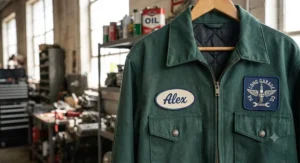
Not every uniform need is bay-side. The Red Kap Men’s Staff Coat is a long-sleeve staff coat rather than a traditional jacket, styled with a left chest pocket, two lower patch pockets, a pleated back for mobility, and a sewn-on adjustable belt. It’s a common pick for service writers, shop managers, and dealership staff who spend part of their day walking the customer-facing floor and part of it back in the bay checking on a job.
Based on the spec comparison, the coat’s longer cut and cleaner lines read as more “professional” than a boxy work jacket, which is exactly the point — it signals authority and organization to a customer standing at the service counter, while still surviving a quick trip into the shop if a job needs a second set of eyes. Reviewers note the vents at the sides add real mobility for anyone who’s on their feet moving between stations most of the day, and the fabric handles frequent machine washing without losing its press.
Pros:
- ✅ Longer, tailored cut reads as more polished than a work jacket
- ✅ Adjustable belt and vented sides support all-day mobility
- ✅ Machine washable without losing crisp appearance
Cons:
- ❌ Less insulated than dedicated cold-weather jackets
- ❌ Pockets are shallower than tool-focused alternatives
Typically priced in the $45-$60 range, the Red Kap Men’s Staff Coat is the clear value pick for any role where professional shop appearance matters as much as durability.
7. Bulwark JLR8NV FR Insulated Bomber Jacket — the safety-compliant premium pick for hazard-exposed shops
If your technicians work near live electrical systems, welding equipment, or any flash-fire risk, the Bulwark JLR8NV FR Insulated Bomber Jacket is the one option on this list built to a regulatory safety standard rather than just a comfort or style standard. Rated CAT-3 for flame resistance and arc protection, it’s constructed from heavyweight FR twill designed to self-extinguish rather than melt or continue burning if exposed to flame or an electrical arc — a meaningfully different risk profile than the cotton and cotton-blend jackets earlier on this list.
Here’s what the spec sheet won’t tell you plainly: FR-rated clothing isn’t optional for certain roles under federal workplace safety rules (more on that below), so for shops with technicians exposed to 600+ volt systems or open-flame work, this isn’t a style preference — it’s compliance. Reviewers in the FR clothing category consistently emphasize that CAT-3 garments feel noticeably heavier than standard twill, which is the tradeoff for the added protection layer, and that proper fit matters more here than on any other jacket, since loose or gapping FR clothing reduces its protective value.
Pros:
- ✅ CAT-3 flame-resistant and arc-rated protection
- ✅ Insulated build suited to cold, hazard-exposed environments
- ✅ Meets a recognized safety category for regulated trades
Cons:
- ❌ Highest price point by a wide margin
- ❌ Heavier and less flexible than non-FR alternatives
At roughly $190-$230, the Bulwark JLR8NV FR Insulated Bomber Jacket isn’t for every shop — but for the roles where it applies, it’s not really optional, and the value case is really a safety case.
✨ Ready to outfit your crew? Check current availability and pricing on any of these seven jackets before your next uniform order goes out.
Getting a New Mechanic Jacket Ready for the Shop
Buying the jacket is the easy part. The first thirty days determine whether it looks sharp for years or starts fraying at the seams by spring. Start by washing any new jacket once before adding a name patch — pre-shrinking cotton-heavy twill or duck canvas by even half an inch can shift where an embroidered patch sits relative to the pocket seam. If you’re ordering embroidery from a third-party shop rather than doing it in-house, send them the exact garment first rather than a size chart; digitizing software reads differently depending on the fabric weight and stretch.
A common first-30-days mistake is over-washing on hot cycles to “break in” heavier canvas jackets like the Carhartt Iconic J01 Duck Detroit Jacket — this accelerates fading and can loosen stitching around pockets faster than normal wear would. Instead, wash on warm, tumble dry on medium, and let the canvas soften naturally over a few weeks of actual use. For twill jackets like the Red Kap Slash Pocket Jacket or Ben Davis Mechanic’s Jacket, a light steam or low-heat iron after washing keeps the embroidered name patch looking crisp rather than puckered. Set a simple maintenance rhythm: wash every few wears rather than daily, spot-treat grease immediately with a degreasing pre-treatment before it sets into the fibers, and inspect zippers and snaps monthly if the jacket sees daily use — a $40-$55 jacket like the Red Kap can last years if the zipper is treated as a wear point worth checking.
Real-World Scenarios: Matching the Jacket to the Job
The solo mobile mechanic. Working out of a van, moving between driveways and parking lots in variable weather, this technician needs water resistance and real pocket capacity more than polish. The Red Kap Performance Crew Jacket, with its stretch ripstop shell and six pockets, fits this use case almost exactly — it survives a light rain during a roadside diagnostic and holds a multimeter, tire gauge, and phone without needing a separate tool bag nearby.
The dealership service advisor. This role rarely touches an engine directly but represents the shop’s professionalism at the counter all day. The Red Kap Men’s Staff Coat matches the need for a longer, cleaner silhouette that still survives a quick walk through the bay, while a name patch on the chest gives customers an easy, personal way to reference “the guy who checked me in.”
The small independent shop owner on a tight budget, outfitting four techs. Buying four of the Ben Davis Mechanic’s Jacket or Red Kap Slash Pocket Jacket keeps the uniform order affordable while still giving a clean, embroidery-ready canvas for each tech’s name — a meaningfully cheaper path to a “branded” look than ordering four premium duck jackets right out of the gate.
Problem → Solution: Common Mechanic Jacket Headaches
Problem: The embroidered name patch puckers after a few washes. This usually happens on thinner synthetic-heavy fabrics that weren’t pre-shrunk before stitching. Solution: choose a cotton-forward twill like the Ben Davis Mechanic’s Jacket, and always pre-wash before embroidery.
Problem: The jacket is too hot to wear indoors but too thin for outside work. Solution: keep two jackets in rotation — an unlined option like the Dickies Unlined Eisenhower Jacket for indoor bay work, and an insulated pick like the Carhartt Iconic J01 Duck Detroit Jacket for cold mornings or outdoor calls.
Problem: Grease stains won’t come out of light-colored twill. Solution: treat stains immediately with a dish-soap-based degreaser before washing, and avoid hot water on the first few washes, which can set oil-based stains permanently into cotton fibers.
Problem: Staff jackets look mismatched because they were ordered from different retailers over time. Solution: standardize on one style and one embroidery vendor for at least a full year of ordering, so new hires match the existing crew rather than introducing a visibly different cut or color.
Problem: A technician working near live electrical systems is wearing a standard twill jacket. Solution: this is a compliance gap, not a comfort issue — move that role into an FR-rated option like the Bulwark JLR8NV FR Insulated Bomber Jacket immediately.
How to Choose a Mechanic Jacket With a Name Patch
- Identify the primary work environment first. Indoor bay, outdoor mobile work, and customer-facing floor roles all call for different silhouettes and insulation levels.
- Match fabric weight to your climate, not your budget. A 12 oz. duck canvas jacket in a warm-climate shop will get left in the locker by mid-morning regardless of price.
- Check whether the fabric embroiders well before ordering in bulk. Cotton-heavy twill blends like those on the Ben Davis Mechanic’s Jacket hold stitching better than fully synthetic shells.
- Count the pockets you’ll actually use. A mechanic jacket with tool pockets only pays off if you’re regularly carrying tools outside a rolling cart or toolbox — otherwise it’s just extra bulk.
- Confirm whether any role requires FR-rated protection. This isn’t a style preference; it’s governed by federal workplace safety rules covered in more detail below.
- Decide on one uniform vendor before ordering embroidery. Switching brands mid-fleet creates visibly mismatched crews.
- Budget for replacement, not just initial purchase. A cheaper jacket washed twice weekly will need replacing sooner than a premium one worn the same amount.
Common Mistakes When Buying a Mechanic Jacket
The most frequent mistake shop owners make is ordering the cheapest available jacket in bulk without checking how it holds embroidery — a decision that looks fine on the invoice and terrible six months later when name patches start puckering or peeling. A close second is buying one jacket style for an entire staff regardless of role, putting a bulky insulated jacket on a service advisor who never leaves a heated showroom, or a thin dress-style coat on a tech working an unheated winter bay. Another common misstep: skipping the sizing chart because “a jacket is a jacket,” then discovering the embroidered name patch sits crooked because the garment fits differently than expected across the shoulders. Finally, plenty of shops overlook flame-resistance requirements entirely, assuming FR gear is only for oil-field or utility work, when in fact certain automotive tasks involving high-voltage EV systems increasingly fall under similar exposure categories.
Mechanic Jacket vs Standard Work Shirt: What Actually Changes
A standard work shirt with a name patch handles light identification duty fine, but it does almost nothing for weather protection, grease resistance, or the “this person is clearly on shift and equipped” signal a jacket sends. Written comparison aside, the practical difference shows up fastest in cold-weather bays: a shirt alone leaves a technician layering with whatever’s on hand, which quickly turns a uniform program into a mismatched pile of hoodies and flannel. A jacket like the Red Kap Slash Pocket Jacket standardizes that look while adding actual pocket storage and wind resistance a shirt can’t offer. The tradeoff is upfront cost — jackets run higher than shirts — but the value case holds up over a season once you account for reduced layering chaos and a more consistent branded appearance on the floor.
What to Expect: Real-World Performance
Specs on a page rarely translate directly into what a ten-hour shift actually feels like. In practice, lighter twill jackets like the Red Kap Slash Pocket Jacket and Dickies Unlined Eisenhower Jacket move well during repetitive bending and reaching but offer noticeably less warmth once a shop’s roll-up door has been open for an hour in January. Heavier duck canvas, as in the Carhartt Iconic J01 Duck Detroit Jacket, holds warmth impressively well but takes real effort to move freely in in the first few weeks — the fabric genuinely does soften with wear, so the “stiff” complaint in early reviews tends to fade after a month of regular use. Tool-pocket-heavy designs like the Red Kap Performance Crew Jacket feel noticeably bulkier when fully loaded, which matters if your shop layout involves squeezing between vehicles in a tight bay. And FR-rated garments like the Bulwark JLR8NV FR Insulated Bomber Jacket feel different from the first wear — heavier, stiffer, more deliberate — because that added material is exactly what provides the safety margin.
Custom Embroidery Options: What Actually Works Long-Term
Custom embroidery options generally fall into three categories: direct machine embroidery onto the garment, a separately embroidered patch sewn or ironed on afterward, and heat-pressed vinyl lettering, which technically isn’t embroidery at all but gets marketed alongside it. For a mechanic jacket with name patch use case specifically, directly embroidered names tend to outlast iron-on patches by a wide margin — iron-on backing can lift at the corners after repeated industrial washing, especially on jackets that see grease and heat exposure regularly. A separately embroidered patch, sewn on rather than ironed, splits the difference: it’s more durable than iron-on but allows a shop to reuse the jacket for a new hire by simply removing and replacing the patch, which matters for turnover-heavy shops that don’t want to scrap a jacket every time staff changes.
Fabric choice affects embroidery quality more than most buyers realize. Cotton-heavy blends like the one used in the Ben Davis Mechanic’s Jacket give embroidery machines more grip and produce cleaner stitch definition than slicker synthetic-heavy shells. If you’re ordering embroidery in bulk, request a single sample jacket stitched first before committing to a full run — thread tension and letter spacing can look different on 12 oz. duck canvas versus 7 oz. twill even using the exact same digitized file.
Professional Shop Appearance and Branded Mechanic Wear: The Business Case
Professional Shop Appearance
Customers form an impression of a shop’s competence within seconds of walking in, and a uniformed, name-patched staff is one of the fastest signals available. According to industry uniform research, a large majority of customers say uniformed employees look more professional, and that perception translates directly into how much they trust the diagnosis they’re being handed and the invoice that follows. For a business where trust is the entire product — most customers can’t verify a repair themselves — a consistent, clean professional mechanic jacket across the whole team does real, measurable work toward closing that trust gap.
Branded Mechanic Wear
Branded mechanic wear extends the same logic outward: a jacket with a shop logo alongside the individual name patch turns every technician into a walking advertisement, whether they’re picking up parts, meeting a customer curbside, or just visible through the shop’s front window. Uniform branding research points to the same effect: consistent, matching workwear shapes first impressions and signals professionalism, and most people report that uniformed staff are simply easier to identify on a busy floor, which matters operationally too — a customer walking into a busy shop floor can immediately spot who to approach. The psychology behind why branded, uniformed staff build customer trust has been studied extensively in retail and service settings, and automotive repair — an industry that already fights a reputation for unclear pricing — benefits from that trust signal more than most.
Long-Term Cost & Maintenance
Sticker price tells an incomplete story. A Red Kap Slash Pocket Jacket at $40-$55 that needs replacing every twelve to eighteen months under heavy daily wear costs more over three years than a Carhartt Iconic J01 Duck Detroit Jacket at $140-$170 that survives four or five years of the same use, once you factor in re-embroidery costs each time a jacket is replaced. That said, this math only favors the premium option for shops with low staff turnover — high-turnover shops actually do better financially with cheaper jackets, since a name-patched jacket becomes a sunk cost the moment an employee leaves. Maintenance costs matter too: industrial laundering services typically charge per garment regardless of fabric weight, so a heavier jacket doesn’t cost more to clean, but it does take longer to fully dry, which matters for shops washing uniforms on-site rather than through a service.
Safety, Regulations, and Compliance Guide
Flame-resistant clothing isn’t a marketing category invented by workwear brands — it’s tied directly to federal workplace safety rules. When a worker is exposed to an electrical arc, the clothing they’re wearing can significantly affect how severe the resulting injury is, which is why OSHA’s flame-resistant clothing standards require FR-rated outer layers for employees exposed to high-voltage systems, electrical arcs, or open-flame hazards. Automotive shops working on hybrid and EV drivetrains increasingly fall into a gray area here, since high-voltage battery packs and charging systems introduce arc-flash risks that traditional gas-engine repair never did. If your shop touches EV service at all, it’s worth a documented hazard assessment rather than assuming standard twill jackets are automatically fine. For roles that clear that bar, the Bulwark JLR8NV FR Insulated Bomber Jacket is the option on this list actually built to meet that requirement rather than just resemble workwear.
Frequently Asked Questions
❓ Can I add a name patch to any mechanic jacket, or does it need to be pre-made for it?
❓ How much does it typically cost to add embroidery to a mechanic jacket?
❓ Is a heavier jacket always better for shop work?
❓ Do mechanic jackets need to be flame-resistant?
❓ How often should a shop replace uniform jackets?
Conclusion
There’s no single best mechanic jacket with name patch for every shop — the right pick depends on climate, role, budget, and whether anyone on staff is working near genuine electrical or flame hazards. Budget-conscious shops outfitting a full crew will get the most mileage from the Red Kap Slash Pocket Jacket or Ben Davis Mechanic’s Jacket, both of which embroider cleanly and hold up to regular laundering. Shops that need real cold-weather durability should look hard at the Carhartt Iconic J01 Duck Detroit Jacket, while mobile technicians and anyone doing outdoor diagnostic work will get more practical value from the Red Kap Performance Crew Jacket‘s tool-pocket layout. Front-of-house staff are better served by the tailored Red Kap Men’s Staff Coat, and any role touching high-voltage or open-flame work should be in the Bulwark JLR8NV FR Insulated Bomber Jacket, full stop — that one isn’t optional once the hazard assessment says so. Whichever direction you land on, get one sample jacket embroidered before committing to a bulk order; a name patch that looks great on paper can still pucker on the wrong fabric. If you want to dig deeper into why this kind of consistent, name-patched uniform program moves the needle on customer trust, this independent survey on uniforms and customer perception is worth a read.
✨ Ready to Gear Up Your Crew?
🔍 Compare current pricing across all seven jackets above before placing a bulk uniform order — a few minutes of checking availability now saves a mismatched-fleet headache later.
Recommended for You
- 7 Best Auto Mechanic Jacket Picks for 2026 (Warm, Tough, Honest)
- Heated Work Jacket Battery Life: 7 Picks Tested for 2026
- 7 Best Heated Construction Jackets for 2026: Warm & Tough Picks
Disclaimer: This article contains affiliate links. As an Amazon Associate, I earn from qualifying purchases. If you purchase products through these links, we may earn a small commission at no additional cost to you.
✨ Found this helpful? Share it with your friends! 💬🤗
