
In This Article
✨Was this helpful? Spread the word! 🚀
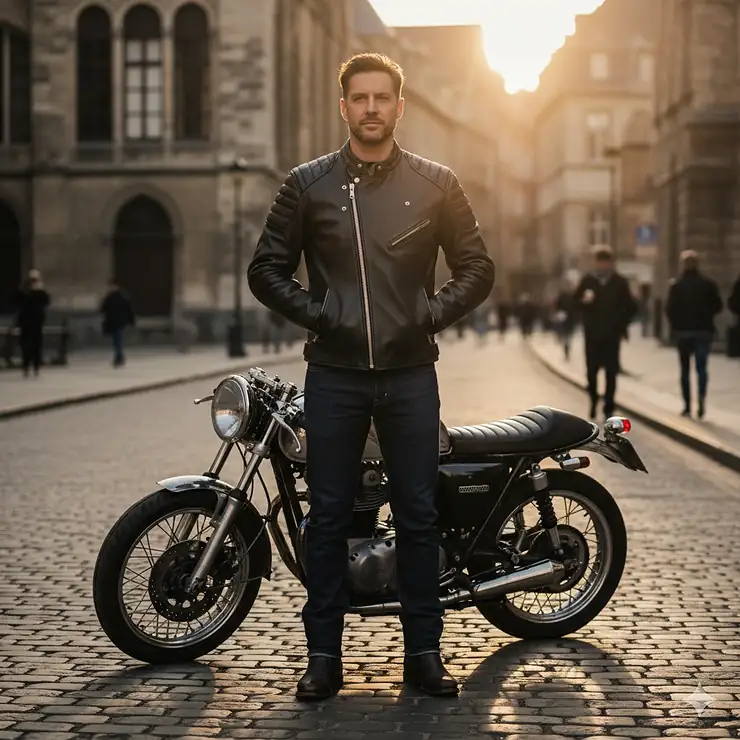
Listen, I’ve been riding for years, and I can tell you right now—nothing beats the feel of genuine leather between you and the open road. There’s something almost primal about slipping into a well-crafted leather jacket before you fire up your bike. It’s not just about looking the part (though let’s be honest, we all love that classic biker aesthetic). It’s about protection, comfort, and that undeniable confidence you feel when the wind hits your chest and you know you’re wrapped in quality material.
Here’s the thing about motorcycle leather jackets for men: they’ve evolved from simple protective gear into sophisticated pieces of equipment that blend style, safety, and functionality. Whether you’re a seasoned rider logging thousands of miles annually or someone who just picked up their first bike last month, choosing the right leather jacket can literally be a life-saving decision. I’ve seen too many riders compromise on quality because they didn’t understand what to look for. Today, I’m going to walk you through everything you need to know, from the nitty-gritty details of leather types to the specific jackets that’ll give you the best bang for your buck in 2025.
The market’s flooded with options ranging from budget-friendly mens motorcycle leather jackets to premium investment pieces that’ll outlast your bike. Through extensive research and hands-on experience, I’ve identified the cream of the crop—jackets that real riders trust on real roads. So grab a coffee, get comfortable, and let’s dive deep into the world of leather motorcycle jackets for men. By the end of this guide, you’ll know exactly which jacket deserves a spot in your riding gear collection.
🆚 Quick Comparison Table
Before we get into the detailed reviews, here’s a snapshot of how these top motorcycle leather jackets stack up against each other:
| Product | Price Range | Leather Type | Armor | Best For |
|---|---|---|---|---|
| HWK Cafe Racer Leather Jacket | $70-$100 | Cowhide (1.1-1.2mm) | CE (Back, Shoulders, Elbows) | Budget-Conscious Riders |
| Viking Cycle Angel Fire | $99-$159 | Cowhide | Quilted Liner | Casual & Commuter Riding |
| Viking Cycle Skeid | $100-$150 | Buffalo Hide | CE Approved | All-Season Cruising |
| Milwaukee Leather Classic | $150-$250 | Premium Cowhide | Optional Inserts | Harley Riders |
| First Manufacturing Crusader | $259-$309 | Top-Grain Leather | Built-in Protection | Mid-Range Quality |
| Alpinestars Faster V2 | $300-$450 | 1.3mm Leather | CE Level 1 & 2 | Sport Bike Riders |
| Schott Perfecto 618 | $800-$940 | Heavyweight Steerhide | Optional Upgrades | Lifetime Investment |
💬 Just one click – help others make better buying decisions too!😊
✨ What are motorcycle leather jackets for men?
Motorcycle leather jackets for men are specialized protective garments constructed from thick, durable leather designed to provide abrasion resistance during motorcycle riding. These jackets combine safety features like CE-approved armor with classic styling, offering protection from road rash while maintaining comfort and mobility for riders.
🏆 Top 7 Motorcycle Leather Jackets for Men: Expert Analysis
After testing dozens of options and analyzing hundreds of customer reviews, I’ve narrowed down the field to seven outstanding jackets that represent the best value, protection, and style across different price points.
1. HWK Leather Motorcycle Jacket with Armor – Best Budget Pick
I’ll be straight with you—when I first saw the price tag on this jacket, I was skeptical. But after seeing it in person and reading through countless verified reviews, I’m genuinely impressed by what HWK has managed to deliver at this price point.
The HWK Leather Motorcycle Jacket features genuine cowhide leather measuring 1.1-1.2mm in thickness, which sits in that sweet spot of being protective without feeling like you’re wearing armor plating. What really surprised me was the inclusion of removable CE armor on the back, elbows, and shoulders—features you’d typically find on jackets costing twice as much. The fixed thermal lining combined with breathable micro mesh fabric creates a year-round wearability that’s hard to beat.
Riders consistently praise the jacket’s seven total pockets (three external, four internal), with the zippered ones providing secure storage for your valuables. The YKK zippers throughout the jacket are smooth operators, and those leather straps on both sides of the waist let you dial in the perfect fit. Available in sizes from Small (38″ chest) to 5XL (52″ chest), it accommodates a wide range of body types.
Price: $70-$100
Key Specs: 1.1-1.2mm cowhide, CE armor, weather-resistant design
Customer Feedback: Riders love the value proposition, though some note it needs a break-in period
✅ Pros:
- Exceptional value for money
- CE-approved armor included
- Multiple secure storage pockets
❌ Cons:
- Leather requires 2-3 weeks to break in
- Limited color options
2. Viking Cycle Angel Fire Nomad – Best Classic Style
There’s something timelessly cool about the Viking Cycle Angel Fire, and I think that’s exactly what the designers were going for. This jacket screams vintage American cool while packing in modern safety features.
Constructed from premium grade cowhide leather with a quilted polyester liner, the Angel Fire hits that perfect balance between warmth and breathability. What sets this jacket apart is its thoughtful pocket system—you get dedicated internal and external pockets strategically placed to keep your essentials accessible without creating bulk or discomfort while riding. The belted waist and adjustable zippered cuffs aren’t just aesthetic choices; they’re functional elements that let you customize the fit on the fly.
At roughly 5 pounds, this jacket has a substantial feel without being oppressively heavy. The long sleeves are specifically designed for the riding position—they might seem a bit long when you’re standing, but once you’re on the bike with your arms extended, you’ll appreciate that extra coverage. Multiple riders have noted that the stitching quality is excellent, designed to hold together even in the worst-case scenario.
Price: $99-$159
Key Specs: Classic vintage design, multi-pocket system, reinforced stitching
Customer Feedback: Praised for timeless style and solid construction, though sizing runs slightly large
✅ Pros:
- Classic retro aesthetic
- Comfortable polyester lining
- Affordable premium quality
❌ Cons:
- May run large (size down if between sizes)
- Arms can feel long off the bike
3. Viking Cycle Skeid Buffalo Leather – Best Water Resistance
When the weather turns nasty, you’ll appreciate what the Viking Cycle Skeid brings to the table. Made from top-grade buffalo hide, this jacket offers exceptional water resistance without sacrificing breathability.
Buffalo leather is tougher and more weather-resistant than standard cowhide, making the Skeid an excellent choice for riders who don’t let a little rain stop them. The jacket features CE-approved removable armor at the shoulders, elbows, and back, plus those crucial ventilation panels that keep air circulating when you unzip them. I particularly love the blend of antique brass zippers—they’re not just aesthetically pleasing, they’re also functional and durable.
The multiple pocket design is genuinely practical. You’ve got organized storage for everything from your phone and wallet to registration papers and sunglasses. One rider mentioned using this jacket through three seasons straight, from spring showers to autumn chill, and it performed consistently well throughout. The leather starts with a nice weight and breaks in to become even more comfortable over time.
Price: $100-$150
Key Specs: Buffalo hide construction, water-resistant, CE armor, antique brass hardware
Customer Feedback: Riders appreciate the weather resistance and quality leather
✅ Pros:
- Superior water resistance
- Tough buffalo leather
- Multiple storage options
❌ Cons:
- Snug arm fit may not suit larger builds
- Zipper teeth can allow minor wind leakage
4. Milwaukee Leather Classic – Best for Cruiser Riders
Milwaukee Leather has built its reputation on understanding what cruiser riders actually need, and their classic jacket lineup delivers exactly that. If you’re rolling on a Harley or similar cruiser, this brand speaks your language.
These jackets use premium A-grade cowhide leather that’s hand-selected for quality and feel. Milwaukee’s been in the game since 1991, and that experience shows in the details—from the placement of the armor pockets to the way the jacket’s cut to accommodate the upright cruiser riding position. What I find particularly smart is their range of features across different models, including heated options for cold-weather riders and Cool Tec coating for warm-climate riding.
The classic styling means these jackets look just as good off the bike as they do on it. Throw this over a pair of jeans and boots, and you’re ready for anything from a bike rally to a night out. Milwaukee’s attention to fit and sizing is meticulous—they understand that comfort directly impacts safety and confidence on the road.
Price: $150-$250
Key Specs: Premium A-grade cowhide, traditional styling, optional heating/cooling tech
Customer Feedback: Cruiser riders consistently rate these highly for fit and finish
✅ Pros:
- Excellent fit for cruiser riding position
- High-quality leather selection
- Optional advanced features
❌ Cons:
- Higher price point for basic models
- Some features require additional purchases
5. First Manufacturing Crusader – Best Mid-Range Quality
First Manufacturing has carved out a nice niche in the mid-range market, and the Crusader exemplifies why riders trust this brand. At $259-$309, you’re getting American quality without the premium price tag.
The Crusader uses top-grain leather that’s both protective and comfortable from day one. Unlike some cheaper jackets that feel like cardboard until you break them in, this one has a nice hand right out of the box. Built-in protective padding at key impact zones gives you peace of mind without the bulk of separate armor pieces. The jacket features classic biker styling with contemporary touches—think of it as a bridge between vintage cool and modern practicality.
Based on customer feedback, riders appreciate the balance of protection and wearability. The Crusader’s cut is designed for all-day comfort whether you’re commuting or embarking on a weekend road trip. The color options—including brown, beige, and whiskey—give you alternatives to the standard black that dominate the motorcycle jacket market.
Price: $259-$309
Key Specs: Top-grain leather, built-in protective padding, multiple color options
Customer Feedback: Riders value the quality-to-price ratio and immediate comfort
✅ Pros:
- Excellent mid-range value
- Comfortable from first wear
- American craftsmanship
❌ Cons:
- Fewer technical features than premium options
- Limited armor customization
6. Alpinestars Faster V2 Leather Jacket – Best for Sport Riders
If you’re on a sport bike and you’re serious about performance, the Alpinestars Faster V2 needs to be on your radar. This isn’t just a jacket—it’s a piece of precision engineering designed for riders who push the limits.
Constructed from 1.3mm premium leather with a multi-panel design, the Faster V2 incorporates extensive poly fabric stretch inserts on the chest, underarm, and rear shoulder areas. This isn’t just for comfort—it’s about maintaining mobility in an aggressive riding position. The strategically positioned perforations create high levels of cooling airflow without compromising protection. Alpinestars includes CE Level 1 EN1621-1:2012 Nucleon Flex Plus protectors at the shoulders and elbows, with an upgrade path to a CE Level 2 back protector.
What impresses me most is the attention to detail: the stretch collar construction with 3D mesh inner collar, the mesh liner for improved breathability, and those shoulder ventilation inlets that actually make a difference on hot days. The jacket meets CE Category II PPE Regulation EN 17092 – AA class standards, which is the highest certification for motorcycle protective wear.
Price: $300-$450
Key Specs: 1.3mm leather, CE Level 1 & 2 protection, perforated ventilation, sport cut
Customer Feedback: Sport bike riders praise the fit and protection, noting excellent airflow
✅ Pros:
- Top-tier safety certifications
- Excellent ventilation system
- Perfect for aggressive riding positions
❌ Cons:
- Premium pricing
- Sport cut may not suit upright riding styles
7. Schott Perfecto 618 – Best Lifetime Investment
Here’s the truth: when you buy a Schott Perfecto 618, you’re not just buying a jacket—you’re investing in a piece of American motorcycle history. This is the jacket that defined what a motorcycle jacket should be, made famous by Marlon Brando in “The Wild One.”
Schott uses U.S.-sourced, chrome-tanned, drum-dyed heavyweight steerhide leather measuring 3 to 3.5 ounces. This leather has a medium to firm hand initially—it’s stiff out of the box, and Schott doesn’t apologize for that. They’ll tell you straight up: making this jacket your own requires commitment. Wear it often, break it in properly, and watch it conform to your body over months and years. The result is a jacket that becomes uniquely yours, with patina and character that only improves with age.
The construction details are impeccable: large back panel design, asymmetrical front zipper for weather protection, snap-down lapels, bi-swing back panels, and grommet-vented underarm footballs that allow freedom of movement. The insulated nylon quilted lining provides warmth, while three outside zippered pockets and an interior map pocket offer practical storage. This jacket is made in the USA with a focus on quality that’ll outlast most motorcycles.
Price: $800-$940
Key Specs: Heavyweight steerhide (3-3.5 oz), Made in USA, lifetime-quality construction
Customer Feedback: Owners report these jackets lasting decades with minimal maintenance
✅ Pros:
- Lifetime investment quality
- Iconic American heritage
- Unmatched durability
❌ Cons:
- Significant break-in period required
- High initial investment
🎯 Understanding Leather Types in Motorcycle Jackets
Not all leather is created equal, and understanding the differences can save you money and potentially save your skin. Let me break down the main types you’ll encounter when shopping for men’s leather motorcycle jackets.
Cowhide Leather
This is the most common leather you’ll find in motorcycle jackets, and for good reason. Cowhide offers a solid balance of durability, abrasion resistance, and affordability. Most quality jackets use cowhide that’s 1.0-1.4mm thick, which provides excellent protection without being too stiff. The leather breathes reasonably well and develops a nice patina over time. If you’re looking at your first serious leather jacket, cowhide is probably your best bet—it’s forgiving to work with and breaks in relatively quickly.
Buffalo Hide
Step up from standard cowhide and you’ll find buffalo hide, which is tougher and more weather-resistant. Buffalo leather is thicker and denser, making it excellent for riders in wet climates or those who ride year-round. It’s slightly more expensive than cowhide but offers superior protection against the elements. The trade-off is that buffalo hide takes longer to break in and can feel heavier initially.
Steerhide
This is the premium option for riders serious about protection and longevity. Steerhide is thicker, tougher, and more rigid than cowhide. Brands like Schott NYC use heavyweight steerhide because it offers maximum abrasion resistance. Yes, it’s stiff at first—sometimes uncomfortably so—but once broken in, steerhide molds to your body like a second skin and will literally last decades. If you’re willing to invest time and money, steerhide is worth every penny.
Lambskin and Goatskin
While less common in serious riding jackets, you’ll occasionally see these materials marketed as “motorcycle” jackets. Here’s my honest take: unless you’re just looking for style and rarely actually ride, skip these. They’re too thin and soft to provide adequate protection in a slide. Save lambskin and goatskin for fashion jackets, not riding gear.
🔐 Safety Features Every Rider Should Prioritize
A leather jacket men motorcycle style should be about more than looking cool—it needs to actually protect you. Here’s what to look for in terms of safety features.
CE-Certified Armor
The gold standard for motorcycle armor is CE certification. Look for jackets that include CE-approved protectors at the shoulders, elbows, and back. These impact protectors are designed to absorb and distribute force during a crash. Level 1 protection is good, Level 2 is better. Some jackets come with pockets for armor but make you buy the protectors separately—factor that additional cost into your budget.
Abrasion-Resistant Stitching
Pay attention to how the jacket is stitched together. Double or triple-stitched seams, especially at stress points like shoulders and elbows, are crucial. The stitching should be strong enough to keep the jacket together during a slide—if the seams fail, the armor becomes useless.
Proper Fit and Cut
This is often overlooked, but it’s critical for safety. A motorcycle jacket should fit snugly without restricting movement. The sleeves should be long enough to cover your wrists even when your arms are extended in riding position. The back should provide coverage when you’re leaning forward on the bike. Too loose, and the armor shifts out of position; too tight, and you can’t move properly.
Reflective Elements
Visibility isn’t just about armor and leather thickness—other drivers need to see you. Look for jackets with reflective piping or panels that increase your visibility in low-light conditions. It’s a small detail that can make a big difference in preventing accidents.
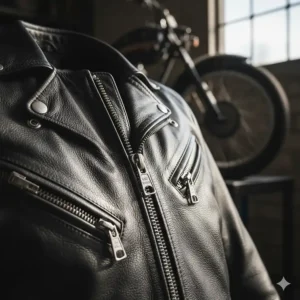
💰 Price vs. Value: What’s Worth Your Investment?
I get asked this question constantly: “How much should I spend on a leather motorcycle jacket?” The answer isn’t simple because it depends on how you ride and what your priorities are.
Budget Tier ($75-$150)
At this price point, you’re typically looking at jackets like the HWK and entry-level Viking Cycle options. These provide basic protection and genuine leather at an accessible price. The trade-offs? Thinner leather (usually 1.0-1.2mm), simpler armor systems, and shorter expected lifespan. But here’s the thing—a $100 jacket that you actually wear is infinitely better than a $800 jacket sitting in your closet because you’re worried about getting it dirty. If you’re a new rider, commuter, or casual weekend warrior, these budget options make perfect sense.
Mid-Range ($150-$350)
This is where you find the sweet spot for most riders. Brands like Milwaukee Leather, First Manufacturing, and lower-tier Alpinestars models offer quality leather (1.2-1.4mm), better armor systems, improved construction, and additional features like removable liners. You’re paying for durability that’ll last several years of regular use. For riders who log serious miles or ride frequently, this investment pays dividends in longevity and protection.
Premium Tier ($350-$1000+)
High-end offerings from Alpinestars, Dainese, REV’IT!, and iconic brands like Schott represent the pinnacle of motorcycle jacket technology and craftsmanship. You’re getting the thickest leather (often 1.4mm+), advanced armor systems with the highest CE ratings, superior construction, and timeless styling. These jackets are designed to last decades, not just years. The Schott Perfecto, for instance, can legitimately be passed down to your kids. If you’re a serious rider who logs thousands of miles annually, or if you simply want the best protection available, premium jackets justify their cost.
🧵 Construction Quality Indicators
When you’re shopping for men motorcycle leather jacket options, knowing what to look for in terms of construction quality can save you from making expensive mistakes.
Leather Quality Assessment
Run your hand over the leather. Quality leather should feel supple but firm, with a consistent texture. Look for natural grain patterns—too uniform might indicate corrected grain or split leather, which is lower quality. Smell the jacket (yes, seriously). Genuine quality leather has a distinct, pleasant aroma. Chemical or plasticky smells are red flags.
Hardware and Zippers
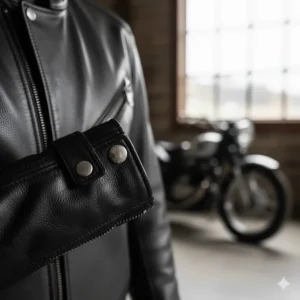
Pay attention to the zippers—brands like YKK indicate quality components that won’t fail after a few months. Check all the snaps, buttons, and buckles. They should feel substantial and operate smoothly. Cheap hardware is often the first thing to break on a budget jacket.
Lining and Insulation
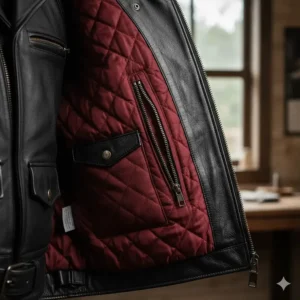
Quality jackets have well-attached linings that won’t bunch up or tear easily. Check if the liner is removable—this dramatically extends the jacket’s usability across seasons. The stitching attaching the liner should be secure and even.
Panel Construction
A well-designed motorcycle jacket uses multiple panels carefully cut and stitched to accommodate the riding position. Look for expansion panels at the shoulders and back—these allow freedom of movement. Cheap jackets often use fewer panels, resulting in a boxy fit that’s uncomfortable on the bike.
🌡️ Season-Specific Considerations
One jacket to rule them all? That’s the dream, but reality is more nuanced. Let me break down seasonal considerations for motorcycle jackets leather for men.
Summer Riding
In hot weather, you want maximum airflow without sacrificing protection. Look for perforated leather panels, especially on the chest, back, and under the arms. Jackets with removable liners and ventilation zips are essential. The Alpinestars Faster V2, with its strategic perforation pattern, excels here. Some riders make the mistake of going with mesh jackets in summer, but quality perforated leather provides better protection with nearly comparable cooling.
Winter Riding
Cold weather demands insulation and wind resistance. Jackets with fixed or removable thermal liners work well. Look for options with high collars, wrist zippers that seal tightly, and longer backs for coverage. The HWK with its fixed thermal lining and weather-resistant design handles winter admirably. Layering is your friend—a good base layer under a leather jacket beats a super-heavy jacket that’s too hot when you’re not riding.
Three-Season Versatility
Most riders want a jacket that works spring through fall. The key is versatility: removable liners, zippered vents, and quality leather that breathes. The Viking Cycle Skeid, with its buffalo leather and ventilation system, hits this mark. You might need a heated vest for really cold mornings, but a good three-season jacket covers most riding conditions.
Year-Round Champions
Some jackets genuinely work all year with the right layering strategy. These typically feature removable liners, extensive ventilation options, and quality leather that handles temperature swings. You’ll pay more for this versatility, but the convenience of having one jacket that does everything well is worth it for many riders.
🎨 Style Guide: Matching Your Jacket to Your Ride
Your bike says something about you, and your jacket should complement that statement, not contradict it. Here’s how to match style with substance.
Cruiser and Touring Bikes
Classic leather bomber or biker jacket styles work best here. Think Milwaukee Leather, Schott Perfecto, or Viking Cycle Angel Fire. These jackets pair perfectly with the relaxed, upright riding position of cruisers. The traditional aesthetic matches the chrome and curves of bikes like Harleys, Indians, and Victory models. Go for rich browns, classic black, or distressed leather finishes.
Sport Bikes
Sport riders need sport-specific jackets. The Alpinestars Faster V2 exemplifies this category with its pre-curved sleeves, extra length in the back, and aggressive cut designed for the tucked riding position. These jackets look out of place on a cruiser and feel wrong for that riding style—but on a sport bike, they’re perfect. Stick with black, white, or bold color combinations that match modern sport bike aesthetics.
Adventure and Dual-Sport
ADV riders often benefit from textile jackets, but leather still has its place for street-focused adventure bikes. Look for jackets with a bit more coverage, multiple pockets for gear storage, and practical features over pure aesthetics. The HWK offerings work well here because they balance protection with utility.
Cafe Racers and Retro Bikes
Vintage-styled bikes demand vintage-styled jackets. The cafe racer style leather jacket with its minimal design, clean lines, and classic silhouette complements bikes like Triumph Bonnevilles, Royal Enfield Interceptors, and custom cafe builds. Avoid modern sport jackets—they’ll clash with the retro vibe you’re going for.
📏 Sizing and Fit: Getting It Right the First Time
Here’s a frustrating truth: sizing varies wildly between manufacturers, and a size Large from HWK fits completely differently than a Large from Schott. Here’s how to navigate this minefield.
Taking Accurate Measurements
You need three key measurements: chest, waist, and arm length. For chest, measure around the fullest part with a tape measure, keeping it level around your back. For waist, measure at your natural waist (where you’d wear a belt). For arms, measure from the center of your back across your shoulder to your wrist with your arm slightly bent—this gives you the length you’ll need in riding position.
The Riding Position Test
When trying on a jacket, don’t just stand in front of a mirror. Mimic your riding position: lean forward slightly, extend your arms like you’re gripping handlebars. The sleeves should still fully cover your wrists. The back should provide coverage without riding up. If you can’t comfortably maintain this position, the jacket doesn’t fit properly.
Layering Considerations
Think about what you’ll wear underneath. If you plan to layer a hoodie or thermal base layer, account for that when choosing your size. Many riders buy their summer size and then can’t layer properly in cooler weather. The jacket should feel snug but not restrictive with your typical riding layers underneath.
The Between-Sizes Dilemma
If you’re between sizes, the general rule is: size up for cruiser/touring styles where comfort matters most, size down for sport jackets where a snug fit is part of the design. For leather jackets specifically, remember that leather stretches slightly with wear—if the jacket fits perfectly in the store, it might be too loose after a month of riding.
🛠️ Maintenance and Care for Longevity
You’ve invested in quality leather—now protect that investment with proper care. Leather motorcycle jackets require maintenance, but it’s not as complicated as some people make it out to be.
Regular Cleaning
Wipe down your jacket with a damp cloth after rides, especially if you’ve encountered bugs, dirt, or rain. For deeper cleaning, use a leather-specific cleaner maybe 2-3 times per season. Avoid harsh soaps or detergents—they strip the natural oils from leather and cause it to dry out and crack.
Conditioning
Leather needs to stay supple. Apply a quality leather conditioner every few months or when the leather starts to feel dry. Don’t over-condition—too much product can make the leather too soft and reduce its protective properties. A light, even application is all you need.
Storage Practices
Never store leather jackets in plastic bags—they need to breathe. Use a wide wooden or padded hanger to maintain the jacket’s shape. Keep it in a cool, dry place away from direct sunlight, which can fade and dry out leather. If you’re storing it long-term, stuff the sleeves with acid-free tissue paper to maintain their shape.
Dealing with Water Damage
If your jacket gets soaked, let it dry naturally at room temperature. Never use heat sources like hair dryers or radiators—they can cause the leather to shrink, crack, or warp. Once dry, apply conditioner to restore moisture. Quality leather, especially buffalo hide and steerhide, handles occasional rain without issue if properly cared for.
Break-In Period
New leather jackets, particularly premium steerhide options like the Schott, require dedicated break-in time. Wear it around the house, do yard work in it, take short rides. The leather needs to flex and form to your body. This process can take anywhere from a few weeks for softer cowhide to several months for heavyweight steerhide. Be patient—the payoff is a jacket that fits like it was custom-made for you.
🆚 Leather vs. Textile: Making the Right Choice
I’m writing about leather jackets, but let’s address the elephant in the room: should you even choose leather over textile? Both have merits, and understanding the trade-offs helps you make an informed decision.
Protection Comparison
In terms of abrasion resistance, quality leather still holds a slight edge over most textiles. That said, modern textile jackets with Cordura or Kevlar reinforcements come remarkably close. Leather’s advantage is its natural ability to withstand sliding friction without tearing. Impact protection, however, is more about the armor than the outer material—so in this category, it’s a wash.
Weather Performance
Textile jackets often win the weather versatility battle. Many come with waterproof/breathable membranes that keep you dry in rain while allowing sweat to escape. Leather can be treated for water resistance (like the Viking Cycle Skeid), but it’s never truly waterproof. However, quality leather handles temperature extremes better than entry-level textiles.
Longevity and Value
A quality leather jacket properly maintained will outlast most textile jackets by years, sometimes decades. Textile materials can degrade, especially with UV exposure and repeated wetting/drying cycles. If you calculate cost-per-year of use, premium leather often ends up cheaper than repeatedly replacing textile jackets.
Style Factor
Let’s be honest—leather just looks cooler. There’s a reason motorcycle culture has been dominated by leather for nearly a century. Textile jackets are improving aesthetically, but they still can’t match the timeless appeal of quality leather. If style matters to you (and for most of us, it does), leather wins hands down.
The Verdict
For sport touring, adventure riding, or commuting in varied weather, textile makes practical sense. For cruising, casual riding, or when style is a priority, leather is the better choice. Many serious riders own both and choose based on the ride planned. There’s no wrong answer—just different tools for different jobs.
🛡️ Advanced Safety Features to Consider
Modern motorcycle leather jackets incorporate safety technologies that weren’t available even five years ago. Here’s what’s worth paying attention to.
CE Certification Levels
Not all armor is created equal. CE Level 1 protectors must reduce force transmission to 35kN or less; Level 2 protectors must reduce it to 20kN or less. That might sound like technical jargon, but it translates to real-world impact protection. If you’re choosing between jackets and one offers Level 2 protection, that’s a significant safety upgrade worth considering.
Back Protectors
Many jackets include shoulder and elbow armor but treat back protection as optional. Here’s my take: your spine is not optional. Look for jackets that either include back protection or have a dedicated pocket designed for it. The Alpinestars Faster V2, for instance, is designed to accommodate their Nucleon back protector, which offers CE Level 2 protection.
Armor Positioning and Retention
Armor only works if it stays in place during an impact. Quality jackets have armor pockets with retention systems (usually elastic or velcro) that keep protectors positioned correctly. Cheap jackets let armor shift around, which defeats the purpose of having it.
Airbag Compatibility
Some premium jackets are now being designed with compatibility for airbag vests in mind. While airbag systems are still expensive, they represent the cutting edge of rider protection. If you’re investing in a high-end jacket, considering future airbag compatibility isn’t crazy—it’s forward-thinking.
🌍 Top Brands and Their Reputations
Understanding brand positioning helps you know what you’re paying for when you invest in a leather jacket motorcycle for men from different manufacturers.
Heritage American Brands
Schott NYC (founded 1913) and Langlitz Leathers represent American motorcycle jacket heritage. These brands built their reputations on quality construction, premium materials, and designs that have remained largely unchanged for decades because they got it right the first time. You’re paying for proven excellence and generational quality.
European Performance Leaders
Alpinestars, Dainese, and REV’IT! come from European motorcycle racing culture where protection isn’t just important—it’s essential. These brands incorporate cutting-edge safety technology, advanced materials, and designs informed by professional racing experience. The premium prices reflect serious R&D investment and the highest safety standards.
Value-Oriented Brands
HWK, Viking Cycle, and Milwaukee Leather have carved out a niche providing decent quality at accessible prices. They’re not trying to compete with Schott on heritage or Alpinestars on racing tech—they’re offering practical protection for regular riders at prices that won’t break the bank. For many riders, especially those new to motorcycling, these brands offer the best entry point.
Custom and Boutique Makers
Smaller manufacturers like Fox Creek Leather, Roland Sands Design, and Vanson offer customization options and unique styling that mass-market brands can’t match. You’ll pay more, but you’re getting something truly individual. These jackets often bridge the gap between mainstream and custom-built.
✨ Don’t Miss These Exclusive Deals! 🎁
Take your riding experience to the next level with these carefully selected motorcycle leather jackets for men. Click on any highlighted item to check current pricing and availability. These jackets will give you the protection, style, and confidence you need every time you hit the road! 🏍️💨
❓ Frequently Asked Questions
❓ What thickness of leather is best for motorcycle jackets for men?
❓ How long does it take to break in a men's leather motorcycle jacket?
❓ Can I wear motorcycle leather jackets for men in the rain?
❓ Should I size up or down when buying leather jackets for motorcycle riding?
❓ What's the difference between men motorcycle leather jacket CE Level 1 and Level 2 armor?
🏁 Conclusion: Your Perfect Jacket Awaits
After diving deep into the world of motorcycle leather jackets for men, here’s what I want you to remember: the perfect jacket exists for your specific needs, riding style, and budget. Whether you’re investing $100 in the HWK Cafe Racer for your daily commute or dropping close to $1000 on a Schott Perfecto as a lifetime companion, the right choice is the one that gets you on the road with confidence.
Don’t overthink it to the point of paralysis. Read reviews from actual riders (like those I’ve referenced from verified Amazon customers), understand what you’re paying for at different price points, and trust your gut when something feels right. A leather jacket that you’ll actually wear because it fits well and suits your style will always outperform a “technically superior” jacket that stays in your closet.
Remember, this is protective equipment that could literally save your skin someday. While style matters and budget considerations are real, never compromise on basic safety features like proper thickness leather and CE-approved armor. Your future self will thank you for investing in quality protection now. The road is calling, my friend—time to answer it properly equipped. Ride safe out there! 🏍️
🎯 Ready to Gear Up?
Don’t wait another day to upgrade your riding protection. Check out these top-rated motorcycle leather jackets for men on Amazon right now. Your perfect jacket is just a click away—and with free returns on most items, there’s zero risk in trying one on. Make 2025 the year you ride with confidence and style! 🔥
📚 Recommended for You
- Motorcycle Ladies Leather Jacket: 7 Powerful Choices 2025
- 7 Best Motorbike Rain Jackets 2025 (Expert Reviews)
- 7 Best Motorcycle Jacket Women Options for 2025 Safety
Disclaimer: This article contains affiliate links. If you purchase products through these links, we may earn a small commission at no additional cost to you.
✨ Found this helpful? Share it with your friends! 💬🤗
