
In This Article
Standing on a frozen chairlift at 10,000 feet as arctic winds howl past you—that’s when you truly appreciate having the warmest insulated ski jacket money can buy. I’ve tested dozens of jackets across some of North America’s coldest resorts, and the difference between mediocre insulation and premium warmth is literally the difference between a miserable day and endless powder runs.
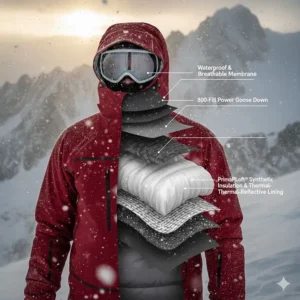
The warmest insulated ski jacket isn’t just about piling on synthetic fill or down feathers. It’s a carefully engineered system combining insulation type, waterproofing technology, breathability, and strategic design features. Whether you’re skiing frozen Midwest resorts where temperatures plunge below zero or chasing powder in the Canadian Rockies, understanding what makes a ski jacket truly warm will transform your winter experience.
In this comprehensive guide, I’ll break down everything you need to know about heavyweight insulated ski jacket options, compare down insulated ski jacket models against synthetic alternatives, and reveal the top 7 warmest jackets available in 2026. Let’s get you equipped for those brutal cold weather skiing gear challenges ahead.
Quick Comparison Table: Top 7 Warmest Insulated Ski Jackets
| Jacket | Insulation Type | Warmth Rating | Price | Best For |
|---|---|---|---|---|
| Arc’teryx Macai | 750-fill down + synthetic | Extreme (5/5) | $1,100 | Premium warmth, resort skiing |
| Helly Hansen Alpha 4.0 | 80g/60g PrimaLoft Black Eco | High (4/5) | $485 | All-day comfort, balanced warmth |
| Norrøna Lofoten Gore-Tex Down 800 | 125g down + synthetic blend | Extreme (5/5) | $850-900 | Backcountry, side-country missions |
| Patagonia Insulated Powder Town | 80g/40g Thermogreen synthetic | High (4/5) | $399 | Versatile resort use, eco-conscious |
| North Face ThermoBall Snow Triclimate | ThermoBall Eco + Heatseeker | High (4/5) | $280-350 | 3-in-1 versatility, value |
| REI Co-op Powderbound Insulated | 80g/60g synthetic | Moderate (3.5/5) | $229 | Budget-friendly, occasional skiers |
| Columbia Whirlibird V Interchange | Thermarator + Omni-Heat | Moderate (3.5/5) | $200-230 | Best budget 3-in-1, versatility |
💬 Just one click – help others make better buying decisions too!😊
Top 7 warmest insulated ski jacket Models: Expert Analysis
1. Arc’teryx Macai Down Jacket – The Ultimate Cold-Weather Champion
If money is no object and you demand the absolute warmest insulated ski jacket on the market, the Arc’teryx Macai stands in a class of its own. After wearing this jacket through brutal Wyoming storms and frigid Colorado mornings, I can confidently say it’s the gold standard for resort skiing in extreme cold.
The secret lies in Arc’teryx’s innovative Down Composite Mapping technology. The core features premium 750-fill European goose down for exceptional warmth-to-weight ratio, while moisture-prone areas (shoulders, underarms, cuffs) use Coreloft synthetic insulation that maintains loft even when damp. Wrapped in a 3-layer Gore-Tex shell, this down insulated ski jacket kept me comfortable in temperatures down to single digits wearing just a base layer.
Key Specifications:
- 750-fill power RDS-certified goose down
- 3-layer Gore-Tex Pro construction
- Removable insulated DropHood
- Weight: 2.3 lbs
Pros:
✅ Unmatched warmth for frigid conditions
✅ Premium Gore-Tex waterproofing
✅ Versatile for skiing and casual wear
Cons:
❌ Premium price point ($1,100)
❌ Too warm for spring skiing
❌ Limited breathability during high-output activities
Customer feedback consistently praises the jacket’s exceptional warmth, with one reviewer noting: “I wore this in -25°F windchill on towers and stayed completely comfortable. This jacket kept me alive.” However, some mention the hood occasionally comes loose and zippers can be finicky with gloves.
2. Helly Hansen Alpha 4.0 – Best All-Around Insulated Performer
For skiers seeking the best warmest insulated ski jacket without breaking the bank, the Helly Hansen Alpha 4.0 delivers outstanding value at $485. This jacket has earned its reputation as one of the most comfortable and reliable synthetic insulated ski jacket options available.
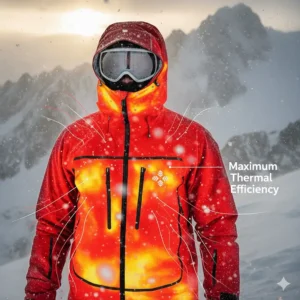
The Alpha 4.0 uses strategically placed PrimaLoft Black Eco insulation—80 grams around the core and 60 grams in the sleeves—creating a balanced warmth profile that works from mid-winter through early spring. Helly Hansen’s proprietary H2Flow ventilation system with mechanical venting lets you dump heat instantly when needed, while the LifePocket+ with PrimaLoft Aerogel insulation keeps your phone battery alive in deep cold.
Key Specifications:
- 2-layer Helly Tech Professional waterproofing
- 80g/60g PrimaLoft Black Eco insulation
- RECCO reflector for safety
- Trim, athletic fit
Pros:
✅ Exceptional comfort with stretchy materials
✅ Balanced warmth for season-long use
✅ Premium features at mid-tier price
Cons:
❌ Shorter back length (not ideal for taller skiers)
❌ Trim fit limits layering options
❌ Can run warm during high-output skiing
Multiple testers report staying comfortable in the low 20s Fahrenheit with just a baselayer, making this synthetic insulated ski jacket ideal for most North American resort conditions.
3. Norrøna Lofoten Gore-Tex Down 800 – Premium Backcountry Beast
When backcountry missions and sidecountry laps demand both warmth and durability, the Norrøna Lofoten Gore-Tex Down 800 ($850-900) represents the perfect heavyweight insulated ski jacket. This Norwegian-engineered marvel combines 125 grams of premium down in the torso with synthetic insulation in high-wear areas for ultimate protection.
The 70-denier Gore-Tex ePE membrane is both bombproof waterproof and PFAS-free, addressing environmental concerns without sacrificing performance. The technical freeride fit stays aerodynamic during descents while the feature set—five exterior pockets, helmet-compatible drop hood, and RECCO reflector—checks every serious skier’s wishlist.
Key Specifications:
- 125g premium down (torso) + synthetic (arms/shoulders)
- 70D Gore-Tex ePE membrane (PFAS-free)
- Technical freeride fit
- Five exterior pockets plus interior mesh pocket
Pros:
✅ Exceptional warmth-to-weight ratio
✅ Bombproof waterproofing
✅ Eco-friendly PFAS-free construction
Cons:
❌ Premium pricing
❌ May be overkill for resort-only skiers
❌ Longer break-in period for optimal comfort
This down insulated ski jacket shines when mercury drops and wind starts howling—perfect for those who push boundaries in challenging terrain.
4. Patagonia Insulated Powder Town – Sustainable Warmth Done Right
At $399, the Patagonia Insulated Powder Town offers environmentally conscious skiers a compelling warmest insulated ski jacket option. Using 80-gram Thermogreen recycled polyester insulation in the body and 40 grams in the sleeves, this jacket provides practical warmth without excessive bulk.
Patagonia’s 2-layer H2No Performance Standard shell delivers reliable waterproofing while the PFAS-free DWR coating beads moisture effectively. The jacket’s softer 75-denier polyester shell prioritizes comfort and mobility over brute-force durability, making it ideal for skiers who value movement quality.
Key Specifications:
- 80g/40g Thermogreen recycled synthetic insulation
- 2-layer H2No Performance Standard
- PFAS-free DWR coating
- Fair Trade Certified manufacturing
Pros:
✅ Excellent versatility for varied conditions
✅ Sustainable materials and construction
✅ Comfortable, articulated fit
Cons:
❌ Thinner shell less durable than competitors
❌ Not ideal for extreme cold (sub-zero)
❌ Pit zips difficult to operate with gloves
Customer reviews highlight staying comfortable from 20°F to 45°F with appropriate base layers, making this synthetic insulated ski jacket perfect for most resort days.
5. The North Face ThermoBall Snow Triclimate – 3-in-1 Versatility Champion
The North Face ThermoBall Snow Triclimate ($280-350) revolutionizes cold weather skiing gear with its innovative 3-in-1 design. The waterproof DryVent 2-layer shell combines with a ThermoBall Eco insulated liner (body) and Heatseeker insulation (sleeves) to create three distinct wearing options.
Wear the shell alone on mild days, the insulated liner for dry cold, or both together for maximum protection. This heavyweight insulated ski jacket approach gives you essentially three jackets for the price of one, making it exceptional value for skiers facing variable conditions.
Key Specifications:
- DryVent 2-layer waterproof shell
- ThermoBall Eco + Heatseeker synthetic blend
- 100% recycled polyester construction
- Helmet-compatible hood, powder skirt
Pros:
✅ Three jackets in one system
✅ Excellent versatility for changing conditions
✅ Sustainable recycled materials
Cons:
❌ Heavier than single-piece jackets
❌ Pit zips don’t extend through liner
❌ Less refined styling
The modular design makes this an outstanding choice for skiers who travel to different climates or want maximum adaptability from one purchase.
6. REI Co-op Powderbound Insulated – Best Budget Champion
At just $229, the REI Co-op Powderbound Insulated massively overperforms its price tag. This warmest insulated ski jacket budget option features 80-gram synthetic fill around the core and 60 grams in the sleeves, delivering cozy warmth that kept testers comfortable in the high 20s Fahrenheit.
REI’s proprietary 2-layer Peak waterproof membrane provides adequate protection for most conditions, though it can’t match Gore-Tex in sustained wet weather. The jacket’s soft interior, fleece-lined pockets, and comfortable collar create a premium feel that belies the budget pricing.
Key Specifications:
- 80g/60g synthetic insulation
- 2-layer Peak waterproof membrane
- PFAS-free DWR coating
- 33.75-inch back length (men’s regular)
Pros:
✅ Exceptional value for money
✅ Comfortable, warm interior
✅ Full feature set (pass pocket, pit zips, powder skirt)
Cons:
❌ Not ideal for very wet conditions
❌ Shell fabric lacks stretch
❌ Bulkier than premium jackets
For occasional skiers or those building their first kit, this synthetic insulated ski jacket represents outstanding bang for buck.
7. Columbia Whirlibird V Interchange – Ultimate Budget 3-in-1
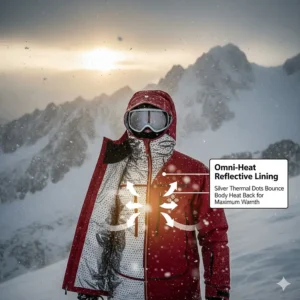
The Columbia Whirlibird V Interchange ($200-230) brings 3-in-1 versatility to budget-conscious skiers. Columbia’s Omni-Tech waterproof shell combines with a Thermarator insulated liner featuring Omni-Heat thermal reflective technology—silver dots that reflect body heat back to you.
This heavyweight insulated ski jacket system offers decent warmth when both layers are worn together, though it can’t compete with premium single-piece insulated jackets in extreme cold. However, the versatility of wearing shell or liner separately makes it practical for a wide temperature range.
Key Specifications:
- Omni-Tech waterproof membrane
- Thermarator synthetic + Omni-Heat reflective lining
- Adjustable hood, powder skirt
- Fleece-lined handwarmer pockets
Pros:
✅ Unbeatable price for 3-in-1 system
✅ Versatile for varied conditions
✅ Good for casual winter wear too
Cons:
❌ Generic styling
❌ Pit zips don’t extend through liner
❌ Not ideal below 20°F
Perfect for beginner skiers or those who ski a few times per year and want one jacket for multiple winter activities.
✨ Don’t Miss These Exclusive Deals!
🔍 Take your cold weather skiing gear to the next level with these carefully selected products. Click on any highlighted item to check current pricing and availability. These jackets will help you create authentic winter adventures your family will love!
Understanding Insulation Types for Skiing: Down vs Synthetic
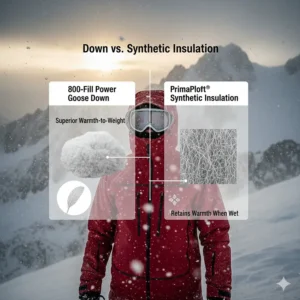
Choosing between down insulated ski jacket and synthetic options represents one of the most critical decisions for cold weather performance. Let me break down the science behind each approach.
Down Insulation: Nature’s Warmth Champion
Down insulation uses the fluffy plumage beneath waterfowl feathers to create exceptional warmth. Measured by “fill power” (300-900+), higher numbers indicate superior loft and warmth-to-weight ratios. A 750-fill down jacket traps more warm air than 550-fill while weighing less.
Advantages:
- Unmatched warmth-to-weight ratio (3x better than synthetic)
- Superior compressibility for travel
- Longer lifespan with proper care
- Exceptional loft and comfort
Limitations:
- Loses insulating power when wet
- Higher cost
- Requires careful maintenance
- Animal-derived (ethical concerns for some)
The Arc’teryx Macai’s 750-fill down provides incredible warmth, but Arc’teryx smartly added synthetic fill in moisture-prone zones for reliability.
Synthetic Insulation: All-Weather Reliability
Modern synthetic fills like PrimaLoft, Thermogreen, and ThermoBall use specially engineered polyester fibers to mimic down’s structure. Measured in grams per square meter (40g-200g), heavier weights indicate more insulation.
Advantages:
- Maintains warmth when wet
- More affordable
- Faster drying time
- Animal-free and often recycled materials
- Lower maintenance requirements
Limitations:
- Heavier than down for equivalent warmth
- Less compressible
- Shorter lifespan (gradual loft loss)
- Slightly bulkier
Synthetic insulated ski jacket options like the Helly Hansen Alpha 4.0 excel in variable Pacific Northwest conditions where moisture is constant.
Hybrid Insulation: Best of Both Worlds
Premium jackets increasingly use hybrid approaches, placing down where moisture risk is low (torso) and synthetic where compression or dampness occurs (shoulders, arms). The Norrøna Lofoten exemplifies this strategy perfectly.
According to research from outdoor gear experts, hybrid jackets offer 85-90% of down’s warmth-to-weight advantage while maintaining 95% of synthetic’s wet-weather performance.
Ski Jacket Warmth Ratings Decoded: Understanding the Numbers
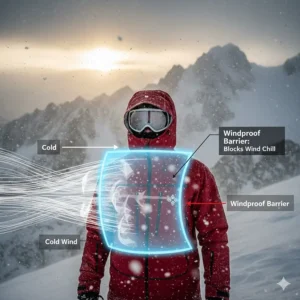
Unlike sleeping bags with standardized temperature ratings, ski jacket warmth ratings remain frustratingly inconsistent across brands. However, understanding the key metrics helps decode marketing claims.
Insulation Weight (Grams)
For synthetic fills, insulation is measured in grams per square meter:
- 40-60g: Light insulation for active skiing or layering
- 60-100g: Medium warmth for most resort conditions
- 100-200g: Heavy insulation for extreme cold or chairlift riding
The Patagonia Powder Town’s 80g core / 40g sleeve combination represents the sweet spot for versatile resort skiing.
Down Fill Power
Down quality is measured by how much space one ounce occupies:
- 550-650 fill: Budget down, decent warmth
- 700-800 fill: Premium down, excellent warmth-to-weight
- 850-900+ fill: Ultra-premium, maximum performance
The Arc’teryx Macai’s 750-fill down delivers luxury-level warmth without crossing into diminishing returns territory.
Practical Temperature Ranges
Based on extensive testing, here’s how different heavyweight insulated ski jacket categories perform:
| Insulation Level | Comfortable Range | Example Jackets |
|---|---|---|
| Light (40-60g synthetic) | 25-40°F | Shells with minimal insulation |
| Medium (60-100g synthetic) | 10-30°F | Helly Hansen Alpha 4.0, Patagonia Powder Town |
| Heavy (100-200g or premium down) | -10 to 20°F | Arc’teryx Macai, Norrøna Lofoten |
Remember: Personal factors (activity level, metabolism, layering) dramatically affect these ranges. I run cold and need more insulation than average.
Essential Cold Weather Skiing Gear Features
Beyond insulation, several features separate truly warm jackets from pretenders:
Waterproofing Technology
The best warmest insulated ski jacket models use premium membranes:
- Gore-Tex Pro: Industry gold standard (Arc’teryx Macai)
- Gore-Tex (2-3 layer): Excellent protection
- Proprietary membranes: Helly Tech, H2No, DryVent (variable performance)
According to Outdoor Gear Lab research, waterproofing ratings above 20,000mm provide excellent protection, though 10,000mm suffices for most conditions.
Powder Skirts and Seals
Powder skirts prevent snow infiltration during falls, while adjustable cuffs and hem drawcords seal out drafts. The North Face ThermoBall’s snap-away powder skirt adds versatility without compromising protection.
Strategic Ventilation
Even the warmest jacket needs heat dump capability. Look for:
- Long pit zips (12+ inches)
- Mesh-backed vents for snow protection
- Back panel venting (innovative designs)
The Helly Hansen Alpha 4.0’s H2Flow system demonstrates how creative engineering solves the warmth-breathability paradox.
Helmet-Compatible Hoods
Modern ski helmets are bulky. Quality jackets feature:
- Adjustable hoods with multiple cinch points
- Removable hoods for versatility
- Integrated brims for visibility
The Arc’teryx Macai’s removable DropHood adapts to both resort and casual wear beautifully.
How to Choose the Right warmest insulated ski jacket for Your Needs
Selecting your perfect heavyweight insulated ski jacket involves matching technical specifications to your specific skiing style and environment.
Step 1: Assess Your Climate
Dry, cold Rockies skiing demands different insulation than wet Pacific Northwest conditions. Down excels in Colorado; synthetic wins in Washington.
Step 2: Evaluate Your Activity Level
Aggressive skiers generate more heat than cruisers. If you’re constantly hiking or charging moguls, prioritize breathability over maximum insulation.
Step 3: Determine Your Budget
Quality starts around $200 (REI Powderbound, Columbia Whirlibird) and peaks near $1,000+ (Arc’teryx Macai). Mid-tier $400-500 jackets (Helly Hansen Alpha, Patagonia) offer the best value-performance balance.
Step 4: Consider Versatility Needs
3-in-1 jackets cost more upfront but replace multiple pieces. Single-purpose jackets optimize specific conditions.
Step 5: Prioritize Fit and Comfort
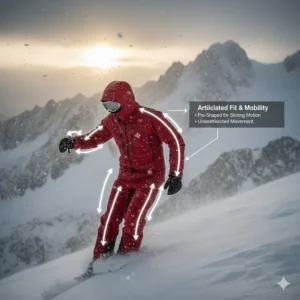
Even the warmest insulated ski jacket fails if it restricts movement or doesn’t accommodate your layering system. Try before buying when possible.
Step 6: Research Brand Reliability
Established brands (Arc’teryx, Patagonia, Helly Hansen) offer proven durability and warranty support. Budget brands trade longevity for lower prices.
Step 7: Read Real User Reviews
Look beyond marketing claims to actual skier experiences. Customer feedback on Amazon and REI reveals real-world performance.
Maintenance Tips for Long-Lasting Warmth
Proper care extends your synthetic insulated ski jacket or down jacket lifespan significantly:
Washing Guidelines
- Wash only when visibly dirty or smelling
- Use technical wash (Nikwax, Grangers)
- Gentle cycle, cold water
- Never fabric softener (destroys DWR)
- Dry on low heat with tennis balls (refluffs down)
DWR Restoration
Waterproofing degrades over time. Refresh with spray-on or wash-in DWR treatments annually.
Storage Practices
- Store uncompressed in cool, dry location
- Avoid plastic bags (prevents breathing)
- Repair small tears immediately (prevents down leakage)
According to REI expert advice, properly maintained jackets last 5-10 years of regular use.
FAQ: Your warmest insulated ski jacket Questions Answered
❓ How warm should a ski jacket be for Colorado skiing?
❓ Is down or synthetic better for heavyweight insulated ski jacket performance?
❓ What's the difference between 2-layer and 3-layer waterproofing?
❓ Can I use a warmest insulated ski jacket for backcountry skiing?
❓ How do I know if ski jacket warmth ratings are accurate?
Conclusion: Elevate Your Skiing with the Right Warmth
Choosing the warmest insulated ski jacket transforms winter skiing from an endurance test into pure enjoyment. Whether you invest in the premium Arc’teryx Macai for ultimate cold-weather luxury, select the versatile Helly Hansen Alpha 4.0 for balanced year-round performance, or opt for budget-friendly REI Powderbound reliability, the right jacket keeps you focused on carving perfect turns instead of counting minutes until the lodge.
The evolution from simple puffy jackets to today’s sophisticated down insulated ski jacket and synthetic insulated ski jacket technologies means every skier can find their perfect match. Premium Gore-Tex waterproofing, strategic insulation placement, and innovative ventilation systems work together to create heavyweight insulated ski jacket options that perform in the harshest conditions.
My personal recommendation? For most skiers, the Helly Hansen Alpha 4.0 delivers the best overall package—exceptional warmth, reliable protection, and premium comfort at a reasonable $485 price point. Budget-conscious skiers should grab the REI Powderbound without hesitation, while those chasing absolute luxury won’t regret the Arc’teryx Macai investment.
Remember: The warmest jacket means nothing if it doesn’t fit your skiing style, climate, and activity level. Use this guide’s framework to make an informed decision, then get out there and enjoy those cold-smoke powder days that separate true skiers from fair-weather cruisers.
Recommended for You
- 7 Best Ski Jackets for Men 2026: Expert-Tested Reviews
- 7 Best Affordable Hard Shell Hiking Jacket Picks for 2026 (Under $200)
- Best Insulated Hiking Jacket Winter 2026
Disclaimer: This article contains affiliate links. If you purchase products through these links, we may earn a small commission at no additional cost to you.
✨ Found this helpful? Share it with your friends! 💬🤗
