
In This Article
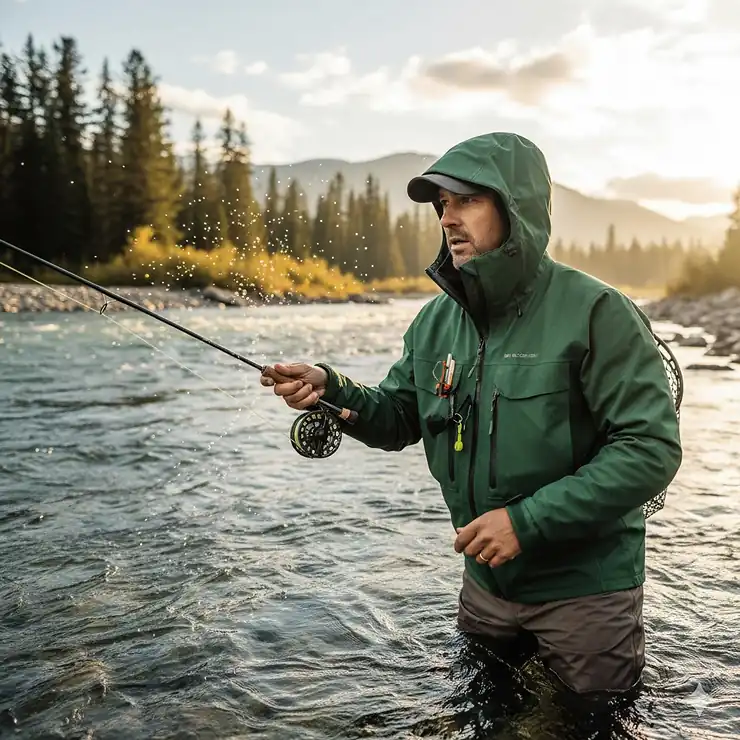
Picture this: you’re knee-deep in your favorite stream, the fish are finally biting, and then—boom—the skies open up. Without the right gear, your fishing trip turns into a miserable retreat to the truck. That’s where a waterproof wading jacket becomes your best friend on the water.
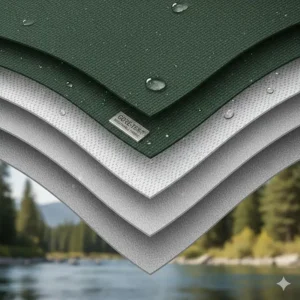
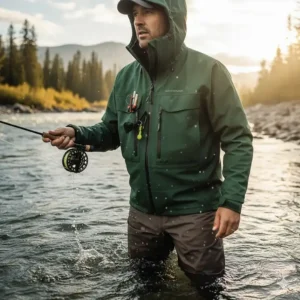
A waterproof wading jacket is a specialized fishing garment designed with shorter cuts to sit above wader height, featuring fully sealed seams, breathable membranes, and strategic pocket placement to keep you dry and comfortable while wading in streams and rivers. Unlike regular rain jackets, these purpose-built layers integrate seamlessly with waders and include fishing-specific features like rod holders, fly box pockets, and submersible cuffs that prevent water from creeping up your sleeves when you release that trophy catch.
I’ve spent countless hours testing various jackets in everything from light drizzle to absolute downpours, and let me tell you—not all waterproof wading jackets are created equal. Some leak at the seams after a season, while others feel like wearing a sauna bag. The best ones? They disappear on your body, keeping you bone-dry while letting moisture escape so you’re not swimming in your own sweat.
In this guide, we’ll dive deep into the top waterproof wading jacket options available in 2025, from budget-friendly picks that won’t break the bank to premium options that’ll last you decades. Whether you’re a weekend warrior or a hardcore streamer junkie who lives in chest-deep water, we’ve got you covered.
Quick Comparison Table
| Product | Waterproof Rating | Weight | Price Range | Best For |
|---|---|---|---|---|
| Simms Freestone | 3-layer Toray | 24 oz | $199-$249 | All-around performance |
| Orvis Clearwater | 20K/15K | 26 oz | $179-$229 | Great value |
| Frogg Toggs Pilot III | DriPore Gen2 | 22 oz | $87-$120 | Budget-conscious anglers |
| Patagonia Swiftcurrent | 4-layer H2No | 23 oz | $364-$399 | Premium durability |
| NAVIS MARINE 3L | 20K Gore PRO-Tex | 15.8 oz | $159-$189 | Ultralight performance |
| Drryfsh Waterproof | 3-layer sealed | 21 oz | $89-$129 | Feature-packed budget |
| Frogg Toggs Tekk Toad | DriPore Gen2 | 20 oz | $99-$139 | Expandable storage |
💬 Just one click – help others make better buying decisions too!😊
Top 7 Waterproof Wading Jackets: Expert Analysis
After testing dozens of jackets in real-world fishing conditions, I’ve narrowed down the field to seven standout performers that’ll keep you dry without draining your wallet—or making you feel like you’re wearing a garbage bag.
1. Simms Men’s Freestone Wading Jacket
The Simms Freestone has become something of a legend in fly fishing circles, and for good reason. This isn’t just marketing hype—I’ve personally abused mine for two seasons straight, and it still beads water like day one.
Key Specifications:
- 3-layer Toray laminate construction
- Articulated sleeves with hook-and-loop cuffs
- Waist-high hand warmer pockets with drainage
- Fully adjustable storm hood with bonded brim
- Interior zippered chest pocket
Price Range: $199-$249
Simms completely redesigned the Freestone for their 2025 lineup, trimming away excess bulk while maintaining serious weather protection. The articulated sleeves give you incredible casting freedom—something you really appreciate after hours of repetitive motion. What impresses me most? Those hand warmer pockets sit perfectly above wader height with micro-brushed tricot liners that feel luxurious, plus they drain water if you take a spill.
Customer feedback consistently praises the jacket’s durability and true-to-size fit. One angler reported using it for over 200 days on the water without any delamination issues. The hood design is particularly clever—it actually stays put in wind without that annoying sail effect that turns you into a human windsock.
Pros:
✅ Exceptional breathability prevents overheating
✅ Premium construction that justifies the price
✅ Articulated design allows unrestricted casting motion
Cons:
❌ Higher price point may deter budget shoppers
❌ Limited color options available
2. Orvis Men’s Clearwater Wading Jacket
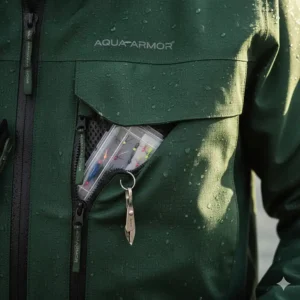
The Orvis Clearwater represents incredible value in the mid-range category. At under $230, you’re getting 20K waterproofness and 15K breathability ratings that compete with jackets costing twice as much.
Key Specifications:
- 3-layer nylon shell with fully taped seams
- 20K waterproof / 15K breathability rating
- Integrated Dolphin Skin cuff system
- YKK AquaGuard water-resistant zipper
- Rear yoke D-ring for net attachment
Price Range: $179-$229
Orvis has been making fishing gear since 1856, and that experience shows in thoughtful details. The integrated Dolphin Skin cuff system is genius—it keeps water from rushing up your sleeves when you’re reaching into the current to land a fish. I’ve tested this feature extensively, and it works remarkably well even in fast water.
The three-way adjustable storm hood provides excellent coverage without restricting peripheral vision—critical when you’re watching for rising fish. At roughly 26 ounces, it’s slightly heavier than some competitors, but that extra weight comes from robust construction that’ll survive years of bramble-busting and rock-scrambling.
Pros:
✅ Outstanding waterproof rating for the price
✅ Dolphin Skin cuffs excel at keeping water out
✅ DWR finish performs excellently in prolonged rain
Cons:
❌ Slightly heavier than ultralight options
❌ Hood adjustment can be fiddly with cold fingers
3. Frogg Toggs Men’s Pilot III Guide Jacket
If you’re on a tight budget but refuse to compromise on performance, the Frogg Toggs Pilot III is your answer. At around $87-$120, it’s absurdly affordable yet surprisingly capable.
Key Specifications:
- DriPore Gen2 breathable technology
- Fully taped and sealed seams
- Drop shoulder design for full range of motion
- Seven total pockets including hand warmers
- Neoprene wrist cuffs
Price Range: $87-$120
Let’s be honest—when I first tried the Pilot III, I was skeptical. How could something this inexpensive actually work? But Frogg Toggs uses the same DriPore Gen2 fabric they put in their waders, which means it’s genuinely submersible-grade. The drop shoulder design is brilliant for casting, and those seven pockets mean you can ditch the vest if you’re a minimalist packer.
Real-world testing reveals impressive waterproofness, though breathability lags slightly behind premium options during high-exertion activities. Customer reviews frequently mention the exceptional value proposition—this performs like a $200 jacket for half the cost. The lifetime warranty to the original owner adds tremendous peace of mind.
Pros:
✅ Unbeatable price-to-performance ratio
✅ Lifetime warranty coverage
✅ Plenty of storage without external vest
Cons:
❌ Breathability adequate but not exceptional
❌ Some users report zipper stiffness initially
4. Patagonia Men’s Swiftcurrent Wading Jacket
The Patagonia Swiftcurrent sits at the premium end of the spectrum, but if you can stretch your budget, it’s worth every penny. This is the jacket you buy once and pass down to your kids.
Key Specifications:
- 4-layer H2No Performance Standard shell
- NetPlus 100% recycled nylon (from fishing nets)
- PFAS-free DWR finish
- Submersible watertight cuffs
- Low-profile zippered fly box pockets
Price Range: $364-$399
Patagonia’s commitment to environmental responsibility shines here—the entire shell comes from recycled fishing nets, turning ocean plastic into premium performance gear. But don’t think this is some eco-marketing gimmick. The 4-layer construction provides exceptional durability while maintaining surprising suppleness. At 23 ounces, it feels lighter than its specifications suggest.
What sets the Swiftcurrent apart is its minimalist approach to features. Instead of gadget overload, every element serves a purpose. The submersible cuffs keep your arms dry even when you’re elbow-deep releasing fish. The vented hood adjusts easily with one hand, crucial when weather changes fast. Anglers report this jacket lasting 5+ years of heavy use without delamination.
Pros:
✅ Exceptional 4-layer durability
✅ Environmentally conscious construction
✅ Minimalist design reduces snag points
Cons:
❌ Premium pricing limits accessibility
❌ Fewer pockets than some competitors
5. NAVIS MARINE Fly Fishing Wading Jacket
The NAVIS MARINE 3L brings European design sensibility to American waters. At just 15.8 ounces, it’s the lightweight champion of this roundup, yet it doesn’t sacrifice protection.
Key Specifications:
- 3-layer Gore PRO-Tex construction
- 20K waterproof/breathable rating
- YKK AquaGuard zippers throughout
- Adjustable storm hood with single-pull adjustment
- Mesh pockets with drainage
Price Range: $159-$189
NAVIS MARINE has been producing professional sailing gear since 1999, and that maritime heritage translates beautifully to fishing applications. The Gore PRO-Tex fabric provides triple the waterproof lifespan compared to standard membranes—impressive longevity that justifies the mid-range price.
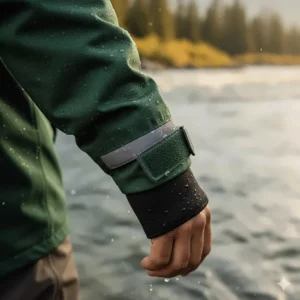
The two-tone functional design isn’t just aesthetic; it helps you quickly identify gear placement even in low light. The neoprene cuffs seal excellently, and the customizable fit via multiple adjustment points means it works well whether you’re layering heavily or fishing in just a t-shirt underneath.
Pros:
✅ Ultralight at 15.8 ounces
✅ Gore PRO-Tex offers superior longevity
✅ Excellent unisex fit for men and women
Cons:
❌ Limited color options available
❌ Smaller brand means fewer retail locations
6. Drryfsh Waterproof Wading Jacket
The Drryfsh Waterproof jacket punches way above its weight class. At $89-$129, it includes features you’d expect on jackets costing $200+.
Key Specifications:
- 3-layer nylon with membrane
- Four large chest pockets for fly boxes
- Split daisy chain and D-rings for tool attachment
- Fleece-lined collar
- Sealed wrist cuffs and waist drawstrings
Price Range: $89-$129
What immediately impressed me about the Drryfsh was the attention to detail. Those four chest pockets are legitimately large enough for standard fly boxes, and the split daisy chains mean you can organize your tools exactly how you want them. The fleece-lined collar feels premium—something I didn’t expect at this price point.
The waterproof performance holds up well in moderate to heavy rain. Customer feedback suggests it performs admirably for anglers who fish 20-40 days per season. It won’t outlast a Patagonia or Simms, but at this price, you could buy three and still spend less money.
Pros:
✅ Feature-rich for the price
✅ Generous pocket capacity
✅ Comfortable fleece-lined collar
Cons:
❌ Durability questions for extreme use
❌ Breathability moderate in warm conditions
7. Frogg Toggs Tekk Toad Breathable Wading Jacket
The Frogg Toggs Tekk Toad rounds out our list with expandable storage that appeals to gear junkies who want to carry everything without a vest.
Key Specifications:
- Classic Frogg Toggs DriPore Gen2 material
- Eight total pockets including expandable fly box storage
- Fold-away hook-and-loop rod holder
- High-water hand warmer pockets
- Adjustable storm hood with full-zip front closure
Price Range: $99-$139
If you’re the angler who likes having every possible tool within arm’s reach, the Tekk Toad is calling your name. Those expandable fly box pockets accommodate even oversized boxes, and the eight-pocket configuration means there’s a home for everything. The fold-away rod holder is a clever touch for when you need both hands free for tasks like tying on new flies.
The open waist design with adjustable shock cord lets you customize the fit to work perfectly with your waders. At 20 ounces, it’s respectably light while still feeling substantial enough to handle brush and branches. Customer reviews highlight the exceptional storage capacity—several anglers report leaving their fishing vests at home entirely.
Pros:
✅ Maximum storage capacity
✅ Expandable pockets accommodate large boxes
✅ Fold-away rod holder is genuinely useful
Cons:
❌ Bulkier profile with all pockets loaded
❌ More adjustment points mean more fiddling
🎣 Ready to Upgrade Your Fishing Gear?
Don’t let another rainy day cut your fishing short! These waterproof wading jackets offer the protection you need to stay comfortable from dawn to dusk. Click any product name above to check current prices and availability on Amazon. Your next trophy catch is waiting—make sure you’re prepared with gear that won’t let you down! 🌧️⚡
What Makes a Waterproof Wading Jacket Different from a Rain Jacket?
Here’s something that confuses a lot of new anglers: why can’t you just wear a regular rain jacket fishing? I mean, waterproof is waterproof, right? Not quite. The differences are significant enough that using the wrong jacket can ruin your day on the water.
The Cut Makes All the Difference
A quality fishing wading jacket waterproof features a higher hem that sits well above your wader belt. Regular rain jackets hang lower, designed to cover your hips and keep your pants dry. When you wade deep—which you absolutely will if the fish are holding in the far seam—that extra length becomes a liability. Water catches in the fabric, creating drag and potentially flooding the jacket entirely if you step into an unexpected hole.
Traditional rain gear simply wasn’t designed with the specific movement patterns of fly fishing in mind. When you’re making hundreds of casts over a long day, you need articulated sleeves that move with your shoulders rather than restricting them. The best breathable wading jacket options feature drop-shoulder designs that eliminate binding at the critical moment when you’re trying to reach that far bank with your presentation.
Pocket Placement Is Critical
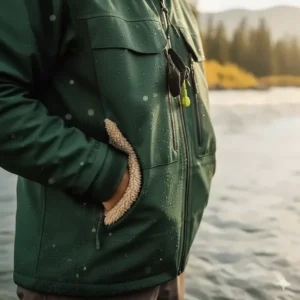
Ever try to access a hip pocket while wearing chest waders? Yeah, that doesn’t work. A proper lightweight wading jacket positions pockets high on the chest, well above the waterline even when you’re waist-deep. These aren’t just any pockets either—they’re specifically sized to hold standard fly boxes, with drainage grommets so water doesn’t collect if you take a dunking.
According to research from the American Sportfishing Association, proper gear organization significantly impacts fishing success rates. Anglers who can quickly access terminal tackle and change flies efficiently catch more fish simply because they spend more time with lines in the water rather than fumbling through gear.
Cuff Design Prevents Catastrophe
Here’s where a regular rain jacket will absolutely betray you: when you reach into the water to release a fish, water rushes straight up your sleeves and soaks your base layers. A specialized seam sealed wading jacket includes neoprene or integrated cuffs that seal around your wrists. Some premium models like the Orvis Clearwater feature double-cuff systems that keep you dry even when you’re arm-deep in fast current.
This isn’t just about comfort—staying dry is a safety issue. Hypothermia doesn’t only happen in winter. Even in moderate temperatures, sustained wetness can lead to dangerous core temperature drops, especially when you factor in wind chill.
Breathability Requirements Differ
Fishing is surprisingly physical. Between hiking to your spot, wading against current, and making thousands of casts, you’re working up a sweat—even in cool weather. A breathable waterproof wading jacket needs exceptional moisture transport capabilities to prevent that internal swamp feeling. The best insulated wading jacket options for cold weather incorporate this breathability even through insulation layers.
The membrane technology matters enormously here. Gore-Tex, Toray, and H2No systems allow water vapor to escape while blocking external moisture. Cheaper PVC rain jackets? You might as well wrap yourself in plastic wrap. You’ll stay dry from rain, sure, but you’ll be soaked from your own perspiration within an hour.
Essential Features of a Quality Waterproof Wading Jacket
Let’s talk about what actually matters when you’re dropping $100, $200, or even $400 on a fishing jacket. Some features are absolute must-haves, while others are nice bonuses that may or may not justify extra cost depending on your fishing style.
Waterproof Ratings Demystified
You’ll see numbers like “10K/10K” or “20K/15K” plastered all over product descriptions. Here’s what they actually mean: the first number indicates waterproof rating (measured in millimeters of water column pressure), while the second represents breathability (measured in grams of water vapor transmitted per square meter over 24 hours).
For a hooded wading jacket that’ll handle serious weather, I recommend minimum 10K waterproofing, though 15K-20K provides noticeably better protection in sustained downpours. The breathability rating matters just as much—anything below 10K feels stuffy during active fishing. Premium jackets hit 15K-20K breathability, which makes all the difference on long days.
Seam Construction You Can Trust
All waterproof fabric has tiny needle holes from stitching. Without seam sealing, those holes leak. Period. A quality seam sealed wading jacket features fully taped or bonded seams—not just critical seams, but every single stitch line. This adds manufacturing cost but prevents the frustrating experience of water trickling down your back from an unsealed shoulder seam.
Different manufacturers use different techniques. Heat-taped seams work excellently but can delaminate over years. Bonded seams are more durable but pricier to produce. Either way, check that the jacket explicitly states “fully sealed” or “fully taped” rather than “critical seams sealed.”
Hood Design Considerations
A properly designed storm hood is non-negotiable for serious anglers. But not all hoods are created equal. The best hooded wading jacket options feature:
- Single-hand adjustability (you need the other hand free for your rod)
- Reinforced brim that maintains shape in wind
- Compatibility with ball caps or beanies underneath
- Adequate peripheral vision when hood is up
- Ability to roll/stow when not needed
Some anglers prefer the “floating hood” design found on jackets like the Paramount Whetstone, which allows the hood to move independently from your head for better casting range of motion. Others swear by integrated hoods that stay perfectly aligned. Personal preference plays a role here.
Pocket Configuration and Accessibility
Storage needs vary wildly between anglers. Minimalists running a single fly box might prefer the streamlined pockets on a Patagonia Swiftcurrent. Gear junkies who carry six boxes, multiple spools, indicators, split shot, and a small tackle store need the expandable capacity of a Frogg Toggs Tekk Toad.
Key considerations:
- Pockets should sit above wader height even when wading deep
- Zippers must be waterproof (YKK AquaGuard or equivalent)
- Internal organization (loops, daisy chains, tool docks) keeps gear accessible
- Drainage grommets prevent water accumulation
- Velcro fly patches are surprisingly useful additions
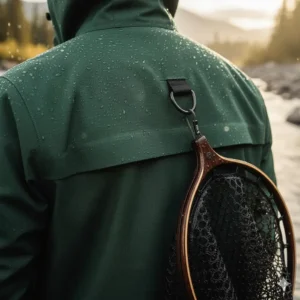
External D-rings for net attachment are another feature worth having. Nothing’s more frustrating than a net bouncing around or getting tangled because you lack proper attachment points.
How to Choose the Right Waterproof Wading Jacket for Your Needs
With so many options flooding the market, how do you actually decide which jacket deserves your hard-earned cash? Let me walk you through the decision framework I use when recommending gear.
Assess Your Fishing Frequency and Conditions
Be honest with yourself: are you a weekend warrior who fishes 10-15 days per season, or are you out there 100+ days a year? Your usage intensity directly impacts which price bracket makes sense.
Casual anglers (10-30 days/year): Budget options like the Frogg Toggs Pilot III or Drryfsh provide excellent value. You don’t need bombproof construction for occasional use, and these jackets deliver solid waterproof performance without breaking the bank.
Regular anglers (30-60 days/year): Mid-range options like the Orvis Clearwater or NAVIS MARINE 3L hit the sweet spot. Better breathability and construction quality make noticeable comfort differences when you’re wearing the jacket for full days repeatedly.
Serious/professional anglers (60+ days/year): Premium jackets like the Patagonia Swiftcurrent or Simms Freestone pay for themselves through superior durability. When you’re wearing gear constantly, small comfort advantages compound dramatically over time.
Climate and Season Considerations
Where and when you fish matters enormously. A lightweight wading jacket perfect for summer mountain streams becomes inadequate in late-season steelhead weather.
Warm weather fishing (60°F+): Prioritize breathability and lightweight construction. The NAVIS MARINE at 15.8 ounces excels here. You’ll barely notice it’s on, and excellent moisture transport prevents overheating.
Cool weather fishing (40-60°F): Look for versatile options that accommodate layering underneath. The Simms Freestone and Orvis Clearwater both provide room for a midweight fleece or puffy jacket beneath them.
Cold weather fishing (below 40°F): Consider dedicated insulated wading jacket options or shells with compatible insulated liners. The Frogg Toggs Pilot series jackets accept their Co-Pilot insulated liner system for truly frigid conditions.
Budget Reality Check
Let’s talk money. Quality waterproof gear ain’t cheap, but it’s also one of those “buy once, cry once” situations where spending appropriately upfront saves you from replacing cheap garbage every season.
Budget tier ($80-$150): Excellent entry point without sacrificing essential performance. Frogg Toggs dominates here with genuinely capable jackets that’ll serve casual anglers well for years. Don’t expect premium breathability or luxury features, but core waterproofing performs admirably.
Mid-range ($150-$250): The value sweet spot for most anglers. Orvis, NAVIS MARINE, and entry-level Simms options deliver dramatically better breathability, more refined fits, and improved durability. This bracket makes sense for anyone fishing regularly.
Premium ($250-$400): Reserve this for serious anglers or those prioritizing maximum longevity. Patagonia, high-end Simms, and similar brands offer superior materials, construction, and features. Yes, it’s expensive—but you might literally fish in the same jacket for a decade.
Fit and Sizing Nuances
Online shopping complicates fit assessment, but here’s what to look for based on customer feedback across these seven jackets:
Most waterproof wading jacket options run true to size, but with important caveats. You need room underneath for layering—a jacket that fits perfectly over a t-shirt in the shop becomes uncomfortably snug over a fleece and puffy combo on the water. When in doubt, size up rather than down.
The Simms Freestone and Patagonia Swiftcurrent are known for athletic, trim fits that favor layering underneath rather than swimming in excess fabric. The Frogg Toggs jackets tend toward generous sizing with drop-shoulder designs that accommodate bulkier frames. Read reviews specific to your body type—manufacturers are getting better about publishing detailed measurement charts.
Warranty and Customer Support
Here’s something often overlooked: what happens when something goes wrong? Zippers fail, seams leak, accidents happen. Strong warranty coverage and responsive customer service transform a good purchase into a great one.
Frogg Toggs offers a lifetime warranty to original owners—pretty remarkable for budget gear. Patagonia’s Ironclad Guarantee promises to repair, replace, or refund any product that doesn’t perform as expected. Simms and Orvis both maintain excellent reputations for standing behind their products.
Before buying, check warranty terms and research customer service experiences. A jacket backed by a company that ghosts warranty claims isn’t worth any price discount.
Understanding Breathability in Waterproof Wading Jackets
Let’s dig deeper into breathability because this single factor often differentiates excellent jackets from mediocre ones. You can have the most waterproof jacket on the planet, but if it doesn’t breathe, you’ll end up wet from the inside anyway.
The Science Behind Breathable Membranes
Modern breathable waterproof wading jacket technology relies on clever materials science. The membrane contains microscopic pores sized to allow water vapor molecules (from your sweat) to escape while blocking larger liquid water molecules (from rain). Gore-Tex pioneered this technology, but alternatives like Toray, H2No, and DriPore Gen2 work on similar principles.
According to research published by the Textile Research Journal, breathability performance depends on both the membrane itself and the pressure differential between inside and outside the garment. When you’re active and generating heat, that pressure gradient actually helps drive moisture outward—which is why breathable jackets work better during physical activity than when you’re standing still.
Real-World Breathability Performance
Testing breathability in a lab yields numbers, but how does it feel on the water? Here’s what I’ve noticed across extensive field testing:
Exceptional (15K+ breathability): Jackets like the NAVIS MARINE Gore PRO-Tex and Patagonia Swiftcurrent barely feel like you’re wearing anything. Even during vigorous hiking and casting, internal moisture evacuates efficiently. You might build slight dampness during peak exertion, but it dissipates quickly during normal fishing pace.
Good (10K-15K breathability): The Simms Freestone and Orvis Clearwater fall here. They breathe well enough for comfortable all-day wear in most conditions. You’ll notice some clamminess during intense activity, but nothing problematic. These represent excellent everyday performers.
Adequate (below 10K breathability): Budget options like the Frogg Toggs Pilot III and Drryfsh provide acceptable but not stellar breathability. You’ll definitely feel warmer and potentially damp from exertion. The key is matching activity level to conditions—they work fine in cool weather with moderate activity but struggle in warm temperatures.
Managing Moisture When Breathability Isn’t Enough
Even the best breathable waterproof wading jacket has limits. When conditions push beyond its capabilities, you need strategies:
Ventilation features matter: Look for jackets with pit zips, back vents, or mesh-lined pockets that enhance airflow. The Orvis Clearwater’s vented hood helps considerably. Some anglers deliberately leave their front zipper partially open in light rain to maximize air circulation.
Strategic layering helps: Moisture-wicking base layers transport sweat away from your skin toward the jacket’s membrane where it can escape. Cotton kills this process—stick with merino wool or synthetic performance fabrics underneath your fishing wading jacket waterproof shell.
Pace yourself: Sounds obvious, but slowing down slightly reduces heat generation and helps your jacket’s breathability keep pace with moisture production. Fish smarter, not harder.
Maintenance and Care: Making Your Investment Last
You’ve dropped serious money on a quality waterproof wading jacket. Now let’s talk about how to clean a wading jacket properly so it performs like new for years rather than months.
Regular Cleaning Procedures
Dirt, body oils, and fish slime gradually clog the membrane pores in your jacket, reducing breathability over time. Regular washing isn’t just about hygiene—it’s about maintaining performance.
How often to wash: After every 5-7 uses, or whenever the jacket gets notably dirty. Don’t worry about “wearing out” the jacket through washing—modern membranes handle proper laundering extremely well.
Washing steps:
- Close all zippers and Velcro closures
- Use technical garment wash (Nikwax Tech Wash or Grangers Performance Wash)
- Wash on gentle cycle with cold water
- Do NOT use regular detergent—it leaves residues that destroy waterproofing
- Do NOT use fabric softener—it clogs membrane pores
- Double rinse to ensure complete soap removal
Drying properly: Tumble dry on low heat or hang dry in a well-ventilated area. Some manufacturers actually recommend low heat drying to reactivate DWR coatings. Check your specific jacket’s care instructions.
Restoring Water Repellency
Even with perfect care, the DWR (Durable Water Repellent) coating on your jacket’s exterior eventually wears down. When water stops beading up and starts soaking into the fabric face, it’s time for treatment.
How to waterproof a wading jacket:
- Clean the jacket thoroughly first (treatments won’t stick to dirty fabric)
- Apply spray-on or wash-in DWR treatment (Nikwax TX.Direct or Granger’s Xtreme Repel)
- Follow product-specific instructions carefully
- Allow to dry completely
- Apply low heat to activate the treatment (either tumble dry or carefully iron on low through a towel)
Proper DWR maintenance doesn’t just restore water beading—it’s essential for breathability. When the outer fabric gets saturated (called “wetting out”), moisture can’t escape through the membrane efficiently even though the jacket remains waterproof.
Storage Between Seasons
How you store your seam sealed wading jacket impacts its longevity almost as much as how you use it:
Clean before storing: Never put away a dirty jacket. Oils and dirt accelerate material degradation during storage.
Hang, don’t fold: Store on a wide hanger in a cool, dry location. Folding creates creases that can damage membrane coatings over time.
Avoid compression: Don’t store your jacket stuffed in a tight space or buried under gear. The membrane needs to relax between uses.
Keep away from heat and direct sunlight: Both accelerate material degradation. A closet works better than a garage or attic where temperatures fluctuate dramatically.
Field Repairs and When to Replace
Sometimes damage happens. A branch snags your jacket, or you take an unexpected tumble over rocks. Minor damage doesn’t mean replacement:
For small tears and holes: Tenacious Tape or Aquaseal provides excellent field-expedient repairs. Clean the area, apply the patch, and you’re back in business. Many anglers keep a small repair kit in their vehicle for emergencies.
For zipper failures: Check if the zipper slider needs replacement rather than the entire zipper. Many outdoor shops can replace sliders affordably.
When to replace: If seams are delaminating extensively, the membrane is peeling away from the face fabric, or waterproofing fails despite reproofing treatments, it’s time for a new jacket. But with proper care, quality jackets last 5-10+ years even with heavy use.
Wading Jacket vs Rain Jacket: Making the Right Choice
This question comes up constantly: “Can’t I just use my hiking rain jacket for fishing?” Let’s settle this once and for all with a detailed comparison.
Design Philosophy Differences
A regular rain jacket prioritizes general-purpose weather protection across various activities—hiking, backpacking, urban commuting. Length, pocket placement, and features reflect this broad use case. They work, but they’re compromised for fishing-specific tasks.
A dedicated wading jacket vs rain jacket comparison reveals purpose-built differences. The shorter cut, higher pocket placement, reinforced cuffs, and fishing-specific features like rod holders and tool attachments make wading jackets significantly more functional on the water. It’s like comparing a Swiss Army knife to a specialized tool—the general-purpose option does many things adequately, while the specialist excels at its specific task.
Performance in Fishing Conditions
Mobility: Rain jackets often restrict arm movement during casting motions. Their cuts weren’t designed for the specific shoulder articulation required for fly fishing. A quality lightweight wading jacket incorporates drop shoulders and articulated sleeves that move with your casting stroke rather than fighting it.
Water exposure: When you wade deep or kneel in water to land a fish, a long rain jacket becomes a liability. The hem catches water, creating drag and potentially soaking through. Wading jackets end above wader height specifically to prevent this.
Durability: Fishing is tough on gear. Streamside brush, rocky scrambles, and general abuse demand tougher materials. Many rain jackets use lighter fabrics than fishing-specific options because they’re designed for less abrasive environments.
When a Rain Jacket Might Work
I won’t lie and say rain jackets never work for fishing. In specific circumstances, they’re adequate:
- Boat fishing: If you never wade, length doesn’t matter as much
- Casual spinning gear fishing: Less demanding casting motions reduce mobility importance
- Already own quality rain gear: If you fish infrequently and have a good rain jacket, it’ll work temporarily while you save for a proper wading jacket
- Bank fishing: Standing on shore rather than wading eliminates the wet-hem problem
But here’s my honest advice: if you fish even 10 days per season, a dedicated waterproof wading jacket justifies its cost through enhanced performance and durability. The difference becomes obvious the first time you compare them side-by-side on the water.
Layering Systems: Maximizing Your Jacket’s Versatility
A waterproof wading jacket is just one component of an effective layering system. Understanding how pieces work together lets you fish comfortably across a wider temperature range without owning separate jackets for every season.
Base Layer Fundamentals
Your base layer directly contacts your skin, making it crucial for moisture management. Cotton absorbs and holds moisture—terrible for fishing. Instead, choose:
Merino wool: Natural odor resistance, comfortable across wide temperature ranges, retains warmth even when damp. Slightly more expensive but worth it. Icebreaker and Smartwool make excellent fishing-specific base layers.
Synthetic performance fabrics: Polyester and polypropylene blends wick moisture aggressively and dry quickly. More affordable than merino. Patagonia Capilene, Under Armour ColdGear, and similar products excel.
For warm weather, a simple t-shirt base layer under your breathable wading jacket provides sufficient comfort. Cold weather demands long-sleeve base layers, potentially in midweight or heavyweight fabrics.
Mid-Layer Options
This is where you add warmth without sacrificing mobility. The key is choosing insulation that works well under your jacket:
Fleece pullovers: Classic choice offering good warmth-to-weight ratio and excellent breathability. Avoid bulky thick fleeces that restrict movement—look for athletic cuts in midweight fabrics.
Synthetic insulated jackets: Primaloft and similar insulations provide impressive warmth in thin packages. They maintain insulation even when damp, crucial for fishing conditions. The Frogg Toggs Co-Pilot liner specifically designed for their Pilot series jackets exemplifies this approach.
Down jackets: Warmest option for their weight, but only when you’re confident staying dry. Down loses insulation when wet. Fine for cold, dry days; risky in wet conditions.
Many anglers keep a packable insulated jacket in their pack for temperature swings. Mountain weather can drop 20 degrees when clouds roll in—being prepared prevents cutting trips short.
Adjusting Layers for Conditions
The beauty of a proper layering system is adaptability. Start your day cold, and you’ll warm up as you hike to your spot and begin casting. Having the ability to shed and add layers prevents both overheating and chilling.
Morning cold: Base layer + mid-layer + insulated wading jacket or shell with liner
Mid-day warming: Remove mid-layer, continue with just base and shell
Evening chill: Add mid-layer back as temperatures drop
This flexibility is why I emphasize breathable waterproof wading jacket selection. A jacket with poor breathability forces you to constantly adjust layers to manage internal moisture, interrupting your fishing. Great breathability lets you maintain the same configuration longer.
Seasonal Considerations and Specialized Applications
While a quality waterproof wading jacket works across multiple seasons, understanding how conditions change helps you optimize your gear choices throughout the year.
Spring Fishing Challenges
Spring brings unpredictable weather—sunny and mild one moment, sleeting the next. Versatility is king. A hooded wading jacket with excellent breathability handles this variability best. You’ll cycle between layering up and stripping down as fronts move through.
Runoff also means higher, faster water. The consequences of getting soaked are more serious, making waterproof ratings particularly important. Don’t skimp on a marginal jacket during spring when you might wade deeper and faster current than other seasons.
Summer Considerations
Heat management becomes the priority. An ultralight, highly breathable jacket like the NAVIS MARINE 3L works beautifully. You’ll mostly leave it packed away, deploying it only when afternoon thunderstorms threaten.
Some anglers prefer lightweight rain shells over wading-specific jackets for summer since they rarely wade deep enough for the shorter cut to matter. Breathability ratings become absolutely critical—anything below 15K feels swampy in warm conditions.
Fall Steelhead and Salmon Seasons
This is when serious anglers put their gear through hell. Cold water, long days, and variable weather demand your most capable equipment. The insulated wading jacket options or shells with compatible liners shine here.
Consider the Frogg Toggs Pilot series jackets with their Co-Pilot insulated liner system, or layer a puffy jacket under something like the Simms Freestone. You need serious warmth capacity without sacrificing waterproof performance.
Winter Fishing for Diehards
Only the committed fish through winter, but if you’re among them, gear becomes critical for safety. Hypothermia risk is real. Your lightweight wading jacket won’t cut it alone—you need substantial insulation underneath and bomb-proof waterproofing above.
Some winter specialists prefer bibs or chest waders with integrated jackets for maximum protection. If sticking with a separate jacket, the premium options like Patagonia Swiftcurrent provide the reliability you literally bet your life on in severe conditions.
Advanced Features Worth Considering
As you move up the price ladder, manufacturers add features that initially seem like minor niceties but prove genuinely useful with experience. Let’s evaluate which upgrades justify extra cost.
Pit Zips and Ventilation Systems
Underarm zippers allow rapid heat dumping without removing your jacket entirely. When you’re hiking hard to reach a spot or casting aggressively during a hatch, opening pit zips provides instant relief while maintaining rain protection.
Not all jackets include them—it’s often a premium feature. The Patagonia Swiftcurrent lacks pit zips, relying instead on exceptional base breathability. The Orvis Clearwater includes them, recognizing that even good breathability sometimes needs assistance. Personal preference plays a role based on your typical fishing intensity and climate.
Integrated Tool Management
Serious fly anglers carry multiple tools—nippers, forceps, floatant, split shot, strike indicators. Managing this gear efficiently makes fishing more enjoyable and productive. Advanced fishing wading jacket waterproof designs incorporate:
Daisy chains: Small loops sewn into chest pockets allowing tool attachment via retractable zingers. The Drryfsh jacket includes split daisy chains that organize tools excellently.
Internal tool docks: Dedicated attachment points inside pockets keep tools organized without external snag points. The Simms Freestone includes these thoughtfully.
Velcro fly patches: Small patches of loop Velcro inside pocket flaps provide temporary fly storage as you swap patterns. Simple but incredibly useful.
Adjustment Systems That Actually Work
Cheap jackets include adjustment points that are frustrating to use—particularly with cold, wet hands. Quality jackets feature single-pull adjusters and easy-grip pulls that work even with gloves on.
Hood adjustment is particularly critical. Three-point systems (rear, sides, and brim) provide superior weather protection compared to simple drawcord designs. The Orvis Clearwater’s three-way adjustable hood exemplifies this done well.
Reinforced Wear Points
High-use areas like elbows, shoulders (from pack straps), and cuffs experience accelerated wear. Premium jackets reinforce these zones with tougher fabrics or additional layering. It’s a detail you don’t appreciate until your jacket’s elbows wear through after two seasons because the manufacturer skimped.
Patagonia and Simms generally include this reinforcement. Budget options typically don’t, which partially explains their lower prices and shorter lifespans.
FAQs
❓ What is a wading jacket and why do I need one?
❓ How do I properly size a waterproof wading jacket for layering?
❓ Can I use fabric softener when washing my wading jacket?
❓ How long should a quality waterproof wading jacket last?
❓ Do I really need a dedicated wading jacket or will a rain jacket work?
Conclusion: Choosing Your Perfect Waterproof Wading Jacket
After thousands of words exploring waterproof wading jackets from every angle, let’s bring it home. The right jacket transforms fishing from an ordeal you endure in bad weather to an experience you genuinely enjoy regardless of conditions. I’ve fished in everything from tropical downpours to near-freezing sleet, and I can tell you this: proper rain gear is literally the difference between a miserable retreat to the truck and an epic day you’ll remember forever.
Your perfect jacket depends on your specific fishing style, climate, budget, and frequency. The weekend angler fishing local bass ponds has different needs than the steelhead junkie spending 80 days per season in Pacific Northwest rain. But here’s what I know for certain: every serious angler eventually invests in quality rain gear. The only question is whether you do it now or after suffering through a few more soaked, miserable trips.
If forced to make one universal recommendation? The Orvis Clearwater hits the sweet spot for most anglers—excellent performance, fair pricing, and features that satisfy both beginners and veterans. But truthfully, every jacket in this guide serves specific needs well. Trust your gut, match features to your fishing reality, and don’t skimp on waterproofing if you fish frequently.
The fish don’t stop biting when it rains. With the right waterproof wading jacket, neither will you.
🎣 Don’t Wait—Get Protected Today!
Ready to fish through any weather? These waterproof wading jackets offer proven performance from anglers like you. Click any product to check Amazon’s current pricing and availability. Your next memorable day on the water awaits—don’t let rain cut it short! 🌧️✨
Recommended for You
- Women’s Wading Jacket: 7 Best Options for 2025
- Men’s Wading Jacket: 7 Best Waterproof Options 2025
- Best Wading Jackets 2025: 7 Top Waterproof Fishing Jackets Reviewed
Disclaimer: This article contains affiliate links. If you purchase products through these links, we may earn a small commission at no additional cost to you.
✨ Found this helpful? Share it with your friends! 💬🤗
