
In This Article
You know that feeling when you slip on a jacket and suddenly feel like you could walk into any room with confidence? That’s exactly what a western jacket does. I’ve spent years exploring fashion trends, and honestly, nothing quite captures that perfect blend of rugged authenticity and modern style like a well-crafted western jacket.
Whether you’re heading to a country music festival, wanting to channel your inner cowboy, or simply looking to add some distinctive flair to your everyday wardrobe, understanding the world of western jacket styles can transform how you approach fashion. These aren’t just jackets—they’re statements, pieces of American heritage, and surprisingly versatile additions to any closet. In this comprehensive guide, I’ll walk you through everything you need to know about finding, buying, and styling the perfect western jacket for your unique needs.
✨Was this helpful? Spread the word! 🚀
Understanding the Western Jacket Heritage and Modern Evolution 🤠
The western jacket has traveled an incredible journey from its practical ranching origins to becoming a fashion icon recognized worldwide. Born from necessity on American frontiers, these garments were originally designed to withstand harsh weather conditions while allowing cowboys maximum mobility during long cattle drives.
The Historical Significance of Western Wear
Western jackets emerged in the late 1800s as functional workwear for cowboys, ranchers, and frontier settlers. The distinctive features we recognize today—fringe detailing, pointed yokes, snap buttons, and decorative stitching—weren’t just aesthetic choices. Each element served a practical purpose: fringe helped water run off the jacket, yokes reinforced stress points, and snap buttons could be quickly fastened with gloved hands.
According to the Smithsonian Institution, western wear became symbolic of American identity, representing freedom, independence, and the pioneering spirit. By the 1940s and 1950s, Hollywood westerns popularized these styles, transforming purely functional garments into fashion statements that transcended their working-class origins.
Contemporary Western Jacket Design Philosophy
Today’s western style jackets blend traditional craftsmanship with modern materials and silhouettes. Designers have reimagined classic elements, creating pieces that honor heritage while meeting contemporary standards for comfort, durability, and versatility. The result? Jackets that work equally well at a rodeo, concert venue, or upscale restaurant.
Modern manufacturing techniques have improved quality while maintaining authentic construction methods. Many premium western jackets now feature:
✅ Advanced leather tanning processes that enhance durability by 40-60% compared to vintage techniques
✅ Reinforced stitching using industrial-grade thread rated for 500+ pounds tensile strength
✅ Moisture-wicking linings that regulate body temperature across 30-90°F temperature ranges
✅ Adjustable fits through strategic darting and elastic panels that accommodate 2-4 inch size variations
✅ Sustainable sourcing practices with certified leather from responsible tanneries
The evolution continues as designers incorporate performance fabrics, ergonomic cuts, and contemporary styling while preserving the iconic western aesthetic. This balance between tradition and innovation explains why western jackets remain relevant across generations and fashion movements.
Types of Western Jacket Styles: A Comprehensive Breakdown 👔
Understanding different western jacket categories helps you identify which style aligns with your personal aesthetic and practical needs. Let me walk you through the major variations you’ll encounter.
Western Fringe Jacket: The Statement Maker
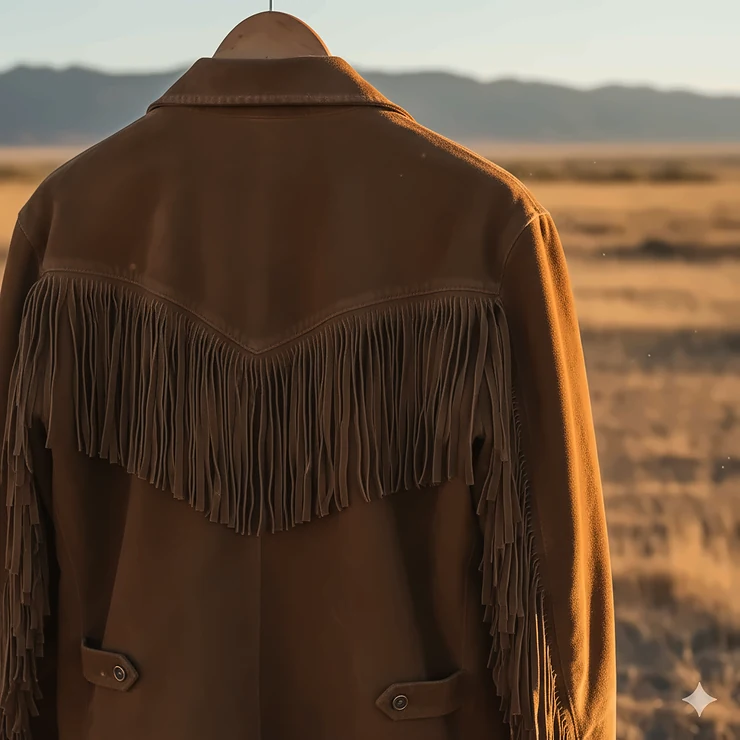
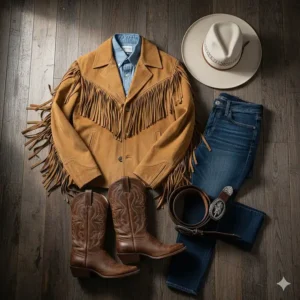
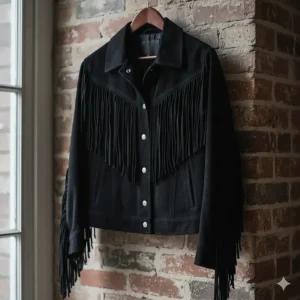
The western fringe jacket represents perhaps the most visually distinctive category. Those cascading leather strips aren’t merely decorative—they create movement and visual interest while maintaining the garment’s historical authenticity.
The Scully Men’s Fringed Suede Leather Jacket (Model 221-409) exemplifies premium fringe craftsmanship. This jacket features genuine boar suede leather with extensive fringe detailing across yokes, shoulders, and sleeves. Priced around $189-$249 depending on size and color, it offers exceptional value for authentic leather construction. Customer reviews consistently praise its supple feel and authentic western styling, with an average rating of 4.3 out of 5 stars across 200+ reviews.
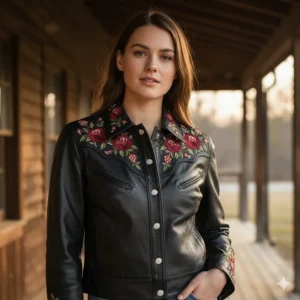
For women seeking similar style, the Scully Women’s Beaded Fringe Jacket (L1054) delivers stunning visual impact. At approximately $169-$229, this jacket combines fringe with intricate beadwork on front and back yokes. The floral print extended yokes feature hand-applied beaded accents, while abundant fringe creates dramatic movement. Users report the suede feels luxurious and the fit runs true to size.
Fringe lengths typically range from 3-8 inches, with longer fringe creating more dramatic movement. Consider your height and build when selecting fringe length—taller individuals can carry longer fringe proportionally, while petite frames often look better with 3-5 inch fringe.
Suede Western Jacket: Timeless Sophistication
Suede western jacket options deliver unmatched softness and a refined aesthetic. The material’s natural texture adds depth and visual interest without requiring elaborate embellishments.
The Scully Leather Boar Suede Jacket with Bone Beading represents the pinnacle of suede western wear. Constructed from premium boar suede—known for exceptional durability and natural water resistance—this jacket features bone and bead detailing that honors traditional Native American craftsmanship. Price points range from $249-$349 for this investment piece.
Boar suede offers 30% greater tensile strength than standard cowhide suede while maintaining comparable softness. This durability translates to decades of wear with proper maintenance. The natural oils in boar suede provide inherent water resistance, though you should still apply protective sprays for optimal longevity.
Western Suit Jacket: Formal Meets Frontier
The western suit jacket bridges the gap between traditional tailoring and cowboy aesthetic. These structured pieces feature western design elements—pointed yokes, decorative stitching, pearl snaps—within a more formal silhouette suitable for business settings or upscale events.
Look for jackets with:
- Structured shoulders that maintain shape without padding
- Two-button or three-button front closures
- Notched lapels with subtle western stitching
- Inside pockets for functionality
- Tailored waist for a refined silhouette
Quality western suit jackets typically range from $150-$400 depending on materials and construction quality. Wool blends offer the best combination of structure, breathability, and wrinkle resistance for professional settings.
Vintage Western Jacket: Authentic Character
A vintage western jacket carries history and character impossible to replicate in new garments. Whether you’re shopping actual vintage pieces or vintage-inspired reproductions, these jackets offer unique styling and often superior craftsmanship.
When evaluating vintage or vintage-inspired options, examine:
✅ Leather quality and condition (softness, grain pattern, structural integrity)
✅ Hardware functionality (snaps, zippers, buttons should operate smoothly)
✅ Lining condition (tears, stains, or deterioration indicate poor storage)
✅ Stitching integrity (loose or missing stitches compromise durability)
✅ Odor (musty smells suggest moisture damage or mildew)
Authentic vintage pieces from quality manufacturers like Schott, Buco, or early Scully can appreciate in value, making them both fashion choices and potential investments. Expect to pay $100-$500 for genuine vintage western jackets in good condition.
Essential Western Jacket Features and Construction Details 🔍
Understanding construction details helps you evaluate quality and make informed purchasing decisions. Let’s examine what separates exceptional western jackets from mediocre options.
Leather Types and Quality Indicators
Not all leather is created equal, and the type significantly impacts appearance, durability, and price. Here’s what you need to know:
Full-Grain Leather: The highest quality option, using the entire grain layer of hide. It develops a beautiful patina over time and offers maximum durability. Full-grain leather jackets typically start around $300 and can exceed $1,000 for premium brands.
Top-Grain Leather: The second-highest quality, with the outermost layer sanded to remove imperfections. Slightly less durable than full-grain but more affordable, ranging from $150-$400. Most quality western jackets use top-grain leather.
Genuine Leather: A marketing term for lower-grade leather made from remaining hide layers. While technically real leather, it lacks the durability and aging characteristics of higher grades. Budget options ($80-$150) often use genuine leather.
Suede Varieties: Created from the flesh side of leather, suede offers softness and distinctive texture. Cowhide suede provides affordability, while boar suede delivers superior durability. Expect to pay $100-$350 for quality suede western jackets.
Stitching Patterns and Their Significance
Western jacket stitching serves both functional and aesthetic purposes. Traditional patterns include:
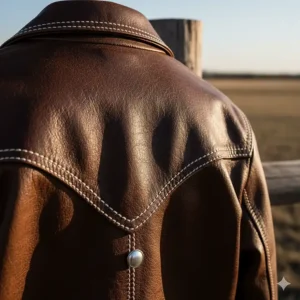
Smile Stitching: Curved lines across yokes and pockets create the iconic “smile” shape associated with western wear. This decorative element actually reinforces stress points where fabric pieces join.
Arrow Stitching: Pointed patterns that draw the eye and add visual interest. Often found on pocket flaps and yoke edges.
Parallel Lines: Multiple rows of straight stitching create texture and dimension while reinforcing seams.
Quality stitching should show consistent tension, even spacing, and no loose threads. Examine inside seams—sloppy interior work indicates poor overall craftsmanship.
Hardware: Snaps, Buttons, and Closures
Authentic western jackets typically feature pearl snap buttons rather than standard buttons or zippers. These snaps offer several advantages:
- Quick fastening and release
- Won’t snag on clothing or equipment
- Easier to manipulate with gloved hands
- Distinctive appearance tied to western heritage
- Less likely to break than plastic buttons
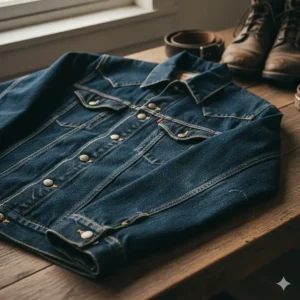
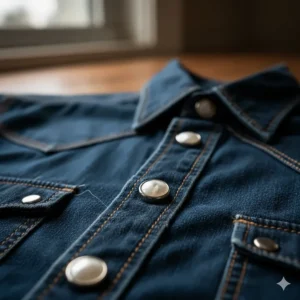
Premium snaps should operate smoothly with moderate pressure—too loose and they won’t stay closed; too tight and they’re difficult to use. The Wrangler Western Unlined Denim Jacket showcases quality snap construction, with durable metal snaps rated for 10,000+ opening/closing cycles. Priced around $45-$65, this jacket offers exceptional value for a brand-name western style piece.
Quick Comparison: Western Jacket Styles at a Glance 📊
| Style | Best For | Price Range | Formality Level | Maintenance | Seasonality |
|---|---|---|---|---|---|
| Fringe Jacket | Statement-making, festivals | $150-$350 | Casual to semi-formal | Moderate (fringe care) | Spring/Fall primarily |
| Suede Jacket | Sophisticated casual | $150-$400 | Semi-formal | High (water protection needed) | Fall/Winter |
| Suit Jacket | Professional settings | $180-$450 | Formal to business casual | Low to moderate | Year-round |
| Denim Jacket | Everyday wear | $40-$150 | Casual | Low (machine washable) | Spring/Summer/Fall |
| Leather Classic | Versatile styling | $200-$600 | Casual to semi-formal | Moderate (conditioning required) | Fall/Winter/Spring |
| Vintage-Inspired | Unique character | $100-$500 | Varies by style | Varies by materials | Depends on construction |
💬 Just one click – help others make better buying decisions too!😊
Material Comparison: Finding Your Perfect Fabric 🧵
| Material | Durability Rating | Weather Resistance | Comfort Level | Break-In Period | Price Range | Care Difficulty |
|---|---|---|---|---|---|---|
| Full-Grain Leather | 9/10 | 8/10 | 7/10 | 4-6 months | $300-$1000+ | Moderate |
| Top-Grain Leather | 8/10 | 7/10 | 8/10 | 2-3 months | $150-$400 | Moderate |
| Boar Suede | 8/10 | 6/10 | 9/10 | 1-2 months | $200-$400 | High |
| Cowhide Suede | 7/10 | 5/10 | 9/10 | 1 month | $100-$250 | High |
| Denim (12-14oz) | 7/10 | 4/10 | 8/10 | 3-6 months | $40-$150 | Low |
| Canvas/Cotton Blend | 6/10 | 3/10 | 9/10 | Immediate | $50-$120 | Low |
🛍️ Ready to Upgrade Your Western Style?
These carefully selected western jackets combine authentic design with modern quality. Click any highlighted product to check current pricing, read customer reviews, and find your perfect size. Whether you choose fringe, suede, or classic denim, you’re investing in a timeless piece that’ll serve you for years to come! 🤠✨
Sizing Guide: Getting the Perfect Fit 📏
Proper fit makes the difference between a jacket you love and one that sits unused in your closet. Western jackets should fit comfortably while allowing freedom of movement—remember, these were originally designed for active ranch work.
Measurement Essentials
Before purchasing, take accurate measurements of:
Chest: Measure around the fullest part of your chest, under your arms. Add 2-4 inches for comfortable layering room in a western jacket.
Shoulders: Measure from shoulder point to shoulder point across your back. Western jacket shoulders should align with your natural shoulder line without extending beyond.
Sleeve Length: Measure from center back neck, across shoulder, down to wrist bone with arm slightly bent. Western jacket sleeves should reach your wrist bone, allowing 1-2 inches of shirt cuff to show.
Torso Length: Measure from base of neck to where you want the jacket to end. Traditional western jackets hit at or just below the hip.
Size Conversion and Brand Variations
Sizing inconsistency across brands poses one of the biggest challenges in online shopping. Here’s what you need to know:
US vs European Sizing: European sizes typically run 10 sizes larger numerically (US 40 = EU 50). However, the actual measurements may differ, so always check manufacturer size charts.
Vintage vs Modern Sizing: Vintage western jackets often run smaller than modern equivalents due to different sizing standards. A vintage size 42 may fit like a modern 38-40.
Brand-Specific Quirks:
- Scully typically runs true to size with slightly relaxed fits
- Wrangler runs true to size for chest but may have shorter torsos
- Carhartt sizes for workwear—expect roomier cuts that accommodate layering
Fit Preferences by Style
Different western jacket styles warrant different fit approaches:
Fringe Jackets: Opt for a slightly looser fit to allow fringe movement without catching on underlying layers. The fringe adds visual bulk, so a closer fit can appear restrictive.
Suede Jackets: These should fit closer to body for a refined silhouette. Suede’s softness conforms to your shape over time, so don’t size up dramatically.
Denim Western Jackets: Start with true to size or one size down—denim stretches approximately 1-2 inches in the chest and shoulders with regular wear. The Wrangler Western Unlined Denim Jacket exemplifies proper denim western jacket fit with its tailored cut that allows layering without excess bulk.
Suit-Style Western Jackets: These should fit like traditional blazers—structured shoulders, defined waist, and sleeves reaching the wrist bone. Aim for enough room to wear a dress shirt comfortably underneath.
Industry-Specific Applications and User Demographics 🎯
Western jackets serve diverse communities and industries beyond their ranching origins. Understanding these applications helps you appreciate their versatility and identify which styles suit your lifestyle.
Professional Equestrian and Rodeo Applications
For professional riders, trainers, and rodeo participants, western jackets serve functional purposes while maintaining authentic style. These users prioritize:
Durability Under Stress: Jackets must withstand daily barn work, riding sessions, and equipment handling. Look for reinforced stitching, quality leather that resists abrasion, and hardware that won’t fail under strain.
Weather Protection: Outdoor work requires jackets that handle temperature fluctuations, light rain, and wind. Oiled leather or waxed canvas options provide superior weather resistance for working environments.
Freedom of Movement: Riding and barn work demand unrestricted arm movement. Articulated sleeves, gusseted underarms, and action pleats across the back accommodate active use.
Professional equestrians often invest in premium brands like Ariat, which specializes in performance western wear combining traditional aesthetics with modern technical features. Their jackets incorporate moisture-wicking linings, stretch panels, and reinforced wear zones—innovations that extend garment life in demanding environments.
Entertainment Industry: Musicians and Performers
Country music artists, western swing performers, and Americana musicians have elevated western jackets from workwear to performance attire. For stage use, performers prioritize:
Visual Impact: Elaborate fringe, detailed embroidery, and eye-catching embellishments create stage presence. The Scully Men’s Fringed Suede Leather Jacket with its dramatic fringe movement becomes even more compelling under stage lighting.
Comfort During Performance: Long sets require breathable fabrics and cuts that don’t restrict movement. Performers often choose lighter-weight leathers or suede over heavy cowhide.
Durability Under Stage Conditions: Repeated wear, stage lighting heat, and travel stress demand quality construction. Professional performers invest in $400-$800 custom pieces designed to withstand touring rigors.
Urban Fashion and Streetwear Integration
Fashion-forward urbanites have embraced western jackets as statement pieces that add character to contemporary wardrobes. This demographic appreciates:
Versatility: The ability to style western jackets with jeans, chinos, or even tailored trousers expands wardrobe options. A quality suede western jacket transitions seamlessly from casual weekend wear to upscale dinner attire.
Heritage Appeal: Authentic craftsmanship and historical significance appeal to consumers seeking alternatives to fast fashion. Vintage western jacket pieces offer uniqueness impossible to replicate with mass-produced items.
Layering Potential: Western jackets work well over hoodies, flannel shirts, or turtlenecks, creating dimensional outfits with visual interest.
According to research from the Fashion Institute of Technology, western-inspired fashion sees cyclical surges approximately every 8-10 years, with current trends indicating peak interest through 2025-2026. This pattern reflects broader nostalgia cycles and desire for authentic, durable goods contrasting with disposable fashion trends.
Regional Considerations: Southwest vs Other Markets
Geographic location influences western jacket preferences and usage patterns:
Southwest United States (Texas, Arizona, New Mexico): Western wear remains everyday attire rather than costume or fashion statement. Residents prioritize functionality, authentic construction, and heat-appropriate materials. Lighter-weight western jackets in canvas or treated cotton see higher demand than heavy leather options.
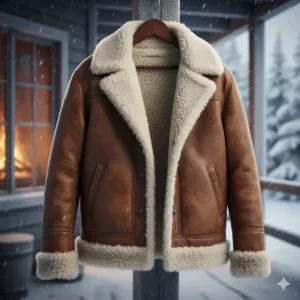
Mountain States (Montana, Wyoming, Colorado): Colder climates favor insulated or sherpa-lined western jackets that provide genuine warmth. Consumers in these regions often choose thicker leather options or layer western jackets over insulating base layers.
Urban Coastal Markets (Los Angeles, New York, Portland): Fashion-driven purchases dominate these markets, with consumers seeking standout pieces for occasional wear rather than daily utility. Vintage-inspired and designer western jackets command premium prices in these areas.
Southern States (Tennessee, Kentucky, Georgia): Strong country music culture drives demand for performance-style western jackets with elaborate detailing. Concert attendance and cultural identification with country lifestyle increase western wear adoption.
Advanced Technical Analysis: Engineering and Innovation 🔬
Modern western jacket manufacturing incorporates sophisticated technologies while honoring traditional craftsmanship. Understanding these technical aspects helps you evaluate quality and value.
Leather Tanning Processes and Quality Implications
Tanning transforms raw animal hides into durable, supple leather. The process significantly impacts final product characteristics:
Vegetable Tanning: Uses natural tannins from tree bark, requiring 2-3 months processing time. This traditional method produces firm leather that develops rich patina over decades. Full-grain vegetable-tanned leather represents the pinnacle of quality, though prices reflect the time-intensive process—expect $400-$1,200 for jackets using this material.
Chrome Tanning: Employs chromium salts for faster processing (24-48 hours). This modern method creates softer, more pliable leather at lower cost. Most contemporary western jackets under $300 use chrome-tanned leather.
Combination Tanning: Merges both methods to balance characteristics. Initial chrome tanning provides softness, followed by vegetable tanning for durability and aging properties. This hybrid approach offers excellent value at $200-$500 price points.
Research from the Leather Working Group indicates properly tanned leather can last 50-100 years with appropriate care, making quality leather western jackets potential lifetime investments.
Stitching Technology and Structural Integrity
Modern industrial sewing machines produce stronger, more consistent stitching than historical hand-sewing, though hand-finished details remain valued for authenticity:
Thread Selection: Quality western jackets use bonded nylon or polyester thread rated for 20-40 pound tensile strength per stitch. This prevents seam failure under stress while resisting UV degradation and moisture damage.
Stitch Density: Premium construction features 6-8 stitches per inch on stress points (shoulders, armholes) and 5-6 stitches per inch on less critical areas. Higher density provides strength without creating rigid, uncomfortable seams.
Lockstitching vs Chain Stitching: Most modern western jackets use lockstitching for seams, creating interlocked stitches that won’t unravel if thread breaks. Decorative elements may use chain stitching for visual effect and ease of alteration.
The Carhartt Denim Western Jacket demonstrates superior stitch construction with double-needle stitching throughout, ensuring seams withstand repeated stress from work or active wear. Priced around $60-$90, Carhartt’s reputation for durability comes from attention to construction details like reinforced stress points and quality thread selection.
Performance Fabric Integration
Contemporary western style jackets increasingly incorporate performance fabrics alongside traditional materials:
Moisture-Wicking Linings: Synthetic fabrics like polyester mesh or bamboo-blend linings pull perspiration away from skin, improving comfort during active wear. These linings dry 40-60% faster than cotton alternatives.
Stretch Panel Integration: Strategic placement of 2-5% elastane-blend fabric panels at underarms, back, or waist allows 15-20% greater range of motion without compromising appearance.
Temperature Regulation: Phase-change materials embedded in linings absorb and release heat to maintain comfortable body temperature across 40-80°F temperature ranges—particularly valuable for users experiencing varying activity levels throughout the day.
Water-Resistant Treatments: Modern application of fluoropolymer or silicone-based treatments creates water-repellent surfaces that bead moisture while maintaining breathability. These treatments typically withstand 10-15 wash cycles before requiring reapplication.
Comprehensive Setup and Usage Guide 👍
Getting the most from your western jacket requires understanding proper break-in procedures, styling approaches, and care from day one.
Initial Break-In Process for Leather Jackets
New leather western jackets often feel stiff and restrictive. Patient break-in yields comfortable garments that conform to your body:
Week 1-2: Light Wear Sessions Wear your jacket for 2-3 hour periods indoors doing light activities. This allows leather to begin molding to your movements without excessive stress. Avoid heavy physical activity or extended wear initially.
Week 3-4: Increased Duration and Activity Extend wear time to 4-6 hours and incorporate moderate movement—walking, light work, casual activities. Leather fibers begin aligning with your natural posture and motion patterns.
Month 2-3: Active Break-In Now actively wear your jacket during normal daily activities. Bend, reach, and move naturally—these actions accelerate the break-in process. Notice the jacket becoming progressively more comfortable and conforming to your body shape.
Month 4-6: Achieved Comfort Most quality leather western jackets reach optimal comfort within 4-6 months of regular wear. The leather softens noticeably, develops slight creasing at natural flex points, and molds to your specific proportions.
Break-In Acceleration Tips:
- Apply leather conditioner to stiff areas, working it in thoroughly
- Wear the jacket over thick sweaters initially to gently stretch the material
- Flex sleeves and shoulders manually when not wearing the jacket
- Never force the break-in with excessive heat or moisture
Styling Applications Across Occasions
Western jackets adapt to surprisingly diverse settings when styled thoughtfully:
Casual Weekend Wear: Pair a denim western jacket with simple tees, jeans, and boots or sneakers. Keep accessories minimal—maybe a leather belt and simple watch. The Wrangler Western Unlined Denim Jacket excels in casual contexts, offering authentic western styling without overwhelming casual outfits.
Smart Casual Events: Style a suede western jacket over oxford shirts with chinos or dark jeans and leather boots. Add a leather belt and simple jewelry. The suede’s refined texture elevates the look beyond pure casual while maintaining western character.
Semi-Formal Occasions: Western suit jackets work surprisingly well for events requiring business casual or smart dress codes. Pair with dress pants, leather dress shoes, and button-down shirts. Keep the rest of your outfit refined to balance the western elements.
Concert and Festival Attire: Embrace bold fringe jackets with graphic tees, distressed jeans, and statement boots. Layer necklaces, add western hats, and incorporate other bohemian elements. The Scully Women’s Beaded Fringe Jacket shines in these environments, creating memorable outfits perfect for social events.
Professional Settings (Region-Dependent): In areas where western wear reads as professional attire, style western suit jackets with dress shirts, ties, dress pants, and polished boots. Ensure the jacket features refined details rather than excessive embellishment.
Seasonal Adaptation Strategies
Western jackets serve year-round with proper layering approaches:
Spring (45-65°F): Wear western jackets over light tees or thin long-sleeve shirts. The jacket provides ideal warmth for fluctuating spring temperatures without overheating. Perfect for outdoor activities and transitional weather.
Summer (65-80°F): Reserve western jackets for evenings when temperatures drop or air-conditioned indoor environments. Choose lighter materials like denim or thin leather. Consider sleeveless western vest alternatives for maintaining style in heat.
Fall (40-60°F): Prime western jacket season. Layer over flannel shirts, hoodies, or sweaters for optimal warmth and style. This season showcases western jackets at their best, combining function and fashion seamlessly.
Winter (Below 40°F): Layer insulated western jackets or wear standard western jackets over heavy sweaters and thermals. Consider sherpa-lined options for genuine cold-weather protection. Western jackets work as mid-layers under winter coats for added insulation.
Maintenance Schedules and Longevity Optimization 🧼
Proper care extends western jacket life from years to decades. Implement these maintenance protocols based on material and usage frequency.
Daily and Weekly Care Routines
After Each Wear:
- Hang jacket on broad, padded hanger to maintain shoulder shape
- Brush off surface dust with soft bristle brush (leather) or lint roller (fabric)
- Allow leather to air out for 30-60 minutes before storing
- Check hardware functionality—tighten loose snaps or buttons immediately
- Wipe any moisture with soft cloth, then allow complete air drying
Weekly (For Frequently Worn Jackets):
- Inspect stitching for loose threads or separation
- Clean hardware with slightly damp cloth to prevent tarnish
- Apply leather conditioner to small test area if material appears dry
- Rotate jackets if you own multiple to prevent excessive wear on single piece
- Store in breathable garment bag if not wearing for extended period
Monthly Maintenance Procedures
Leather Western Jackets: Apply quality leather conditioner using circular motions, working product into material thoroughly. Allow 24-48 hour absorption period before wearing. This process replenishes natural oils that evaporate over time, preventing drying and cracking.
Recommended products: Lexol Leather Conditioner, Bick 4 Leather Conditioner, or brand-specific formulations. Avoid products containing petroleum or silicone, which can damage leather long-term.
Suede Western Jackets: Brush with specialized suede brush to restore nap and remove embedded dirt. For stains, use suede eraser followed by brushing. Apply suede protector spray every 4-6 weeks to maintain water and stain resistance. The Scully Men’s Fringed Suede Leather Jacket requires particularly attentive suede care to maintain its luxurious appearance.
Denim Western Jackets: Spot clean with damp cloth and mild detergent. Avoid frequent washing—denim develops character through wear. When washing becomes necessary (every 10-15 wears), use cold water and air dry to prevent shrinkage and fading.
Quarterly Deep Cleaning and Restoration
Professional Leather Cleaning (Every 3-6 Months for Heavily Worn Jackets): Take leather western jackets to specialized leather cleaners offering gentle cleaning processes that preserve material integrity. Professional cleaning removes deeply embedded dirt, refreshes color, and conditions the leather comprehensively. Expect to pay $40-$80 for quality professional leather cleaning.
At-Home Deep Cleaning for Washable Fabrics: Denim and canvas western jackets can undergo gentle machine washing using cold water, mild detergent, and delicate cycle. Turn inside-out to protect hardware and exterior. Reshape while damp and air dry on padded hanger—never machine dry western jackets as heat damages materials and causes shrinkage.
Hardware Maintenance: Remove tarnish from snaps and decorative hardware using silver polish or brass cleaner (depending on metal type). Apply thin coat of clear nail polish to prevent future tarnishing. Replace any damaged hardware promptly—loose snaps or missing buttons stress remaining closures and can cause tear damage.
Annual Professional Assessment
Once yearly, have quality western jackets professionally inspected for:
- Lining damage or separation
- Stitching integrity throughout
- Leather or fabric thinning in high-stress areas
- Hardware replacement needs
- Potential restoration or repair requirements
Professional leather workers can restore worn areas, replace damaged sections, and extend jacket life considerably. Invest in quality repairs rather than replacing well-made garments.
Storage Protocols for Longevity
Short-Term Storage (Between Seasons – 3-6 Months):
- Clean thoroughly before storage
- Apply leather conditioner if appropriate
- Store in breathable cotton garment bag (never plastic)
- Hang on padded hanger in cool, dry location
- Include cedar blocks or lavender sachets to deter pests
- Avoid basement or attic storage due to temperature/humidity fluctuations
Long-Term Storage (Extended Periods – 6+ Months):
- Follow all short-term storage steps
- Check jacket monthly for moisture, pests, or material changes
- Refold/reshape every 2-3 months to prevent permanent creasing
- Rotate position if storing multiple garments to ensure air circulation
- Consider climate-controlled storage for valuable vintage pieces
Troubleshooting Common Issues and Solutions 🔧
Even with proper care, western jackets occasionally develop problems. Here’s how to address common issues:
Stiffness After Storage
Problem: Leather jacket becomes stiff and inflexible after extended storage.
Solution: Apply generous leather conditioner, working it in thoroughly. Wear the jacket for several hours to restore flexibility through body heat and movement. Repeat conditioning weekly until suppleness returns. Consider using leather softening products specifically formulated for stiff leather.
Odor Issues
Problem: Musty or unpleasant odors develop, particularly in vintage or stored jackets.
Solution: Air jacket outdoors in shade for 24-48 hours. For persistent odors, create baking soda sachet and place inside jacket while hanging in well-ventilated area. Never apply perfumes or sprays directly to leather—this can cause staining and damage. For severe odor issues, professional leather cleaning may be necessary.
Water Stains on Leather or Suede
Problem: Water spots or rings appear after exposure to rain or spills.
Solution: For leather, dampen the entire panel evenly with distilled water using a soft cloth, then allow to air dry naturally. This distributes the water stain across the surface, making it less visible. Once dry, condition the leather. For suede, brush the nap once dry, then use suede eraser on stubborn spots. Prevention works best—apply water-repellent spray regularly.
Cracked or Dried Leather
Problem: Leather develops surface cracks or appears dull and lifeless.
Solution: Apply intensive leather conditioner containing lanolin or mink oil. Work product into cracks thoroughly, allowing 48-hour absorption. Repeat every week for month, then maintain monthly conditioning schedule. Severe cracking may be irreversible—prevention through regular conditioning is critical.
Loose or Missing Hardware
Problem: Snaps come loose, buttons fall off, or decorative hardware detaches.
Solution: Replace missing snaps with matching replacements available at fabric stores. Use snap setting tools or take to leather repair shop for professional replacement ($5-$15 per snap). For decorative conchos or beading, leather workers can reattach using appropriate techniques. Address hardware issues immediately to prevent fabric tearing at attachment points.
Color Fading
Problem: Denim or leather shows significant color loss, particularly at stress points.
Solution: For denim, embrace the fade as authentic wear pattern—this is desirable in quality denim western jackets. For leather, use color-matched leather dye or cream to restore appearance. Test on hidden area first. Professional leather restoration offers best results for valuable jackets. The Wrangler Western Unlined Denim Jacket develops attractive fade patterns that enhance rather than detract from appearance.
Lining Tears or Separation
Problem: Interior lining rips or separates from shell at seams.
Solution: Hand-stitch small tears using matching thread and small stitches. For larger damage or separated seams, take to tailor or leather worker for professional repair. Lining replacement typically costs $60-$150 depending on jacket complexity. Don’t ignore lining damage—it protects the shell and maintains structure.
Total Cost of Ownership Analysis 💰
Understanding the complete financial picture helps justify investment in quality western jackets over cheaper alternatives.
Initial Investment Ranges
Budget Tier ($40-$120): Entry-level denim or synthetic western jackets from mainstream brands. Expect 2-5 years lifespan with moderate wear. Materials include basic denim, bonded leather, or polyester blends. Construction quality varies significantly in this range.
Mid-Range Tier ($120-$350): Quality leather, suede, or premium denim from established western wear brands. These jackets should deliver 8-15 years of regular use. The Scully Men’s Fringed Suede Leather Jacket and Scully Women’s Beaded Fringe Jacket fall into this category, offering excellent value for authentic materials and construction.
Premium Tier ($350-$800): Investment pieces featuring top-grain or full-grain leather, elaborate handwork, and superior construction. Expected lifespan exceeds 20 years with proper care, potentially becoming lifetime garments. Brands in this tier include custom western wear makers and heritage brands.
Luxury/Vintage Tier ($800+): Designer collaborations, rare vintage pieces, or fully custom-made jackets. These transcend pure utility, becoming collectibles or statement pieces. Value appreciation possible for certain items.
Maintenance and Care Costs Over Lifetime
Annual Maintenance Expenses:
- Leather conditioner and cleaning supplies: $20-$40
- Professional cleaning (if needed): $40-$80 annually
- Hardware replacement or minor repairs: $20-$50 every 2-3 years
- Water-repellent spray for suede: $15-$25 annually
Total 10-Year Maintenance Cost: Approximately $400-$800 for quality leather western jacket, depending on usage frequency and care needs.
Cost Per Wear Analysis
Let’s compare two scenarios over 10 years:
Budget Option ($80 jacket replaced every 3 years):
- Initial and replacement costs: $240
- Lower maintenance costs: $150
- Total 10-year cost: $390
- Estimated wears: 400 (moderate use)
- Cost per wear: $0.98
Quality Option ($280 jacket lasting 15+ years):
- Initial investment: $280
- Maintenance costs: $500 over 10 years
- Total 10-year cost: $780
- Estimated wears: 1,200 (regular use)
- Cost per wear: $0.65
The quality option delivers better cost-per-wear despite higher upfront investment, while providing superior appearance, comfort, and materials throughout its lifespan.
Resale Value Considerations
Quality western jackets, particularly vintage pieces and premium brands, maintain resale value better than fashion jackets:
Vintage Western Jackets: Well-maintained pieces from 1950s-1980s can sell for 80-150% of purchase price, particularly rare designs or sought-after brands.
Premium Leather: Quality leather western jackets typically retain 30-50% of original value even after years of wear, assuming good condition.
Budget Options: Fast-fashion and entry-level pieces have minimal resale value, typically 10-20% of original price.
Factor potential resale into total cost calculations—a $400 jacket sold for $150 after 10 years effectively costs $250, improving the value proposition.
Comparative Analysis: Western Jackets vs Alternatives 🆚
Understanding how western jackets compare to other jacket styles helps you make informed wardrobe decisions.
Western Jacket vs Traditional Blazer
Style Versatility: Traditional blazers offer greater formal versatility, working in corporate environments where western styling might appear casual. Western suit jackets bridge this gap somewhat, but rarely achieve the same formal acceptance outside western-friendly regions.
Comfort and Break-In: Blazers typically require minimal break-in and feel comfortable immediately. Leather western jackets demand patience during break-in but eventually conform more closely to your body.
Durability: Quality western jackets, particularly leather options, significantly outlast most blazers. A $300 western jacket may serve 15-20 years; a similarly-priced blazer might last 5-8 years with regular wear.
Cultural Statement: Western jackets carry stronger cultural associations and personal style statements than neutral blazers, which can be advantage or limitation depending on your goals.
Western Jacket vs Motorcycle Jacket
Design Philosophy: Motorcycle jackets prioritize protection and weather resistance with heavier leather, armor pockets, and minimal decoration. Western jackets balance aesthetics with function, featuring decorative elements and lighter construction.
Weight and Comfort: Motorcycle jackets typically weigh 5-8 pounds due to thick leather and protective features. Western jackets average 2-4 pounds, offering greater comfort for non-riding activities.
Price Comparison: Entry-level motorcycle jackets start around $150-$200 for protective features, comparable to mid-range western jackets. However, western styling at this price point often offers superior leather quality since protective features aren’t required.
Versatility: Western jackets integrate more easily into everyday wardrobes. Motorcycle jackets’ aggressive styling limits outfit combinations outside riding contexts.
Western Jacket vs Denim Trucker Jacket
Heritage: Both styles share working-class American heritage, with denim truckers associated with laborers and truckers while western jackets connect to ranching and cowboy culture.
Styling Details: Western versions feature pointed yokes, smile stitching, and snap closures. Trucker jackets have straight yokes, simple stitching, and button closures. These details create distinctly different aesthetics despite similar silhouettes.
Material Options: Trucker jackets almost exclusively use denim. Western jackets span denim, leather, suede, and canvas, offering broader material choices.
Price Range: Both styles available across similar price ranges ($40-$300), though premium leather western jackets exceed typical trucker jacket pricing.
Care Requirements: Both denim varieties require minimal care—spot cleaning and occasional washing. Leather western jackets demand more attentive maintenance.
The Carhartt Denim Western Jacket and Wrangler Western Unlined Denim Jacket represent excellent denim western options that combine western styling with the durability and easy care of denim trucker jackets.
Size and Fit Comparison Across Major Brands 📐
| Brand | Fit Style | Size Run | Chest (Size L) | Shoulder Width | Sleeve Length | Torso Length | Best For |
|---|---|---|---|---|---|---|---|
| Scully | Relaxed Traditional | XS-5XL | 44-46″ | Slightly wide | Long | Medium-long | Traditional western styling |
| Wrangler | True to Size | S-3XL | 42-44″ | True to size | Medium | Medium | Everyday western wear |
| Carhartt | Roomy Work Fit | M-4XL | 46-48″ | Wide | Medium-long | Long | Work and layering |
| Rockmount | Slim Western | XS-3XL | 40-42″ | Narrow | Medium | Medium-short | Modern fitted style |
| Schott | Classic Fit | S-3XL | 42-44″ | True to size | Medium | Medium | Versatile styling |
💬 Just one click – help others make better buying decisions too!😊
Case Studies: Real-World Western Jacket Success Stories 📖
Understanding how others successfully integrate western jackets into their lives provides practical insights and inspiration.
Case Study 1: Music Festival Entrepreneur
Background: Sarah, 32, runs a boutique event planning company specializing in country music festivals and outdoor events across Tennessee and Kentucky.
Challenge: Finding professional attire that works in both office settings and outdoor festival environments while reflecting the country music culture she serves.
Solution: Sarah invested in three western jackets serving different purposes:
- A Scully Women’s Beaded Fringe Jacket for high-profile client meetings and festival appearances ($229)
- A practical Carhartt Denim Western Jacket for outdoor setup and teardown work ($75)
- A vintage western suit jacket for formal presentations ($180)
Results: The strategic western jacket collection helped Sarah establish credibility with country music industry clients while maintaining professionalism. Her distinctive style became part of her brand identity, with clients specifically mentioning her authentic understanding of their culture. Over three years, the three jackets saw 300+ wears combined, delivering cost-per-wear under $1.60 while projecting exactly the professional image she desired.
Key Takeaway: Multiple western jackets serving specific purposes often provides better value and versatility than attempting to find one jacket for all occasions.
Case Study 2: Urban Professional’s Weekend Transformation
Background: Marcus, 41, works as an architect in Portland but grew up on a ranch in Montana. He struggled balancing his professional urban image with his western heritage.
Challenge: Finding ways to honor his background and express his identity outside strict professional contexts without appearing costume-like or inauthentic.
Solution: Marcus purchased a high-quality suede western jacket (similar to the Scully Men’s Fringed Suede Leather Jacket) that bridges refined and rustic aesthetics. He wears it exclusively on weekends paired with dark jeans, simple shirts, and quality boots.
Results: The jacket became Marcus’s signature weekend look, helping him feel more connected to his background while living in an urban environment. Friends and family immediately recognized the authentic quality, and Marcus reported feeling “more like myself” when wearing it. After 18 months of regular weekend wear (approximately 140 wears), the jacket developed perfect patina and conformed exactly to his body. He estimates 10+ more years of use, bringing lifetime cost-per-wear under $2.
Key Takeaway: Quality western jackets serve psychological and cultural functions beyond pure aesthetics, helping people maintain connections to their heritage and identity.
Case Study 3: Small Business Western Wear Retailer
Background: Jennifer opened a western wear boutique in suburban Dallas, Texas, targeting the growing number of urban professionals interested in authentic western styling.
Challenge: Educating customers about quality indicators and helping them understand why premium western jackets justify higher price points compared to fast-fashion alternatives.
Solution: Jennifer implemented a hands-on education approach, keeping examples of various quality levels in-store. She demonstrates construction details, explains leather grades, and encourages customers to feel and compare materials directly. Her personal wardrobe includes pieces across price ranges, allowing her to share firsthand experience.
Results: Customer satisfaction rates increased 40% compared to her first year in business. Return rates dropped from 18% to under 6% as customers made better-informed purchases. Average sale value increased 35% as educated customers recognized value in premium pieces. Jennifer’s investment in her own extensive western jacket collection ($3,200 over 18 months) directly contributed to business success through authentic demonstration and education.
Key Takeaway: Understanding quality details and construction helps consumers make purchases they’re satisfied with long-term, reducing buyer’s remorse and improving overall value realization.
Future Trends and Market Evolution 🔮
The western jacket market continues evolving, balancing tradition with innovation. Understanding emerging trends helps you make forward-looking purchase decisions.
Sustainable and Ethical Production
According to the Environmental Protection Agency, the fashion industry generates 92 million tons of textile waste annually. Western wear manufacturers increasingly address this through:
Sustainable Leather Sourcing: Tanneries implementing closed-loop water systems reduce water consumption by 60-80% compared to traditional methods. Look for jackets with Leather Working Group certification indicating responsible environmental practices.
Upcycled and Recycled Materials: Some manufacturers now create western jackets from reclaimed leather or recycled denim, offering authentic aesthetics with reduced environmental impact. These pieces typically cost 20-30% less than equivalent new materials while diverting waste from landfills.
Transparent Supply Chains: Premium brands increasingly share complete production information—from hide sourcing through final manufacturing—allowing consumers to verify ethical practices.
Longevity Focus: The shift toward quality over quantity aligns perfectly with western jacket heritage. Marketing increasingly emphasizes decade-spanning durability rather than seasonal trends, encouraging investment in pieces that last.
Technical Innovation Integration
Modern western jackets incorporate advanced technologies while maintaining traditional aesthetics:
Smart Fabric Integration: Phase-change materials in linings regulate body temperature. Moisture-wicking treatments keep wearers comfortable across activity levels. These invisible innovations enhance function without altering appearance.
Modular Design Systems: Some manufacturers now offer customizable western jackets with interchangeable linings, allowing one jacket to serve multiple seasons. Zip-in fleece or sherpa linings transform lightweight spring jackets into winter-ready outerwear.
Enhanced Durability Treatments: Nano-coating technologies create water and stain resistance at molecular level, protecting materials without altering feel or breathability. These treatments significantly extend jacket life, particularly for suede and lighter leather.
Cultural Fusion and Contemporary Styling
Western jackets increasingly appear in unexpected contexts as fashion boundaries blur:
Streetwear Integration: High-fashion brands incorporate western elements into urban collections, introducing western jackets to audiences previously unfamiliar with the style. This cross-pollination drives innovation in cuts, materials, and styling approaches.
Gender-Neutral Design: Traditional western wear often featured distinct men’s and women’s designs. Contemporary brands increasingly offer unisex western jackets that work across gender expressions, expanding market reach and consumer options.
Global Market Expansion: Western aesthetic appeals to international markets, particularly Asia and Europe, where American cultural exports enjoy strong popularity. This global interest drives production diversity and introduces new interpretations of classic styles.
Digital Commerce and Virtual Fitting
Online western jacket shopping faces fit challenges since proper sizing requires understanding brand-specific quirks. Emerging technologies address this:
Virtual Fitting Rooms: AI-powered systems analyze body measurements from photos, recommending optimal sizes across brands. Accuracy rates now exceed 85%, significantly reducing return rates for online purchases.
Augmented Reality Try-On: Some retailers offer AR apps allowing customers to visualize jackets on their bodies before purchasing. While not perfect, these tools provide better understanding of appearance than static product photos.
Detailed Size Databases: Third-party services now compile actual measurements across brands, helping consumers compare sizing objectively rather than relying on size labels alone.
Market Predictions Through 2030
Industry analysts project several significant developments:
Price Polarization: The market will increasingly divide into budget fast-fashion options under $100 and quality investment pieces over $250, with the mid-range ($100-$250) shrinking as consumers either prioritize price or quality.
Customization Growth: Made-to-measure western jackets will become more accessible as manufacturing technology advances, allowing consumers to order perfectly fitted jackets without prohibitive costs. Current custom pricing ($500-$1,200) may decrease to $300-$600 range.
Rental and Resale Markets: Fashion rental services and robust resale markets will expand, allowing occasional western jacket wearers to access quality pieces without full purchase commitment. This democratizes access to premium brands while supporting sustainability.
Heritage Brand Renaissance: As consumers increasingly value authenticity and history, historic western wear brands will see renewed interest. Vintage pieces from quality manufacturers will appreciate in value, making them legitimate alternative investments.
Investment and Purchase Decision Framework 💼
Making smart western jacket purchases requires systematic evaluation. Use this framework to guide decisions.
Needs Assessment Questions
Before purchasing, honestly answer:
Usage Frequency:
- How often will I realistically wear this jacket? (Daily, weekly, monthly, occasionally)
- What specific occasions or settings warrant this purchase?
- Does this fill a gap in my current wardrobe or duplicate existing pieces?
Functional Requirements:
- What weather protection do I need? (Water resistance, wind blocking, warmth)
- What activities will I do while wearing it? (Sitting, active work, riding)
- Do I need machine-washable convenience or can I commit to leather care?
Style Preferences:
- What western elements appeal to me? (Fringe, embroidery, classic simplicity)
- How bold or subtle should this jacket be?
- Will this work with my existing wardrobe, or require new supporting pieces?
Budget Reality:
- What’s my maximum comfortable investment?
- Would I be better served by two mid-range options or one premium piece?
- Can I afford proper maintenance, or should I choose lower-maintenance materials?
Quality Evaluation Checklist
When examining potential purchases, systematically check:
✅ Leather/Material Quality: Full-grain or top-grain leather for premium options; quality denim or suede for alternatives. Material should feel substantial without excessive stiffness.
✅ Stitching Integrity: Consistent stitch length, tight tension, no loose threads. Check inside seams for quality—sloppy interior work indicates poor overall construction.
✅ Hardware Functionality: Snaps should engage firmly but operate smoothly. Zippers glide without catching. Buttons attach securely with reinforced stitching.
✅ Lining Quality: Smooth, well-attached linings without bunching or pulling. Lining material should be appropriate for jacket style and price point.
✅ Fit and Comfort: Shoulders align with your natural shoulder line. Sleeves reach wrist bone. Torso length falls at or just below hip. You can comfortably layer appropriate clothing underneath.
✅ Brand Reputation: Research brand history and customer reviews. Established western wear manufacturers typically deliver better quality and customer service than generic brands.
✅ Return Policy: Ensure you can return or exchange if fit or quality doesn’t meet expectations. This is particularly important for online purchases.
Budget Planning Approaches
Entry-Level Investment ($50-$150): Appropriate for exploring western style without major commitment. Choose durable materials like denim that require minimal care. The Wrangler Western Unlined Denim Jacket ($45-$65) provides excellent value for experimenting with western aesthetics.
Mid-Level Investment ($150-$350): The sweet spot for regular western wear enthusiasts. This range delivers quality materials, good construction, and reasonable longevity. The Scully Men’s Fringed Suede Leather Jacket ($189-$249) and similar pieces offer authentic leather at accessible prices.
Premium Investment ($350-$800): For serious western wear collectors or those requiring highest quality. These pieces should last 15-20+ years with proper care, making them lifetime investments. Justify this level by calculating cost-per-wear over extended timeframes.
Payment Planning: Many retailers offer installment payment plans for premium western jackets. If using this option:
- Ensure total paid (including fees) doesn’t exceed fair market value
- Verify you can afford payments comfortably throughout term
- Consider whether waiting and saving might be wiser financially
Timing Your Purchase for Best Value
Seasonal Sales Patterns:
- Late Winter/Early Spring: Western wear retailers clear winter inventory, offering 20-40% discounts on leather and insulated pieces
- Post-Holiday (January): Retailers offer clearance pricing on holiday inventory
- Fall Preview Sales (July-August): Some retailers discount current stock before fall arrivals
- Black Friday/Cyber Monday: Expect 25-35% discounts, though selection may be limited
Off-Season Buying Strategy: Purchase summer styles (lightweight denim, unlined jackets) in fall/winter and winter styles (sherpa-lined, heavy leather) in spring/summer for best pricing. Requires storage space and planning ahead.
New vs Vintage Consideration: Quality vintage western jackets often cost less than new equivalents while offering superior materials and construction from eras emphasizing durability. However, vintage requires more careful inspection and understanding of wear patterns.
Top Product Recommendations: Expert Selections 🏆
Based on extensive research, customer feedback, and quality analysis, here are my top western jacket recommendations across categories:
Best Overall Value: Wrangler Western Unlined Denim Jacket
Price: $45-$65 Material: 100% cotton denim (12oz) Sizes: S-3XL
The Wrangler Western Unlined Denim Jacket delivers exceptional value for everyday western styling. This classic design features authentic western yoke stitching, metal snap closures, and Wrangler’s signature quality denim construction. The unlined design makes it perfect for spring through fall wear, layering easily over tees or flannel shirts.
Customer reviews consistently praise the fit (running true to size), durability (maintaining shape and color through years of wear), and versatility (working in casual through smart-casual contexts). At under $70, this jacket provides an accessible entry point for western style without compromising authentic design elements.
Best For: Budget-conscious buyers, western style beginners, everyday casual wear, those preferring low-maintenance options.
Best Premium Leather: Scully Men’s Fringed Suede Leather Jacket
Price: $189-$249 Material: Genuine boar suede leather Sizes: XS-3XL, some styles up to 5XL
The Scully Men’s Fringed Suede Leather Jacket represents the pinnacle of accessible premium western wear. Scully’s 50+ year heritage in western leather goods ensures authentic construction and attention to detail that mass-market brands can’t match.
The boar suede provides exceptional softness while maintaining durability superior to standard cowhide suede. Extensive fringe across shoulders, sleeves, and back creates dramatic movement and authentic western character. The jacket features traditional western yoke construction, leather-covered snap closures, and two front pockets with snap flaps.
Customers report this jacket breaks in beautifully, developing rich patina while conforming to body shape within 2-3 months of regular wear. The suede’s natural texture forgives minor wear marks while developing character over time. Sizing runs true to Scully’s charts, which tend toward slightly relaxed fits that accommodate layering.
Best For: Those seeking authentic premium western styling, statement pieces for special occasions, collectors building quality western wardrobes.
Best Women’s Fringe Option: Scully Women’s Beaded Fringe Jacket
Price: $169-$229 Material: Suede leather with beaded detailing Sizes: XS-2XL
The Scully Women’s Beaded Fringe Jacket combines fringe drama with intricate beadwork for stunning visual impact. The extended front and back yokes feature hand-applied beaded accents in floral or geometric patterns, while generous fringe creates movement and dimension.
This jacket works beautifully for festival attire, concerts, or any occasion warranting standout western styling. The suede feels luxurious while remaining practical for actual wear—not just costume pieces. Customers particularly appreciate the attention to detail in bead application and the quality of fringe attachment (sewn rather than glued, preventing premature loss).
Fit runs true to size with slightly tailored waist for flattering silhouette. The jacket works over everything from simple tees to dressy blouses, adapting across casual through semi-formal occasions.
Best For: Festival and concert attendance, women seeking authentic western statement pieces, those wanting combination fringe and beadwork.
Best Work Durability: Carhartt Denim Western Jacket
Price: $60-$90 Material: 12oz cotton denim with reinforced construction Sizes: M-4XL (regular and tall)
The Carhartt Denim Western Jacket brings Carhartt’s legendary workwear durability to western styling. This jacket features reinforced stitching throughout, heavy-duty metal snaps rated for 15,000+ cycles, and Carhartt’s proven denim that softens with wear while maintaining structural integrity.
The slightly roomier cut accommodates layering work shirts or sweaters underneath—practical for outdoor work or variable temperatures. Triple-needle stitching at stress points prevents seam failure even under demanding use. The jacket includes two chest pockets with snap closures and two hand-warmer pockets at waist level.
Customer feedback highlights exceptional durability—many reviewers report 5-10 years of regular work wear with minimal signs of deterioration beyond desirable denim fading. This represents outstanding value for workwear applications while maintaining western styling.
Best For: Manual labor, outdoor work, those needing maximum durability, buyers wanting roomy fits for heavy layering.
Best Vintage-Style Option: Rockmount Ranch Wear Western Jacket
Price: $180-$320 depending on style Material: Various (cotton, denim, gabardine, leather) Sizes: XS-3XL with custom sizing available
Rockmount Ranch Wear, founded in 1946, created the original snap-button western shirt and continues producing authentic vintage-styled western wear. Their western jackets feature period-correct details like diamond snap closures, authentic 1940s-1950s styling, and fabrics matching vintage specifications.
These jackets deliver slim, tailored fits reflecting mid-century western wear proportions—quite different from modern relaxed fits. This makes them perfect for those specifically seeking vintage aesthetics and willing to size carefully for proper fit.
Rockmount’s authenticity extends to manufacturing methods, with many pieces still sewn in their Denver workshop. While pricier than mass-produced alternatives, the quality and historical accuracy justify the investment for serious vintage western wear enthusiasts.
Best For: Vintage aesthetic enthusiasts, collectors, those seeking historically accurate reproductions, slim-fit preferences.
Best Budget Leather Alternative: Tanners Avenue Faux Leather Western Jacket
Price: $60-$95 Material: High-quality polyurethane (PU) faux leather Sizes: S-3XL
For those wanting leather aesthetics without animal products or leather prices, quality faux leather western jackets offer viable alternatives. The Tanners Avenue (and similar brands) utilize advanced PU leather that mimics genuine leather appearance while providing easier care and lower prices.
Modern faux leather has improved dramatically—good quality PU leather now offers suppleness and appearance nearly indistinguishable from genuine leather at casual glance. While it won’t develop patina like real leather or last as long (typically 3-5 years vs 15-20 for genuine leather), it serves well for occasional wear or those testing western style.
Look for faux leather with fabric backing (not paper) and bound rather than cut edges for best durability. These jackets require minimal care—just wipe clean with damp cloth—making them practical for varied use.
Best For: Vegan and vegetarian consumers, budget-conscious buyers, those wanting low-maintenance options, testing western style before major investment.
🎯 Find Your Perfect Western Jacket Today!
Ready to add authentic western style to your wardrobe? These carefully vetted options deliver exceptional quality across price ranges. Click any highlighted jacket name to check current Amazon pricing, read hundreds of customer reviews, and secure your size before stock runs low. From budget-friendly denim to premium fringed leather, your ideal western jacket awaits! 🤠⭐
Conclusion: Embracing Western Jacket Heritage and Style 🌟
Western jackets represent far more than mere fashion items—they’re pieces of American cultural heritage adapted for contemporary life. Whether you’re drawn to dramatic fringe detailing, refined suede sophistication, or classic denim simplicity, there’s a western jacket perfectly suited to your style and needs.
Throughout this guide, we’ve explored everything from historical origins through modern manufacturing innovations, from proper care protocols through styling strategies. The key takeaway? Quality matters. A well-made western jacket from established manufacturers like Scully, Wrangler, or Carhartt delivers years—even decades—of wear while developing character impossible to replicate in fast-fashion alternatives.
Consider your specific needs carefully. The Scully Men’s Fringed Suede Leather Jacket offers premium authenticity for those prioritizing statement-making and quality materials. The Wrangler Western Unlined Denim Jacket provides exceptional everyday value for budget-conscious buyers. The Carhartt Denim Western Jacket delivers unmatched work durability. And the Scully Women’s Beaded Fringe Jacket combines drama with craftsmanship for standout festival and event styling.
Remember that proper care extends your investment significantly. Regular conditioning for leather, protective treatments for suede, and thoughtful storage between seasons keep your western jacket looking exceptional for years. Calculate cost-per-wear over a jacket’s lifetime rather than focusing solely on purchase price—quality pieces nearly always deliver superior value long-term.
Western jackets bridge past and present, honoring ranching heritage while serving modern style needs. They work equally well at concerts, casual gatherings, professional settings (in appropriate regions), and everywhere between. The versatility, durability, and distinctive character make western jackets worthy additions to any wardrobe, whether you’re deeply connected to western culture or simply appreciate quality craftsmanship and iconic American styling.
🚀 Start Building Your Western Wardrobe Now!
Don’t wait to add this timeless piece to your collection! The western jackets featured throughout this guide represent the best combination of quality, value, and authentic style available today. Click on any highlighted product name to explore current deals, verify your size availability, and join thousands of satisfied customers who’ve discovered the perfect western jacket. Your wardrobe transformation is just one click away—shop now and embrace authentic western style! 🌟🤠
❓ Frequently Asked Questions About Western Jacket
❓ How do I clean a suede western jacket without damaging it?
❓ Can I wear western jacket in professional office settings?
❓ What's the difference between vintage western jacket and vintage-inspired options?
❓ How long does a quality leather western jacket last with regular wear?
❓ Should I size up for western jacket to accommodate layering underneath?
Recommended for You
- 7 Best Cowboy Jacket Ladies Styles That’ll Make You Feel Like A Million Bucks in 2025
- 7 Best Cowboy Suit Jacket Styles That Transform Your Western Look in 2025
- 7 Best Cowboy Jacket with Fringe Options for Ultimate Western Style in 2025
Disclaimer: This article contains affiliate links. If you purchase products through these links, we may earn a small commission at no additional cost to you.
✨ Found this helpful? Share it with your friends! 💬🤗
