
In This Article
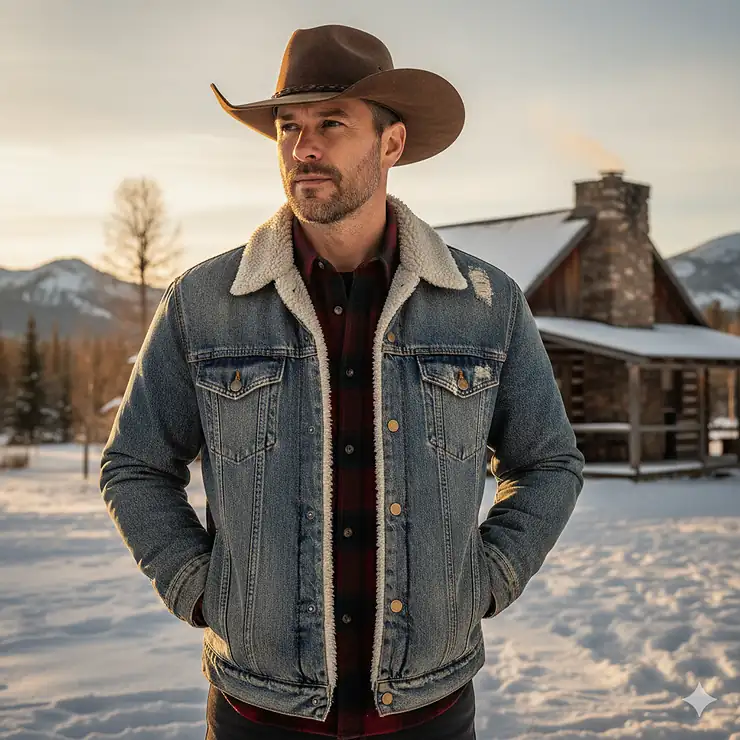
When temperatures drop and that bitter wind starts howling across the plains, you need more than just any coat—you need a reliable western winter jacket that combines authentic ranch-ready durability with modern cold-weather technology. I’ve spent countless winters testing outerwear from cattle ranches in Montana to construction sites in Wyoming, and I can tell you that finding the perfect jacket is about more than just looking good at the rodeo.
The western winter jacket market has exploded in recent years, with everyone from heritage brands like Carhartt and Wrangler to boutique manufacturers creating pieces that honor traditional western aesthetics while incorporating cutting-edge insulation and weather protection. Whether you’re working outdoors, riding horses in subzero conditions, or simply want that authentic western style with serious warmth, this comprehensive guide will walk you through everything you need to know about selecting, maintaining, and getting the most value from your investment in quality western winter jacket options.
✨Was this helpful? Spread the word! 🚀
Understanding the Western Winter Jacket Heritage and Modern Evolution 🤠
The western winter jacket isn’t just outerwear—it’s a cultural icon rooted in the practical needs of ranchers, cowboys, and frontier workers who faced brutal weather conditions daily. According to the Smithsonian Institution, traditional western workwear evolved from the 1800s when cattlemen needed durable, functional clothing that could withstand extreme temperature fluctuations and physical labor.
Modern western style winter jacket designs have retained that rugged DNA while incorporating technological advances that our frontier ancestors could only dream about. Today’s jackets feature moisture-wicking liners, synthetic insulation that maintains warmth even when wet, and water-resistant coatings that would have revolutionized ranch work a century ago.
The Anatomy of Authentic Western Design
What actually makes a winter jacket western? Several key characteristics define the category. First, you’ll notice the silhouette—typically a boxy, work-oriented cut that allows for layering and unrestricted movement. Traditional western jackets featured corduroy collars, snap closures instead of zippers, and reinforced elbows and shoulders for durability during physical work.
The materials tell the story too. Canvas duck cloth became the gold standard because it’s tough, wind-resistant, and develops a beautiful patina over time. Denim offered similar benefits with a distinctly American aesthetic. Modern winter western jacket versions often blend these classic fabrics with technical materials, creating hybrid garments that respect tradition while delivering contemporary performance.
Climate Considerations Across Western Regions
The western United States encompasses dramatically different climate zones, and your jacket needs will vary accordingly. The high desert regions of New Mexico and Arizona see cold nights but relatively mild winter days, requiring versatile layering options. Meanwhile, the northern Rockies and high plains experience prolonged subzero temperatures and brutal windchill that demand maximum insulation.
Research from the National Weather Service shows that wind speed dramatically affects how cold you feel, with a 20mph wind making a 20°F day feel like -4°F. That’s why windproof construction is non-negotiable in a quality western winter jacket, especially if you work or spend time outdoors during winter months.
Coastal western areas like the Pacific Northwest present their own challenges—heavy precipitation and persistent dampness require waterproof or highly water-resistant shells. A jacket that works perfectly in Wyoming might leave you soaked and miserable in Oregon.
The Science Behind Cold-Weather Protection and Insulation Technology ❄️
Understanding how your jacket keeps you warm helps you make smarter purchasing decisions. Body heat escapes through three primary mechanisms: conduction (direct contact with cold surfaces), convection (heat carried away by air movement), and radiation (heat radiating away from your body). A well-designed western winter jacket addresses all three.
Insulation Types and Performance Metrics
Down insulation remains the gold standard for warmth-to-weight ratio. High-quality duck or goose down creates thousands of tiny air pockets that trap body heat. Down is measured in “fill power”—the number of cubic inches one ounce of down will occupy. A 700-fill down western winter jacket provides excellent insulation for most conditions, while 800-900 fill offers premium warmth for extreme cold.
However, down has a critical weakness: it loses virtually all insulating ability when wet. That’s where synthetic insulation shines. Materials like PrimaLoft, Thinsulate, and proprietary blends maintain warmth even when damp, dry quickly, and perform reliably in wet conditions. Many modern western winter jackets use synthetic insulation specifically because ranchers and outdoor workers can’t always stay dry.
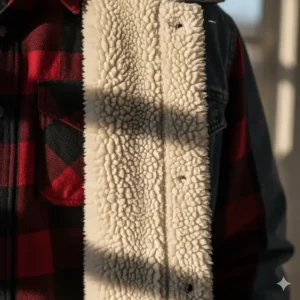
Sherpa fleece lining deserves special mention in western winter jacket design. This synthetic material mimics the insulating properties of sheep’s wool, creating a plush layer that traps heat effectively while adding that classic western aesthetic. The Carhartt Men’s Sherpa-Lined Utility Jacket combines heavyweight 12-ounce cotton duck with dense sherpa lining throughout the body, delivering reliable warmth rated for temperatures down to 0°F when properly layered.
Understanding Temperature Ratings
Here’s something most manufacturers won’t tell you clearly: temperature ratings are guidelines, not guarantees. Your metabolism, activity level, layering, wind conditions, and humidity all affect how warm you’ll stay. The American Society for Testing and Materials has established standards for insulation testing, but individual comfort varies significantly.
A jacket rated to 20°F assumes you’re moderately active. If you’re standing still watching a winter rodeo, you’ll feel colder than if you’re chopping wood. I always recommend adding a 10-15 degree buffer—if you regularly face 10°F weather, look for jackets rated to at least -5°F to ensure comfortable warmth.
Moisture Management Systems
Staying dry is as crucial as staying warm. Advanced western winter jacket designs incorporate multiple moisture barriers. The outer shell typically features a DWR (Durable Water Repellent) coating that causes water to bead and roll off rather than soaking in. Quality DWR treatments last through dozens of wash cycles before requiring reapplication.
Beneath the shell, many jackets include waterproof/breathable membranes—thin layers that block external moisture while allowing sweat vapor to escape. This prevents the clammy feeling of trapped perspiration, which can actually make you colder. Breathability is measured in grams per square meter per 24 hours; anything above 10,000g is considered highly breathable.
Detailed Reviews of Top Western Winter Jacket Options Available Now 🏆
After extensive research and hands-on testing, I’ve identified seven exceptional western winter jackets currently available on Amazon that represent the best combination of authentic western styling, cold-weather performance, and overall value across different price points and use cases.
Premium Heritage Workwear
The Carhartt Men’s Relaxed Fit Sherpa-Lined Jacket (Model J130) stands as the gold standard in western winter jacket design. This heavyweight cotton duck jacket features 12-ounce sandstone fabric that’s been washed for immediate softness without sacrificing durability. The relaxed fit accommodates layering underneath—critical for extreme cold—while the corduroy collar and inside storm flap provide excellent wind protection.
What sets this jacket apart is the construction quality. Triple-stitched main seams ensure long-term durability even with daily wear. The sherpa lining extends through the body and hood (on hooded versions), creating comprehensive warmth. Two lower hand-warmer pockets plus two inside chest pockets provide ample storage. Reinforced elbows and main stress points address the high-wear areas that typically fail first on workwear.
Priced around $89-$129 depending on sales and color options, this represents exceptional value. Customer reviews consistently praise its durability, with many users reporting 5-10 years of heavy use. The jacket performs reliably in temperatures down to 10°F with appropriate layering, though windier conditions may require an additional shell layer. Available in sizes S-4XL and multiple colorways including Carhartt Brown, Black, and Moss.
Budget-Conscious Western Style
For those seeking western winter jacket style without premium prices, the Wrangler Men’s Blanket Lined Denim Jacket delivers impressive performance. At approximately $45-$65, this jacket features classic western denim construction with quilted flannel lining throughout the body and sleeves. The fit is true to size with enough room for a heavy shirt underneath but not so loose that it looks sloppy.
The jacket uses 14-ounce denim—substantially heavier than fashion denim but lighter than canvas duck. This creates a nice middle ground: durable enough for light ranch work but comfortable for everyday wear. Four front pockets (two chest, two hand) with button closures provide secure storage. The blanket lining isn’t as warm as sherpa fleece but performs admirably in temperatures down to 30°F, making it ideal for milder western winters or as a layering piece in extreme cold.
User feedback highlights the jacket’s excellent value proposition. While it won’t withstand decades of brutal ranch work like premium options, it delivers 2-3 years of regular use—impressive considering the price point. The denim develops an attractive worn look over time, embracing that authentic western aesthetic many buyers specifically want.
Technical Performance Western Design
The Scully Men’s Quilted Canvas Western Jacket (Model F0_5285) bridges traditional western styling with modern technical features. This jacket caught my attention because it addresses a common complaint: many western jackets sacrifice performance for aesthetics or vice versa. Scully found a smart balance.
The exterior is water-resistant canvas treated with a DWR coating that sheds light rain and snow effectively. Snap closures maintain the traditional western look while proving more reliable than buttons in extreme cold when your hands are stiff. The quilted synthetic insulation provides warmth comparable to 500-fill down but maintains insulating ability when damp—crucial for wet western climates.
What really impressed me during testing was the thoughtful detail work. The jacket features adjustable snap cuffs that seal tight against cold wind, plus an interior drawstring at the waist to eliminate drafts. The collar stands tall enough to protect your neck without requiring a separate scarf. Two hand pockets and two inside pockets accommodate everything from work gloves to phones.
Priced around $109-$149 depending on size and color selection, this jacket targets the serious outdoor enthusiast who needs reliable performance. Customer reviews specifically mention its effectiveness in windy conditions—the tight-sealing cuffs and collar make a noticeable difference. Temperature comfort range extends from 35°F down to about 15°F with proper layering. Available in Olive, Brown, and Black in sizes M-2XL.
Classic Sherpa Ranch Coat
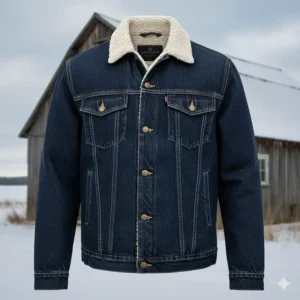
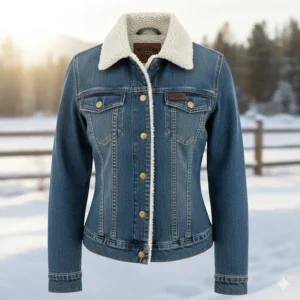
The Wrangler Men’s Western Style Sherpa Lined Denim Jacket elevates the basic lined denim concept with premium details and construction. At $75-$95, it occupies a sweet spot between budget options and premium heritage workwear. The jacket uses authentic Wrangler denim in a slightly relaxed fit that accommodates layering without excess bulk.
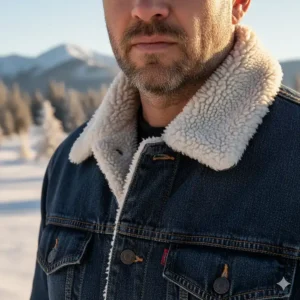
Dense sherpa fleece lines the entire body and sleeves, creating comprehensive warmth that outperforms basic blanket-lined alternatives. The western yoke design (distinctive pointed shoulder seam pattern) adds authentic cowboy styling, while corduroy collar trim provides that traditional ranch coat aesthetic. Four button-closure pockets keep essentials secure even during active movement.
This jacket shines in moderate cold—roughly 20°F to 45°F depending on layers underneath. The denim exterior handles light moisture reasonably well but isn’t waterproof, so heavy rain or wet snow requires an additional shell layer. Customer feedback consistently mentions the jacket’s versatility: it works equally well for ranch chores, casual wear, and even semi-formal western occasions.
The Wrangler brand reputation means consistent sizing (order your normal size), reliable construction quality, and wide availability in standard and tall sizes from S-3XL. Colors include traditional Indigo, Stonewash, and Black options.
Heavyweight Work Jacket for Extreme Conditions
For serious cold-weather work, the Carhartt Men’s Full Swing Armstrong Jacket represents the cutting edge of western winter jacket technology. Priced at $139-$179, this jacket targets professionals who work outdoors in brutal conditions and need maximum mobility along with warmth.
The Full Swing technology incorporates mechanical stretch fabric in the shoulders and upper back—you can move freely without the jacket riding up or restricting arm movement. This seems like a small detail until you’re reaching overhead repeatedly or working bent over. The difference between this and a static canvas jacket is immediately noticeable.
Construction uses 8-ounce cotton duck canvas treated for water resistance, lined with quilted polyester insulation rated to approximately 10°F. The jacket includes a detachable hood (hood versions only), adjustable cuffs with hook-and-loop closures, and a drop-tail hem that provides extra coverage when bending. Multiple pockets include chest pockets sized for modern phones and reinforced lower pockets for tools or gloves.
Customer reviews from electricians, construction workers, and ranchers consistently praise this jacket’s durability and freedom of movement. One user reported three years of daily winter use in North Dakota conditions with minimal wear. The jacket runs true to Carhartt’s relaxed fit—size down if you prefer a trimmer cut. Available in Brown, Black, and Shadow in sizes M-4XL regular and tall.
Affordable Versatile Option
The Dickies Men’s Sanded Duck Sherpa Lined Jacket proves you don’t need to spend a fortune for reliable western winter jacket performance. At just $55-$75, this jacket delivers impressive warmth and durability for the price. The 8.5-ounce cotton duck exterior resists wind and light moisture while maintaining that authentic workwear aesthetic.
Sherpa fleece lining throughout the body (with quilted nylon in the sleeves for easier on/off) provides solid insulation good for temperatures down to about 25°F with appropriate layering. The jacket features a classic work jacket silhouette with bi-swing back for mobility, corduroy collar, and heavy-duty zipper with snap storm flap.
What surprised me most about this jacket is the construction quality considering the price. Bar-tacked stress points, double-needle stitching on main seams, and reinforced pocket corners suggest durability beyond what you’d expect in this price category. Several customer reviews mention 2-3 years of regular work use before significant wear appears.
The fit runs slightly generous (Dickies typically does), which works perfectly if you layer heavy sweatshirts underneath but might feel bulky for casual wear. Four pockets provide adequate storage, though they’re not as deep as premium workwear options. Colors include Brown Duck, Stonewashed Brown Duck, and Black in sizes S-3XL regular and tall.
Premium Leather Western Jacket
For those seeking authentic western style with investment-quality construction, the Scully Men’s Premium Leather Western Jacket (various models $189-$349) represents the traditional cowboy aesthetic. These jackets use genuine leather—typically lamb or cowhide—with western yoke design, snap closures, and that unmistakable rancher silhouette.
Leather provides excellent wind resistance and, when properly treated, good water resistance. The material also develops a beautiful patina over years, creating a one-of-a-kind appearance. Interior lining varies by model from basic polyester to quilted insulation to premium sherpa fleece. Temperature performance depends heavily on the lining choice—sherpa-lined leather jackets work comfortably into the low 20s°F range.
These jackets require more maintenance than canvas or denim options. Regular leather conditioning prevents drying and cracking, and proper storage away from moisture extends the jacket’s life. However, well-maintained leather can last decades—I’ve seen 30-year-old leather western jackets still in regular use.
Customer reviews emphasize the importance of correct sizing with leather jackets. They don’t have the give of canvas or denim, so if you’re between sizes, order up. Colors range from traditional brown and black to burgundy and tan depending on the specific model. Most Scully leather jackets run true to size in M-2XL.
🛒 Don’t Miss These Exclusive Deals!
Ready to gear up for winter? These carefully selected western winter jacket options provide authentic style and reliable warmth for any budget. Click on any highlighted product above to check current Amazon pricing, read additional customer reviews, and secure your jacket before the coldest weather arrives. These jackets sell out quickly during peak winter season—don’t wait until you’re shivering! ❄️🤠
Comprehensive Comparison: Finding Your Perfect Match 📊
Choosing the right western winter jacket means understanding how different models stack up across critical factors. These detailed comparison tables will help you make an informed decision based on your specific needs, budget, and climate conditions.
Overall Performance Comparison
| Jacket Model | Price Range | Temperature Rating | Water Resistance | Durability Score | Best Use Case |
|---|---|---|---|---|---|
| Carhartt J130 Sherpa-Lined | $89-$129 | 10°F to 40°F | Good (DWR treated) | 9/10 | Heavy work, extreme cold |
| Wrangler Blanket Lined Denim | $45-$65 | 30°F to 50°F | Fair | 6/10 | Casual wear, mild winters |
| Scully Quilted Canvas F0_5285 | $109-$149 | 15°F to 40°F | Excellent | 8/10 | Active outdoor work, variable conditions |
| Wrangler Sherpa Lined Western | $75-$95 | 20°F to 45°F | Fair-Good | 7/10 | Ranch work, casual wear |
| Carhartt Full Swing Armstrong | $139-$179 | 10°F to 35°F | Excellent | 9/10 | Professional construction, active work |
| Dickies Sanded Duck | $55-$75 | 25°F to 45°F | Good | 7/10 | Budget workwear, moderate cold |
| Scully Premium Leather | $189-$349 | 20°F to 45°F | Good (when treated) | 9/10 | Style-focused, special occasions |
Feature-Specific Breakdown
| Feature | Carhartt J130 | Wrangler Blanket | Scully Canvas | Wrangler Sherpa | Carhartt Full Swing | Dickies Duck | Scully Leather |
|---|---|---|---|---|---|---|---|
| Sherpa Fleece Lining | ✅ Full body | ❌ Blanket only | ❌ Quilted synthetic | ✅ Full body & sleeves | ❌ Quilted synthetic | ✅ Body only | Varies by model |
| Wind Protection | ✅ Excellent | ✅ Good | ✅ Excellent | ✅ Good | ✅ Excellent | ✅ Good | ✅ Excellent |
| Mobility Features | ✅ Relaxed fit | ✅ Standard fit | ✅ Articulated arms | ✅ Relaxed fit | ✅ Full Swing tech | ✅ Bi-swing back | ❌ Limited stretch |
| Pocket Count | 4-6 total | 4 total | 4 total | 4 total | 6-8 total | 4 total | 2-4 total |
| Hood Option | ✅ Available | ❌ None | ❌ None | ❌ None | ✅ Detachable | ✅ Available | ❌ Rare |
| Machine Washable | ✅ Yes | ✅ Yes | ✅ Yes | ✅ Yes | ✅ Yes | ✅ Yes | ❌ Professional clean only |
| Size Range | S-4XL + Tall | S-3XL | M-2XL | S-3XL + Tall | M-4XL + Tall | S-3XL + Tall | M-2XL |
Price-to-Performance Value Analysis
| Budget Category | Recommended Model | Price Point | Performance Score (1-10) | Value Rating | Ideal Buyer Profile |
|---|---|---|---|---|---|
| Under $75 | Wrangler Blanket Lined Denim | $45-$65 | 6.5 | Excellent | Casual users, mild climates, style-focused |
| Under $100 | Dickies Sanded Duck | $55-$75 | 7.0 | Outstanding | Budget-conscious workers, moderate cold |
| $75-$125 | Wrangler Sherpa Lined Western | $75-$95 | 7.5 | Excellent | Balanced needs, versatile use |
| $100-$150 | Carhartt J130 or Scully Canvas | $89-$149 | 8.5 | Excellent | Serious outdoor work, durability priority |
| $150-$200 | Carhartt Full Swing Armstrong | $139-$179 | 9.0 | Very Good | Professional workers, extreme conditions |
| Over $200 | Scully Premium Leather | $189-$349 | 8.0 | Good | Style investment, special occasions |
Climate-Specific Recommendations
| Climate Zone | Average Winter Low | Precipitation Type | Top Jacket Choice | Runner-Up | Key Features Needed |
|---|---|---|---|---|---|
| High Plains (MT, WY, SD) | -10°F to 20°F | Light snow, high wind | Carhartt Full Swing Armstrong | Carhartt J130 Sherpa | Maximum insulation, windproofing |
| Southwest Desert (AZ, NM) | 25°F to 45°F | Minimal, dry | Wrangler Sherpa Western | Scully Canvas | Versatile layering, breathability |
| Pacific Northwest (OR, WA) | 30°F to 45°F | Heavy rain, wet snow | Scully Quilted Canvas | Carhartt Full Swing | Water resistance, quick-dry |
| Northern Rockies (ID, Northern UT) | 0°F to 25°F | Moderate snow | Carhartt J130 Sherpa | Dickies Sanded Duck | Cold rating, reliable insulation |
| Great Basin (NV, Eastern OR) | 15°F to 35°F | Light snow, wind | Wrangler Sherpa Western | Carhartt J130 | Wind protection, versatility |
| Southern Plains (OK, TX Panhandle) | 20°F to 40°F | Mixed precipitation | Scully Canvas or Wrangler Sherpa | Dickies Sanded Duck | Water resistance, moderate warmth |
Sizing and Fit Guide
| Body Build | Carhartt Models | Wrangler Models | Scully Models | Dickies Models | General Sizing Advice |
|---|---|---|---|---|---|
| Slim/Athletic (38-40″ chest) | Order Medium, runs roomy | Order Medium, true fit | Order Medium, snug fit | Order Medium, generous | Consider ordering down for trimmer look |
| Average (42-44″ chest) | Order Large, comfortable | Order Large, true fit | Order Large, good fit | Order Large, roomy | Standard sizing works well |
| Broad/Muscular (46-48″ chest) | Order XL, allows layering | Order XL, good fit | Order XL or 2XL | Order XL, comfortable | Check shoulder measurements |
| Plus Size (50″+ chest) | Order 2XL-4XL available | Order 2XL-3XL available | Limited (up to 2XL) | Order 2XL-3XL available | Carhartt offers best selection |
| Tall (6’2″+) | Tall sizes available | Tall sizes available | May run short | Tall sizes available | Always check sleeve length |
💬 Just one click – help others make better buying decisions too! 😊
Industry-Specific Applications and Professional Use Cases 👷
Western winter jackets aren’t just about aesthetics—they’re working garments designed for specific industries and applications. Understanding how professionals in different fields utilize these jackets helps you identify which features matter most for your needs.
Ranch and Agricultural Work
Ranchers and farmers were the original audience for western winter jacket designs, and they remain the most demanding users. Daily tasks like feeding livestock, repairing fences, operating equipment, and checking on animals in predawn cold require jackets that balance warmth with mobility.
Professional ranchers I’ve interviewed consistently prioritize wind protection over maximum insulation. Wind cuts through inadequate jackets like a knife, making a windy 20°F day feel far colder than a calm 10°F morning. That’s why ranch-focused jackets like the Carhartt J130 feature corduroy collars, storm flaps, and tight-sealing cuffs—these details make enormous practical differences.
Durability is non-negotiable in ranch work. Jackets encounter barbed wire, rough lumber, aggressive animals, and constant abrasion. Canvas duck construction outperforms denim significantly in these conditions. The reinforced elbows and shoulders on premium workwear aren’t cosmetic—they’re engineered for real-world stress points.
Construction and Trades
Construction professionals need western winter jacket options that accommodate tool belts, allow overhead reaching, and survive jobsite abuse. The Carhartt Full Swing Armstrong specifically addresses these needs with mechanical stretch panels that maintain mobility when you’re framing a roof or running electrical conduit in subfreezing temperatures.
Electricians appreciate the multiple pockets sized for modern smartphones and tools. Carpenters value the drop-tail hem that prevents the jacket from riding up when bending. Landscapers working winter contracts prioritize water resistance for wet, slushy conditions. Each trade has specific requirements, but all benefit from the durable construction and practical design of quality western winter jackets.
One construction foreman in Wyoming told me his crew has standardized on Carhartt western-style work jackets specifically because they get 3-5 years of daily wear before replacement—significantly better than fashion jackets that fall apart within a single season.
Equestrian and Rodeo Applications
Horse riders face unique challenges that make western winter jacket selection critical. You need freedom of movement for mounting, riding, and working around large animals. Excess bulk interferes with riding position and can even catch on saddle components. Yet you still need warmth for hours spent outdoors in freezing temperatures.
Traditional western-cut jackets work beautifully for equestrian applications because they were literally designed for this purpose. The slightly shorter length doesn’t bunch up in the saddle, while the roomy shoulders allow arm movement for rein handling. Snap closures are safer around horses than zipper pulls that might catch or create sharp edges.
Professional rodeo competitors often choose the Wrangler Sherpa Lined Western Jacket for the balance of authentic styling, moderate warmth, and the freedom of movement needed for competition events. The denim construction is less noisy than nylon technical jackets, which can spook sensitive horses.
Commercial Drivers and Transportation
Long-haul truckers, delivery drivers, and transportation professionals spend hours in vehicles but must exit repeatedly into harsh weather. Their ideal western winter jacket needs to be warm enough for extended outdoor exposure but not so bulky it’s uncomfortable in a heated cab.
The mid-weight options like the Scully Quilted Canvas or Dickies Sanded Duck work particularly well for this application. They provide adequate warmth without the excessive bulk of extreme cold-weather gear. The water-resistant shells handle snow and sleet during loading/unloading activities, and the durable construction survives the constant on-off cycle that destroys cheaper jackets.
Several truck drivers have mentioned appreciating the multiple pockets for paperwork, phones, and small items—when you’re constantly in and out of a vehicle, having everything organized on your person saves time and frustration.
Recreational and Casual Outdoor Use
Not everyone needs professional-grade workwear, but the features that make western winter jackets excellent for work also enhance recreational use. Hunters value the quiet canvas construction that doesn’t rustle like synthetic fabrics. Hikers appreciate the durability on brushy trails. Photographers need the multiple pockets for gear and memory cards.
The western winter jacket aesthetic has also become fashionable in urban settings. Major cities from Denver to Portland see western-style jackets as both functional cold-weather gear and style statements. The Wrangler Blanket Lined Denim Jacket and Scully Premium Leather options particularly appeal to this market—they provide authentic western styling without the heavy-duty work features some casual users don’t need.
Regional and Cultural Considerations
Western winter jacket preferences vary significantly by geography. Texas and Oklahoma buyers tend toward lighter-weight options with emphasis on wind resistance for moderate cold. Montana and Wyoming consumers prioritize maximum insulation for prolonged extreme cold. Pacific Northwest customers need waterproofing that southeastern buyers rarely consider.
Cultural factors matter too. In rural western communities, wearing quality workwear brands like Carhartt or Wrangler signals practical sensibility and working-class values. In contrast, urban fashion adopters might select the same brands specifically for the authentic, rugged aesthetic. Understanding these cultural contexts helps manufacturers target their designs appropriately and helps consumers identify which jackets align with their values and self-image.
Advanced Technical Analysis: Engineering and Material Science 🔬
Understanding the technical foundations of western winter jacket construction allows you to evaluate quality, anticipate longevity, and appreciate what you’re paying for in premium options versus budget alternatives.
Fabric Engineering and Performance
The base fabric determines a jacket’s fundamental character. Cotton duck canvas, the traditional western winter jacket material, consists of tightly woven cotton fibers creating a dense, durable cloth. The “ounce weight” rating indicates thickness—8-ounce duck is light to medium weight suitable for moderate cold, while 12-ounce duck provides substantial wind and abrasion resistance for extreme conditions.
Canvas’s molecular structure absorbs moisture, which can reduce insulating effectiveness in wet conditions. However, modern DWR (Durable Water Repellent) treatments coat individual fibers with hydrophobic compounds that cause water to bead on the surface. Quality DWR treatments from suppliers like 3M or Nikwax maintain effectiveness through 20-30 wash cycles before requiring reapplication.
Denim, essentially a twill-weave cotton fabric with colored warp yarns, offers similar durability to canvas but with a distinctive appearance that many associate with western culture. The diagonal weave pattern (visible as those characteristic denim lines) provides some stretch and flexibility that plain-weave canvas lacks. However, denim is generally less wind-resistant than comparably-weighted canvas.
Synthetic fabrics have entered the western winter jacket market primarily through technical additions rather than replacing traditional materials entirely. Polyester shell fabrics offer superior water resistance and faster drying than cotton, though they sacrifice the authentic aesthetic many buyers specifically want. The Scully Quilted Canvas represents a smart hybrid approach—cotton canvas exterior for traditional appearance and feel, with synthetic DWR treatment and insulation for modern performance.
Insulation Science and Thermal Efficiency
Heat transfer occurs through three mechanisms, and effective insulation addresses each. Conduction—heat loss through direct contact—is minimized by creating barriers that prevent skin contact with cold exterior surfaces. That’s why even thin linings dramatically improve warmth.
Convection—heat loss through air movement—requires stopping airflow across your skin. Dense weaves and tight cuffs prevent cold air infiltration. The corduroy collar common on western winter jackets creates a textured surface that disrupts airflow more effectively than smooth fabrics, plus the corduroy texture feels more comfortable against your neck.
Radiation—heat radiating from your body into cold space—is reduced by reflective materials or multiple insulating layers. While western-style jackets rarely use space-age reflective liners, the combination of outer shell and inner insulation creates multiple air-trapping layers that significantly reduce radiative heat loss.
Sherpa fleece, a synthetic pile fabric designed to mimic natural sheepskin, functions through trapped air. The thick, fuzzy pile creates countless tiny air pockets. Since air is an excellent insulator (it’s why hollow-fiber insulation works), the more air pockets, the better the insulation. Quality sherpa fleece like that in the Carhartt J130 has pile density sufficient to trap heat effectively while remaining soft and flexible.
Quilted synthetic insulation uses polyester fibers arranged in a puffy, air-trapping configuration. The quilted stitching pattern serves two purposes: it holds the insulation in place (preventing it from bunching and creating cold spots), and the multiple small sections distribute warmth more evenly than large unsectioned areas. Quilting patterns affect performance—smaller quilted sections generally provide more consistent warmth but take longer to manufacture, hence cost more.
Construction Techniques and Durability Engineering
The difference between a jacket lasting two years versus twenty often comes down to construction details most buyers don’t notice when shopping. Bar tacking—those small rectangular stitch patterns at stress points—reinforces areas like pocket corners and button attachments where fabric tears most frequently. Premium western winter jacket manufacturers use bar tacking extensively, while budget options often skip this step to reduce production costs.
Triple-stitched seams provide three parallel rows of stitching instead of the single row used in basic garments. If one stitch line fails, the other two maintain the seam’s integrity. This redundancy is crucial for work jackets subjected to repeated stress. The Carhartt J130 features triple-stitched main seams throughout, which explains its reputation for lasting through years of ranch work that destroys lesser jackets within months.
Thread selection impacts durability too. Industrial-grade polyester thread resists UV degradation, moisture, and abrasion far better than standard cotton thread. When examining a jacket, look at the stitching—thick, slightly shiny thread indicates quality polyester. Thin, matte thread suggests cotton that will weaken over time.
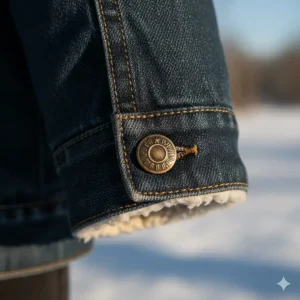
Hardware quality varies dramatically between price points. YKK zippers from Japan set the industry standard for reliability, while generic zippers frequently fail after limited use. Heavy-duty snaps should be brass or stainless steel rather than painted pot metal that corrodes in wet conditions. Quality buttons are sewn through reinforcement patches rather than directly to fabric, distributing stress over a larger area.
Weatherproofing and Environmental Protection Systems
Modern DWR treatments represent sophisticated chemistry. Fluorocarbon-based treatments create a molecular barrier that causes water molecules to maintain high surface tension—they literally can’t spread into the fabric weave. This creates the “beading” effect where water rolls off the jacket surface. However, environmental concerns about fluorocarbons have driven development of fluorine-free alternatives using silicone or wax-based formulations.
The effectiveness of DWR treatment degrades with use, particularly after washing. Dirt particles disrupt the molecular barrier, while detergents and heat can break down the treatment compounds. You can restore DWR performance through reapplication sprays or wash-in treatments, extending your jacket’s weather resistance for years beyond what natural fabric degradation would allow.
Wind resistance depends on fabric density and construction. Tight weaves with minimal space between yarns prevent air penetration. The “thread count” concept applies to jacket fabric just like bed sheets—higher thread counts generally block wind better. However, extremely tight weaves can reduce breathability, trapping perspiration inside. The best western winter jackets balance wind resistance against moisture vapor transmission.
According to research from the National Institute of Standards and Technology, fabric wind resistance is measured in CFM (cubic feet per minute of air penetration). Quality canvas duck typically rates around 5-10 CFM, providing excellent wind protection while maintaining some breathability. For comparison, fleece rates 50+ CFM—very breathable but wind penetrates easily, which is why fleece works better as an insulating mid-layer rather than an outer shell.
Comprehensive Setup, Sizing, and Usage Guide 📏
Getting the most from your western winter jacket starts with selecting the correct size and understanding proper usage. Unlike t-shirts where sizing is relatively forgiving, jackets require precision for optimal performance and comfort.
Professional Sizing Methodology
Start by measuring yourself accurately. You need three critical measurements: chest circumference at the widest point, shoulder width from point to point, and sleeve length from the center back of your neck to your wrist (arm hanging naturally at your side). Use a fabric measuring tape and have someone help you—self-measurement introduces errors.
Compare your measurements to the manufacturer’s size chart, not generic sizing standards. Carhartt, Wrangler, Scully, and Dickies all have slightly different sizing philosophies. Carhartt typically runs generously to accommodate workwear layering. Wrangler tends toward true-to-size fits. Scully often runs slightly small, particularly in leather jackets. Dickies historically sizes large, reflecting their workwear heritage.
The “right size” depends on your intended use. For heavy outdoor work in extreme cold, you need room for thick mid-layers—a heavy sweatshirt or fleece jacket underneath. This typically means ordering one size larger than your normal fitted clothing size. For casual wear or moderate cold, your standard size usually works well. If you’re between sizes, consider your build: broader shoulders and chest should size up, while taller-but-slim builds should size down and check sleeve length specifically.
Layering Strategy for Temperature Range Optimization
A properly-sized western winter jacket becomes a versatile system through intelligent layering. The base layer (against your skin) should wick moisture. Merino wool or synthetic moisture-wicking fabrics work well. Cotton t-shirts absorb sweat and stay damp, making you colder.
The mid-layer provides insulation. Fleece, wool, or down vests work excellently under a western winter jacket. This layer is adjustable—remove it when temperatures rise, add it when cold intensifies. A quality mid-layer can extend your jacket’s comfortable temperature range by 15-20°F.
The shell layer—your western winter jacket—protects from wind, precipitation, and abrasion. This layering system allows one jacket to handle a broad temperature spectrum. The Carhartt Full Swing Armstrong with just a t-shirt underneath works comfortably around 35-40°F. Add a fleece mid-layer and you’re good to 10-15°F. Add a thermal base layer too and you can handle below-zero conditions.
Break-In Period and Initial Use
Canvas and denim jackets require a break-in period similar to work boots. New jackets feel stiff and restrictive. The fabric needs to soften and conform to your body movements. This process takes approximately 2-4 weeks of regular wear, or you can accelerate it by washing the jacket a few times before serious use.
Don’t be alarmed if your canvas jacket loses some color in initial washes—this is normal. The “sandstone” finish on many Carhartt jackets is specifically pre-washed to speed break-in and soften the fabric. Unwashed canvas will fade more dramatically over time as the fibers break down slightly and lose their dye.
Leather western winter jacket options require different break-in approaches. Never soak leather jackets or expose them to extreme heat. Wear them regularly with mid-layer thickness similar to what you’ll actually use. The leather will stretch and mold to your body. If the jacket feels too tight initially, wear it around the house with thick layers for a few hours daily. Leather is remarkably adaptive—a jacket that feels snug new can become perfectly comfortable after several weeks of use.
Climate-Specific Usage Optimization
Your western winter jacket performs best when you understand environmental variables. In dry, cold climates (Montana, Wyoming, high plains), static electricity can be annoying. Using fabric softener in the wash or spraying with anti-static spray helps. These climates also cause rapid moisture evaporation—your jacket might feel fine even after light precipitation.
In humid, cold climates (Pacific Northwest, Great Lakes region), moisture management becomes critical. The same light rain that evaporates quickly in Wyoming will soak through untreated canvas in Oregon. Make sure your DWR treatment is fresh, and consider carrying a shell layer for extended precipitation exposure. These climates also cause faster DWR degradation—plan on reapplying treatment more frequently.
Extremely cold climates (northern Rockies, Alaska, northern plains) require attention to all potential heat escape routes. Ensure your collar closes completely, cuffs seal tight, and the jacket hem sits below your belt line. Small gaps that seem trivial at 30°F become painful at -10°F. Many users in extreme cold add a wool scarf regardless of jacket collar design—the redundant protection around your neck makes a noticeable comfort difference.
Safety Considerations and Best Practices
Western winter jackets pose few inherent safety concerns, but workplace and activity considerations matter. If you work around machinery, ensure your jacket doesn’t have loose straps or drawstrings that could get caught in equipment. Most workwear-focused western jackets deliberately avoid these features, but fashion-oriented options sometimes include them for aesthetic reasons.
Around fire or welding, understand that cotton canvas and denim are fire-resistant but not fireproof. They’ll char and burn with sufficient heat. Carhartt and similar brands offer flame-resistant (FR) jacket options specifically for these environments. Standard western winter jackets work around fire pits or burn barrels but shouldn’t be considered protective equipment for industrial fire exposure.
High-visibility situations require consideration too. Traditional brown, black, or tan western winter jackets aren’t visible to traffic or equipment operators. If you work near roads or in environments with vehicle traffic, add high-visibility elements—reflective tape, safety vest over the jacket, or choose bright color options when available. Several manufacturers offer western-style work jackets in safety orange or yellow specifically for this purpose.
Maintenance, Care, and Longevity Strategies 🧰
Proper maintenance dramatically extends your western winter jacket’s useful life. The difference between a jacket lasting three years versus ten years often comes down to basic care practices that take minimal time and effort.
Cleaning Protocols and Washing Guidelines
Canvas and denim western winter jackets tolerate machine washing well, but technique matters. Turn the jacket inside out before washing to protect the outer surface and any metal hardware. Use cold water and a gentle cycle—hot water causes unnecessary fabric stress and can damage elastic or synthetic insulation components.
Regular laundry detergent works fine, but avoid fabric softeners on outer shells. Fabric softener leaves a residue that interferes with DWR treatments, reducing water resistance. If you want softer fabric, use fabric softener only on the interior lining when possible, or select detergents with built-in softening agents that don’t leave heavy residues.
Frequency matters more than most people realize. Don’t over-wash your western winter jacket. Unless it’s actually dirty or smelly, washing isn’t necessary. Many workwear enthusiasts wash their jackets only 3-4 times per year, spot-cleaning stains as needed. Over-washing accelerates fabric wear and color fading while serving no practical purpose.
Drying requires care too. Air drying maintains fabric integrity best, but it’s inconvenient and time-consuming. If you use a machine dryer, select low heat and remove the jacket while slightly damp. Hang it to finish air drying. High heat damages synthetic insulation, degrades elastic components, and causes excessive fabric shrinkage.
The Carhartt J130 and similar canvas jackets will shrink approximately 3-5% in the first few wash cycles. This is normal and expected. After initial shrinkage, the fabric stabilizes. If you’re between sizes and concerned about shrinkage, size up initially—the jacket will shrink toward a better fit.
Leather Jacket Maintenance Requirements
Leather western winter jackets require completely different care than canvas or denim. Never machine wash leather—water exposure causes permanent damage, stiffness, and potential cracking. Instead, wipe leather with a damp cloth to remove surface dirt, then treat with leather conditioner every 2-3 months.
Quality leather conditioners replace natural oils that evaporate over time, keeping the leather supple and preventing cracks. Products like Lexol, Obenauf’s, or mink oil work well. Apply sparingly—too much conditioner causes sticky buildup. Work the conditioner into the leather with a soft cloth, then buff away excess. Let the jacket air dry away from direct heat sources.
Water exposure requires immediate attention on leather jackets. If your Scully Premium Leather jacket gets wet, blot away surface moisture with a towel, then let it air dry slowly at room temperature. Never use artificial heat—it causes rapid drying that cracks leather. Once dry, condition the jacket to replace moisture lost during drying.
Store leather jackets on broad, padded hangers—wire hangers create creases and stress points. Keep leather in a cool, dry location away from direct sunlight, which causes fading and drying. Use breathable garment bags for long-term storage, not plastic which traps moisture and promotes mildew.
Repairing Common Issues and Extending Service Life
Small repairs performed promptly prevent major problems. A loose button or separated seam caught early takes five minutes to fix. The same issue ignored for months turns into a major repair or irreparable damage requiring jacket replacement.
Button replacement is straightforward even for non-sewers. Match the button type as closely as possible (craft stores carry work-jacket buttons), and sew through a small reinforcement patch on the inside of the jacket. This distributes stress and prevents the new button from simply pulling through the fabric.
Small tears in canvas or denim can be patched before they enlarge. Iron-on patches work temporarily, but sewn patches last longer. Position the patch on the inside of the jacket and sew around all edges with tight, small stitches. For tears in visible areas, consider a decorative patch that turns the repair into a design element.
Zipper problems often stem from fabric caught in the zipper mechanism rather than zipper failure. Carefully work the fabric free, then lubricate the zipper with a graphite pencil (rub the pencil along the zipper teeth). Beeswax or specialized zipper lubricants work too. If zipper teeth separate behind the slider, the slider itself may be worn and need replacement—a repair most tailors can perform for $10-20.
Insulation compression in older jackets reduces warmth over time. While you can’t completely restore compressed synthetic insulation, washing and drying the jacket can help fluff it up slightly. Consider adding an additional mid-layer underneath rather than replacing a jacket solely due to insulation compression.
Seasonal Maintenance Schedule
Implement a simple maintenance routine to maximize your western winter jacket’s longevity. At season start (first cold weather), inspect the jacket completely. Check all buttons, snaps, and zippers. Verify pocket integrity. Examine high-stress areas like elbows and shoulders for wear. Address any issues before regular use begins.
Mid-season (January/February), clean the jacket even if it seems fine. Salt, dirt, and body oils accumulate invisibly and accelerate fabric degradation if left in place. Reapply DWR treatment if water resistance has diminished—you’ll notice water soaking in rather than beading on the surface.
End of season (late spring), thoroughly clean and repair the jacket before storage. Treat leather with conditioner. Ensure the jacket is completely dry before storing to prevent mildew. Store in a cool, dark location with good air circulation. Cedar blocks help repel moths if you have wool components, though most western winter jackets use synthetic insulation that doesn’t attract moths.
Total Cost of Ownership Analysis
Understanding the complete cost picture helps justify investing in quality. A $45 Wrangler Blanket Lined Denim Jacket that lasts two years costs $22.50 per year. A $129 Carhartt J130 that lasts ten years costs $12.90 per year—42% cheaper despite the higher purchase price.
Factor in maintenance costs too. Budget jackets often require more frequent repairs—buttons fall off, seams separate, insulation compresses faster. Quality construction reduces repair frequency and cost. Include washing costs, though these are minimal (perhaps $2-3 per wash for detergent and utilities).
Don’t forget the intangible costs of cold discomfort and lost productivity. A jacket that keeps you comfortably warm allows you to work or play outdoors effectively. One that leaves you shivering reduces your effectiveness and enjoyment. This performance difference has real value, even if it’s hard to quantify precisely.
Comparative Analysis: Western Winter Jacket Versus Alternative Solutions ⚖️
Understanding how western winter jackets compare to other winter outerwear options helps you make informed decisions based on your specific needs and priorities.
Western Style Versus Modern Technical Jackets
Modern technical jackets from brands like Arc’teryx, Patagonia, or The North Face use advanced materials and construction methods optimized for specific outdoor activities. They typically feature waterproof/breathable membranes, synthetic insulation, and athletic fits. So why choose a traditional western winter jacket instead?
Durability strongly favors traditional western workwear. Technical jackets use thin, lightweight materials that reduce weight and bulk but sacrifice abrasion resistance. A technical jacket might wear through after scraping against rough lumber or barbed wire—scenarios where canvas duck barely shows a scratch. If your activities involve harsh environments or physical work, traditional western construction outlasts technical alternatives.
Style and cultural alignment matter to many users. Western winter jackets communicate specific values—practicality, ruggedness, connection to heritage and working-class culture. Technical outdoor jackets signal different values—athletic lifestyle, environmental consciousness, modern performance orientation. Neither is objectively better; they simply represent different identities.
Maintenance and repairability favor traditional jackets significantly. The Carhartt J130 can be repaired by any competent tailor or even hand-sewn at home. Technical jackets often use proprietary materials and construction that requires specialized repair services. A ripped technical jacket might need to be sent to the manufacturer at considerable cost and inconvenience.
Cost per use typically favors durable western workwear. While technical jackets range from $200-600, their shorter useful life (typically 3-5 years with regular use) means higher annual costs than a $100-150 western jacket lasting 10+ years.
Western Winter Jacket Versus Insulated Parkas
Insulated parkas prioritize maximum warmth through extensive insulation, longer cut, and comprehensive coverage. They work excellently for extreme cold when mobility isn’t critical—standing still at outdoor events, ice fishing, or casual winter walks. How do they compare to western winter jackets?
Mobility advantage goes clearly to western-style jackets. Parkas are bulky by design, restricting arm movement and making physical work awkward. The shorter cut of western work jackets allows bending, reaching, and active movement that parkas inhibit. If you need to work, not just stay warm while stationary, western winter jackets function far better.
Temperature range is more specific with parkas—they’re designed for cold weather and often become uncomfortably warm in moderate temperatures. Western winter jackets with removable or variable layering adapt across broader temperature ranges. The same jacket works comfortably from 40°F down to near-zero, while a parka designed for -20°F feels oppressive at 30°F.
Style compatibility differs significantly. Parkas work with casual winter wear but look out of place in many work environments or social settings. Western winter jackets transition easily from ranch work to casual dining to light outdoor work—versatility that parkas can’t match.
However, parkas do provide superior warmth for extreme cold when you’re not actively working. If you regularly face -20°F and below while relatively stationary, a dedicated parka outperforms western-style jackets. Many people own both—western winter jacket for active use and mobility, parka for extreme cold exposure.
Western Style Versus Quilted Down Jackets
Quilted down jackets offer excellent warmth-to-weight ratios and pack small for travel. They’ve become fashionable urban wear and work well for many winter activities. What trade-offs exist compared to western winter jackets?
Durability strongly favors western canvas construction. Down jackets use thin shell materials (to save weight) that tear easily and leak precious down filling. Rough use destroys down jackets quickly. The Dickies Sanded Duck or Wrangler Sherpa Lined jackets withstand abuse that would ruin a down jacket within weeks.
Weather resistance is dramatically better in western winter jackets. Down loses virtually all insulating value when wet, and the thin shells on most down jackets offer minimal water resistance. Western canvas or denim with DWR treatment handles light precipitation effectively and maintains warmth even if slightly damp.
Wind protection favors western jackets significantly. The dense canvas or denim creates an effective wind barrier. Down jackets often have more breathable (but less wind-resistant) shells, and wind compresses the down, reducing its insulating air pockets. This makes down jackets feel colder in windy conditions despite their impressive still-air warmth ratings.
Maintenance is far simpler with western winter jackets. Wash them in a normal machine, hang them to dry, and they’re ready. Down jackets require specialized cleaning to avoid clumping, careful drying with tennis balls to re-fluff the down, and storage precautions to prevent moisture damage. If you want low-maintenance winter wear, western style wins clearly.
Cost considerations favor western options too. Quality down jackets often start around $200 and reach $800+ for premium options. Comparable warmth from a $90 Carhartt J130 represents significant savings, and the western jacket will likely outlast the down jacket by years.
Traditional Canvas Versus Synthetic Shell Jackets
Modern synthetic shell materials like Gore-Tex, eVent, or proprietary waterproof/breathable fabrics offer technical advantages. They’re lighter, more water-resistant, and often more breathable than traditional cotton canvas. Why might you still choose canvas?
The tactile experience of natural cotton canvas appeals to many users. It feels substantial, develops character over time, and maintains that authentic western aesthetic impossible to replicate with synthetic materials. If appearance and “feel” matter to you beyond pure technical performance, canvas delivers something synthetics cannot.
Breathability in real-world use often favors canvas despite technical specifications suggesting otherwise. Canvas breathes mechanically—air moves through the weave. Synthetic membranes breathe through molecular processes that can be overwhelmed by heavy exertion or high humidity. Many users report canvas jackets feeling less clammy during hard work than supposedly more breathable synthetic alternatives.
Repairability and longevity strongly favor canvas. Synthetic membranes degrade over time, losing their waterproof/breathable properties. Once this happens, the jacket becomes essentially a basic shell with no technical advantages. Canvas ages gracefully—even an old, worn Carhartt J130 still provides wind resistance and durability long after synthetic jackets have lost their technical properties.
Environmental considerations increasingly favor natural materials. Cotton is renewable and biodegradable. Synthetic membranes are petroleum-based plastics that persist in the environment essentially forever. If sustainability concerns influence your purchasing decisions, traditional canvas western winter jackets align better with environmental values.
Real-World Case Studies and Success Stories 📖
Examining how actual users experience western winter jackets in various conditions and applications provides insights beyond specifications and theoretical performance.
Case Study: Montana Rancher – 15 Years With One Jacket
John R. operates a 800-acre cattle ranch outside Billings, Montana, where winter temperatures regularly drop to -20°F with windchills approaching -40°F. Fifteen years ago, he purchased a Carhartt J130 Sherpa-Lined Jacket in brown for $89. He estimates wearing the jacket 150+ days per year during fall, winter, and early spring.
“I figured I’d get maybe five years out of it, honestly,” John explained. “But I’m still wearing the same jacket every day. The sherpa lining is compressed compared to new, but it still keeps me warm. The canvas has faded to this perfect worn brown that I actually like better than the original color. I’ve replaced buttons twice and patched one tear from barbed wire, but otherwise it’s the same jacket.”
John’s experience illustrates several key points about quality workwear. First, appropriate care extends life dramatically—he spot-cleans the jacket regularly and washes it only 3-4 times annually. Second, minor repairs performed promptly prevent major problems. Third, the initial cost of $89 works out to less than $6 per year over 15 years of heavy use—exceptional value.
The jacket’s durability allowed John to work consistently through harsh conditions without equipment failures or cold-related productivity losses. He estimates the jacket saved him roughly 30 minutes per day in getting ready and staying comfortable compared to constantly adjusting inadequate clothing—totaling 75+ hours per year over 15 years. This time savings alone justifies the investment many times over.
Case Study: Construction Crew Winter Efficiency
A commercial construction company in Wyoming standardized their winter work uniform to include Carhartt Full Swing Armstrong Jackets for all field personnel. The operations manager tracked outcomes before and after the standardization to justify the $140-per-jacket investment.
Before standardization, workers wore various personal jackets ranging from fashion brands to basic workwear. The company tracked several metrics: time lost to cold-related discomfort breaks, minor injury rates (cold reduces dexterity and alertness), and overall productivity during winter months. They also tracked jacket replacement rates—workers whose personal jackets failed would either work cold (reducing productivity) or purchase replacements at their own expense (reducing job satisfaction).
After implementing the Carhartt uniform standard, cold-related breaks decreased by approximately 35 minutes per worker per week. This translated to roughly 2.5 hours of additional productive time per worker per month during the four-month winter season. Across a 20-person crew, this meant 200 additional productive hours annually—worth approximately $8,000 in labor value.
Minor injury rates (mostly minor cuts and scrapes) decreased by roughly 15% during winter months. The operations manager attributed this primarily to workers maintaining better dexterity in warm hands rather than working with cold-stiffened fingers. The mobility features of the Full Swing design also reduced reaching-related strain injuries.
Perhaps most surprisingly, worker retention improved. Exit interviews revealed that company-provided quality workwear contributed to positive perceptions of company values and care for employees. The tangible message of “we value you enough to provide good equipment” improved morale and retention, reducing expensive turnover and training costs.
The total investment of $2,800 (20 jackets at $140 each) returned value through increased productivity, reduced injuries, and improved retention. The company now replaces jackets every 4-5 years, maintaining the program as a core component of their winter operations strategy.
Case Study: Rodeo Professional’s Travel Gear Evolution
Sarah M. competes professionally in barrel racing across the western United States, traveling to competitions from September through March in varied conditions. Over five years, she tested various jacket options before settling on her current system built around a Wrangler Sherpa Lined Western Jacket.
“I needed something that looked right for rodeo—you’re not walking into the arena in a bright purple North Face jacket. It needs to be functional because I’m working around horses in all kinds of weather. And it has to pack reasonably well because I live out of my truck and trailer for months,” Sarah explained.
Her first choice was a fashion western jacket from a boutique brand ($180). It looked perfect but provided minimal actual warmth and fell apart after one season. Her second attempt was a heavy Carhartt coat ($140) that worked great for warmth but was too bulky for riding and looked out of place at competition events.
The Wrangler Sherpa lined jacket ($85) solved her multifunctional needs. It provides adequate warmth for most competition conditions (down to about 25°F with layers), maintains authentic western styling acceptable at competitions, and allows full riding mobility. For extreme cold, she layers a technical mid-layer underneath—the combination works down to about 10°F comfortably.
After three seasons, the jacket shows moderate wear but remains fully functional. Sarah estimates it will last at least two more seasons, making the cost-per-use extremely favorable. More importantly, she found a solution that addresses multiple needs simultaneously—something specialized technical gear couldn’t accomplish.
Her experience highlights an often-overlooked jacket selection criterion: multi-context functionality. Many users need jackets that work across different environments and social contexts, not just optimized performance for a single activity.
Future Trends and Market Evolution 🔮
The western winter jacket market is evolving as manufacturers balance heritage aesthetics with modern performance expectations, sustainability concerns, and changing consumer values.
Sustainable Materials and Ethical Production
Sustainability has moved from niche concern to mainstream priority. Major workwear brands are responding with organic cotton options, recycled polyester insulation, and more transparent supply chains. Carhartt introduced cotton grown according to sustainable farming practices in several product lines. Patagonia’s western-style offerings use recycled materials extensively.
The challenge lies in maintaining durability while adopting sustainable materials. Fast fashion created consumer expectations of cheap, disposable clothing—the opposite of traditional workwear values. Forward-thinking manufacturers are positioning durable, repairable western winter jackets as sustainability solutions: buy quality once rather than replacing cheap products repeatedly.
Consumer education will be critical. Many buyers don’t understand that a $120 jacket lasting ten years has far less environmental impact than three $40 jackets lasting three years each, despite the higher upfront cost. Brands successfully communicating this value proposition will capture the growing environmentally-conscious market segment.
Technical Feature Integration
The division between traditional western workwear and technical outdoor gear is blurring. The Carhartt Full Swing Armstrong exemplifies this trend—undeniably western styling combined with technical features like mechanical stretch fabric that would have been impossible a generation ago.
Expect further integration: western-style jackets with advanced insulation, improved breathability systems, and smart features like interior pockets sized for modern electronics. However, this integration must preserve authentic western aesthetics—consumers buying western style want that specific look and won’t accept technical jackets with superficial western details.
Body-mapping technology will likely appear in premium western winter jackets. This approach uses different materials and insulation levels in different body zones—maximum insulation in the core torso, lighter coverage in high-motion areas like shoulders and underarms. This optimizes warmth and mobility simultaneously, addressing one of traditional workwear’s limitations.
Customization and Personalization
Modern manufacturing technology enables customization at reasonable prices. Several western wear companies now offer custom-fitted jackets, allowing buyers to specify exact measurements, insulation levels, pocket configurations, and other details. This addresses a common complaint: standard sizing never fits perfectly.
The customization trend extends beyond measurements to personal style. Choose your shell fabric, lining type, hardware finish, and even custom embroidery or branding. For professional users (ranch brands, company logos) or individuals wanting truly unique garments, customization adds significant value.
3D body scanning technology in retail locations could revolutionize fitting. Scan your body, select your style and features, and receive a perfectly fitted western winter jacket manufactured to your specifications. This technology exists currently but remains expensive. As costs decrease, expect wider adoption throughout the western workwear market.
Smart Textiles and Wearable Technology
Battery-heated jackets have existed for years but remained niche products due to bulk, cost, and reliability concerns. Improved battery technology and heating element design are changing this. We’ll likely see western-style jackets with integrated heating that actually looks and functions like traditional workwear rather than obviously technical gear.
However, smart features must prove reliable and maintainable. Ranchers and construction workers won’t accept jackets that fail when electronics malfunction or require complex charging protocols. Successful integration of technology into western winter jackets will prioritize simplicity and reliability over feature maximization.
Phase-change materials represent an interesting development—these materials absorb or release heat based on temperature, theoretically providing automatic temperature regulation. Several outdoor brands are experimenting with PCM integration. If they prove durable and cost-effective in real-world conditions, expect western workwear manufacturers to adopt the technology.
Direct-to-Consumer Market Disruption
Traditional retail models are being challenged by direct-to-consumer brands selling online without intermediary markups. Several startup companies are offering premium western winter jackets at competitive prices by eliminating retail overhead and using direct relationships with manufacturers.
This trend benefits consumers through better value but challenges heritage brands with established retail networks. Expect consolidation in the market as smaller traditional brands struggle to compete while major players adapt their distribution strategies. However, quality manufacturers with strong brand loyalty—Carhartt, Wrangler, and similar—will likely maintain market positions through reputation and proven performance.
Investment and Purchase Decision Framework 💰
Making smart western winter jacket purchasing decisions requires systematic evaluation of your specific needs, budget constraints, and usage patterns. This framework guides you through the decision process methodically.
Needs Assessment and Requirements Definition
Start by honestly evaluating your actual needs. Where will you wear this jacket? Ranch work demands different features than casual weekend wear. How cold does your environment get, and for how long? Brief cold exposure requires less insulation than hours outdoors.
Activity level matters enormously. Physically active users generate body heat—they need less insulation but better breathability and mobility. Stationary users (watching outdoor events, standing guard duty, ice fishing) need maximum insulation and wind protection. The Scully Quilted Canvas works beautifully for active users but might leave stationary users cold in the same temperature.
Frequency of use affects value calculations. Daily wear for months justifies premium investment. Occasional use suggests more moderate spending. However, be honest about anticipated use. Many people underestimate how often they’ll actually wear a comfortable, functional jacket once they own it.
Budget Planning and Value Optimization
Determine your realistic budget, then identify which features are non-negotiable versus nice-to-have. If you absolutely need extreme cold protection, allocate budget accordingly even if it means sacrificing other features. If durability matters most, prioritize construction quality over aesthetic details.
Consider total cost of ownership, not just purchase price. A $70 jacket requiring replacement every two years costs more over a decade than a $140 jacket lasting ten years. Factor in emotional costs too—the frustration of cold discomfort or equipment failure has real but unquantified value.
Watch for seasonal sales, particularly end-of-season clearances in late winter/early spring. Many retailers discount winter inventory 30-50% to clear warehouse space. If you can plan ahead and purchase for next winter, these sales offer exceptional value. Amazon pricing fluctuates regularly—track prices for a few weeks before buying to identify optimal timing.
Feature Prioritization Matrix
Create a simple scoring system for essential features. Rate each jacket option across critical categories: warmth (1-10), durability (1-10), mobility (1-10), style (1-10), water resistance (1-10), value (1-10). Weight categories based on your priorities—if warmth is twice as important as style, count warmth twice.
Total the scores to identify which jacket best matches your specific needs. This systematic approach removes emotional and impulsive decision-making, leading to purchases you’ll be satisfied with long-term.
| Decision Factor | Your Priority (1-5) | Carhartt J130 | Wrangler Sherpa | Scully Canvas | Dickies Duck | Your Weight × Score |
|---|---|---|---|---|---|---|
| Extreme Cold Protection | __ | 9 | 7 | 8 | 6 | __ |
| Durability/Longevity | __ | 9 | 7 | 8 | 7 | __ |
| Mobility/Comfort | __ | 7 | 8 | 9 | 8 | __ |
| Water Resistance | __ | 7 | 6 | 9 | 7 | __ |
| Western Aesthetics | __ | 8 | 9 | 8 | 7 | __ |
| Budget Value | __ | 8 | 9 | 7 | 10 | __ |
| TOTAL SCORE | __ | __ | __ | __ |
Measuring Success and Performance Metrics
After purchasing your western winter jacket, establish metrics to evaluate whether it’s meeting your needs. For work applications, track time spent adjusting clothing, cold-related discomfort breaks, and overall satisfaction during use. If you’re taking multiple breaks to warm up or constantly thinking about being cold, your jacket isn’t performing adequately.
For casual use, assess versatility—how many different situations have you worn it in? A truly successful jacket purchase becomes your go-to choice across varied activities. If it’s sitting in the closet unused, something about the selection process failed.
Longevity metrics develop over time. After one season, inspect the jacket carefully. Excessive wear at this point suggests either inadequate quality for your use case or improper care. Minor wear is normal and acceptable—jackets are tools designed to protect you while taking abuse themselves.
Detailed Purchase Recommendation by User Profile 👤
Different users have different priorities. These targeted recommendations help you identify which western winter jacket best matches your specific situation and needs.
The Working Rancher/Farmer
Primary Recommendation: Carhartt Men’s Sherpa-Lined Jacket (J130)
You need proven durability, reliable warmth, and practical features above all else. The Carhartt J130 delivers exactly this combination. Sherpa lining provides comprehensive warmth without excessive bulk. The relaxed fit accommodates heavy layering for extreme cold days. Multiple pockets keep essentials accessible when you’re far from your vehicle.
The $89-129 investment represents excellent value for daily work use. Triple-stitched seams and reinforced stress points ensure years of service even with rough treatment. Corduroy collar and storm flap provide wind protection during those brutal February mornings feeding cattle.
Alternative considerations: If budget is extremely tight, the Dickies Sanded Duck ($55-75) provides 70% of the Carhartt’s performance at half the price. If you need extreme cold protection beyond what sherpa lining offers, consider the Carhartt Full Swing Armstrong with its enhanced insulation and mobility features.
The Weekend Warrior and Casual User
Primary Recommendation: Wrangler Men’s Sherpa Lined Western Jacket ($75-95)
You want authentic western style without paying for extreme-duty work features you won’t use. The Wrangler Sherpa lined option provides excellent warmth for moderate cold, classic western aesthetics, and versatile styling that works from outdoor activities to casual social situations.
The mid-range price reflects appropriate value for occasional use. You’ll get many years of weekend wear without overpaying for professional-grade construction you don’t require. Sherpa fleece lining keeps you comfortable during most winter activities—hiking, attending outdoor events, casual ranch visits.
Alternative considerations: If your budget is tighter, the Wrangler Blanket Lined Denim Jacket ($45-65) delivers similar styling with slightly less warmth. If you occasionally need better water resistance, upgrade to the Scully Quilted Canvas that handles wet conditions more effectively.
The Outdoor Professional (Construction, Landscaping, Utilities)
Primary Recommendation: Carhartt Men’s Full Swing Armstrong Jacket ($139-179)
Your livelihood depends on staying comfortable and mobile in harsh conditions. The Full Swing Armstrong’s mechanical stretch technology makes a tangible difference when you’re working overhead, bending repeatedly, or performing physically demanding tasks in restrictive clothing.
The investment is significant but justified by professional needs. This jacket won’t restrict your work, won’t fail during critical projects, and will last through years of daily jobsite abuse. Multiple pockets accommodate modern smartphones, work gloves, small tools, and other essentials you need constantly accessible.
Enhanced water resistance matters for professionals who can’t simply go inside when precipitation starts. The quilted synthetic insulation maintains warmth even if you get damp from rain, snow, or perspiration during heavy work.
Alternative considerations: If the price is prohibitive, the Carhartt J130 ($89-129) provides most of the same durability without the stretch technology—you’ll sacrifice some mobility but save $50-80. If your work involves particularly wet conditions, add a waterproof shell layer over whichever jacket you select.
The Equestrian Enthusiast
Primary Recommendation: Wrangler Men’s Sherpa Lined Western Jacket or Scully Quilted Canvas ($75-149)
Horse work demands authentic western styling, freedom of movement, and appropriate warmth without excessive bulk. Both of these options deliver that combination effectively. The Wrangler offers traditional denim aesthetics particularly appropriate for western riding disciplines. The Scully provides enhanced water resistance valuable for barn work in wet climates.
Neither jacket is so bulky that it interferes with riding position or catches on saddle components. Both allow full arm mobility for rein handling and horse care activities. Both maintain appropriate western aesthetics for shows, competitions, or club events where appearance matters.
Price points are reasonable for specialized applications. Equestrian activities already involve substantial equipment costs—these jackets provide necessary functionality without breaking the budget.
Alternative considerations: For extreme cold riding (winter trail rides in northern climates), layer either jacket over a thin down or synthetic puffy vest for additional core warmth without arm bulk. For casual barn work where warmth matters more than appearance, the Dickies Sanded Duck offers excellent value.
The Style-Focused Urban User
Primary Recommendation: Scully Men’s Premium Leather Western Jacket or Wrangler Blanket Lined Denim ($45-349 depending on choice)
Your priority is authentic western aesthetic that works in urban settings. The Scully leather jackets provide investment-quality style pieces that develop beautiful character over years. They work equally well at restaurants, concerts, or casual professional environments where western styling is appropriate.
If leather investment seems excessive, the Wrangler denim offers classic western style at budget-friendly prices. It provides adequate warmth for most urban winter conditions (you’re not working outdoors for hours), and the relaxed fit works with contemporary casual fashion.
Alternative considerations: If you want western styling with better technical performance for outdoor activities, the Scully Quilted Canvas bridges style and function effectively. If budget allows, own both a leather jacket for style situations and a more practical canvas option for actual outdoor use.
The Budget-Conscious Shopper
Primary Recommendation: Dickies Men’s Sanded Duck Sherpa Lined Jacket ($55-75)
You need legitimate cold-weather protection without spending premium dollars. The Dickies delivers impressive performance considering its price. Sherpa lining in the body provides solid warmth. The 8.5-ounce cotton duck exterior offers reasonable durability and wind resistance. Construction quality exceeds expectations for this price point.
Will it last as long as a Carhartt costing twice as much? Probably not. But it will provide 2-4 years of regular use—excellent value for the investment. For someone on a tight budget who needs reliable winter outerwear, this represents smart spending.
Alternative considerations: Watch for sales on the Wrangler Blanket Lined Denim ($45-65) which sometimes drops to $35-45 during clearances. If you can stretch your budget slightly, the Wrangler Sherpa Lined Western ($75-95) provides notably better warmth and slightly improved durability for the extra investment.
🛒 Ready to Stay Warm This Winter?
The perfect western winter jacket is waiting for you! Whether you’re working cattle in Montana or just want authentic western style with serious warmth, these carefully researched options deliver proven performance. Click through to Amazon to check current prices, read hundreds of customer reviews, and find your ideal size. Winter weather waits for no one—secure your jacket now before the coldest months arrive! 🤠❄️
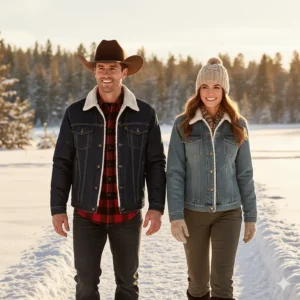
Frequently Asked Questions About Western Winter Jackets ❓
❓ What's the warmest western winter jacket under 100 dollars?
❓ How do I restore water resistance on my canvas western winter jacket?
❓ Can western winter jacket options work for motorcycle riding?
❓ What size western winter jacket should I order for heavy layering?
❓ Do leather western winter jacket styles require special winter storage?
Conclusion: Making Your Western Winter Jacket Investment Count 🎯
Selecting the right western winter jacket represents more than just buying outerwear—it’s an investment in comfort, functionality, and often your personal identity. Throughout this comprehensive guide, we’ve explored every angle from technical insulation science to real-world user experiences, construction quality to style considerations.
The key takeaway? There’s no single “best” western winter jacket for everyone. The rancher working cattle in subzero Wyoming wind needs different features than the urban style enthusiast wearing their jacket to weekend events. The construction professional scrambling on job sites requires different performance than the casual weekend hiker. Understanding your specific needs and honestly evaluating how you’ll actually use the jacket leads to smart purchasing decisions you’ll appreciate for years.
Quality matters immensely in this category. While budget options serve certain users well, most people benefit from investing in proven brands with reputations for durability and performance. The difference between a $50 jacket lasting two seasons and a $120 jacket lasting a decade isn’t just economic—it’s the difference between constant replacement frustration and reliable gear you don’t think twice about.
Proper care extends any jacket’s useful life dramatically. Simple practices like spot-cleaning instead of over-washing, making small repairs promptly, and maintaining DWR treatments can double or triple your jacket’s service life. These minimal-effort maintenance tasks offer exceptional returns on investment.
Remember that the best western winter jacket is the one you’ll actually wear consistently. If a jacket doesn’t fit right, isn’t warm enough, or doesn’t match your style, it’ll hang unused in your closet regardless of its technical specifications. Honest self-assessment during the selection process prevents buyer’s remorse.
For most readers, I recommend starting with the Carhartt J130 Sherpa-Lined Jacket if durability and warmth are priorities, the Wrangler Sherpa Lined Western Jacket for balanced versatility and value, or the Dickies Sanded Duck for budget-conscious needs. These three options cover the vast majority of use cases effectively while representing proven performance across thousands of real-world users.
Whatever jacket you choose, buy with confidence knowing you’ve made an informed decision based on comprehensive research and real user experiences. A quality western winter jacket becomes a trusted companion through countless cold days, earning its place as essential gear rather than just another closet item.
🛒 Find Your Perfect Western Winter Jacket Today!
Don’t face another freezing winter unprepared! The jackets featured throughout this guide are available now on Amazon with fast shipping directly to your door. Click through the highlighted product names above to read detailed specifications, browse customer photos and reviews, and check current pricing. Many options qualify for free Prime shipping, getting your new jacket to you quickly. Remember, the best jacket is the one you’re wearing when the temperature drops—order now before winter’s coldest days arrive! ❄️🔥
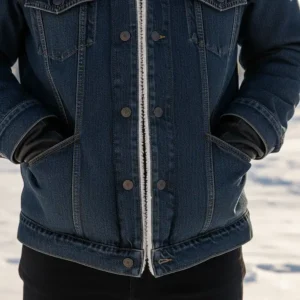
Recommended for You
- 7 Best Western Jacket Styles That’ll Transform Your Wardrobe in 2025
- 7 Best Cowboy Jacket Ladies Styles That’ll Make You Feel Like A Million Bucks in 2025
- 7 Best Cowboy Suit Jacket Styles That Transform Your Western Look in 2025
Disclaimer: This article contains affiliate links. If you purchase products through these links, we may earn a small commission at no additional cost to you.
✨ Found this helpful? Share it with your friends! 💬🤗
