
In This Article
Here’s the dirty secret of cold-weather shopping: most men buy a winter jacket the way they buy a mattress. They squeeze it, nod, check the tag, and hope. Then January arrives, the wind comes screaming off a parking lot, and the “warm” coat turns out to be a fashion statement with a zipper.
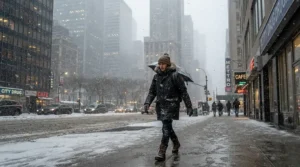
So what is the best winter jacket men can buy? The best winter jacket men should look for is an insulated parka or puffer whose warmth rating matches their local winter, with a weather-resistant shell, a hood that actually works, and a fit that leaves room for layers. It’s about matching the coat to your climate, not chasing the biggest price tag.
That distinction matters more than any brand name. A mens winter jacket built for a mild Virginia December and one built for a Minnesota January share almost nothing but a zipper. Insulation type, fill weight, shell fabric, and length all change how a coat behaves when the temperature drops. Down measures its quality in “fill power,” which is the volume, in cubic inches, that one ounce of down occupies, as explained in this down insulation primer from Trailspace. Higher numbers mean loftier, lighter, more compressible warmth. But as you’ll see, that number is only half the story.
This guide does the homework for you. I’ve compared seven real jackets using published testing from outlets such as GearJunkie, OutdoorGearLab, CleverHiker, and Switchback Travel, then layered in spec analysis, a winter jacket buying guide, and the practical stuff Amazon listings skip. Prices below are ranges, and they move constantly, so check current pricing before you buy.
Quick Comparison: Mens Winter Jacket Picks at a Glance
Before the deep dives, here’s the whole lineup on one screen. Think of it as the cheat sheet you screenshot and text to your brother who still wears a hoodie in February.
| Jacket | Insulation Type | Price Range | Weather Protection | Best For |
|---|---|---|---|---|
| REI Co-op Stormhenge 850 Down Hybrid | 850-fill down plus synthetic hybrid | Around $280-$300 | Waterproof shell | Budget-conscious buyers who still want serious warmth |
| The North Face McMurdo Parka | Down | Around $400-$450 | Weather-resistant | Daily city winters and casual wear |
| Rab Neutrino Pro | Hydrophobic down | Around $450 | Limited water repellency | Cold, dry days and technical use |
| Fjallraven Nuuk Parka | Insulated parka | Premium range, check current price | Strong wind and snow protection | Rugged everyday winters |
| Patagonia Tres 3-in-1 Parka | Modular shell plus insulated liner | Around $650-$750 | Waterproof outer, removable liner | Changeable weather across seasons |
| Feathered Friends Khumbu Parka | Expedition-weight down | Around $750-$850 | Cold-focused | Extreme cold and heavy use |
| Patagonia Stormshadow Parka | 700-fill down | Around $850-$900 | 2-layer GORE-TEX | Buy-it-for-life buyers |
Read the table like this: the REI Co-op Stormhenge 850 Down Hybrid is the value anchor, while the Patagonia Stormshadow Parka sits at the other end as the premium splurge. The The North Face McMurdo Parka lands in the sweet spot for most commuters. If your winters are truly brutal, jump straight to the Feathered Friends Khumbu Parka. If your weather swings wildly, the Patagonia Tres 3-in-1 Parka is the only entry here that adapts itself.
💬 Just one click — help others make better buying decisions too!😊
Top 7 Best Winter Jacket Men Should Compare in 2026: Expert Analysis
A quick note on how to read the sections below. The “review sentiment” lines summarize what professional testers and review roundups consistently report. I haven’t verified individual customer ratings or review counts for these models, so I’m not quoting any, and no personal hands-on testing is claimed here.
1. REI Co-op Stormhenge 850 Down Hybrid — best budget warmth
The hook here is simple: premium-style construction without the premium invoice. The jacket pairs 850-fill down with 80g and 180g polyester insulation, wrapped in a two-layer recycled nylon shell, and it weighs roughly 2 pounds 3 ounces in a medium.
Why does that hybrid layout matter? Down handles the heavy lifting in dry cold, while synthetic panels in wetter, higher-abrasion zones help when moisture sneaks in. On paper, that means fewer cold-weather surprises during a slushy commute. It’s the spec sheet logic behind a coat that behaves well when the forecast can’t make up its mind.
Who is it for? Anyone building their first serious mens winter jacket on a real budget. Based on the spec comparison, you’re getting more insulation intelligence than most jackets in this price bracket offer. GearJunkie’s testers called it one of the few jackets they’d buy again with their own money, and CleverHiker named the hybrid its best winter coat overall.
Pros:
- ✅ Hybrid insulation handles dry and damp cold
- ✅ Waterproof shell for slush and wet snow
- ✅ Excellent warmth for the price bracket
Cons:
- ❌ Heavier than ultralight down alternatives
- ❌ Styling is more outdoorsy than urban
Price range: around $280-$300, and as a value verdict it is the easiest recommendation on this list.
2. The North Face McMurdo Parka — warm and city-ready
If winter jackets had a “default answer,” this would be it. Switchback Travel has named it their best overall men’s winter jacket for years, and GearJunkie’s testers called it one of the warmest jackets they’ve ever tested.
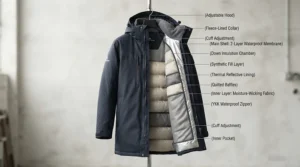
That reputation makes sense once you understand the design logic. The McMurdo is built as a longer parka, which means more coverage over hips and thighs, exactly where wind exploits gaps. For standing at bus stops, walking dogs, or sitting through outdoor sports, that extra length beats a short puffer in practical comfort.
What most buyers overlook is that the McMurdo isn’t trying to win technical mountaineering awards. It’s built for people who live in cold places and need one coat that looks fine at the office and handles a snowy sidewalk. Check the current spec sheet for exact fill and shell details, since manufacturers update them between seasons.
Reviewers consistently describe it as a rare blend of warmth, fit, and weather resistance. If you want one mens winter jacket that disappears into daily life, this is it.
Pros:
- ✅ Longer parka cut blocks wind on hips
- ✅ Warm enough for genuinely cold commutes
- ✅ Looks fine at work and on weekends
Cons:
- ❌ Too warm for mild or active winter days
- ❌ Pricier than hybrid budget options
Price range: around $400-$450, which is fair value for a coat many testers rate among the warmest they’ve worn.
3. Rab Neutrino Pro — warmth without the bulk
Imagine wearing a campfire that fits under your arm. That’s the appeal here. Both CleverHiker and OutdoorGearLab give the Neutrino Pro top marks for warmth, and Switchback points to its generous load of 800-fill hydrophobic down as a notable advantage over similarly priced down jackets.
Hydrophobic treatment matters because untreated down collapses when damp and stops trapping air. Treated down resists that for longer, though it is not magic. OutdoorGearLab’s testers specifically note the Neutrino Pro doesn’t repel water the way a rain jacket does, so pair it with a shell in wet conditions.
Who should buy it? The weekend skier, winter hiker, or anyone who wants serious loft without the marshmallow-man silhouette of a heavy parka. It’s also an excellent mid layer under a shell for really nasty weather. Even when strolling around town, testers describe it as the coat they reach for when they want warmth without a bulky winter parka.
Pros:
- ✅ Very high warmth-to-weight ratio
- ✅ Packs smaller than traditional parkas
- ✅ Works as a layer under a shell
Cons:
- ❌ Not waterproof in steady rain or wet snow
- ❌ Shorter cut leaves hips more exposed
Price range: around $450, which is strong value if dry-cold performance is your priority.
4. Fjallraven Nuuk Parka — rugged winter armor with street style
OutdoorGearLab’s male testers called this the warmest and most protective winter jacket they had worn, and it has topped their men’s winter jacket ranking. That’s a loud endorsement from a group that tests in sub-zero temperatures and shovels driveways in it.
The takeaway from that testing is that the Nuuk is built for real exposure: snow, wind, rain, and sustained cold. It also doubles as stylish streetwear, which is rare, since technical jackets often look like they’re about to summit something.
Who benefits most? Men who commute through genuinely nasty weather and refuse to look like an expedition member while doing it. The trade-off is weight and bulk. A jacket that protects this thoroughly will not be light, so it rewards people who value full-coverage warmth over packability.
Published reviewers call it durable, versatile, and well-equipped for extended exposure. I couldn’t verify a stable current price for this model, so check current pricing; it sits in the premium bracket.
Pros:
- ✅ Top-ranked warmth in OutdoorGearLab testing
- ✅ Serious wind, snow, and rain protection
- ✅ Stylish enough for everyday wear
Cons:
- ❌ Bulkier and heavier than technical puffies
- ❌ Premium pricing, check current price
Value verdict: worth it if your winters are severe and you want one coat to do everything.
5. Patagonia Tres 3-in-1 Parka — the shape-shifter
Most coats make you commit. This one lets you change your mind. The Tres is a modular system: a protective outer shell and a removable insulated liner that can be worn together or separately.
That flexibility is genuinely useful if you live somewhere with unpredictable weather. On a cold-but-dry day, wear the insulated layer alone. On a rainy fall afternoon, wear only the shell. On a brutal January morning, zip them together. CleverHiker named it their best modular jacket, and Switchback considers it the most versatile everyday parka.
The trade-off is that modular systems rarely beat a dedicated down parka at pure warmth for the same weight. You’re paying for adaptability rather than maximum loft, so think of this as an annual workhorse, not a polar specialist.
Review sentiment from professional testers centers on versatility and build quality, with the main complaint being price relative to single-purpose jackets.
Pros:
- ✅ Three wearing modes in one purchase
- ✅ Works across fall, winter, and spring
- ✅ Strong build quality and brand repair support
Cons:
- ❌ Less warm than a dedicated down parka
- ❌ High price for a modular design
Price range: around $650-$750, which is justified only if you will really use all three modes.
6. Feathered Friends Khumbu Parka — expedition warmth for brutal cold
Some jackets are about style. This one is about survival math. CleverHiker calls it their best expedition-quality down jacket, and Switchback Travel picks it as the best men’s expedition jacket for extreme cold.
Expedition jackets are designed around fill weight, not just fill power. As the Field Mag down guide explains, a jacket’s warmth depends on both the fill power and the total weight of down used. That’s why a big parka with moderate-fill down can out-heat a lighter, higher-fill coat with less insulation inside.
Who actually needs this? Men who spend long hours outside in deep cold: ice fishing, winter photography, sled-dog country, or anyone who wants to stop thinking about the temperature. For a typical city commute, it’s overkill and expensive overkill at that.
Reviewers consistently highlight extreme warmth and note the trade-off in weight and price. I wasn’t able to verify customer review volume, so treat the testing-site consensus as the reliable signal.
Pros:
- ✅ Expedition-level warmth for deep cold
- ✅ Heavy, quality down fill
- ✅ Built to last through hard use
Cons:
- ❌ Excessive for ordinary city winters
- ❌ Heavy and expensive
Price range: around $750-$850. Value verdict: outstanding for extreme climates, wasteful elsewhere.
7. Patagonia Stormshadow Parka — the buy-it-for-life flagship
GearJunkie named it their best overall winter jacket for the second year in a row, praising premium materials and thoughtful features. Its spec sheet reads like a luxury watch: 700-fill down, a two-layer GORE-TEX shell made of recycled polyester, and a medium weight of about 2 pounds 8.8 ounces.
What the spec sheet won’t tell you, but testers note, is the way insulation is distributed. The Stormshadow keeps thick, puffy loft even in places other brands skimp, like the arms and hood. That matters because cold sneaks in through the weakest zone, not the strongest one.
This is the jacket for the man who buys once and wants to stop shopping. It’s also a statement about priorities: you’re paying for waterproofing, durability, and a design that holds up for many seasons. If you only need warmth for a short commute, there are cheaper ways to stay comfortable.
Reviewers describe it as warm, weatherproof, and exceptionally well-made, with price as the primary drawback.
Pros:
- ✅ GORE-TEX shell shrugs off wet weather
- ✅ Thick insulation even in arms and hood
- ✅ Premium build for long-term durability
Cons:
- ❌ Highest price on this list
- ❌ Heavier than technical puffer options
Price range: around $850-$900. Value verdict: excellent per-year cost if you wear it for a decade, hard to justify for casual use.
Comparing the Top 7: Which Jacket Wins in Which Scenario?
The table below translates the lineup into decisions rather than specs.
| Jacket | Warmth Level | Wet-Weather Strength | Packability | Best For |
|---|---|---|---|---|
| REI Co-op Stormhenge 850 Down Hybrid | High | High | Moderate | Budget buyers |
| The North Face McMurdo Parka | Very High | Moderate | Low | Daily commuters |
| Rab Neutrino Pro | Very High | Low | High | Cold, dry active days |
| Fjallraven Nuuk Parka | Very High | High | Low | Harsh everyday winters |
| Patagonia Tres 3-in-1 Parka | Moderate-High | High | Low-Moderate | Changeable climates |
| Feathered Friends Khumbu Parka | Extreme | Moderate | Low | Expedition cold |
| Patagonia Stormshadow Parka | Very High | Very High | Low-Moderate | Long-term investment |
Notice that no jacket wins every column. The Rab Neutrino Pro is best on packability but weakest in rain, while the Patagonia Stormshadow Parka is best on weather protection but costs the most. If you’re torn between two, ask which weakness you can live with. A shell can fix a rain weakness, but nothing fixes a coat that’s too cold.
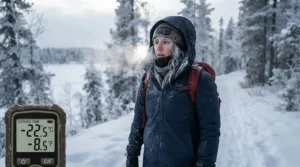
Winter Jacket Buying Guide: How to Choose the Best Winter Jacket Men Will Actually Wear
This winter jacket buying guide boils the decision down to seven steps. Work through them in order and the right category usually reveals itself.
- Know your coldest realistic day. Buy for your worst January week, not your average one, because being slightly over-warm is fixable and being under-insulated isn’t.
- Decide how wet your winter is. Rain and wet snow favor synthetic or hybrid insulation and waterproof shells, while dry cold favors down.
- Match activity to insulation. Standing still demands more insulation than hiking, because exercise generates heat you can vent.
- Check fill weight, not just fill power. A high fill-power number tells you quality, but the total amount of insulation tells you warmth.
- Pick the right length. Longer parkas protect hips and thighs, while shorter puffers move more freely and layer more easily.
- Test the hood and cuffs. A hood that doesn’t turn with your head, or cuffs that leave gaps, will undo great insulation.
- Size for layers. Try the jacket over the thickest sweater you’d realistically wear, then raise your arms to check for restriction.
Do these seven checks and you’ve done more due diligence than most buyers ever do. Notice that brand never appears on the list; it matters far less than fit and fabric.
Winter Jacket Insulation Comparison: Down vs Synthetic vs Hybrid
Insulation is the engine of any mens winter jacket, so a proper winter jacket insulation comparison is worth a few minutes of your time. Down is natural and measured by fill power. Synthetic fill is manufactured polyester insulation, rated by weight in grams per square meter, and it keeps working when damp. Hybrid jackets use both.
| Insulation Type | Warmth for Weight | Wet Performance | Packability | Typical Cost | Best For |
|---|---|---|---|---|---|
| Down | Excellent | Weak when wet | Excellent | Higher | Cold, dry climates |
| Synthetic | Good | Strong when wet | Moderate | Lower | Wet, damp, or sweaty use |
| Hybrid | Very good | Good | Good | Mid | Mixed conditions, like the REI Co-op Stormhenge 850 Down Hybrid |
The analysis is straightforward. Down wins the warmth-per-ounce contest, but it loses most of its ability to hold air once soaked, as outlets like GearAid and Columbia both point out. Synthetic is the safer choice for damp climates and high-sweat activity, even though it’s bulkier. A hybrid like the REI Co-op Stormhenge 850 Down Hybrid is the pragmatic middle path for anyone who can’t predict the forecast.
One more detail worth knowing: fill power doesn’t apply to synthetic insulation at all, so you can’t compare the two systems with a single number. When comparing synthetics, look at the insulation weight in grams, since more insulation weight generally equals more warmth.
Winter Jacket Temperature Guide: What to Wear at Every Degree
This winter jacket temperature guide gives general starting points, not guarantees. Your own metabolism, your activity level, and especially wind will shift every number. Treat these as a calibrated first guess.
| Air Temperature | Typical Jacket Strategy | Best For |
|---|---|---|
| 40°F to 50°F | Light insulated jacket plus a fleece mid layer | Rab Neutrino Pro worn as a layer |
| 25°F to 40°F | Mid-weight insulated jacket or hybrid | REI Co-op Stormhenge 850 Down Hybrid |
| 10°F to 25°F | Heavy parka with a good hood | The North Face McMurdo Parka |
| 0°F to 10°F | Heavy parka plus thermal base layer | Fjallraven Nuuk Parka |
| Below 0°F | Expedition parka and full layering system | Feathered Friends Khumbu Parka |
Why do these bands move around so much? Wind. According to the National Weather Service, a 0°F day with a 15 mph breeze feels like -19°F, and exposed skin can freeze in about 30 minutes at that wind chill. The same agency notes that wind chill applies to people and animals but not objects, so your car’s thermometer won’t tell you how cold you’ll feel.
That’s why a shell with wind resistance beats a thick sweater every time. If you regularly face gusty days, size up your jacket category by one band. Remember, the chart assumes you’re moving a little; stand still and add another layer.
Warmest Winter Jacket Men Can Buy: What “Warm” Really Means
If you’re hunting for the warmest winter jacket men’s retailers carry, you’ll see a flood of claims. Cut through them by understanding three variables: insulation weight, construction, and coverage.
Insulation weight comes first. A jacket stuffed with more down or more synthetic fill is warmer, almost without exception. Construction comes second: baffles that prevent insulation from shifting, a high collar, and insulated hoods keep warmth where you need it. Coverage comes third, and it’s why long parkas beat waist-length puffers when the wind picks up.
Based on published testing, the strongest candidates for warmest winter jacket men can buy in this lineup are the Fjallraven Nuuk Parka for everyday severe weather, the Rab Neutrino Pro for technical dry cold, and the Feathered Friends Khumbu Parka for true expedition conditions. OutdoorGearLab called the Nuuk the warmest and most protective jacket its male testers had worn, while Switchback pegs the Khumbu as the pick for extreme cold.
Here’s the catch, and it’s a big one: the warmest jacket isn’t the best jacket. A coat so insulated that you sweat through your base layer will leave you colder once you stop moving. The goal is the right warmth, with vents, zippers, and layering to dial it down.
✨ Don’t Miss These Exclusive Deals!
🔍 Ready to upgrade your cold-weather wardrobe? Click any highlighted jacket name above to check current pricing and availability. These carefully selected options will help you stay warm through every winter commute, hike, and weekend adventure!
Layering for Winter Jackets: The Base, Mid, and Outer System
Even the best jacket underperforms if you ignore what’s under it. Layering for winter jackets follows a three-part system that outdoor retailers like Scheels and others describe the same way: base layer, mid layer, outer layer.
The base layer sits against your skin and manages moisture. Choose a snug, moisture-wicking fabric, thin for mild days and heavier thermals for freezing ones. The mid layer is the insulation workhorse: fleece, a quarter-zip, or a light puffy trapping body heat. Your jacket is the outer layer, shielding the whole system from wind, snow, and rain.
Why does this matter for jacket selection? Because a heavy parka worn over only a T-shirt wastes most of its potential, while a lighter jacket worn with proper layers can outperform a bigger coat. That’s the quiet superpower behind the Rab Neutrino Pro, which testers describe as working beautifully as a layer under a shell.
Practical rules help here. Keep the base layer fitted, make the mid layer loose enough to trap air, and choose an outer layer large enough to fit over both without being tight. Accessories matter too. A beanie, gloves, and a neck gaiter extend your comfortable range by a surprising margin, because heat escapes fastest through your head and hands.
Real-World Scenarios: Matching a Mens Winter Jacket to Your Life
Specs only tell part of the story, so here are three realistic buyer profiles.
The budget-conscious commuter. Picture a college student walking eight miles weekly to class in 20-35°F weather, on a tight budget. The REI Co-op Stormhenge 850 Down Hybrid is the logical pick. Its hybrid insulation handles slush on campus walks, the waterproof shell shrugs off wet snow, and the price keeps room in the budget for a good base layer.
The all-season outdoorsman. Consider a man who hikes in fall, skis in winter, and works in the yard in spring. The Patagonia Tres 3-in-1 Parka earns its price here, since the removable liner and shell cover three seasons in one purchase. You’d pay more upfront but spend less on separate jackets.
The deep-cold professional. Now imagine someone working outdoors in sub-zero conditions for hours at a time. That’s a Feathered Friends Khumbu Parka or Fjallraven Nuuk Parka situation. The extra weight is a feature, not a bug, because comfort and safety depend on never letting heat escape.
Notice the pattern: the right pick follows frequency of use, environment, and budget, not brand prestige.
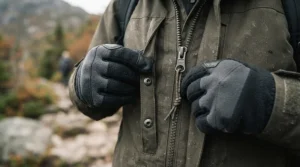
Break-In and Care: A Practical Winter Jacket Usage Guide
Here’s the value-add Amazon listings never provide. A good jacket needs a little maintenance to keep performing across many winters.
First 30 days. Wear the jacket on several mild days before the first brutal one. You’ll learn where it pinches, how the hood sits, and which pockets you actually use. Check zippers and snaps under real load, and return the jacket promptly if something feels off.
During the season. Hang down jackets loosely rather than compressing them in a closet, since long-term compression flattens loft. Spot clean small stains instead of washing constantly, and never let a damp jacket sit in a bag.
End of season. Wash according to the care label using a down-specific or technical-fabric cleaner, as brands like GearAid recommend, then dry thoroughly, often with clean tennis balls to break up clumps. Store it loosely, not stuffed in its sack. Fill power can fade with use but can be restored with proper care and cleaning, according to the Trailspace guide mentioned earlier.
Common first-month mistakes. Over-washing, ignoring the care label, and wearing a heavy parka for a short indoor errand and sweating through your base layer. A little discipline protects your investment.
Common Mistakes When Buying a Mens Winter Jacket
Most regrets trace back to a handful of predictable errors. Avoid these and you’ll already be ahead of the crowd.
Buying for style over climate. A sleek short puffer looks sharp in a store but may leave hips and thighs exposed to wind. If your winters are cold, prioritize coverage first, style second.
Trusting the fill-power number alone. A 900-fill jacket with a thin layer of down can be colder than a 650-fill parka stuffed heavily, as Outdoor Research’s down explainer notes. Always ask how much insulation is actually inside.
Ignoring moisture. Buying a down jacket for a damp, slushy climate is a classic misstep. If your winters are wet, choose synthetic or a hybrid, or add a waterproof shell.
Sizing too tight. A jacket that fits perfectly over a T-shirt will compress your layers and lose insulating air. Always try it over a sweater.
Skipping the hood test. Many jackets have hoods that look great and work terribly. Turn your head with the hood up; if your view is blocked, move on.
Overbuying for mild winters. Expedition warmth in a temperate climate means sweating on every subway ride, and that’s its own kind of misery.
Features That Actually Matter (And Those That Don’t)
Marketing departments love long feature lists. Here’s the honest filter.
What matters: a well-fitted, adjustable hood; a wind-resistant shell; insulation weight appropriate to your climate; storm flaps over the zipper; and cuffs that seal around gloves. These control how much heat you keep, so they deserve your attention.
What matters sometimes: waterproofing. If your winters feature rain or wet snow, a waterproof shell like the Patagonia Stormshadow Parka earns its price. If your cold is mostly dry, you can skip it and save money.
What barely matters: pocket count, decorative branding, and exotic color names. A tenth pocket won’t keep you warm. Extra-high fill power also matters less than total insulation weight, as covered earlier.
What’s quietly underrated: length, interior pockets for phones in cold weather, and a collar that closes cleanly around your chin. Those small details separate a coat you tolerate from one you love.
Treat the feature list like a menu at a tourist restaurant. Ignore the hype and look at what the kitchen actually cooks, which in jackets means insulation, shell, and fit.
Long-Term Cost and Maintenance: Cheap Now or Cheap Per Year?
Price tags are a poor way to judge a jacket, because the real metric is cost per winter. A coat in the $300 range worn for three winters costs about $100 per season. A $900 jacket worn for ten winters costs about $90 per season, and holds up better at the end.
That arithmetic is why GearJunkie describes the Patagonia Stormshadow Parka as a buy-it-for-life option. Premium materials like a GORE-TEX shell and thoughtful construction cost more upfront but tend to last longer. Meanwhile, the REI Co-op Stormhenge 850 Down Hybrid delivers the best short-term value, with warmth and weather resistance well above its price.
Factor in maintenance, too. Down cleaners, replacement zippers, and occasional professional repairs add modest costs. Brands with repair programs, such as Patagonia, can extend a jacket’s life. And remember resale: well-known premium parkas often retain value better than generic alternatives.
So who should spend more? If you wear the same coat daily from November to March in a cold climate, premium makes financial sense. If winter is a few weeks of occasional chill, a budget pick is smarter.
Safety Guide: Wind Chill, Frostbite, and Knowing When to Go Inside
Warm clothing is a safety tool, not just a comfort choice. Frostbite risk rises quickly as wind chill drops, and a peer-reviewed review in the Journal of Athletic Training charts frostbite risk windows from 30 minutes down to two minutes as wind chill intensifies.
The National Weather Service issues cold-weather advisories when air temperature or wind chill falls into a dangerous range, and those thresholds are set locally. In practical terms, if you’re facing wind chills below zero, cover exposed skin with several layers, and limit time outdoors.
A few practical rules help. Keep your neck, face, and hands covered. Replace damp gloves and socks quickly. Don’t rely on a jacket alone, because a well-chosen hat and gaiter protect the areas where you lose heat fastest. And when your fingers or face start going numb, treat that as a signal to go inside, not a challenge.
The best winter jacket men can buy still can’t override physics. Respect the forecast, layer intelligently, and let your jacket do its job inside a system, not as a solo act.

FAQ
❓ How much should a mens winter jacket cost?
❓ Is a down or synthetic jacket better for rain and snow?
❓ What is the warmest winter jacket men can buy for below zero?
❓ What size winter jacket should I buy if I plan to layer?
❓ How do I wash a down winter jacket without ruining it?
Conclusion
Winter doesn’t care about your brand loyalty. It cares about insulation, wind protection, and whether your jacket fits over the layers you actually wear. Choose with those three criteria and you’ll make a better decision than most shoppers ever do.
To recap the lineup: the REI Co-op Stormhenge 850 Down Hybrid is the value champion, the The North Face McMurdo Parka is the everyday sweet spot, the Rab Neutrino Pro is the warmth-per-ounce specialist, the Fjallraven Nuuk Parka is the rugged all-rounder, the Patagonia Tres 3-in-1 Parka is the climate chameleon, the Feathered Friends Khumbu Parka is the expedition option, and the Patagonia Stormshadow Parka is the buy-it-once flagship. Whatever you choose, treat the jacket as part of a system, pairing it with smart base layers and accessories.
Before you buy, run through your own checklist: coldest realistic day, wet or dry climate, how often you’ll wear it, and your budget. Answer those honestly and the right mens winter jacket will practically pick itself.
🔥 Your Winter Upgrade Starts Here!
❄️ Compare current prices and availability on the jackets above, then pick the one that fits your climate and your budget. Click any highlighted jacket name to check today’s pricing. Stay warm out there!
Recommended for You
- Fur Hood Parka Men: 7 Best Warm Picks For 2026
- Military Parka Men: 7 Best Rugged Picks For 2026
- Best Winter Parka Men: 7 Warmest Picks Ranked (2026)
Disclaimer: This article contains affiliate links. As an Amazon Associate, I earn from qualifying purchases. If you purchase products through these links, we may earn a small commission at no additional cost to you.
✨ Found this helpful? Share it with your friends! 💬🤗
