
In This Article
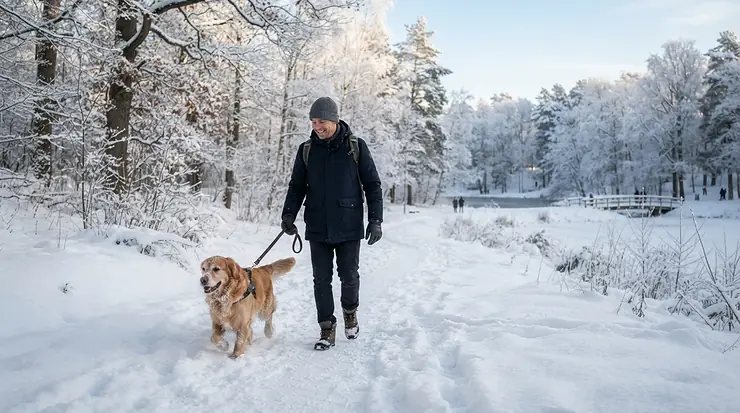
The best winter parka men can buy is a hooded, thigh-to-hip-length coat with enough insulation for your coldest realistic day and a shell that blocks wind and moisture. Warmth hinges on fill weight, coverage and construction, not just the fill power number. Match the coat to your climate, not to the loudest spec on the tag.
Here’s the awkward truth about parkas pitched as “arctic-ready”: the numbers on the tag don’t talk to each other. A 600-fill coat can out-warm an 800-fill coat. A synthetic can embarrass down in a slush storm. A hip-length shell with a heroic rating can still leave your thighs filing complaints at 5°F.
This guide cuts through the noise. I compared seven real parkas across budget, mid-range and premium, using published specs, aggregated owner reviews and independent tester reports. Then I translated each spec into what it feels like at a bus stop at 7 a.m. Along the way you’ll get a plain-English parka temperature rating chart, a clear look at down filled parka warmth, and a reality check on any extreme cold parka rating you run into.
A quick note on method: sentiment comes from published reviews and retailer feedback, not personal wear-testing, and prices appear as ranges because they move constantly. If you want a primer on how loft is measured, Wikipedia’s explainer on fill power is a solid place to start. If you’ve had a mens winter parka jacket tab open for three days, consider this your permission slip to decide.
Best Winter Parka Men Quick Comparison: 7 Parkas at a Glance
Here’s the whole field on one screen. “Warmth zone” figures come from brand scales, retailer guides or tester reports, so treat them as directional rather than lab results.
| Parka | Insulation | Warmth zone (approx.) | Price range | Best For |
|---|---|---|---|---|
| Fjallraven Nuuk Parka | 250 g Supreme Microloft (synthetic) | Below-zero days (tester-reported) | $550-$700 | Wet, snowy cities |
| The North Face McMurdo Parka | 600-fill recycled down | Subzero city days (reviewer-reported) | $350-$500 | Long coverage, commuting |
| Eddie Bauer Boundary Pass Down Parka | 650-fill down (80/20 blend) | Roughly 6°F-15°F comfort (reviewer-reported) | $100-$230 | Value seekers |
| Helly Hansen Reine Parka | PrimaLoft Rise (synthetic) | Cool-to-cold; no brand rating | $250-$450 | Rainy, windy commutes |
| Columbia Marquam Peak Fusion II | Thermarator (synthetic) | About -4°F to 14°F (Gear Patrol) | $150-$300 | Tight budgets |
| Mountain Hardwear Absolute Zero Parka | 800-fill goose down, about 17 oz | Down to -40°F in one tester’s report | Around $1,000 | True extremes |
| Canada Goose Langford Parka | 625-fill duck down | TEI 4: about 5°F to -13°F | $1,000+ | Premium urban style |
Looking at the table, the Eddie Bauer Boundary Pass Down Parka delivers the most warmth per dollar for a winter parka men can afford without a second mortgage. The Fjallraven Nuuk Parka earns its higher price by staying warm when moisture would flatten down. Anyone eyeing the top shelf should know the Mountain Hardwear Absolute Zero Parka is expedition gear, while the Canada Goose Langford Parka partly pays for its badge and tailoring.
💬 Just one click — help others make better buying decisions too!😊
Top 7 Best Winter Parka Men Picks: Expert Analysis
Each pick below gets the same treatment: what stands out, what the specs mean in real life, and what owners keep saying. The ranking blends warmth, weather protection, versatility and value, so a cheaper coat can outrank a pricier one.
1. Fjallraven Nuuk Parka — best overall for wet, snowy winters
Where most parkas bet everything on down, the Fjallraven Nuuk Parka bets on synthetic insulation, and that’s why it thrives in slushy, unpredictable cities. OutdoorGearLab named it its best overall winter jacket for men in 2026, which fits what the spec sheet suggests.
The fill is 250 g of Supreme Microloft behind a waterproof Hydratic shell with roughly 10K waterproofing. In practice, if sleet soaks the sleeves, the insulation keeps working, which loose down can’t promise. The thigh-length cut, fleece-lined hood and collar, removable faux-fur ruff and a pocket count that reached eleven in one reviewer’s tally round out the coverage.
This is a parka for people whose winter is a negotiation between snow, rain and 20°F: commuters, dog walkers, bus-stop veterans. What the spec sheet won’t tell you is the weight. One tester clocks it near four pounds, and another called it the largest-fitting parka in their lineup, so size down if you’re between sizes.
Reviewers consistently describe it as warm and tough, with one Ohio owner reporting a comfortable evening in a cold front wearing only a T-shirt underneath. Common complaints include the heft, the generous sizing, and a few owners who feel the newer recycled version isn’t as impressive as older ones.
Pros:
- ✅ Synthetic fill keeps warming when damp
- ✅ Thigh-length cut with fleece-lined hood and collar
- ✅ Rugged shell shrugs off snow and sleet
Cons:
- ❌ Heavy, roughly four pounds by one tester’s count
- ❌ Runs large, so sizing takes care
Expect roughly $550-$700 (check current price). It’s a splurge, but durable enough to spread across many winters.
2. The North Face McMurdo Parka — longest coverage for subzero city days
The North Face McMurdo is the parka most people picture when someone says “serious winter coat”: long, hooded, ruffed and unapologetically big.
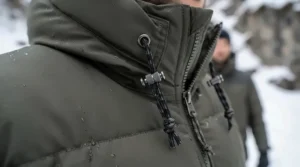
It pairs 600-fill recycled waterfowl down with a seam-sealed, two-layer DryVent shell and a non-PFC water-repellent finish. Add a stormflap over a two-way zip, a three-piece hood and a removable faux-fur ruff. The shell is genuinely waterproof rather than merely resistant, and the length protects the thighs that shorter puffers abandon.
A 600-fill number isn’t flashy, yet a tester who reserved the coat for the coldest days of an Alaskan winter still described its warmth as extreme. Based on the spec comparison, the McMurdo is a cold-weather commuter’s coat more than a mountaineer’s, because the published specs list no fill weight.
Owner reviews split in an informative way. Fans call it warm, surprisingly light and good at replacing extra layers. Critics say the current version carries less fill than the older 550-fill model and report down escaping through the shell, and a few describe frustrating warranty experiences. Retailer advice is to size down because it runs large.
Pros:
- ✅ Seam-sealed waterproof shell with storm flap
- ✅ Long cut covers thighs and hips
- ✅ Adjustable hood with removable ruff blocks wind
Cons:
- ❌ Some owners report down leaking through the shell
- ❌ No published fill weight, and it runs large
Plan on roughly $350-$500 (check current price). It’s strong value if you want length and a waterproof shell.
3. Eddie Bauer Boundary Pass Down Parka — warmest value per dollar
The Eddie Bauer Boundary Pass proves the warmest option doesn’t need a four-figure ticket.
It uses 650-fill down in an 80/20 down-and-feather blend, wrapped in a polyester shell with a StormRepel water-repellent finish. The insulated hood has a removable faux-fur ruff, the hand pockets sit behind the insulation, and storm cuffs seal the wrists. That pocket detail is underrated: your hands warm up against insulation rather than a thin lining. The cut is hip-length, around 31.5 inches in a medium, so thighs stay exposed.
One roundup places its comfort range near 15°F, while owners report staying comfortable around 6°F with a layer underneath. That makes it a strong candidate for Midwest and Northeast winters, less so for Fairbanks. Treat the brand’s subzero language as a best-case scenario.
Sentiment is notably consistent. One retailer listing shows a 4.6-star average across more than 900 reviews, praising warmth, fit and value. A forum thread’s recurring caveat is that it’s warmer but bulkier than lighter 800-fill alternatives.
Pros:
- ✅ 650-fill down at a modest price
- ✅ Hand pockets set behind insulation for warmer hands
- ✅ True-to-size, hip-length classic fit
Cons:
- ❌ Water-repellent finish isn’t fully waterproof
- ❌ Bulkier than higher-fill down options
Prices land around $100-$230 depending on sales (check current price). For the money, it’s hard to beat.
4. Helly Hansen Reine Parka — sleekest waterproof commuter
Helly Hansen has been a Norwegian outfitter for over 140 years, and the Helly Hansen Reine Parka shows it: this one is built for weather that falls sideways.
The Helly Tech Performance shell is waterproof and breathable, and the insulation is PrimaLoft Rise, a recycled-polyester synthetic. The parka weighs about 2 lb 15 oz and falls near 32 inches at center back in a medium. Because the membrane breathes, you can power-walk to the train without arriving in your own steam cloud. Reflective sleeve details help in dark winter evenings, and the faux-fur hood trim detaches.
Helly Hansen doesn’t publish a temperature rating, and one retailer’s Q&A positions the coat for cool conditions. So read the Reine as a roughly 20°F-to-40°F workhorse you can stretch lower with proper layers. It’s about convenience and dryness rather than raw arctic output.
Reviews at major retailers skew positive, with owners praising the fit, warmth and city style. The review pools are small, so treat that as directional rather than definitive.
Pros:
- ✅ Waterproof, breathable Helly Tech shell
- ✅ Light for a parka at roughly three pounds
- ✅ Streamlined, urban-friendly look
Cons:
- ❌ No published temperature rating
- ❌ Hip length leaves thighs exposed
Expect about $250-$450 (check current price). It’s good value if rain and wet snow dominate your winter.
5. Columbia Marquam Peak Fusion II — budget heat-reflective lining
The Columbia Marquam Peak Fusion II is the parka that makes budget shoppers feel clever.
It combines Thermarator recycled-polyester insulation with Columbia’s Omni-Heat Infinity lining, a gold-dotted pattern that reflects body heat back toward you. It also has an Omni-Shield exterior that repels water and stains, a removable hood with faux fur, and a two-way zip. The center-back length is about 33 inches. The reflective lining adds warmth without adding bulk, though “water-resistant” is not “waterproof,” so heavy sleet will eventually win.
Gear Patrol lists the parka around -4°F to 14°F, which suits cold commutes and school-run mornings more than prolonged subzero exposure. In practice, that’s plenty for most winters in the Great Lakes and Northeast, provided you add a mid-layer on the coldest days.
Owners generally praise the warmth for the money, though at least one cold-region buyer found that very cold days still called for extra layers. Note that one glowing review came from a Columbia employee, so I’ve excluded it.
Pros:
- ✅ Reflective lining adds warmth without bulk
- ✅ Synthetic fill tolerates damp conditions
- ✅ Care label allows gentle machine washing
Cons:
- ❌ Water-resistant shell, not fully waterproof
- ❌ Less coverage for sustained subzero days
Expect around $150-$300 depending on sales (check current price). It’s a smart pick for tight budgets.

6. Mountain Hardwear Absolute Zero Parka — expedition warmth for true extremes
The Mountain Hardwear Absolute Zero Parka is a high-altitude climbing parka that happens to be legal to wear to the grocery store.
It’s stuffed with 800-fill RDS-certified goose down, about 17 oz (roughly 480 g) of it, inside welded box baffles and a Pertex Diamond Fuse shell. Extras include insulated hood, cuff gaskets with thumbholes, and underarm vents that Outdoor Life’s tester measured at 17 inches. That fill weight is the real headline. It’s why an 800-fill coat can be this warm, and why it weighs about three pounds in a medium. Outdoor Life’s tester reported staying warm to -40°F with 50 mph gusts, which is genuine extreme cold parka rating territory.
The trade-offs are bulk, a technical look, and real overkill for a city commute. Those vents matter, because without them you’d cook on the walk to the car.
Owners rave about the warmth-to-weight ratio, though some mention zipper quality, bulk and a logo-heavy appearance.
Pros:
- ✅ Huge fill weight of 800-fill down
- ✅ Long underarm vents dump heat fast
- ✅ Welded baffles resist moisture
Cons:
- ❌ Bulky and not packable
- ❌ Overkill and costly for most winters
Budget around $1,000 (check current price). Buy it only if you genuinely face deep cold.
7. Canada Goose Langford Parka — premium urban style with a TEI 4 rating
The Canada Goose Langford Parka sells a look as much as a rating, and it’s honest about both.
Retailer listings show 625-fill duck down, a polyester-cotton shell (85/15), a mid-thigh cut, a storm flap over a two-way zip and fleece-lined handwarmer pockets. Canada Goose rates it Thermal Experience Index level 4, its “Enduring” band of roughly 5°F to -13°F. TEI is the brand’s own scale, so read it as a guideline. A cotton-blend shell resists wind and light moisture but isn’t fully waterproof, and one retailer lists the coat as dry clean only, which adds ongoing care cost.
The Langford is tailored for cold cities where you want to look sharp walking from the station to the office. It isn’t the warmest per dollar, and you’re partly paying for the badge.
I couldn’t verify a deep, current pool of owner reviews during this research, so rather than guess, treat brand claims as brand claims and check recent buyer feedback before purchasing. Hood-trim options vary by version.
Pros:
- ✅ Brand-rated for roughly 5°F to -13°F
- ✅ Mid-thigh coverage for cold exposure
- ✅ Tailored, city-ready silhouette
Cons:
- ❌ Costs well over $1,000
- ❌ Shell resists but doesn’t fully waterproof
Prices run $1,000+ with occasional retailer discounts (check current price).
How to Choose the Best Winter Parka Men Can Rely On
Choose by climate first, fill weight second, shell third, and fit last. Here’s the order that saves the most regret:
- Pin down your coldest realistic day. Include wind chill, since a 20 mph wind makes 20°F feel like 4°F.
- Check fill weight, not just fill power. A parka that states both is telling you more.
- Decide down or synthetic. If your winter is damp, synthetic earns its extra weight.
- Match the shell to precipitation. A water-repellent finish handles flurries; a waterproof membrane handles sleet.
- Judge length and hood. Thigh-length coats protect better when you stand still, and a hood should seal without blocking your view.
- Size for layers. Try it over a sweater, and remember some of these coats run large.
- Read care instructions. Dry-clean-only or fussy washing can change the true cost of ownership.

Parka Temperature Rating Chart: What the Numbers Really Mean
Brands rarely agree on temperature ratings, and some, including Helly Hansen, decline to publish them because comfort is personal. A parka temperature rating chart is therefore a map, not a contract. One retailer’s guide ties 600-650 fill to roughly 10°F to 35°F, 650-750 fill to -10°F to 10°F, and 700-900 fill to -20°F to -10°F. Canada Goose uses its own five-step TEI scale. Wind matters just as much, and the National Weather Service’s wind chill chart shows how quickly “feels like” temperatures fall.
The chart below blends those sources with the picks above. The placement of each parka is my analysis of published specs and tester reports, not a laboratory rating.
| Zone | Air temp (°F) | Typical build | Parka from this list | Best For |
|---|---|---|---|---|
| Cool-to-cold | 35 to 15 | Light synthetic or modest down | Helly Hansen Reine Parka | Rainy commutes |
| Cold | 15 to 0 | 600-650 fill or mid-weight synthetic | Eddie Bauer Boundary Pass, Columbia Marquam Peak Fusion II | Everyday winters |
| Very cold | 0 to -15 | Heavy synthetic or high fill weight, thigh-length | Fjallraven Nuuk, The North Face McMurdo, Canada Goose Langford | Long cold stretches |
| Extreme | Below -20 | 800-fill with big fill weight | Mountain Hardwear Absolute Zero | Expedition-level cold |
Reading the chart, most buyers sit in the cold and very-cold rows, where fit and shell matter as much as insulation. If your lowest temperatures only visit a few days a year, buying the extreme row is expensive insurance. Whichever row you land in, add 10°F-15°F of safety margin if you’ll be standing still, since activity generates heat and idleness doesn’t.
Extreme Cold Parka Rating: Who Needs It and Who’s Overpaying
An extreme cold parka rating sounds precise, but it’s mostly a marketing and guidance tool. Some outdoor brands say a defensible temperature rating isn’t possible at all, and the ones that publish one add disclaimers. Canada Goose’s “Extreme” tier covers -22°F and below, and the Absolute Zero is the only parka on this list that plausibly lives there, with a tester reporting comfort to -40°F in 50 mph gusts.
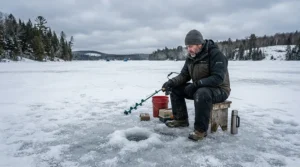
So who actually needs this tier? People working or playing outdoors for hours at temperatures well below zero: ice fishers, winter campers, snowmobilers, outdoor workers. Commuters who spend 15 minutes between a heated car and a heated building are paying for capability they’ll never use.
Spend the difference on a good hat, insulated boots and mitts instead. Those stop the most common cold-weather failures: numb fingers, cold feet and a frozen face.
Down Filled Parka Warmth: Fill Power, Fill Weight and Wet Weather
Down filled parka warmth comes from trapped air, and two numbers describe it. Fill power measures loft per ounce, and fill weight measures how much down is actually inside. Wikipedia notes that 550-fill needs roughly 40%-50% more down by weight than 800-fill to match its loft. REI’s explanation of down fill power makes the practical point: a 900-fill jacket holding 30 g of down won’t beat a 450-fill jacket holding 100 g.
That’s why the Absolute Zero, with about 17 oz of 800-fill, is in a different league from a typical 600-fill commuter parka. It’s also why a Boundary Pass at 650-fill can feel plenty warm for the money.
Down’s weakness is moisture. When it gets wet it collapses and loses insulating ability, which is why shells matter. Synthetic fills like the Nuuk‘s Microloft and the Reine‘s PrimaLoft keep working when damp, though they’re heavier and less compressible for the same warmth. One widely cited rule of thumb places synthetic insulation roughly in the 550-600 fill equivalent range, though no formal test connects the two.
Mens Winter Parka Jacket vs Puffer vs Wool Overcoat
A mens winter parka jacket isn’t the only way to stay warm, but it’s the most complete. A retailer’s cold-weather guide frames the split well: puffers are designed for warmth with movement, while a longer parka wins when cold exposure is constant.
| Feature | Parka | Puffer | Wool overcoat |
|---|---|---|---|
| Coverage | Hip to thigh, hooded | Waist to hip, often hoodless | Knee-length |
| Warmth when still | Highest | Moderate to high | Moderate |
| Mobility | Moderate | Highest | Lowest |
| Wet-weather ability | Strong with a membrane | Varies | Weak |
| Best For | Long cold exposure | Active days | Office dress codes |
Reading the table, parkas win when you’re standing at a bus stop, a sideline or a trailhead in the cold. Puffers win when you’re moving and sweating. A wool overcoat looks great but struggles with wet snow and deep cold.
Common Mistakes When Buying a Winter Parka Men Regret
Most regret traces back to five avoidable errors:
- Chasing fill power alone. A high number with a tiny fill weight is a pretty spec on a thin coat.
- Ignoring wind. Wind chill, not air temperature, decides how cold you feel.
- Sizing for a T-shirt. If you can’t fit a sweater underneath, you’ll wear the parka half-open.
- Skipping the hood test. A hood that blocks peripheral vision gets pushed back and forgotten.
- Buying more cold than you have. Extreme-rated parkas overheat in moderate winters.

Practical Usage Guide: Getting the Most From a Winter Parka Men Wear Daily
The best parka performs only when you use it right. Start with layers, since public health guidance emphasizes several layers, avoiding cotton against the skin and keeping dry, as explained in MedlinePlus’s guide to preventing frostbite and hypothermia. A simple system works well: a moisture-wicking base, a fleece or wool mid-layer, then the parka.
Here are a few first-30-day habits worth building:
- Vent early. Unzip or open vents before you sweat; damp layers chill you fast.
- Seal the gaps. Cinch hood, cuffs and hem against drafts.
- Dry it fully. Hang it between wears so insulation doesn’t stay damp.
- Store it uncompressed. Squashed down loses loft over time.
- Follow the care label. Columbia’s label calls for gentle machine washing, while one Canada Goose listing says dry clean only.
Real-World Scenarios: Which Parka Fits Your Winter
Three profiles show how the picks play out.
The budget commuter. A student walking 20 minutes to class in Midwest winters with about $200 to spend should look at the Boundary Pass or the Marquam Peak Fusion II. Both cover most cold days, and the extra cash can go toward boots and gloves.
The wet-winter walker. Someone dog-walking in 30°F drizzle should favor a waterproof shell with synthetic fill: the Nuuk for deeper cold or the Reine for lighter, cheaper weather protection.
The deep-cold outdoors person. An ice fisher facing -20°F for hours needs high fill weight. The Absolute Zero fits, and the McMurdo covers the milder cold-city days in between.
Long-Term Cost and Maintenance
The sticker price isn’t the real price. Divide it by the winters you’ll wear it. A parka in the mid-$300s used for five winters works out to roughly $70 per winter, while a roughly $1,000 expedition coat used for eight winters lands near $125. A $100 coat replaced every two seasons looks cheaper at first, but you’re buying warmth again and again.
Factor in care too. Dry-cleaning costs, repair needs and warranty quality all matter. Helly Hansen advertises a limited lifetime warranty on the Reine through one retailer, while some McMurdo owners describe frustrating claims, so read warranty terms before you buy. The cheapest long-term option is usually the one you’ll wear most often and clean correctly.
Features That Actually Matter (And Those That Don’t)
Marketing loves a spec; your shoulders love a hood that works. Here’s the filter.
Features that matter:
- A hood that seals without blocking your view
- A storm flap over the zipper
- Adjustable cuffs and hem
- A two-way zip for sitting and driving
- Pockets set behind insulation
Features that matter less:
- Pocket count beyond five or six
- Logo placement
- Fur-style trim (it helps a little with wind but adds care)
- 800+ fill unless packability or weight is your priority
- “Arctic-rated” labels without published fill weight
FAQ
❓ Is a 600-fill parka warm enough for subzero days?
❓ What temperature is a mens winter parka jacket good for?
❓ Is down or synthetic better for wet snow?
❓ How should a winter parka men wear fit over layers?
❓ Can I machine wash a down filled parka?
Conclusion
The best winter parka men can buy is the one matched to your real winter, not the most extreme tag in the store. For most buyers, the Eddie Bauer Boundary Pass Down Parka and Columbia Marquam Peak Fusion II deliver the best value, the Helly Hansen Reine Parka shines in rain and slush, and the Fjallraven Nuuk Parka is the all-rounder for wet, cold cities. The North Face McMurdo Parka adds long coverage for subzero commutes. At the top end, the Mountain Hardwear Absolute Zero Parka is for real extremes, and the Canada Goose Langford Parka is for people who want warmth and polish together.
Check fill weight, match the shell to your precipitation, size for layers, and spend the leftover budget on a good hat and boots. Prices move often, so check current price and availability before you buy.
Recommended for You
- Best Parka Men 2026: 7 Top Picks Ranked (Warm & Worth It)
- Hooded Windbreaker Men: 7 Best Picks For 2026
- Packable Windbreaker Men: 7 Best Ultralight Picks For 2026
Disclaimer: This article contains affiliate links. As an Amazon Associate, I earn from qualifying purchases. If you purchase products through these links, we may earn a small commission at no additional cost to you.
✨ Found this helpful? Share it with your friends! 💬🤗
