
In This Article
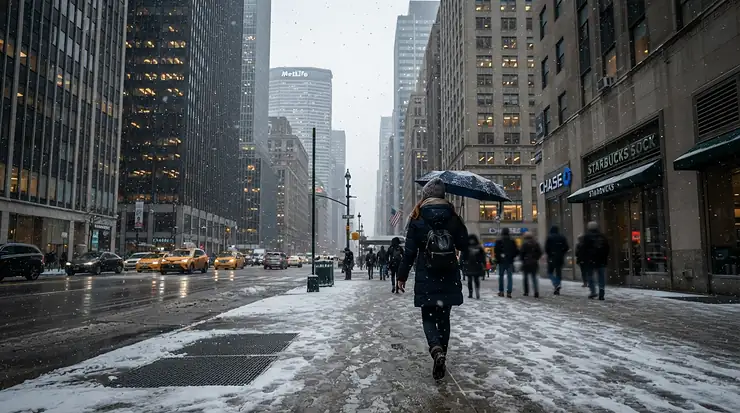
A parka is a hooded, insulated, weather-resistant coat that usually falls to the hips or thighs and is built to block wind, snow, and freezing temperatures. The best parka men can buy balances warmth, weather protection, length, and fit. The history of the parka shows a garment that has been solving cold-weather problems since long before anyone put a logo on the sleeve.

Here’s the catch. Walk into any store in October and you’ll find fifty mens parka jacket options that all look roughly the same. Hood, toggles, fur ruff, a vaguely Arctic attitude. Underneath, they’re wildly different. One is stuffed with 600-fill down and a waterproof membrane. Another is a fashion shell with a whisper of polyester fluff. Same silhouette, completely different jobs.
This guide cuts through that. I researched current 2026 reviews from independent gear labs, retailer review summaries, and spec sheets, then boiled it down to seven real parkas across budget, mid-range, and premium tiers. You’ll also get a practical parka buying guide men can actually use, a plain-English breakdown of parka insulation types, a parka length guide, and a straight answer on parka vs winter coat. No hands-on testing claims here, just honest analysis of real specs and real aggregated reviews.
Prices below are ranges as of October 2026 research. Check current pricing before you buy.
Quick Comparison Table: The Best Parka Men Shortlist at a Glance
| Parka | Insulation | Approx. Length | Price Range | Review Snapshot | Best For |
|---|---|---|---|---|---|
| The North Face McMurdo Parka | 600-fill recycled down | ~32 in. | $400-$450 | Named top overall by Switchback Travel | The North Face McMurdo Parka suits daily winter commuters |
| Fjällräven Nuuk Parka | Synthetic (Supreme Micro Loft) | Thigh-length | $350-$500 | GearLab’s top overall winter jacket | Fjällräven Nuuk Parka suits cold, wet, snowy climates |
| Eddie Bauer Boundary Pass Parka | 650-fill down | ~31.5 in. | Low-$200s list, often discounted | ~4.6/5 across 900+ retailer reviews | Eddie Bauer Boundary Pass Parka suits tight budgets |
| Helly Hansen Reine Parka | PrimaLoft Rise synthetic | ~32 in. | $250-$330 | Retailer reviewers like the urban style | Helly Hansen Reine Parka suits wet city winters |
| Mountain Hardwear Stretchdown Parka | Down | ~33 in. | $380-$430 | Praised for comfort and durability | Mountain Hardwear Stretchdown Parka suits active, all-day wear |
| Patagonia Tres 3-in-1 Parka | Removable insulated liner | Shorter, boxier cut | ~$700 | Called most versatile everyday parka | Patagonia Tres 3-in-1 Parka suits changeable climates |
| Canada Goose Expedition Parka | 625-fill duck down | Mid-thigh | $1,700-$2,000 | Perfect warmth score in GearLab testing | Canada Goose Expedition Parka suits extreme cold |
Look at this table sideways and a pattern jumps out. The The North Face McMurdo Parka is the safest all-rounder, and the Eddie Bauer Boundary Pass Parka delivers real down at a fraction of the price. If your winters are soggy rather than frozen, the synthetic-filled Fjällräven Nuuk Parka and Helly Hansen Reine Parka deserve a hard look before any down option. And the Canada Goose Expedition Parka is a specialist tool priced like a used car, which brings us to the next point.
💬 Just one click — help others make better buying decisions too!😊
Top 7 Best Parka Men Can Buy in 2026: Expert Analysis
1. The North Face McMurdo Parka — warmest everyday value
The McMurdo earns its reputation by being the parka that does nearly everything adequately and several things very well. It pairs 600-fill recycled down with a waterproof DryVent two-layer shell and a removable faux fur ruff.
That 600-fill number is middle-of-the-road for down, but at this price it’s a smart compromise. You get real loft and warmth without paying for premium 800-fill goose. The center-back length of roughly 32 inches covers your seat when you walk, which matters more than any spec for daily commuting. What most buyers overlook is the waterproof shell. Plenty of down parkas only shed light snow, while this one handles wet slush.
Switchback Travel named it best overall for men, citing warmth, fit, weather resistance, and a sensible length. Reviewers on retail sites tend to echo the “warm and reasonably priced” theme. A few buyers prefer the look of Fjällräven’s styling, which is a taste call rather than a performance flaw.
Pros:
- ✅ Waterproof shell with real down insulation
- ✅ Length that covers you when seated or walking
- ✅ Strong all-rounder at a fair price
Cons:
- ❌ 600-fill down is not top-tier loft
- ❌ Fur ruff styling is not everyone’s taste
Price range: roughly $400-$450. For most people shopping for the best parka men’s winters demand, this is the benchmark to beat.
2. Fjällräven Nuuk Parka — built for cold, wet, snowy weather
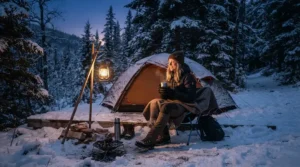
The Nuuk takes a different route. Instead of down, it uses synthetic Supreme Micro Loft padding under a recycled polyamide shell with a waterproof, breathable Hydratic lining. Translation: when the weather turns slushy and your jacket gets wet, the insulation keeps working.
It’s also generous. The cut reaches over the rear and thighs, and there are about eight pockets, including fleece-lined hand-warmers. It’s heavy, though. The medium weighs around four pounds per the retailer spec, so don’t expect featherweight packability.
OutdoorGearLab ranked it their top winter jacket for men, particularly for serious cold, wet, and snowy conditions. Reviewer sentiment is strong but not unanimous. Many owners call it close to perfect for deep winter. Common complaints include a fiddly zipper, one-star-adjacent grumbles about warmth for the weight, and some buyers feeling the newer recycled fabric feels less premium than older versions.
Pros:
- ✅ Synthetic fill keeps insulating when damp
- ✅ Long, generous coverage and lots of pockets
- ✅ Tops a respected independent gear test
Cons:
- ❌ Heavy for the warmth delivered
- ❌ Zipper draws occasional complaints
Price range: about $350-$500, with sales common. A top pick if your winters are wet and your commute is long.
3. Eddie Bauer Boundary Pass Parka — real down at a budget price
This is the underdog of the lineup, and honestly the most fun to analyze. The Boundary Pass uses 650-fill down in a hip-length cut of about 31.5 inches, with a StormRepel DWR finish, storm cuffs, an insulated hood, and a removable faux fur ruff. It’s even machine washable.
That DWR finish is water-repellent, not waterproof, so heavy rain will eventually win. But the 650-fill is a slight step up from the McMurdo’s 600, and you’re paying far less. Hand pockets sit behind down insulation, a thoughtful touch for cold fingers.
Costco’s listing reports roughly 4.6 out of 5 across more than 900 reviews, with owners praising warmth, fit, and value. Community deal threads are more mixed. Some say it’s the generic 650-fill coat you can find anywhere, while others report wearing it comfortably near -20°F. Both can be true, because layering matters.
Pros:
- ✅ 650-fill down at an entry-level price
- ✅ Machine washable with storm cuffs
- ✅ Strong retailer review scores
Cons:
- ❌ Water-resistant, not fully waterproof
- ❌ Mixed opinions on extreme-cold warmth
Price range: list prices are in the low $200s, but frequent discounts push it much lower. The best value in this roundup.
4. Helly Hansen Reine Parka — slick Scandinavian shell for wet cities
The Reine pairs a Helly Tech waterproof-breathable shell with PrimaLoft Rise, a recycled-polyester synthetic insulation, plus a detachable faux fur hood and reflective sleeve details. The medium runs about 32 inches center-back and roughly three pounds.
Why does this matter? Because the combination of a breathable membrane and synthetic fill is the formula for “warm without overheating.” If you spend your day alternating between freezing sidewalks and heated trains, a parka that vents moisture beats one that traps it. The shell fabric was also updated for a softer hand feel, and the DWR is PFC-free.
Retailer reviewers describe it as a standout urban parka and call it recommendable despite a moderately high price. One owner flagged a single design flaw, so check fit notes before ordering. The review pool I could verify is small, so treat the sentiment as directional.
Pros:
- ✅ Waterproof, breathable membrane for wet weather
- ✅ Lightweight synthetic insulation
- ✅ Clean urban styling with reflective accents
Cons:
- ❌ Pricier than the down-filled budget options
- ❌ Limited review volume to verify
Price range: roughly $250-$330. Best for rainy, slushy city winters.
5. Mountain Hardwear Stretchdown Parka — most comfortable for all-day wear
Most parkas feel like wearing a sleeping bag with sleeves. The Stretchdown’s selling point, right in the name, is freedom of movement. CleverHiker’s 2026 men’s winter jacket roundup picked it as the most comfortable and durable winter coat, and Switchback Travel lists a back length of about 33 inches, one of the longer cuts here.
I couldn’t verify the exact fill power or fill weight from the sources I reviewed, so check the spec sheet before buying. What the independent reviews do say is that it moves well, holds up to abuse, and sits in a mid-premium price bracket.
That suits anyone who shovels snow, drives with the parka on, or hauls groceries up apartment stairs. Stiff shells fight you; a stretch-woven one doesn’t. Reviewer sentiment, as summarized by those outlets, centers on comfort and durability rather than eye-popping warmth numbers.
Pros:
- ✅ Flexible, comfortable feel during movement
- ✅ Longer cut for better coverage
- ✅ Praised for durability by gear reviewers
Cons:
- ❌ Fill specs hard to verify across sources
- ❌ Costs more than similar-warmth budget picks
Price range: about $380-$430. A smart pick if comfort is your top priority.
6. Patagonia Tres 3-in-1 Parka — most versatile for changing climates
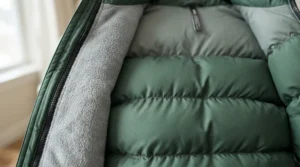
A 3-in-1 is a shell plus a removable insulated liner, which gives you three wearing options: shell alone for rain, liner alone for chilly dry days, or both together for deep winter. That versatility is the whole pitch. Switchback Travel called it the most versatile parka for everyday wear, and FashionBeans picked it as best hooded parka.
The trade-off is cut. Switchback notes it’s shorter and boxier than most parkas, so it sits closer to a long jacket than a thigh-length expedition coat. If you live somewhere that swings from 45°F rain to 5°F snow in the same month, this adaptability can outweigh the shorter coverage.
GearLab included it in its men’s winter jacket testing, and the broader consensus is solid build quality with a price tag to match. Think of it as paying for flexibility, the way you’d pay extra for a car that tows and commutes.
Pros:
- ✅ Three layering configurations in one purchase
- ✅ Strong brand build quality and repairability
- ✅ Hooded design suits mixed weather
Cons:
- ❌ Shorter, boxier cut than classic parkas
- ❌ Premium price for moderate warmth alone
Price range: right around $700. Worth it only if you’ll truly use all three modes.
7. Canada Goose Expedition Parka — the extreme-cold specialist
Developed originally for scientists working at McMurdo Station in Antarctica, the Expedition uses 625-fill duck down in a dense shell, with an insulated hood, snow skirt, and a fleece-lined chin guard. OutdoorGearLab reports it weighs about 4 pounds 9 ounces and gave it a perfect warmth score after temperatures from 40°F down to -10°F, saying testers never caught a chill.
Here’s the honest part. The same reviewer calls it likely too much jacket for most people. It’s bulky, heavy, and priced like a major purchase. The warmth comes from sheer fill quantity and a dense shell rather than ultra-premium 800-fill down.
Esquire’s reviewer praised its performance during a Chicago winter with deeply negative wind chills, while noting the bulk is a real consideration. If you stand still outdoors for hours, work on a snowmobile route, or live where -20°F is a Tuesday, this is your coat.
Pros:
- ✅ Top-tier warmth in testing
- ✅ Hood and snow skirt for harsh wind
- ✅ Proven heritage for polar conditions
Cons:
- ❌ Very heavy and bulky
- ❌ Priced far above most buyers’ needs
Price range: roughly $1,700-$2,000. Buy it for the cold, not the status.
Practical Guide: How to Set Up, Wear, and Maintain Your New Parka
Buying the parka is the easy half. Making it last, and making it work, is where most guys quietly lose money.
Try it on with your real layers. Fit a parka over the same hoodie or sweater you’ll actually wear, not a thin T-shirt. A parka that’s snug over a tee will feel like a straitjacket in January.
Check the hood and zippers on day one. Adjust the drawcords, test the two-way zipper, and make sure the storm flap lines up. Zipper complaints, like those reported for the Fjällräven Nuuk Parka, are far easier to resolve inside a return window.
Mind the first 30 days. Common errors include crushing a down parka into a compression sack for weeks, skipping the hood adjustments, and wearing it full-bore on heated trains and buses. Overheating makes you sweat, and sweat is the enemy of insulation.
Washing rules. Machine-washable parkas, like the Eddie Bauer Boundary Pass Parka, still need gentle cycles. Use a down-specific cleaner rather than fabric softener, which coats fibers and kills loft. Dry on low heat with a few clean tennis balls to break up clumps. Refresh the DWR coating with a wash-in or spray treatment once water stops beading.
Storage. Hang it, or store loosely in a breathable bag. Never leave it compressed over summer. A well-cared-for parka can outlast three cheap ones.
Real-World Scenarios: Which Parka Fits Your Life?
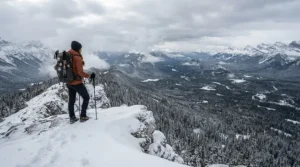
These are hypothetical profiles matched to the research above, not testimonials.
The big-city commuter. Say you walk 15 minutes to a train, ride heated cars, then walk again. You need warmth without sweating. The The North Face McMurdo Parka covers that, thanks to its waterproof shell and hip-covering length. The Helly Hansen Reine Parka, with its breathable membrane, is the alternative if your winters run wet.
The student on a tight budget. You’re spending money on textbooks, not outerwear. The Eddie Bauer Boundary Pass Parka is the move. You get real down and a respectable review score, and you’ll still have cash for coffee. Just layer a fleece underneath for the coldest weeks.
The snow-state homeowner. Two hours of driveway shoveling, then a long cold-weather drive. Movement matters. The Mountain Hardwear Stretchdown Parka is built for that comfort, and the Fjällräven Nuuk Parka works if the snow is wet and heavy.
The extreme-cold professional. Standing at a job site or a frozen sideline for hours? The Canada Goose Expedition Parka is purpose-built. Anything lighter just means more shivering per dollar.
✨ Don’t Miss These Exclusive Deals!
🔍 Take your winter wardrobe to the next level with these carefully selected parkas. Click on any highlighted product to check current pricing and availability. The right parka will help you stay warm, dry, and comfortable all season long!
Parka Buying Guide Men Should Follow: How to Choose in 7 Steps
Short answer: pick a parka by matching your coldest realistic temperature to insulation, shell, and length. Then check fit with layers. Here’s the sequence that works.
- Define your coldest day. Wind chill matters more than the number on the thermometer. NIOSH notes that 40°F with a 35 mph wind feels like 28°F.
- Pick the insulation. Down for dry cold, synthetic for wet cold. More on this below.
- Check the fill power and fill weight. A high number alone doesn’t guarantee warmth. You need enough insulation inside.
- Look at the shell. Waterproof membranes (like on the The North Face McMurdo Parka) beat DWR finishes in slush.
- Choose a length. Hip-length works for walking and driving, thigh-length suits standing around.
- Test the hood. Does it turn with your head? Does the ruff detach?
- Fit it over your thickest layer. Reach, hug yourself, sit down. If it binds, size up.
Follow those and you’ll avoid 90% of buyer’s remorse.
Parka Insulation Types: Down, Synthetic, and Hybrid Explained
Parka insulation types come down to two families, plus a hybrid approach that borrows from both.
Down is the soft undercoating of ducks and geese. Its warmth is rated by fill power, which Trailspace explains as the cubic inches one ounce of down occupies. Higher fill power means warmer, lighter, and more compressible per ounce. Ratings above 800 represent peak thermal efficiency, but they cost more. Fill power isn’t the full story, though. Outdoor Research notes that a 650-fill jacket with a lot of down can match an 800-fill jacket with far less, but it’ll be bulkier and heavier.
Synthetic insulation uses polyester fibers to mimic down. Switchback Travel notes that synthetic fill keeps insulating even when soaked and dries quickly, though it doesn’t match down’s warmth-to-weight ratio. That’s why parkas like the Helly Hansen Reine Parka and Fjällräven Nuuk Parka make sense for damp climates.
Hybrid builds blend the two, putting down in the core and synthetic where moisture hits. They’re less common in parkas, but worth knowing about.
Bottom line: dry cold, choose down. Cold and damp, choose synthetic. Unsure, lean synthetic for peace of mind.
Parka Length Guide: Hip, Thigh, or Knee?
Length changes how a parka feels more than almost any spec. Here’s how the parkas in this roundup stack up.
Hip-length (about 31-33 inches). The The North Face McMurdo Parka (around 31.8 inches), the Eddie Bauer Boundary Pass Parka (around 31.5 inches), and the Helly Hansen Reine Parka (around 32 inches) all land here. It’s the sweet spot for driving, commuting, and sitting down without bunching.
Longer cut (33 inches and beyond). The Mountain Hardwear Stretchdown Parka extends a bit past that, and the Fjällräven Nuuk Parka reaches over the thighs. You get more coverage in wind and snow, at the cost of a little mobility on stairs and in car seats.
Mid-thigh and beyond. The Canada Goose Expedition Parka falls in this territory, built for standing still in brutal cold.
Shorter, boxier. The Patagonia Tres 3-in-1 Parka runs shorter, which suits layering flexibility but gives up some seat coverage.
My rule of thumb: if you walk and drive, stay hip-length. If you stand outside, go longer. Always test sitting down.
Parka vs Winter Coat: What Actually Separates Them
Not every warm coat is a parka, and the distinction matters when you’re spending real money.
| Feature | Parka | Wool Overcoat | Short Puffer |
|---|---|---|---|
| Typical length | Hip to thigh | Knee-length | Waist to hip |
| Hood | Standard | Rare | Common |
| Weather protection | High, often waterproof | Low, absorbs water | Moderate |
| Insulation | Down or synthetic, heavy | Wool, no fill | Down or synthetic, light |
| Best for | Serious cold, snow, wind | Dry urban, formal wear | Mild cold, active use |
A parka is built for weather first, style second. A wool overcoat looks sharper under a suit but soaks up moisture and offers little wind protection. A short puffer is lightweight but leaves your lower body exposed.
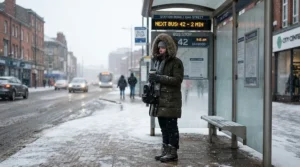
In plain terms, the parka vs winter coat question is really a question about your environment. If your winters involve wind, wet snow, or real subzero stretches, a parka wins on function. If you mostly go from heated car to heated office, a good overcoat or puffer can do the job and look better doing it. Many people end up owning both, using the parka for the cold snaps and the overcoat for dressier days.
Mens Parka Jacket Advice for Specific Buyers
Different wearers need different things from a mens parka jacket. Here’s a quick breakdown.
Beginners. Start with the The North Face McMurdo Parka. It’s forgiving, widely reviewed, and warm enough for most US winters.
Budget-conscious shoppers. The Eddie Bauer Boundary Pass Parka gives real down for little money. Skip the extras and put the savings toward warm gloves and a hat.
Wet-climate dwellers. Synthetic wins. The Helly Hansen Reine Parka and Fjällräven Nuuk Parka keep insulating when damp.
Outdoor enthusiasts. The Mountain Hardwear Stretchdown Parka moves with you, which matters for snowshoeing or shoveling.
Travelers and flexible dressers. The Patagonia Tres 3-in-1 Parka adapts across seasons, making it a good one-coat solution if you value versatility over pure warmth.
Extreme-cold workers. The Canada Goose Expedition Parka is the specialist.
Style-first buyers. Look at slimmer silhouettes and neutral colors, and check that the fit still leaves room for layers underneath. A great-looking parka that can’t fit over a sweater is just a decorative object.
Features That Actually Matter (And Those That Don’t)
Marketing loves piling features onto parkas. Most don’t change how warm you are.
Features that matter:
- Insulation quantity and type. Fill weight and fill power decide warmth.
- Shell waterproofing. A membrane like Helly Tech beats a basic DWR in slush.
- Hood design. A hood that adjusts and doesn’t blind you is worth real money.
- Storm cuffs and a snow skirt. These seal gaps where heat leaks.
- Length. Covers your core and upper legs.
Features that mostly don’t:
- Fur ruff. Faux fur trim can reduce wind on your face, but it’s detachable on nearly every model here. Treat it as styling.
- A dozen pockets. Nice to have, but they won’t warm you up.
- Logo prestige. The tag doesn’t insulate.
The Fjällräven Nuuk Parka, with around eight pockets, is a great example of useful extras. They’re genuinely handy, but you’d still choose it for warmth and weather protection first. Spend your money on the first list.
Common Mistakes When Buying a Mens Parka Jacket
Even smart shoppers trip over the same pitfalls. Here are the big ones.
Buying on fill power alone. A high number sounds impressive, but without enough fill weight, you’ll still be cold.
Ignoring wet-weather performance. Down parkas shed snow fine, but wet snow and rain can defeat a basic DWR. If you live somewhere damp, synthetic fill or a waterproof shell matters.
Skipping the layered try-on. Fit a parka over a T-shirt and you’ll size too small. Always test over your thickest sweater.
Overbuying for your climate. A Canada Goose Expedition Parka in a mild climate is like towing a boat to the grocery store. You’ll sweat, and sweat undermines insulation.
Underbuying and compensating with layers. A thin parka plus three sweaters is usually bulkier and less comfortable than one properly insulated coat.
Forgetting length. A parka that stops at the waist leaves your seat exposed to cold bus benches and car seats.
Chasing discounts blindly. A heavily marked-down parka isn’t a deal if the spec doesn’t match your climate. Check the insulation and shell first, then the price.
Safety and Layering: Staying Warm Without Overheating
A parka is one part of a system. NIOSH recommends wearing several layers of loose clothing because layering provides better insulation, and notes that cold stress guidance from the CDC and NIOSH applies to anyone who must be outdoors in cold weather. A related safety note says to wear at least three layers of loose-fitting clothing, with an outer layer that protects against wind and rain while allowing some ventilation to prevent overheating.
That ventilation point is where parkas shine. A good shell and breathable insulation let moisture out so you don’t end up damp and chilled. Fabric choice underneath also matters. Cotton loses insulating value when wet, while wool and most synthetics keep working.
Practical setup: a moisture-wicking base layer, a fleece or wool mid-layer, then your parka. Add a hat, gloves, and insulated socks. Remember that hypothermia can occur even above 40°F if you become chilled from rain, sweat, or water. If you start sweating, vent your zipper or take off a layer before you get damp.
Long-Term Cost and Maintenance: What Each Parka Really Costs You
Sticker price isn’t total cost. A parka you wear for eight winters costs less per season than a cheaper one that falls apart in two.
| Price Tier | Typical Pick | What You’re Paying For | Best For |
|---|---|---|---|
| Budget ($100-$250) | Eddie Bauer Boundary Pass Parka, Helly Hansen Reine Parka | Real insulation, basic weather resistance | Students, first-time buyers |
| Mid-range ($350-$500) | The North Face McMurdo Parka, Fjällräven Nuuk Parka, Mountain Hardwear Stretchdown Parka | Waterproof shells, better materials, durability | Daily commuters, regular winter wearers |
| Premium ($700+) | Patagonia Tres 3-in-1 Parka, Canada Goose Expedition Parka | Versatility or extreme-cold capability | Specific needs, long-term investment |
Looking at the table above, the mid-range tier is where most buyers get the best return. The The North Face McMurdo Parka and Fjällräven Nuuk Parka combine strong independent reviews with durability that justifies the spend over several winters. The budget tier is smart if you only need two or three seasons, while the premium tier only pays off if you actually need what it offers.
Maintenance adds small costs: a down-specific wash and DWR refresh each season. Do that, and even the cheaper picks last longer. If a parka’s zipper fails or a seam splits, brands with solid repair programs can extend its life further.
FAQs: Quick Answers for Buyers
❓ How much should I spend on a mens parka jacket?
❓ Is a down parka warmer than a synthetic one?
❓ What temperature is a parka good for?
❓ Can I wash a down parka at home?
❓ Are faux fur hoods worth it?
Conclusion
If you want one answer, make it the The North Face McMurdo Parka. It balances real down, a waterproof shell, and a sensible length at a fair price, and independent testers keep landing on it. If your winters are wet, the Fjällräven Nuuk Parka or Helly Hansen Reine Parka make more sense because synthetic fill keeps working when damp. If your budget is tight, the Eddie Bauer Boundary Pass Parka gives you remarkable value. For all-day comfort, look at the Mountain Hardwear Stretchdown Parka. For variable climates, the Patagonia Tres 3-in-1 Parka earns its premium. And for truly brutal cold, the Canada Goose Expedition Parka is in a category of its own.
The real secret behind the best parka men can wear isn’t the logo. It’s matching insulation, shell, and length to your actual winter, then caring for it properly. Use the parka buying guide men steps above, check the parka insulation types that fit your climate, and test the length by sitting down in it.
✨ Ready to Stay Warm This Winter?
🔍 Click on any highlighted parka above to check current pricing and availability. Choose the one that matches your climate, and you’ll be set for many winters to come. Stay warm out there! 🧥
Recommended for You
- Hooded Windbreaker Men: 7 Best Picks For 2026
- Packable Windbreaker Men: 7 Best Ultralight Picks For 2026
- Lightweight Windbreaker Men: 7 Best Picks Compared For 2026
Disclaimer: This article contains affiliate links. As an Amazon Associate, I earn from qualifying purchases. If you purchase products through these links, we may earn a small commission at no additional cost to you.
✨ Found this helpful? Share it with your friends! 💬🤗
