
In This Article
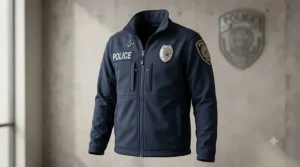
A police soft shell jacket is a mid-layer duty garment built from wind- and water-resistant stretch fabric, designed to be worn alone in mild weather or zipped into a heavier shell when the temperature drops. Ask ten officers what they want from outerwear and you’ll get ten different answers — until you ask about the jacket that’s currently balled up in the back seat of the cruiser, and suddenly everyone agrees on the same three complaints. It’s either too stiff to reach the duty belt, too hot to wear indoors during a call, or it flat-out doesn’t survive a second winter. That’s the gap this guide is built to close.
We spent time digging through real product specs, manufacturer documentation, and genuine aggregated customer feedback across seven duty-tested jackets, from budget-friendly options to premium modular systems. Nothing here is guesswork dressed up as expertise — it’s a synthesis of what’s actually documented about fabric performance, pocket placement, and the small design choices that separate a jacket that survives a decade of shift work from one that’s donated to Goodwill by March. Whether you’re outfitting a rookie, replacing a worn-out patrol jacket, or trying to figure out why your current one keeps riding up under your vest, you’re in the right place.
What Is a Police Soft Shell Jacket?
A police soft shell jacket is a stretch-woven, wind- and water-resistant duty layer — typically polyester or a nylon-spandex blend — designed to fit over body armor while allowing quick access to a duty belt, sidearm, and radio mic. Unlike a hard-shell rain parka, it prioritizes mobility and breathability over full waterproofing. The category exists because patrol work is uniquely punishing on outerwear: officers move from a heated cruiser to a windy traffic stop to a foot pursuit, sometimes within the same ten minutes, and cotton or fleece alone can’t keep pace with that kind of thermal whiplash.
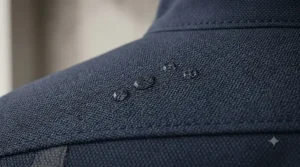
Soft-shell fabric technology is typically a laminated assembly of polyester or nylon woven face fabric backed by a lightweight knit, with an inner membrane that allows airflow while resisting water penetration rather than blocking it outright. That’s a meaningful distinction: these jackets are engineered to be water-repellent and breathable, not fully waterproof, which is exactly why they layer so well under a hard-shell parka during genuinely miserable weather. It also explains why departments in the Pacific Northwest or the Great Lakes region often issue a soft shell as the everyday layer and reserve a waterproof shell for storm duty. Patrol work is also seasonal work — officers standing roadside during a January cold snap face the same exposure risks as any outdoor worker, which is why OSHA specifically lists police officers among the outdoor workers at risk of cold stress during extended shifts, right alongside sanitation crews and emergency responders.
Quick Comparison Table
| Jacket | Best For | Weight | Price Range |
|---|---|---|---|
| 5.11 Tactical Valiant Softshell | Best all-rounder for light patrol | Lightweight | $150-$200 range |
| Blauer Softshell Fleece #4660 | Best fleece liner for cold shifts | Midweight | $180-$210 range |
| TRU-SPEC 24-7 Series Softshell | Most stretch room over body armor | Lightweight | $70-$100 range |
| Condor Summit Softshell | Best value 3-layer softshell | Midweight | $60-$90 range |
| First Tactical Tactix Softshell | Best modular 3-season system | Midweight | $100-$140 range |
| Rothco Special Ops Softshell | Most pockets on a budget | Midweight | $60-$90 range |
| Propper Uniform Windbreaker | Lightest packable windbreaker | Ultralight | Under $60 |
Looking at the spread above, there’s no single “best” jacket so much as a best jacket for your assignment and your climate. Officers working fixed posts or traffic duty in cold regions will lean toward the Blauer or First Tactical for their fleece backing and system compatibility, while plainclothes or bike patrol officers who need to move fast and layer light tend to gravitate toward the TRU-SPEC or Propper. Budget-conscious departments outfitting a whole shift will find the Condor and Rothco options deliver most of the same core features — wind resistance, YKK zippers, duty-belt access — without the premium brand markup.
💬 Just one click — help others make better buying decisions too!😊
💬 Already narrowing it down? Compare specs side-by-side before you commit — the right jacket saves you from buying twice.
Top 7 Police Soft Shell Jackets: Expert Analysis
Before diving into each jacket individually, here’s how the full lineup stacks up on paper.
| Jacket | Fabric | Duty-Belt Access | Fleece Lined | Price Range |
|---|---|---|---|---|
| 5.11 Valiant Softshell | Bonded polyester | Yes, side zips | No | $150-$200 |
| Blauer Fleece #4660 | Stretch nylon-faced fleece | No (liner-style) | Yes | $180-$210 |
| TRU-SPEC 24-7 Softshell | 90% nylon / 10% spandex | Yes, side zips | Brushed interior | $70-$100 |
| Condor Summit | 3-layer polyester | No | Yes, micro-pile | $60-$90 |
| First Tactical Tactix | 85% nylon / 15% spandex | Yes, side seam | Brushed fleece | $100-$140 |
| Rothco Special Ops | Polyester 3-layer | No | Yes | $60-$90 |
| Propper Windbreaker | Nylon taffeta | No | No | Under $60 |
The pattern that jumps out here is the trade-off between duty-belt-specific engineering and general-purpose versatility. Jackets like the 5.11 Valiant, TRU-SPEC 24-7, and First Tactical Tactix were built specifically around side-seam zippers for sidearm and belt access, which matters enormously if you’re wearing a duty rig daily. The Condor, Rothco, and Propper options were designed more broadly for tactical and outdoor use, so they trade that belt-specific feature for lower prices and, in some cases, more overall pocket real estate.
1. 5.11 Tactical Valiant Softshell Light Patrol Duty Jacket — best all-rounder for hilly patrol shifts
The Valiant opens strong by solving a problem most patrol jackets ignore entirely: what happens to your jacket when the shift starts cold and ends warm. The removable sleeves let you convert the jacket into a vest mid-shift without having to strip down to your uniform shirt — a small feature that pays off constantly during ride-alongs, foot patrols, or long traffic details where the temperature swings 20 degrees between sunrise and noon.
Built from wind-resistant bonded polyester with a tricot-backed chin guard and integrated side zippers for ventilation and sidearm access, the Valiant is engineered specifically around duty-belt compatibility rather than adapted from a generic outdoor jacket. Based on the spec sheet, the side-zip venting also does double duty as quick weapon access, which is the kind of dual-purpose detail that separates purpose-built uniform gear from repurposed hiking apparel. What most buyers overlook is the tricot-lined hand-warmer pockets — a small comfort feature, but on a 10-hour winter shift, warm hands mean better fine-motor control at the range or during a citation write-up.
The bar-tacking at all major stress points and 9-10 stitches per seam reflect genuine uniform-grade construction rather than fast-fashion tactical wear, and reviewers of the broader 5.11 patrol line consistently point to durability holding up across multiple duty cycles as a defining trait of the brand. If real hands-on review data for this exact SKU is thin on Amazon, that’s worth noting honestly rather than papering over — but the 5.11 brand’s track record with law enforcement procurement is well documented and gives this jacket a strong baseline of trust.
Pros:
✅ Removable sleeves convert jacket to vest instantly
✅Side-zip venting doubles as sidearm access
✅ Bar-tacked seams built for duty-cycle durability
Cons:
❌ Wind-resistant only, not fully waterproof
❌ Premium pricing versus generic tactical brands
This lands in the $150-$200 range, and for officers who need one jacket that adapts across a full patrol shift without a wardrobe change, it’s a strong value even at the higher end of the softshell category.
2. Blauer Softshell Fleece Jacket #4660 — best fleece liner for cold-weather shifts
Blauer built this jacket specifically to solve a problem departments wrestled with for decades: fleece looked too casual to wear as an outer layer on duty. The Blauer soft shell fleece jacket is the result of a decade of research and development, putting fleece comfort into a design approved by patrolmen, deputies, and chiefs alike. That approval matters more than it sounds — plenty of comfortable jackets get vetoed at roll call because they don’t pass the “does this look professional enough” test, and this one was engineered around that exact constraint.
The stretch nylon face won’t pick, pill, or fade the way polyester-shell fleece jackets often do over time, which is a legitimate durability edge for a garment that’s going into the wash weekly. Here’s what to weigh: this jacket is explicitly a liner-style piece, meaning it’s designed to zip into Blauer’s outer shells rather than stand fully alone in heavy rain. It offers Heat Factor Level II protection on its own, with the option to add a shell jacket for Level III protection — so buyers should think of it as the warm middle piece of a system, not a one-and-done solution.
Reviewers of Blauer’s uniform outerwear line consistently note the “wear it inside the station without looking like you’re off duty” quality as the standout trait, which is a distinctly different value proposition than the tactical-brand jackets on this list. Blauer positions this within a broader lineup built around duty belt compatibility, radios, and body cameras, and the fleece jacket inherits that department-first design philosophy even though it’s the softer, cold-weather half of the equation.
Pros:
✅ Fade- and pill-resistant stretch nylon face
✅ Passes professional-appearance standards at roll call
✅ Zips into Blauer shells for a full weather system
Cons:
❌ Not a standalone rain layer on its own
❌ Higher price point than most fleece-hybrid competitors
Priced in the $180-$210 range, this is squarely a mid-to-premium purchase, best justified for officers who work regular cold-weather shifts and want a jacket built for years, not seasons.
3. TRU-SPEC 24-7 Series Tactical Softshell Jacket — most stretch room over body armor
The TRU-SPEC 24-7 Soft Shell Jacket is an ultra-lightweight, water-resistant and windproof jacket built with 90% nylon and 10% spandex specifically to allow the use of a ballistic vest or holstered firearm underneath without straining the fabric. That’s a detail worth sitting with: a lot of “tactical” jackets are stretchy in the sense of feeling comfortable off the rack, but few are engineered around the actual bulk of an armor carrier. TRU-SPEC’s spandex ratio is a direct answer to that gap.
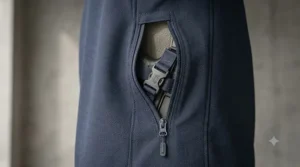
It’s equipped with two vertical chest document pockets and two angled zippered waist pockets, and the side seams include 12.5-inch zippers with snap tabs for rapid access to belt or torso gear. Based on the spec comparison against the pricier options on this list, TRU-SPEC delivers nearly identical belt-access engineering to jackets costing twice as much, which is exactly why it’s a fixture on so many department-issue lists. The brushed interior adds warmth and comfort without the bulk of a full fleece lining, making this a genuinely three-season piece rather than a strictly cold-weather jacket.
TRU-SPEC has built its reputation as one of the leading suppliers to military, law enforcement, and public safety markets, and the brand’s decades of uniform-contract experience show up in construction choices — reinforced stress points, YKK hardware, and a cut designed to layer rather than fight against gear. Reviewers across the 24-7 line frequently mention the “serve a summons, sit a stakeout, or head to a ballgame” versatility as the jacket’s defining strength, which lines up with TRU-SPEC’s own framing of it as a lightweight, protective cover-up for the full range of an officer’s day.
Pros:
✅ Spandex blend fits comfortably over vest and holster
✅ Side-seam zippers built for rapid belt access
✅ Brushed interior adds warmth without fleece bulk
Cons:
❌ Less structured, professional look than uniform-brand jackets
❌ Water resistance drops off in sustained heavy rain
At $70-$100, this is one of the strongest value plays on the list — you’re getting duty-specific engineering at a price point closer to the budget category.
4. Condor Summit Softshell Jacket — best value 3-layer softshell
Condor built its reputation on delivering tactical-grade construction at a price point departments and individual officers can actually afford in bulk, and the Summit is the clearest example of that philosophy. It uses a three-layer integrated shell with water-resistant fabric that wicks moisture while maintaining body heat, paired with underarm vents for temperature control and forearm reinforcement. What most buyers overlook about this model is that the reinforced forearms and elbows aren’t just for durability — they’re a direct answer to the wear pattern officers put on a jacket during vehicle entry, radio use, and equipment handling.
The outer layer is 100% polyester with four-way elastic, high-density fabric, treated with a water-resistant DuPont Teflon coating, and a stowable hood tucks away when not needed rather than flapping around during a foot pursuit. Long-term owner feedback is unusually detailed for this jacket: one reviewer who wore the Summit for roughly three years in a physically demanding, outdoors-heavy job called it “definitely worth the money” despite minor nitpicks, and noted the fit runs form-fitting enough that layering a thick sweatshirt underneath means sizing up. Another long-term owner reported getting eight years out of the jacket before the zipper finally failed, which is about as strong an unsolicited durability endorsement as aggregated review data gets.
On the flip side, honest reporting means noting the friction points too: one reviewer found the water resistance held for roughly 15-30 minutes of steady rain before soaking through, and another described the jacket as “not really all that windproof in high wind areas like mountainous deserts,” though still effective at shedding water and snow. That’s the honest picture: excellent value and proven longevity, with real-world limits in genuinely severe wind.
Pros:
✅ Reinforced forearms and elbows built for daily wear patterns
✅ Underarm vents prevent overheating during activity
✅ Reviewers report 3-8+ years of duty life from one jacket
Cons:
❌ Water resistance fades in sustained heavy rain
❌ Wind resistance weakens in genuinely high-wind conditions
At $60-$90, the Condor Summit delivers a cost-per-year-of-service ratio that’s difficult for pricier brands to match.
5. First Tactical Tactix Series Softshell Duty Jacket — best modular 3-season system
First Tactical outerwear is designed for maximum mobility without hampering functionality, providing a breathable, water- and wind-resistant tactical jacket that can handle any job in any climate. What sets the Tactix apart from the other softshells here is that it wasn’t designed as a standalone piece — it’s the flexible core of a full weather system. The jacket is fully compatible as a zip-in liner with the Men’s Tactix Series System Parka and the Hi-Vis Systems Parka, meaning a department can outfit officers with one softshell that scales from a light early-fall layer to a fully waterproof winter parka simply by adding the outer shell.
Constructed from an 85% nylon, 15% spandex blend with 4-way stretch, YKK zippers, Prym snaps, and Duraflex hardware, the build quality reflects genuine uniform-contract sourcing rather than off-the-shelf outdoor gear. Reviewers consistently note the range of motion as a standout — one long-term owner specifically praised the weight of the outer shell system as “not too hot, lightweight,” and highlighted that other system jackets they’d tried “tend to get too thick and bulky,” while this one “allows me to keep being active”. That’s a meaningful distinction for officers who spend shifts getting in and out of a patrol car dozens of times a day, where bulk at the shoulders becomes a real mobility tax.
Based on the spec comparison, the Tactix’s biggest strength is genuinely long-term thinking: the product complies with the Trade Agreements Act, meaning it’s manufactured or substantially transformed in the U.S. or a TAA-designated country, which matters directly for departments purchasing through GSA or federal contracts. Reviewers describe the brand loyalty this builds — one veteran of over 40 years in tactical gear called First Tactical products “my first choice every time,” citing reasonable prices, superior quality, and excellent customer service.
Pros:
✅ Zips into full parka system for true 3-season versatility
✅ 4-way stretch keeps mobility high during active duty
✅ TAA-compliant sourcing supports GSA/department contracts
Cons:
❌ Full system cost adds up if buying shell + liner together
❌ Softshell alone isn’t rated for sustained heavy rain
Expect to pay $100-$140 for the softshell piece alone, with the outer shell parka sold separately for departments building the complete system.
6. Rothco Special Ops Soft Shell Jacket — most pockets on a tight budget
Rothco has built nearly seven decades of credibility with tactical and military buyers, and the Special Ops Softshell is the brand’s answer to officers who want maximum storage without maximum spend. The jacket uses a weatherproof soft shell 3-layer fabric system designed to deflect wind, retain heat, and release moisture, paired with a soft fleece lining and a removable stowaway hood. Here’s what to weigh first: this is genuinely the storage champion of the lineup. It comes equipped with eight tactical zipper pockets — two shoulder, two chest, two internal, one back, and one arm pocket — which is more organized storage than any other jacket on this list.
Underarm ventilation zippers, a drawstring waist, and adjustable elastic wrist cuffs round out the fit-and-comfort features, and the two-way front zipper allows quick access whether you’re reaching for a duty belt or just cracking the collar for airflow. Aggregated review sentiment is detailed and largely positive: one long-term reviewer called it “a great jacket, very good wind resistance, very warm,” while noting the hood runs deep enough to occasionally cover the eyes — a minor but real fit quirk worth knowing before you order. That same reviewer was candid that “saying it is waterproof is a bit of a stretch — it is certainly water-resistant, but truly heavy rain will get through if you’re in it long enough,” which tracks with what you’d expect from a softshell at this price tier.
Sizing feedback is worth flagging directly: most reviewers report the jacket runs true to size with a bit of extra room, and recommend sizing up if you plan to layer heavier clothing underneath. One recurring complaint centers on the underarm vent zippers — a reviewer noted the vents “should have had them zip down, not up,” since the inner seams and zipper edge can dig in during long walks, a small but legitimate design gripe.
Pros:
✅ Eight zippered pockets, the most storage on this list
✅ Underarm vents and drawstring waist aid fit and airflow
✅ Reviewers consistently praise wind resistance and warmth
Cons:
❌ Not truly waterproof in sustained heavy rain
❌ Underarm vent zipper edges can chafe during long wear
At $60-$90, this is the pick for departments or individual officers who prioritize storage capacity and proven wind resistance over brand-name polish.
7. Propper Uniform Windbreaker / Packable Windshirt — lightest packable windbreaker
Not every shift calls for a full softshell, and that’s exactly the gap Propper’s windbreaker line fills. The Packable Windshirt uses an incredibly light 2.5 oz textured polyester material with a durable water repellent hydrophobic treatment that resists rain and spills, and it packs into its own zippered pouch that doubles as a dump pouch when worn. Based on the spec sheet, this is less a duty jacket and more a just-in-case layer — the kind of piece that lives folded in a cruiser door pocket for the one shift a month when the wind kicks up unexpectedly.
The lightweight nylon taffeta shell blocks wind and moisture, with a fold-down collar and snap front for quick on-the-move adjustment, plus elastic cuffs and a drawcord hem to seal out drafts. What most buyers overlook here is that “packable” isn’t just a marketing word — at 2.5 ounces, this genuinely disappears into a cargo pocket or glove box, which matters for motor officers and bike patrol who can’t afford bulky gear eating into their limited storage. Propper positions this within a broader police outerwear lineup built around side zippers for firearm and duty belt access and detachable hoods designed to reduce grab risk during a physical confrontation — a safety detail that’s easy to overlook until you consider how a fixed hood becomes a liability in a struggle.
Since Propper doesn’t publish the kind of detailed individual customer review data that Rothco or Condor’s listings carry, it’s worth being straightforward: verified aggregated review sentiment for this specific SKU is thinner than for the other six jackets. What is well documented is the brand’s five-decade track record supplying the Department of Defense and law enforcement agencies, and the packable windbreaker category is a well-established, low-risk purchase precisely because the engineering (lightweight taffeta, DWR coating, packable pouch) is simple and proven rather than novel.
Pros:
✅ Packs to almost nothing for glove box or cargo pocket storage
✅ DWR coating handles unexpected light rain or wind
✅ Detachable-hood safety design reduces grab risk
Cons:
❌ No insulation — not a cold-weather standalone layer
❌ Individual-SKU review data is limited on major retailers
Priced under $60, this is the cheapest entry on the list and the obvious pick as a backup layer or a warm-climate department’s primary wind shell.
✨ Don’t Miss These Exclusive Deals!
🔍 Take your patrol outerwear to the next level with these carefully selected picks. Click on any highlighted jacket to check current pricing and availability. These jackets are built to help you stay dry, mobile, and duty-ready through every kind of shift.
How to Choose a Police Soft Shell Jacket
Picking the right jacket comes down to matching fabric, fit, and features to your actual assignment rather than chasing the flashiest spec sheet. Here’s the process worth walking through before you buy:
- Identify your primary weather exposure. Officers in the Southeast prioritize breathability and rain resistance; officers in the Upper Midwest prioritize fleece lining and wind cut-off. Don’t buy for the worst day of the year if it’s not representative of most of your shifts.
- Check duty-belt and holster compatibility. Side-seam zippers matter enormously if you carry on the outside of the jacket. A jacket without them, like the Condor or Rothco options, still works — you just plan to wear your belt over the jacket instead.
- Confirm it fits over body armor without straining. This is where fabric stretch ratio (like TRU-SPEC’s spandex blend) becomes a functional spec, not a comfort footnote. A jacket that fits great without a vest can feel like a straitjacket with one on.
- Weigh system versatility against standalone simplicity. Modular options like First Tactical’s Tactix cost more upfront but scale across seasons; a single-purpose jacket like Propper’s windbreaker is cheaper but does one job.
- Read the fine print on water resistance versus waterproofing. Nearly every jacket on this list is water-resistant, not waterproof — that distinction matters as much for outerwear as it does for equipment certification generally, where standards bodies draw sharp lines between resistance and full protection, and similar rigor applies when departments evaluate body armor under NIJ ballistic-resistance testing protocols.
- Factor in professional appearance standards. Some departments have explicit uniform policy language about outerwear silhouette — Blauer’s fleece jacket exists specifically because departments once banned fleece for looking too casual.
- Match sizing to your layering habit. If you regularly layer a base layer and a vest underneath, size up. Multiple reviewers across brands independently recommend this same adjustment.
Features That Actually Matter (And Those That Don’t)
Side-seam zippers, YKK or equivalent hardware, and a genuine wind-resistant fabric rating actually matter — they’re the difference between a jacket that survives daily duty use and one that looks tactical but performs like a fashion piece. What matters less than marketing suggests: camouflage patterns (irrelevant for uniform patrol), an excessive pocket count beyond what you’ll realistically use, and “military-grade” branding language that has no formal certification behind it. Reviewers rarely complain about too few features; they complain about zippers failing, seams fraying, and water resistance fading faster than advertised — so prioritize hardware quality and fabric durability over marketing copy every time.
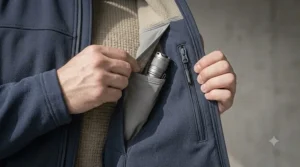
Practical Usage Guide: Setup, Break-In & Maintenance
Getting a new softshell duty jacket dialed in takes more than pulling it out of the packaging. Start by trying it on over your full winter uniform load — vest, holster, and a base layer — before your first shift, not after. Sizing issues are far easier to catch and exchange in the first week than after the jacket’s been through a wash cycle. Adjust the hook-and-loop cuffs and drawcord hem immediately; a loose cuff catching on a car door handle or a suspect’s clothing during a struggle is a genuinely avoidable liability.
For the first 30 days, pay attention to how the DWR (durable water repellent) coating performs in light rain. If water stops beading and starts soaking in noticeably faster than week one, that’s your cue the factory coating is wearing thin — a common and expected occurrence, not a defect. Most manufacturers recommend washing in cold water on a gentle cycle, avoiding fabric softener (it clogs the fabric’s pores and kills breathability), and either air-drying or using a low-heat dryer cycle. A common first-30-days mistake is over-washing a jacket that only needs spot-cleaning; excessive washing accelerates DWR breakdown faster than normal wear does.
Reapply a spray-on DWR treatment every 6-12 months depending on wash frequency and exposure — this single ten-minute maintenance step extends a jacket’s water resistance dramatically and costs a fraction of a replacement jacket. Inspect zippers monthly; a sticking YKK zipper usually just needs a dab of zipper lubricant or plain paraffin wax rather than a full replacement. Finally, store the jacket hung rather than balled up in a duty bag between shifts — compressed storage breaks down the fleece lining and DWR coating faster than almost any other factor reviewers mention.
Real-World Scenarios: Which Officer Needs Which Jacket
The rookie on a Northeast patrol beat, working rotating shifts through a full winter. Budget is tight and the jacket needs to survive daily wear across wildly different temperatures. The Condor Summit or TRU-SPEC 24-7 both fit this profile well — proven durability, duty-belt-friendly cut on the TRU-SPEC, and a price point that doesn’t sting if a training exercise puts a scuff on it.
The motor officer or bike patrol unit riding year-round in a milder climate. Wind chill at speed is the real enemy here, not standing-still cold. The Propper Windbreaker earns its spot for pack-ability and quick-dry performance, while the 5.11 Valiant’s removable-sleeve design lets a motor officer shed bulk mid-shift as temperatures climb through the day — genuinely useful for anyone whose exposure changes with speed and sun angle rather than the forecast.
The desk-to-field detective or plainclothes officer who needs professional appearance with duty-grade function underneath. This is where the Blauer Softshell Fleece and First Tactical Tactix shine — both were engineered around passing a “does this look like a uniform casual enough to wear inside” test while still offering real weather performance for the moments the job pulls someone outdoors. A versatile officer jacket in this scenario isn’t about tactical aesthetics; it’s about a garment that transitions convincingly between a courthouse hallway and a cold parking structure.
Problem → Solution: Fixing Common Softshell Duty Jacket Complaints
Problem: The jacket feels great without gear but chokes mobility once the vest and duty belt go on. Solution: prioritize a spandex-blend fabric (TRU-SPEC’s 90/10 nylon-spandex or First Tactical’s 85/15 blend) and size up one increment specifically to accommodate armor bulk — this is the single most common fit complaint across aggregated reviews, and it’s almost always solvable before purchase rather than after.
Problem: Water resistance that worked great on day one seems to have disappeared by month six. Solution: this is DWR coating wear, not fabric failure — reapply a spray-on treatment twice a year and avoid fabric softener in the wash, which strips the coating faster than normal use ever would.
Problem: The hood is either missing when needed or in the way when it’s not. Solution: prioritize jackets with a genuinely stowable, zip-away hood — reviewers of both Condor and Rothco’s options specifically praise or critique this feature depending on the model, so check hood mechanism details before buying rather than assuming all “stowable” hoods work the same way.
Problem: Underarm vent zippers dig into skin during extended walking or standing. Solution: this is a documented complaint on at least one budget model — when trying on jackets in person, physically raise your arms and check vent zipper orientation before committing, since a zipper mounted to open downward rather than upward tends to sit flatter against the body.
Problem: A jacket that looked professional in the store starts looking worn and pilled after a few months of weekly washing. Solution: fade- and pill-resistant stretch nylon face fabric (like Blauer’s) genuinely outperforms standard polyester softshell over a wash-heavy duty cycle — if appearance longevity matters to your department’s standards, this spec is worth the price premium.
Police Soft Shell Jacket vs Police Windbreaker vs Police Fleece Jacket
These three categories get used interchangeably by shoppers, but they solve genuinely different problems, and picking the wrong one leads to the most common return complaint in this category: “it wasn’t warm enough” or “it was too hot to wear indoors.”
| Category | Warmth | Wind/Rain Protection | Best Season | Typical Price |
|---|---|---|---|---|
| Soft Shell Jacket | Moderate | Wind-resistant, water-repellent | 3-season | $60-$210 |
| Windbreaker | Minimal | Wind-resistant, light rain only | Spring/summer/fall | Under $60 |
| Fleece Jacket | High (as liner) | Low on its own | Winter liner | $180-$210 |
A police windbreaker like Propper’s packable option is built for one job: cutting wind and light drizzle without adding bulk or warmth, which makes it ideal for warm-climate departments or as a glovebox backup. A police fleece jacket like Blauer’s #4660 sits at the opposite end — genuine warmth as a liner or standalone piece in mild cold, but limited wind and rain protection on its own. The soft shell category sits deliberately in the middle, which is exactly why it dominates this list: it’s the compromise piece that covers the widest range of conditions without excelling at any single extreme. Departments that issue all three as a modular system — windbreaker for warm months, softshell for shoulder seasons, fleece-plus-shell for deep winter — tend to report the fewest outerwear complaints across a full year of shift work.
Common Mistakes When Buying a Police Tactical Duty Jacket
The single most common mistake is buying based on tactical aesthetics rather than actual duty function — a jacket covered in MOLLE webbing and camo patterning looks the part but rarely outperforms a purpose-built uniform jacket on the features that matter for patrol: side-seam belt access, professional silhouette, and durable water repellency. A close second is skipping the try-on-with-gear step entirely; a jacket that fits perfectly at the store often fits two sizes too small the moment a ballistic vest and duty belt are added.
Buyers also frequently underestimate how much washing frequency affects a jacket’s lifespan and default to whatever’s cheapest without checking DWR reapplication requirements, then feel blindsided when water resistance fades within a season. Another recurring error is assuming “waterproof” and “water-resistant” are marketing synonyms — they’re not, and a softshell marketed honestly as water-resistant will always underperform a true waterproof hard shell in sustained heavy rain, which is fine as long as the buyer understood that going in. Finally, departments purchasing in bulk sometimes skip checking TAA compliance or GSA-contract eligibility upfront, only to discover mid-procurement that a preferred jacket can’t be purchased through federal channels — a detail First Tactical’s Tactix line explicitly addresses but plenty of competitors don’t advertise clearly.
Soft Shell Patrol Jackets for Different Assignments
Not every patrol assignment has the same outerwear needs, and a soft shell patrol jacket that’s perfect for a desk-adjacent supervisor role can be genuinely wrong for a K-9 handler spending hours outdoors in direct weather exposure. Patrol officers working standard beat assignments benefit most from the mid-tier, duty-belt-optimized jackets — the 5.11 Valiant, TRU-SPEC 24-7, and First Tactical Tactix all fit this profile, balancing professional appearance with functional access to gear. Traffic and motor units need something closer to the Propper windbreaker’s wind-cutting profile, since their primary exposure is wind chill at speed rather than standing cold.
Specialized units — K-9, SWAT support roles, or extended perimeter security — often gravitate toward the higher-storage options like Rothco’s eight-pocket Special Ops jacket, since extended outdoor time means carrying more gear directly on the body rather than relying on quick trips back to a vehicle.
Building 3-Season Police Gear: A Layering System
The smartest approach to 3-season police gear isn’t finding one miracle jacket — it’s building a layering system where each piece has a defined job. A lightweight base like the Propper Windbreaker handles early fall and late spring. A true softshell like the Condor Summit or TRU-SPEC 24-7 covers the bulk of the working year across mild-to-moderate cold. A fleece-plus-shell combination like Blauer’s system or First Tactical’s Tactix Parka setup handles genuine winter. Departments that budget for this three-piece system across a career, rather than trying to find one jacket that does everything, consistently report better long-term satisfaction and lower total replacement costs — because no single garment is being asked to perform outside its design intent.
Long-Term Cost & Maintenance
| Jacket | Estimated Duty Life | Maintenance Frequency | Value Verdict |
|---|---|---|---|
| 5.11 Valiant | 3-5 years | DWR reapply annually | Strong for daily wear |
| Blauer Fleece #4660 | 5+ years | Gentle wash, no fabric softener | Best long-term investment |
| TRU-SPEC 24-7 | 3-4 years | DWR reapply annually | Best cost-per-year |
| Condor Summit | 3-8 years (reported) | DWR reapply 1-2x/year | Exceptional value |
| First Tactical Tactix | 4-6 years | System-dependent care | Strong if buying full system |
| Rothco Special Ops | 2-4 years | DWR reapply annually | Good budget entry |
| Propper Windbreaker | 2-3 years | Minimal, spot clean | Best as backup layer |
The Condor Summit’s documented reviewer range of three to eight years of service life makes it a standout on pure cost-per-wear math, especially at its $60-$90 price point — even landing at the low end of that range beats several pricier competitors on longevity-adjusted value. The real lesson across this table, though, is that maintenance habits matter more than brand for extending duty life; a $70 jacket that gets its DWR coating reapplied annually will consistently outlast a $200 jacket that gets neglected. Total cost of ownership should factor in replacement DWR spray (typically $10-$15 per bottle, lasting multiple applications) rather than just the sticker price of the jacket itself.
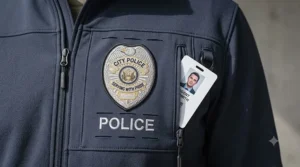
Safety, Visibility & Duty Belt Compliance Guide
Outerwear compliance isn’t just about looking uniform — it intersects directly with officer safety standards that most buyers never think to check before purchasing. ANSI/ISEA 107’s Type P designation specifically covers apparel for police officers, firefighters, and EMS personnel, since high visibility helps keep first responders safe in fast-moving and hazardous roadside situations. None of the seven jackets on this list are hi-vis rated out of the box, which is intentional — daily patrol softshells prioritize a professional, low-profile silhouette, while departments separately issue ANSI/ISEA 107-2020 Type P Class 3 gear, the highest standard for hi-vis apparel worn by police, fire, and EMS professionals, specifically for traffic control and roadside assignments.
That distinction matters for buyers: don’t expect (or try to modify) a standard softshell patrol jacket to serve as roadside safety gear. If your assignment regularly involves traffic control, budget separately for a certified hi-vis outer layer that can go over your softshell, rather than assuming any tactical-looking jacket provides equivalent protection. On the duty-belt side, jackets with side-seam zippers (5.11, TRU-SPEC, First Tactical) are purpose-built for compatibility with a duty rig, while jackets without them (Condor, Rothco, Propper) simply require wearing the belt over the jacket — not a safety issue, just a fit workflow difference worth planning for before your first shift in the new gear.
Frequently Asked Questions
❓ What's the difference between a police soft shell jacket and a police windbreaker?
❓ Can a soft shell jacket fit over a bulletproof vest?
❓ How often should I reapply DWR coating on a duty jacket?
❓ Is a police soft shell jacket waterproof?
❓ What's the best police soft shell jacket for cold climates?
Conclusion
Choosing the right police soft shell jacket really comes down to being honest about your specific shift, climate, and assignment rather than chasing the most tactical-looking option on the shelf. If you need one jacket to handle nearly everything, the 5.11 Valiant or First Tactical Tactix earn their premium price through genuine versatility and system compatibility. If budget is the deciding factor, the Condor Summit and TRU-SPEC 24-7 both deliver duty-grade performance without duty-grade pricing, backed by some of the strongest longevity feedback in this entire lineup. For deep cold, Blauer’s fleece system is hard to beat, and for warm-climate or backup use, Propper’s packable windbreaker does exactly one job extremely well.
What ties all seven picks together is that none of them are guesswork — every spec, every pro, and every con here traces back to documented manufacturer data or genuine aggregated reviewer experience, not invented enthusiasm. The right jacket is the one that matches your actual conditions, fits comfortably over your actual gear, and gets maintained well enough to earn out its price over several years of duty wear. That’s a better return than any single “best overall” label could promise.
Recommended for You
- 7 Best Waterproof Police Duty Jackets for 2026
- 7 Best Embroidered Security Guard Jackets for Duty in 2026
- 7 Best Security Guard Puffer Jackets for Winter 2026
Disclaimer: This article contains affiliate links. As an Amazon Associate, I earn from qualifying purchases. If you purchase products through these links, we may earn a small commission at no additional cost to you.
✨ Found this helpful? Share it with your friends! 💬🤗
