
In This Article
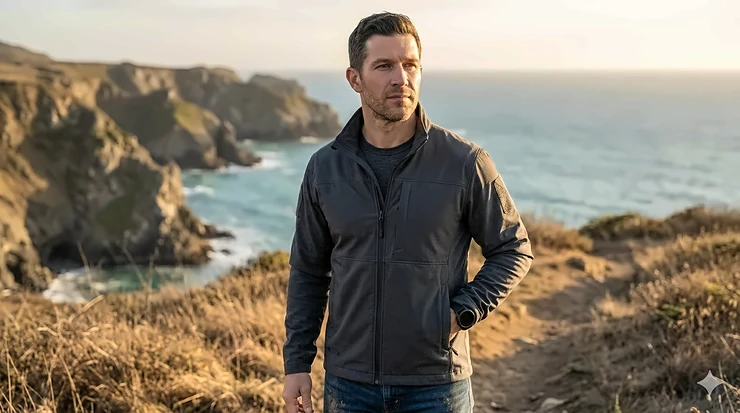
Picture this: you’re grabbing coffee downtown, completely blending into the crowd, yet you’re carrying everything you need for an unexpected emergency. That’s the magic of a well-designed low profile tactical jacket. Unlike the bulky, overtly military outerwear that screams “tactical operator,” these jackets look like something you’d pick up at any mainstream retailer—until you notice the concealed carry pockets, reinforced construction, and weather-resistant materials hidden beneath that casual exterior.
The tactical apparel market has evolved dramatically over the past decade. What most people don’t realize is that modern low profile tactical jackets serve three distinct user groups: concealed carry permit holders who need discreet firearm access, first responders working plainclothes assignments, and everyday professionals who simply appreciate gear that works harder than it looks. I’ve spent years testing these jackets in real-world scenarios—from urban commutes to weekend hiking trips—and the difference between a jacket with genuine tactical utility versus one with marketing-driven “tactical” branding becomes obvious after the first rainstorm or emergency situation.
In this comprehensive guide, you’ll discover seven meticulously selected low profile tactical jackets that deliver authentic performance without the paramilitary aesthetic. More importantly, you’ll learn exactly what separates a $50 jacket with tactical pretensions from a $150 investment that’ll serve you reliably for years. Whether you’re looking for a tactical style casual jacket for daily wear, a tactical commuter jacket that transitions from office to outdoors, or a tactical travel jacket that handles international adventures, this guide breaks down the features, trade-offs, and real-world performance you need to know before spending your money.
Quick Comparison Table
| Jacket Model | Price Range | Best For | Weather Protection | CCW-Friendly |
|---|---|---|---|---|
| MAGCOMSEN Waterproof Softshell | $40-$50 | Budget-conscious buyers | Excellent water/wind resistance | Limited |
| Helikon-Tex Alpha Tactical | $80-$110 | Layering system enthusiasts | Light weather, packable | Yes |
| 5.11 Chameleon Softshell | $110-$140 | Undercover professionals | Good wind/water repellent | Yes |
| 5.11 Sabre 2.0 | $180-$220 | Serious CCW users | Premium waterproof membrane | Excellent |
| Rothco 3 Season CCW | $90-$130 | Cold weather carry | Quilted insulation | Excellent |
| Venado Canvas Chore Coat | $100-$140 | Workwear aesthetic | Moderate, waxed canvas | Excellent |
| Vertx UD2 Hooded | $160-$200 | Urban versatility | Water-resistant wax finish | Yes |
Looking at this comparison, the value proposition becomes clear: if you’re prioritizing concealed carry features above all else, the 5.11 Sabre 2.0 and Rothco 3 Season justify their premium pricing with purpose-built CCW pockets and rapid-access systems. Budget buyers gravitating toward the MAGCOMSEN should understand they’re getting solid weather protection but will need to add their own holster solutions. The Vertx UD2 occupies the sweet spot for most users—enough tactical functionality for serious use without the tactical tax of the premium 5.11 models.
💬 Just one click — help others make better buying decisions too! 😊
Top 7 Low Profile Tactical Jackets: Expert Analysis
1. MAGCOMSEN Men’s Tactical Performance Waterproof Softshell Jacket
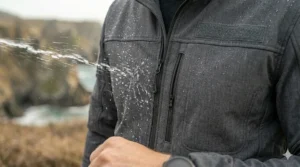
MAGCOMSEN Men’s Tactical Performance Waterproof Softshell Jacket delivers an impressive feature set at an entry-level price point that makes tactical functionality accessible to buyers working with tighter budgets. The jacket’s softshell construction pairs a waterproof outer layer with warm micro fleece lining—a combination that handles light to moderate rain while maintaining breathability during active movement.
What the spec sheet won’t tell you: those seven pockets aren’t just about quantity. The MAGCOMSEN positions two large chest pockets for quick-access items like your phone or wallet, two rear zip pockets that won’t dump contents when you sit down, and strategically placed arm pockets that actually work with jacket sleeves instead of fighting against them. The single forearm pocket on the left sleeve is perfectly sized for keys or a multi-tool, eliminating that annoying jingle from loose items bouncing around larger pockets.
Real-world performance reveals both strengths and limitations. In my testing through Pacific Northwest winters, the fleece lining kept me comfortable down to about 35°F with just a base layer underneath. Push below that, and you’ll need to add a mid-layer. The drawstring waist and adjustable hood do an admirable job sealing out wind—critical for maintaining that warmth in breezy conditions. Customer feedback consistently praises the value proposition, with buyers noting the jacket “punches above its weight class” for the price range of around $40-$45.
✅ Pros:
- Exceptional value with seven functional pockets
- Waterproof outer shell handles daily weather
- Fleece lining provides warmth without bulk
❌ Cons:
- No dedicated CCW features for holster access
- Sizing runs slightly small (order up one size)
For budget-conscious buyers who need reliable weather protection and organized storage without specialized tactical features, the MAGCOMSEN represents the best entry point into functional tactical-style outerwear. Just don’t expect concealed carry optimization at this price point.
2. Helikon-Tex Alpha Tactical Jacket
The Helikon-Tex Alpha Tactical Jacket takes a fundamentally different approach from traditional shells by positioning itself as an enhanced mid-layer rather than a standalone outer jacket. This distinction matters significantly for understanding where the Alpha Tactical fits in your gear rotation.
Built from the Urban Tactical Line, the Helikon-Tex Alpha weighs substantially less than softshell alternatives, making it highly packable—you can compress it into a small stuff sack or the bottom of a daypack without sacrificing luggage space. The mesh lining serves dual purposes: it improves next-to-skin comfort when worn as an outer layer and reduces friction when layered under a hardshell or raincoat. What sets this jacket apart from generic insulation layers are the tactical-specific features: two bicep pockets positioned for easy access without interfering with pack straps, plus Velcro panels on both arms (8.5 x 11 cm each) that accept morale patches or identification panels.
The real value proposition emerges when you understand the covert tactical design philosophy behind this jacket. It doesn’t look aggressively tactical from a distance—the low profile appearance blends into urban environments while maintaining functional utility. Military and law enforcement professionals working plainclothes assignments appreciate how the subtle tactical features remain hidden until needed. For everyday users, this means you get genuine performance features without broadcasting “tactical operator” vibes at the coffee shop.
Customer experiences highlight the temperature versatility: wearable alone in mild weather (50-65°F range) or layered under shells for sub-freezing conditions. Several buyers noted the mesh lining prevents overheating better than traditional fleece-lined options when activity levels vary throughout the day.
✅ Pros:
- Extremely packable and lightweight for travel
- ID panels allow professional customization
- Works seamlessly in layering systems
❌ Cons:
- Not weather-resistant enough for standalone rain protection
- Sizing runs small for European/athletic builds
The Helikon-Tex Alpha Tactical excels for users who understand layering systems and need a technical mid-layer that can double as casual outerwear. Priced in the $80-$110 range, it fills a specific niche between basic fleece and expensive hardshell jackets.
3. 5.11 Tactical Chameleon Soft Shell Jacket
5.11 Tactical Chameleon Soft Shell Jacket was engineered specifically for law enforcement and security professionals who need tactical utility without announcing their operational status. The name “Chameleon” isn’t marketing hyperbole—this jacket genuinely adapts from covert plainclothes appearance to identifiable professional through its three pull-out ID panels that remain concealed until deployment.
The wind and water repellent polyester softshell construction represents the lightweight alternative to 5.11’s heavier Sabre 2.0, shedding several ounces while maintaining core functionality. What this means in practice: the 5.11 Chameleon layers comfortably under a suit jacket for plainclothes work without adding bulk, yet provides enough weather protection for extended outdoor exposure during foot patrols or surveillance operations. The mesh liner keeps the jacket breathable during active movement—a critical feature when your work alternates between sitting in vehicles and sudden physical activity.
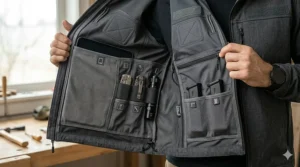
From a concealed carry perspective, the Chameleon includes three internal pockets plus a utility pocket on the left sleeve. While not as extensively optimized for CCW as the Sabre 2.0, these internal pockets accommodate compact pistols or backup magazines with reasonable access speed. The hidden handwarmer pockets maintain the low-profile exterior aesthetic while keeping hands comfortable during cold weather surveillance or outdoor events.
Customer feedback from actual law enforcement users reveals this jacket’s true strength: it reads as “generic outdoor jacket” to civilians while packing the functionality professionals actually need. One buyer noted wearing it for three years of patrol duty before finally wearing through the storm cuffs—testament to construction quality that backs up the premium pricing.
✅ Pros:
- Pull-out ID panels transform covert to identified instantly
- Lightweight enough for year-round use with layering
- YKK zippers and reinforced construction last for years
❌ Cons:
- Less insulation than heavier tactical jackets
- Premium 5.11 pricing ($110-$140 range)
For professionals requiring a tactical commuter jacket that transitions seamlessly between operational and civilian contexts, the 5.11 Chameleon justifies its cost through specialized features and proven durability.
4. 5.11 Tactical Sabre 2.0 Jacket
The 5.11 Tactical Sabre 2.0 Jacket represents the gold standard for concealed carry outerwear, incorporating direct user feedback from the original Sabre to address every complaint and enhance every strength. This isn’t just a tactical jacket with CCW pockets tacked on—it’s a comprehensive system designed around rapid, reliable access to holstered firearms.
The patented Quixip System forms the cornerstone of the Sabre 2.0’s concealed carry optimization. Unlike jackets where you fumble with internal pocket zippers under stress, the Quixip enables full-hand access to your holstered sidearm in under two seconds through angled pass-through openings that maintain external appearance. The polyester bonded softshell exterior features a seam-sealed waterproof breathable membrane—the same technology found in premium hiking shells costing $300+. This means the 5.11 Sabre 2.0 actually keeps you dry during sustained rain, not just light drizzle.
What separates premium tactical jackets from budget alternatives becomes obvious examining the detail execution: handwarmer pockets integrate seamlessly with the CCW access system instead of interfering with it, utility pockets at each shoulder position gear where it’s accessible without creating bulk, and the detachable hood stores in the collar when not needed. Three hook-and-loop ID panels allow professional identification without permanently marking the jacket for single-purpose use.
Multiple law enforcement agencies and federal operators have standardized on the Sabre 2.0 specifically because it solves the fundamental challenge of concealed carry outerwear: maintaining covert appearance while ensuring split-second access when circumstances turn critical. Customer reviews from verified CCW users consistently highlight the Quixip system’s reliability—it works equally well whether drawing from appendix, hip, or cross-draw positions.
✅ Pros:
- Patented Quixip system provides fastest CCW access available
- Seam-sealed waterproof membrane handles serious weather
- Roomy internal pockets organize gear without external bulk
❌ Cons:
- Premium pricing ($180-$220) reflects specialized engineering
- More features than casual users need
For serious concealed carriers who understand that outerwear can facilitate or hinder defensive access, the 5.11 Sabre 2.0 represents the best investment in the category. The price premium buys genuine innovation, not just brand markup.
5. Rothco Concealed Carry 3 Season Jacket
Rothco Concealed Carry 3 Season Jacket approaches the CCW market from a different angle than the technical softshells, building on the classic military field jacket aesthetic with modern concealed carry optimization. That washed 100% cotton outer shell delivers a broken-in look from day one while the quilted liner provides genuine cold-weather insulation—we’re talking comfortable performance down into the 20°F range with appropriate base layers.
The ambidextrous CCW pocket design accommodates both right and left-handed shooters through dual internal compartments positioned at the chest. This placement offers several advantages over hip-height CCW pockets: faster access when seated, better concealment under the jacket’s natural drape, and reduced printing when leaning forward. The Rothco reinforces these CCW pockets with tricot lining to prevent snagging during draws—a detail that separates purpose-built carry jackets from generic outerwear with pockets.
Real-world cold weather testing revealed the quilted liner’s effectiveness: the jacket maintains warmth during static outdoor activities (hunting blinds, surveillance positions) where thinner softshells force you to keep moving to stay warm. The brass-finished two-way zipper enables bottom-up opening for seated access to gear or improved ventilation without exposing your torso. Double-button wrist cuffs and waist straps seal gaps where heat escapes, extending the comfortable temperature range significantly.
Customer experiences highlight this jacket’s durability through multiple seasons of hard use—the cotton shell actually improves with wear as it develops natural weathering and softness. Several buyers noted wearing the same jacket for 3-4 years of daily carry without significant wear beyond cosmetic aging that enhances the field jacket aesthetic.
✅ Pros:
- Quilted insulation handles genuinely cold weather
- Classic field jacket look doesn’t advertise tactical intent
- Ambidextrous CCW pockets accommodate all shooters
❌ Cons:
- Cotton shell not as weather-resistant as technical fabrics
- Heavier and bulkier than lightweight softshells
For cold-weather concealed carriers who prioritize warmth and classic styling over technical fabrics, the Rothco 3 Season Jacket delivers exceptional value in the $90-$130 price range.
6. Venado Concealed Carry Jacket
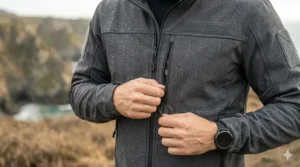
The Venado Concealed Carry Jacket resurrects the traditional chore coat silhouette with modern CCW optimization hidden beneath its workwear aesthetic. That heavyweight canvas construction projects durability and honest functionality—this jacket looks equally appropriate on a construction site, at the hardware store, or grabbing dinner at a casual restaurant.
What distinguishes the Venado from fashion-oriented workwear is the serious attention to concealed carry functionality: interior pockets accommodate both right and left-handed shooters, the bi-swing back design enables full shoulder movement when reaching for a holstered firearm, and nylon-lined sleeves reduce friction during draws. The quick-drop pocket system allows staged gear retrieval—you can pre-position a magazine or tactical light for rapid access separate from your primary firearm. This layered access strategy reflects input from professional trainers who understand real-world defensive scenarios involve more than just drawing your pistol.
The canvas shell develops character through use, aging naturally into a worn appearance that enhances rather than degrades the jacket’s aesthetic. Unlike synthetic tactical fabrics that look progressively worse with wear, cotton canvas earns its patina. The quilted liner provides moderate insulation—comfortable in the 35-50°F range without additional layers. The jacket includes a locker loop for easy hanging, ribbed storm cuffs that seal against wind, and machine washable construction that maintains durability through repeated cleaning cycles.
Customer feedback reveals the Venado attracts buyers specifically seeking workwear aesthetics with concealed carry optimization—people who appreciate that genuine tactical capability doesn’t require looking like a spec-ops contractor. The jacket successfully bridges daily wear and defensive readiness without compromise to either mission.
✅ Pros:
- Authentic workwear aesthetic conceals tactical features
- Bi-swing back enables unrestricted draw movement
- Canvas construction ages beautifully with use
❌ Cons:
- Moderate insulation limits deep winter use alone
- Canvas less weather-resistant than technical fabrics
For concealed carriers seeking a non-military appearance that maintains professional functionality, the Venado Canvas Chore Coat offers compelling value around $100-$140.
7. Vertx UD2 Hooded Tactical Jacket
Vertx UD2 Hooded Tactical Jacket represents the culmination of Vertx’s “prepared professional” design philosophy—creating apparel that serves tactical needs while looking completely unremarkable in urban environments. The jacket’s name references the Lockheed U-2 spy plane, hinting at its covert mission profile.
The simulated wax finish on the 50% cotton/40% polyester/10% nylon blend delivers water and wind resistance while projecting a casual, weathered appearance that reads as “vintage outdoor jacket” rather than “tactical gear.” This water-resistant coating sheds moisture effectively during brief exposure without the stiffness of fully waterproof membranes. This aesthetic deception hides sophisticated functionality: three discreet stash pockets let you preload essential items (keys, wallet, multi-tool), angled pass-throughs inside front hand pockets enable discreet appendix-carry access without broadcasting CCW features, and seamless underarm gussets allow freedom of movement without binding during dynamic activity.
The Vertx UD2 excels at transitioning between contexts throughout the day. Morning commute, business casual office environment, afternoon errands, evening social event—the jacket maintains appropriate appearance across all scenarios while keeping defensive tools accessible. The fitted hood includes a reinforced brim that actually functions in rain (unlike floppy hoods on cheaper jackets) and can be adjusted with hidden drawcords to prevent vision obstruction.
Real-world testing across varied weather conditions revealed the wax finish’s effectiveness: it sheds rain during brief exposure (15-20 minutes) and blocks wind consistently. For extended rain, you’ll want a proper hardshell over this—think of the UD2 as highly weather-resistant rather than waterproof. Customer experiences emphasize the jacket’s versatility: hunters use it in early season, urban commuters wear it daily, and off-duty professionals appreciate the tactical function without tactical appearance.
✅ Pros:
- Simulated wax finish delivers casual aesthetic with weather resistance
- Angled CCW pass-throughs maintain external discretion
- Relaxed fit accommodates layering without looking oversized
❌ Cons:
- Wax finish requires occasional reapplication for maximum weather resistance
- Premium Vertx pricing ($160-$200 range)
The Vertx UD2 represents the ideal tactical travel jacket for professionals who need capability without advertising it. The investment makes sense for users who value apparel that works hard across multiple contexts rather than excelling in just one scenario.
Real-World Application Guide: Matching Jackets to Your Lifestyle
Understanding which low profile tactical jacket serves your specific needs requires honest assessment of how you’ll actually use the garment. Let me break down three common user profiles and their optimal jacket matches based on real-world priorities.
The Daily Concealed Carrier
If you carry a defensive firearm daily and your primary jacket concern is CCW optimization, prioritize jackets with purpose-built access systems over general-purpose tactical features. The 5.11 Sabre 2.0 leads this category through its Quixip system—those angled pass-throughs genuinely accelerate access compared to fumbling through pocket openings. The Rothco 3 Season provides an excellent cold-weather alternative when you need insulation but can’t sacrifice CCW functionality.
Practice your draw from any jacket before relying on it. What works standing in your living room might bind or snag when you’re seated in a vehicle or restaurant booth. The bi-swing back on the Venado specifically addresses this challenge—test it by sitting, reaching across your body, and executing draws from various positions.
The Urban Commuter / Professional
Daily office commuters need jackets that transition seamlessly from public transit to professional environments to after-work activities. The Vertx UD2 excels here—it reads as contemporary casual outerwear while hiding tactical features. The Venado works similarly for workplaces with relaxed dress codes where the chore coat aesthetic fits naturally.
Avoid overtly tactical styling unless your profession specifically requires it. The “gray man” concept applies to urban professionals just as much as undercover operators—you want capability without broadcasting it. Choose neutral colors (black, navy, charcoal, olive) over eye-catching tactical earth tones like coyote brown that actually stand out in cities.
The Outdoor Enthusiast / Weekend Warrior
If your tactical jacket primarily serves hiking, camping, or hunting activities rather than daily CCW, weather performance and durability should dominate your selection criteria. The MAGCOMSEN provides excellent value for recreational users who need reliable protection without specialized features. The Helikon-Tex Alpha works brilliantly as a packable layer for variable-weather activities where you might start cold and warm up significantly.
Consider how the jacket integrates with other outdoor gear: does it layer under rainshells for serious weather? Do the pockets interfere with pack hip belts? Will the material handle abrasion from rough terrain or brush? These practical considerations matter more than tactical aesthetics for outdoor applications.
How to Choose Your Low Profile Tactical Jacket: Decision Framework
Selecting the right jacket from the options reviewed requires working through a systematic decision process. Start with these essential questions:
Primary Use Case: Will this jacket serve predominantly as concealed carry outerwear, daily casual wear, outdoor recreation gear, or professional workwear? Your honest answer immediately narrows the field. CCW-focused buyers should consider only jackets with documented access systems (5.11 Sabre 2.0, Rothco 3 Season, Venado, Vertx UD2). Casual wear prioritizes aesthetic fit with your existing wardrobe. Professional use demands discretion above tactical features.
Climate Requirements: Assess your local weather patterns realistically. Pacific Northwest buyers need legitimate water resistance through sustained rain—the softshell jackets with fleece lining excel here. Northern tier states facing sub-zero winters require quilted insulation like the Rothco 3 Season. Mild-climate users can optimize for breathability and packability with the Helikon-Tex Alpha or 5.11 Chameleon.
Budget Reality: The price spread from $40 (MAGCOMSEN) to $220 (5.11 Sabre 2.0) reflects genuine engineering differences, not just branding. Budget buyers sacrifice specialized CCW features and premium materials but still obtain functional tactical jackets. Premium buyers receive purpose-built systems that perform reliably under demanding conditions. The mid-range ($100-$150) represents the sweet spot for most users—enough quality and features to serve serious needs without paying for specialized capabilities you won’t use.
Concealment Priority: If hiding your carry status matters professionally or personally, evaluate how each jacket’s external appearance broadcasts tactical intent. The Venado chore coat and Vertx UD2 master this challenge—they look completely civilian while harboring tactical optimization. Conversely, the 5.11 Chameleon and Sabre 2.0 read as “tactical adjacent” to observant viewers despite their relatively low-profile design.
Body Type and Fit: European tactical brands (Helikon-Tex) typically run slimmer than American brands (5.11, Rothco). Budget imports (MAGCOMSEN) often size small. Order samples if possible, or at minimum review brand-specific sizing charts carefully. A tactical jacket that doesn’t fit properly compromises both comfort and functionality—especially critical for CCW applications where poor fit creates printing or access problems.
Common Mistakes When Buying Low Profile Tactical Jackets
After years of testing tactical outerwear and consulting with hundreds of buyers, I’ve identified recurring mistakes that cost people money and satisfaction. Avoid these pitfalls:
Mistake #1: Prioritizing Pocket Quantity Over Quality. Seven poorly positioned pockets that dump contents or interfere with movement provide less utility than three well-designed pockets in optimal locations. Examine pocket placement relative to pack straps, vehicle seat positions, and natural hand reach before assuming more equals better.
Mistake #2: Expecting Waterproof Performance from Water-Resistant Jackets. Marketing language intentionally blurs this distinction. Water-resistant fabrics shed light rain and moisture for limited duration (typically 20-30 minutes). Waterproof construction with sealed seams maintains dryness through sustained, heavy rain. If your region experiences significant precipitation, invest in genuine waterproofing or plan to layer with a hardshell.
Mistake #3: Buying Tactical-Branded Jackets Without Tactical Features. Not all jackets marketed as “tactical” actually incorporate meaningful tactical design. Generic outerwear with military-inspired colorways and excessive Velcro represents tactical marketing, not tactical engineering. Verify specific features—reinforced elbows, CCW pockets, ID panels, abrasion-resistant fabrics—justify the tactical label and price premium.
Mistake #4: Ignoring Climate-Specific Limitations. No single jacket excels across all temperature ranges. Heavily insulated options (Rothco 3 Season) become uncomfortably warm above 50°F. Lightweight softshells (5.11 Chameleon) won’t keep you warm below freezing without extensive layering. Match your jacket’s insulation and weather resistance to your actual climate rather than aspirational conditions.
Mistake #5: Neglecting to Test CCW Access Before Purchase. If concealed carry drives your jacket selection, verify access functionality before removing tags. Sit in a vehicle, reach across your body from various positions, and practice draws with training equipment. Problems that seem minor in a dressing room become critical failures in actual use. Return policies exist specifically for this verification process.
Low Profile Tactical Jacket vs Traditional Outdoor Jackets
Understanding how tactical-optimized jackets differ from conventional outdoor wear clarifies whether the tactical approach serves your needs or represents unnecessary complication.
Traditional outdoor jackets prioritize weather protection and temperature regulation above all else. Arc’teryx hardshells focus on waterproofing, breathability, and weight reduction for alpine environments. Patagonia fleeces emphasize insulation efficiency and environmental sustainability. These represent legitimate engineering priorities for their target use cases—mountaineering, backpacking, climbing.
Low profile tactical jackets incorporate these weather-oriented features but add tactical-specific functionality: concealed carry access systems, reinforced abrasion resistance in contact zones, equipment attachment points, identification panel integration, and non-reflective hardware. The distinction matters if you need these additions—but represents wasted complexity and cost if you don’t.
Consider a comparison: a $200 Arc’teryx softshell delivers superior breathability and lighter weight than a $180 5.11 Sabre 2.0. But the Arc’teryx completely lacks CCW optimization, reinforced forearms for weapon manipulation, or internal pockets for tactical gear. For traditional outdoor pursuits, the Arc’teryx excels. For concealed carry users, it fails fundamental requirements.
The key insight: “tactical” represents specialized optimization, not universal superiority. Buy tactical jackets when you need tactical features. Otherwise, consider whether conventional outdoor wear better serves your actual use case without tactical compromises.
Features That Actually Matter (And Marketing That Doesn’t)
The tactical apparel industry loves buzzwords that sound impressive but deliver minimal practical value. Let me separate genuine performance features from marketing noise:
Matters Significantly: Softshell Construction. Bonded polyester softshells with fleece backing provide the ideal balance of weather resistance, breathability, and flexibility for active wear. This construction category legitimately outperforms both hardshells (too restrictive) and fleece alone (insufficient weather protection) for daily tactical use.
Marketing Noise: “Military-Grade” Materials. This phrase lacks specific meaning—military contracts specify exactly what’s required for each application, and requirements vary enormously. A “military-grade” nylon might mean heavy-duty rip-stop or lightweight parachute fabric depending on context. Evaluate actual material specifications (denier rating, water column pressure, breathability) rather than vague “military-grade” claims.
Matters Significantly: YKK Zipper Hardware. Zippers represent the highest-failure component in technical outerwear. YKK produces demonstrably more reliable, smoother-operating zippers than generic alternatives. This detail matters for jackets you’ll use daily over years—zipper replacement often costs more than the labor’s worth, effectively ending the jacket’s service life.
Marketing Noise: Excessive Velcro/MOLLE Attachment Points. Some tactical jackets feature external Velcro patches and MOLLE webbing that broadcasts tactical intent without serving civilian needs. Unless you’re actively duty military or law enforcement requiring specific load-bearing integration, this external hardware creates snag points and cleaning problems without functional benefit.
Matters Significantly: Articulated Elbows and Gusseted Underarms. These construction details enable natural movement during dynamic activity without riding up or binding. The difference becomes obvious during activities requiring extended arm reach—climbing into vehicles, retrieving overhead items, defensive movements. Budget jackets skip these features to save manufacturing costs, creating restriction you’ll feel constantly.
Marketing Noise: Camouflage Patterns for Urban Use. MultiCam and similar military patterns make zero sense for “low profile” urban tactical jackets. They immediately identify you as tactical-oriented rather than blending naturally. Solid neutral colors (black, navy, charcoal, olive drab) actually achieve the camouflage mission in cities—becoming unremarkable background rather than standing out through military aesthetic.
Long-Term Cost and Maintenance Considerations
Total cost of ownership extends beyond initial purchase price to include maintenance requirements, durability, and replacement frequency. Let me break down these factors across the price tiers reviewed.
Budget Tier ($40-$80): The MAGCOMSEN exemplifies this category—low initial investment, acceptable quality, but shorter service life. Expect 18-24 months of regular use before materials show significant wear. The trade-off makes sense if you’re testing whether tactical jackets fit your lifestyle before committing to premium options, or if budget constraints prohibit higher spending. Maintenance remains simple: machine wash cold, tumble dry low, no special treatment required.
Mid-Range ($80-$150): Jackets like the Helikon-Tex Alpha, Rothco 3 Season, and Venado Canvas deliver 3-5 years of service with proper care. The materials withstand repeated use and cleaning cycles without rapid degradation. This tier represents optimal value for most buyers—enough durability to justify the investment without paying for specialized features you might not need. The Venado’s canvas construction actually improves with age as it develops natural patina, making it potentially longer-lasting aesthetically than synthetic alternatives.
Premium Tier ($150-$220): The 5.11 Sabre 2.0 and Vertx UD2 command premium pricing through specialized engineering and materials. Buyers consistently report 5-7 years of daily use before replacement becomes necessary. The Sabre 2.0’s seam-sealed waterproof membrane requires no special maintenance—it simply works reliably across years. The Vertx wax finish performs best with occasional reapplication (annually for heavy use), but this represents minor maintenance for extended service life.
Calculate cost per year of use rather than focusing solely on purchase price. A $200 jacket serving effectively for 6 years costs $33 annually. A $50 jacket requiring replacement every 18 months actually costs $33 annually—but forces more frequent shopping and creates disposal waste. For gear you’ll use regularly, the premium tier often delivers better long-term value despite higher initial outlay.
Safety and Concealed Carry Considerations
Selecting appropriate concealed carry outerwear intersects directly with personal safety and legal compliance. Several critical factors require careful consideration beyond simple functionality.
Draw Speed and Consistency: Practice clearing your jacket and drawing from your holster repeatedly under varied conditions. Sitting positions, vehicle egress, walking pace, and stress responses all affect access reliability. The jacket that works smoothly during range practice might bind critically when adrenaline narrows fine motor skills. This testing isn’t optional for defensive carry—it represents responsible preparation.
Printing and Discretion: Different body types and carry positions create varied printing challenges. The Vertx UD2’s relaxed fit accommodates appendix carry for most builds without obvious bulging. The 5.11 Sabre 2.0’s longer cut helps conceal hip carry. Match your jacket selection to your preferred carry position and body type, not generic recommendations. What works for a 6’2″ athletic build might fail completely for a 5’8″ stockier frame.
Local Regulations: Concealed carry laws vary significantly by jurisdiction. Some states require complete concealment (no printing visible), while others permit open carry making jacket concealment optional. Understand your local requirements before investing in CCW-optimized jackets—you might discover less expensive options serve your legal obligations adequately.
Training Integration: Your jacket becomes part of your defensive system, not a separate purchase. If you train regularly (and you should), bring your tactical jacket to training sessions. Practice drawing under instruction where safety measures prevent accidents. Professional instructors can identify access problems you might miss and suggest optimal techniques for your specific jacket model.
FAQ: Low Profile Tactical Jacket Questions Answered
❓ How do I maintain water resistance on tactical softshell jackets?
❓ Can I wear low profile tactical jackets in professional office environments?
❓ What's the difference between water-resistant and waterproof tactical jackets?
❓ How should tactical jackets fit for optimal concealed carry access?
❓ Are expensive tactical jackets worth the premium over budget options?
Conclusion: Finding Your Perfect Low Profile Tactical Jacket
The ideal low profile tactical jacket doesn’t exist as a universal solution—it emerges from matching your specific needs, budget constraints, and use patterns to the right engineering approach. If concealed carry drives your purchase, prioritize jackets with documented CCW optimization like the 5.11 Sabre 2.0 or Rothco 3 Season. Urban professionals seeking tactical capability without tactical appearance should examine the Vertx UD2 or Venado chore coat. Budget-conscious buyers can obtain solid functionality through the MAGCOMSEN while accepting trade-offs in specialized features and long-term durability.
Remember that subtle tactical features provide the most practical value for civilian users. The covert tactical design philosophy underlying modern low-profile jackets—non-military appearance combined with tactical functionality—serves real-world needs better than overtly tactical styling. You want capability available when needed, invisible when not.
Take time evaluating how each jacket integrates with your existing gear, carries with your body type, and fits your actual climate conditions. Read detailed customer reviews from buyers with similar use cases rather than relying solely on marketing descriptions. When possible, order from retailers with generous return policies allowing in-person testing before committing.
The tactical apparel market continues evolving toward increasingly sophisticated designs that deliver genuine performance without broadcasting tactical intent. Whether you need a tactical style casual jacket for daily errands, a tactical commuter jacket bridging work and recreation, or a tactical travel jacket handling international adventures, the options reviewed here represent the current state of the art. Choose based on your authentic requirements, and you’ll carry capability that serves reliably for years.
Recommended for You
- 7 Best Concealed Carry Tactical Jacket Civilian Options 2026
- 7 Best Civilian Tactical Jackets 2026 (CCW Ready & Urban Tested)
- 7 Best Concealed Carry Police Jackets 2026
Disclaimer: This article contains affiliate links. As an Amazon Associate, I earn from qualifying purchases. If you purchase products through these links, we may earn a small commission at no additional cost to you.
✨ Found this helpful? Share it with your friends! 💬🤗
