
In This Article
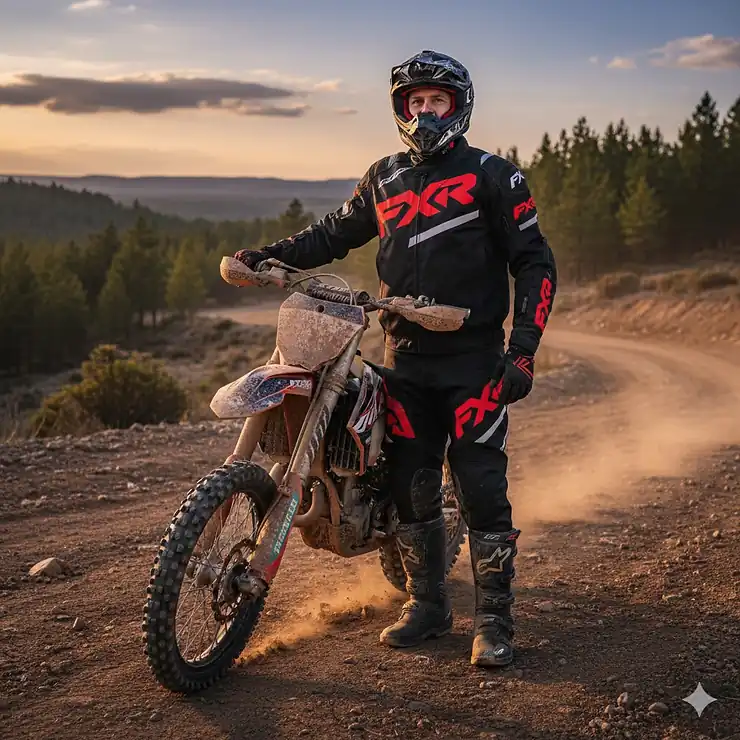
Picture this: you’re carving through a rugged trail at 40 mph when suddenly your front tire catches an unexpected rock. In that split second, your gear becomes the only barrier between you and serious injury. Having witnessed too many preventable injuries in my years covering extreme sports, I can tell you that choosing the right motocross jacket isn’t just about looking cool—it’s about coming home in one piece.
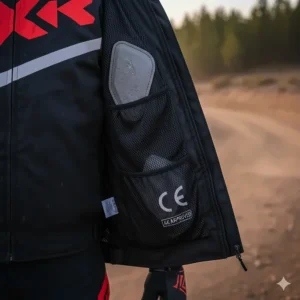
The motocross jacket has evolved dramatically from basic padded shirts to sophisticated protective systems featuring CE-certified armor, advanced ventilation, and materials that can withstand intense impacts. With motocross riders facing a 38% chance of injury during a season according to recent statistics, and studies showing that 70% of riders will experience at least one injury requiring medical attention, your choice of protective gear becomes absolutely critical.
Whether you’re a weekend warrior tackling local trails or a competitive racer pushing limits on the track, finding a jacket that balances protection, comfort, and breathability can mean the difference between walking away from a crash or spending weeks recovering. After analyzing dozens of options and consulting with experienced riders, I’ve compiled this comprehensive guide to help you make an informed decision that could literally save your skin.
Quick Comparison Table: Top Motocross Jackets at a Glance
| Product | Best For | Key Protection | Ventilation | Price Range |
|---|---|---|---|---|
| DBaoXiaoMu Kids Armor | Youth riders | PP hard shell + foam | Breathable mesh | $30-50 |
| YEBCKZL Full Body Armor | Budget-conscious adults | 3D full body armor | High-elastic mesh | $45-70 |
| SAGA MOTO Cordura Jacket | All-weather riding | CE removable armor | Vented airflow panels | $200-280 |
| WICKED STOCK Adventure Jacket | Versatile performance | CE-certified protection | Smart ventilation system | $150-220 |
| Fox Racing Titan Sport | Competitive racers | Full Back certified | 3D air-mesh fabric | $180-250 |
| Leatt Moto 5.5 Enduro | Technical enduro | 3DF CE Level 1 | Adjustable ventilation | $380-450 |
| Alpinestars Bionic Action v2 | Maximum ventilation | CB back protector | Hyper-ventilated | $280-350 |
💬 Just one click – help others make better buying decisions too! 😊
Top 7 Motocross Jackets: Expert Analysis
1. DBaoXiaoMu Kids Dirt Bike Gear – Best Youth Protection
Starting young riders with proper protection habits sets them up for a lifetime of safe riding. The DBaoXiaoMu Kids Dirt Bike Gear delivers comprehensive coverage specifically designed for growing bodies. This armor jacket features PP hard shell construction combined with high-density foam padding that effectively cushions impacts across the chest, back, shoulders, and elbows.
Key Specifications:
- Material: PP shell + high-density foam pads
- Size range: 5 sizes (ages 4-12 years)
- Weight: Lightweight mesh construction
The breathable mesh fabric construction keeps young riders cool during summer sessions while adjustable buckles and velcro straps ensure a customizable fit that adapts as kids grow. Parents consistently praise the versatility—it works equally well for dirt biking, ATV riding, skateboarding, and skiing.
✅ Pros:
- Affordable protection for multiple sports
- Comprehensive body coverage
- Breathable design prevents overheating
❌ Cons:
- Youth sizing only
- May require replacement as child grows
Price: $30-50 | Customer Rating: Parents report excellent value and durability.
2. YEBCKZL Motorcycle Full Body Armor Jacket – Budget Champion for Adults
Moving into adult sizing, the YEBCKZL Motorcycle Full Body Armor Jacket proves you don’t need to spend a fortune to get solid protection. This jacket delivers 3D full body armor coverage protecting your chest, back, spine, shoulders, elbows, and arms with durable PP hard shell construction that absorbs and disperses impact forces effectively.
Key Specifications:
- Construction: Robust PP hard shell
- Material: High-elastic mesh fabric
- Sizes: 8 options (S to 5XL)
- Height range: 59.8″-80.7″ (150-205cm)
What sets this option apart is the thoughtful balance between protection and breathability. The high-elastic mesh fabric provides exceptional comfort during summer riding while maintaining structural integrity. The short front, long back design philosophy prevents bunching when seated on your bike, and the jacket accommodates riders from teenagers to full-sized adults.
✅ Pros:
- Extensive size range
- Excellent summer breathability
- Multi-sport versatility
❌ Cons:
- Basic armor compared to premium options
- No CE certification mentioned
Price: $45-70 | Customer Feedback: Riders appreciate the comfort and surprisingly good impact protection for the price point.
3. SAGA MOTO Motorcycle Jacket – All-Weather Warrior
When weather conditions become unpredictable, the SAGA MOTO Motorcycle Jacket steps up as your reliable companion. Built with weather-resistant 600D Cordura textile fabric, this jacket delivers full-body protection designed specifically for enduro and motocross applications while keeping you dry and comfortable.
Key Specifications:
- Fabric: 600D Cordura textile
- Armor: CE removable armor (elbows, shoulders, back)
- Lining: Fixed waterproof heat-molded lining
The standout feature here is the fixed waterproof lining that’s heat-molded to create a complete weather seal. Unlike cheaper jackets where rain eventually seeps through seams, this construction method ensures you stay dry during unexpected downpours. The CE removable armor at critical impact zones provides proven protection, and the vented airflow panels prevent you from cooking inside when temperatures rise.
✅ Pros:
- True waterproof construction
- CE-certified protection
- Works for touring and off-road
❌ Cons:
- Heavier than mesh-only options
- Premium pricing
Price: $200-280 | Rider Reviews: Commuters and adventure riders praise the all-season versatility and weatherproof reliability.
4. WICKED STOCK Motorcycle Jacket – Baltimore-Born Excellence
Designed by a small team of skilled motorcyclists in Baltimore, the WICKED STOCK Motorcycle Jacket represents American craftsmanship focused on functionality. This jacket combines 600D textile fabric with a full-sleeve rain liner that doubles as a standalone waterproof jacket—essentially giving you two jackets in one.
Key Specifications:
- Construction: 600D Textile fabric
- Protection: Exterior polycarbonate shoulder armor + CE-certified protection
- Ventilation: Two intake vents + two exhaust vents
- Warranty: One-year manufacturer warranty
The high-tech armor system includes exterior polycarbonate shoulder armor plus CE-certified protection for back, shoulders, elbows, and extra padding on chest and back. The smart ventilation system features two intake vents on upper arms and two exhaust vents on the back, creating airflow that keeps you comfortable across seasons. Adjustable waist straps prevent that annoying jacket ride-up, while the soft padded collar eliminates chafing concerns that plague cheaper alternatives.
✅ Pros:
- Versatile all-season design
- Small business quality focus
- Excellent value proposition
❌ Cons:
- Limited size availability sometimes
- Newer brand with less track record
Price: $150-220 | Customer Satisfaction: Riders consistently mention the quality construction and thoughtful design features.
5. Fox Racing Titan Sport Jacket – Competition-Grade Performance
Fox Racing has dominated motocross gear since 1974, and the Fox Racing Titan Sport Jacket showcases why they remain an industry leader. This jacket delivers Full Back (FB) certified protection—a higher standard than the Central Back (CB) certification found in many competitors—with armor extending down to just above the tailbone for maximum coverage.
Key Specifications:
- Back protection: Full Back (FB) certified
- Chassis: 3D air-mesh fabric
- Weight: 3.99 lbs (XL size)
- Compatibility: Works with 16+ helmet models
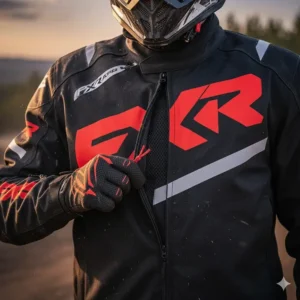
The 3D air-mesh fabric does an exceptional job circulating air while riding at any speed, and many riders report comfortably wearing it in very hot weather. The back protector unzips from the main chassis, allowing you to also wear it as a strap-on back protector with other motorcycle clothing. The central zipper features a pulling tab that works perfectly with motocross gloves—a small detail that makes a big difference.
✅ Pros:
- FB-certified back protection
- Superior ventilation
- Unisex compatible fit
❌ Cons:
- Less hyper-ventilated than some competitors
- Color options reduced in 2025
Price: $180-250 | Expert Opinion: Professional reviewers praise the comfort and comprehensive protection for serious riders.
6. Leatt Moto 5.5 Enduro Jacket – Technical Excellence Meets Adventure
For riders who demand the absolute best technical features, the Leatt Moto 5.5 Enduro Jacket represents the pinnacle of design innovation. This isn’t a dressed-up street jacket—it’s purpose-built for serious off-road riding with features that reflect decades of safety research from Dr. Chris Leatt’s team.
Key Specifications:
- Shell: Water-resistant and dirt-repellent
- Protection: Tailored fit for with/without body armor
- Hydration: Bladder suspension system (prevents sagging)
- Elbow reinforcement: Brush Guard protective film
- Warranty: 5-year manufacturer warranty
The dedicated hydration pocket includes a bladder suspension system that provides perfect weight distribution even when the bladder is full—no more feeling like you’re carrying a water balloon on your back. The water-resistant, dirt-repellent shell features adjustable ventilation and removable arms designed to keep you cool in hot conditions. The abrasion and cut-resistant Brush Guard protective film reinforces the elbows with ultra-thin flex film that’s feather-light yet dramatically increases scratch resistance.
✅ Pros:
- Premium technical features
- Exceptional build quality
- 5-year warranty confidence
❌ Cons:
- Higher investment required
- May be overkill for casual riders
Price: $380-450 | Professional Assessment: Enduro racers and serious trail riders consistently rate this among the best available options.
7. Alpinestars Bionic Action v2 Jacket – Ventilation King
When temperatures soar and lesser jackets become sweat factories, the Alpinestars Bionic Action v2 Jacket keeps you cool and protected. This jacket prioritizes ventilation above all else while maintaining Central Back (CB) certified protection and hard-shell coverage across critical impact zones.
Key Specifications:
- Protection: CB-certified back protector
- Ventilation: Hyper-ventilated protectors
- Sizing: Fits one size small (order up)
- Compatibility: Built-in neck brace integration system
The hyper-ventilated protector design allows maximum airflow, making this the go-to choice for riding in extreme heat. The built-in system for installing compatible Alpinestars neck braces adds another layer of safety for riders concerned about cervical spine protection. Note that this jacket fits one size too small, so order up one alpha size to ensure proper fit.
✅ Pros:
- Best-in-class ventilation
- Neck brace compatibility
- Proven Alpinestars quality
❌ Cons:
- Sizing runs small
- CB protection instead of FB
Price: $280-350 | Rider Consensus: Perfect for riders in hot climates or those who run hot while riding.
✨ Don’t Miss These Exclusive Deals!
🔍 Take your safety to the next level with these carefully selected products. Click on any highlighted item to check current pricing and availability. These jackets will help you create authentic protection your body will thank you for!
Understanding Motocross Jacket Construction and Materials
Modern motocross jackets represent sophisticated engineering solutions combining multiple protective technologies. Motocross racing, with its high-speed off-road terrain and frequent impacts, demands specialized protective equipment that balances safety with mobility. Let’s break down what makes these protective systems work.
Armor Materials and CE Certification
The armor inserts in quality motocross jackets undergo rigorous testing to earn CE certification. According to safety standards established by the European Union, CE Level 1 armor must limit transmitted force to below 18 kN, while CE Level 2 armor—the higher standard—restricts force transmission to under 9 kN. This rating system, established under the EN 1621 standard, ensures your armor performs consistently during impacts.
Hard-shell construction typically uses polypropylene (PP) or polycarbonate materials that resist punctures and distribute impact forces across a wider area. Soft-shell alternatives employ viscoelastic materials like Sas-Tec that remain flexible during normal riding but stiffen upon impact to absorb energy. Each approach offers distinct advantages—hard shells excel at deflecting sharp objects and roost, while soft shells conform better to your body and allow greater flexibility.
Textile Technology and Abrasion Resistance
The outer shell material determines how well your jacket protects against abrasion during slides. Premium jackets use 600D Cordura textile fabric, which has proven through CE testing to withstand significant sliding forces on pavement or dirt. This denier rating indicates the thickness of individual fabric fibers—higher numbers mean thicker, more abrasion-resistant material.
Mesh panels serve dual purposes: they provide ventilation to prevent overheating while maintaining structural support. The 3D air-mesh fabrics found in quality jackets feature a three-dimensional structure that promotes airflow between your skin and the jacket while supporting protective armor inserts. Some manufacturers incorporate Brush Guard technology—an ultra-thin flex film applied to high-wear areas like elbows that dramatically increases scratch and abrasion resistance without adding bulk or weight.
Motocross Jacket vs Body Armor: Understanding the Difference
Many riders confuse motocross jackets with body armor, but these serve distinctly different protective purposes. Understanding this distinction helps you build a complete protection system.
What Body Armor Provides
Body armor, also called roost guards or chest protectors, focuses primarily on protecting your torso from impacts and flying debris. These typically feature rigid chest plates, back protectors, and sometimes shoulder guards. Body armor excels at deflecting roost kicked up by riders ahead of you and provides impact protection for your vital organs and spine. Medical professionals emphasize that proper protective equipment can significantly reduce injury severity during crashes. However, body armor alone leaves your elbows, arms, and often your shoulders exposed.
The Motocross Jacket Advantage
A proper motocross jacket provides comprehensive protection beyond what body armor delivers. Along with torso protection, quality jackets include elbow guards, shoulder armor, and sometimes forearm protection. The integrated design ensures all protective elements stay properly positioned during a crash—a critical advantage since misaligned protection offers little benefit.
Weather protection represents another key differentiator. Jackets with weather-resistant shells, waterproof linings, and adjustable ventilation keep you comfortable across varying conditions. Try riding body armor alone during a cold morning or rainy afternoon and you’ll quickly appreciate what a proper jacket provides.
The Layering Strategy
Many professional riders combine both systems, wearing body armor underneath a jacket for maximum protection. This layered approach offers redundant coverage over vital areas while maintaining complete arm and shoulder protection. If you pursue this strategy, ensure your jacket accommodates armor underneath—look for jackets with “tailored fit for with/without body armor” in their specifications.
Size Selection and Fit Guide for Maximum Protection
Wearing improperly fitted protective gear significantly reduces its effectiveness and comfort. Here’s how to nail the fit on your first attempt.
Measuring for Your Perfect Fit
Start by measuring your chest at its widest point, typically just under your armpits. Measure your waist at your natural waistline. Most manufacturers provide detailed size charts comparing these measurements to their sizing—always reference the specific brand’s chart since sizing varies considerably between manufacturers.
Consider your intended use when selecting size. If you plan to wear the jacket over body armor or thick base layers, size up to accommodate the additional bulk. Conversely, if you’re purchasing for warm-weather riding without underlayers, stick to your measured size or even consider sizing down slightly if you prefer a snug fit.
Fit Checkpoints
Shoulder armor should sit centered over your shoulder joint without sliding forward onto your chest or backward onto your shoulder blade. Raise your arms above your head and twist your torso—the armor should stay in position throughout this movement.
Elbow guards must cover your elbow joint completely with the padding centered over your elbow when your arm is bent at 90 degrees. Many riders make the mistake of checking fit with arms straight down—always test with arms in riding position.
Back protection should extend from the base of your neck down to your tailbone (Full Back certified) or at least to your mid-back (Central Back certified). The protector should not shift laterally when you twist your torso.
Length should allow full range of motion without riding up excessively. When seated in riding position, the jacket should stay in place without bunching or pulling.
Brand-Specific Considerations
Some brands consistently run small or large. For instance, Alpinestars jackets typically fit one size smaller than standard—if you normally wear medium, order large in Alpinestars. Fox Racing gear generally runs true to size with a athletic cut. Leatt tends toward a European fit that’s slightly trimmer through the torso.
Ventilation Systems: Staying Cool Without Compromising Safety
Overheating degrades your performance, concentration, and ultimately your safety. Modern jackets employ sophisticated ventilation strategies that maintain airflow without creating vulnerable gaps in protection. According to research on protective equipment effectiveness, comfort features like proper ventilation encourage consistent gear usage, which directly impacts rider safety outcomes.
Passive Ventilation Technologies
Mesh panel placement determines how effectively a jacket breathes. Strategic positioning on the chest, sides, and back creates natural convection currents as you move. The 3D air-mesh construction found in premium models creates air pockets between the mesh and your skin, allowing heat to escape while maintaining structure for armor support.
Hyper-ventilated armor features perforations or channels that allow air to flow directly through protective elements. While some riders worry these openings reduce protection, testing shows properly designed ventilated armor maintains impact resistance while dramatically improving comfort.
Active Ventilation Features
Zippered vents give you control over airflow based on conditions. Intake vents on the upper arms and chest pull cool air in, while exhaust vents on the back allow hot air to escape—creating a chimney effect that actively cools your core.
Removable sleeves transform full jackets into vests for maximum ventilation on scorching days. This modular approach lets one jacket serve across a wider temperature range, providing better value than purchasing separate summer and winter gear.
Climate-Specific Recommendations
For hot, dry climates or summer riding, prioritize maximum ventilation with hyper-ventilated armor and extensive mesh panels. Riders in the American Southwest often choose jackets like the Alpinestars Bionic Action v2 that emphasize airflow above all else.
In temperate or variable conditions, opt for jackets with adjustable ventilation. Models like the Leatt Moto 5.5 with removable arms and adjustable vents adapt to changing conditions throughout a riding day.
Cold weather or wet conditions demand different priorities. Jackets with weather-resistant shells, fixed waterproof linings, and limited mesh provide protection from the elements. The SAGA MOTO and WICKED STOCK options excel in these applications.
Weather Protection Features Every Rider Should Know
Weather changes can transform a pleasant ride into a miserable or even dangerous experience. Understanding weather protection features helps you prepare for unpredictable conditions.
Waterproof vs Water-Resistant
These terms aren’t interchangeable. Water-resistant shells repel light rain and moisture for limited periods but eventually allow water to penetrate during extended exposure. Waterproof construction employs sealed seams and impermeable membranes that prevent water intrusion indefinitely.
Fixed waterproof linings, like those in the SAGA MOTO jacket, are heat-molded to create complete weather seals that won’t delaminate or fail at seams. Removable waterproof liners offer versatility but create potential failure points at zippers and attachments.
Wind Protection
Wind chill dramatically reduces core temperature during cold-weather riding. Windproof shells combined with adjustable collar closures and cuff adjustments seal out cold air while maintaining enough ventilation to prevent sweat buildup—a delicate balance that separates good jackets from great ones.
Dirt-Repellent Coatings
Modern dirt-repellent treatments create a microscopic barrier that prevents mud and dirt from binding to fabric. This keeps your jacket cleaner longer and maintains breathability by preventing dirt from clogging mesh panels. Treatments eventually wear away with washing, so follow manufacturer care instructions to maximize longevity.
Maintenance and Care for Long-Term Performance
Proper maintenance extends your jacket’s protective life and ensures it performs when you need it most.
Cleaning Best Practices
Remove all armor inserts before washing. Most jacket shells can be machine-washed in cold water with mild detergent, but always verify manufacturer recommendations first. Avoid fabric softeners, which can degrade water-repellent treatments and reduce abrasion resistance.
Armor inserts typically require hand-washing with mild soap and air-drying. Never put armor in the dryer or expose it to direct heat sources, which can cause warping or material degradation that compromises protective qualities.
Storage Recommendations
Store jackets in a cool, dry location away from direct sunlight. UV exposure degrades synthetic materials over time, reducing both protective qualities and material strength. Hang jackets rather than folding them to prevent permanent creases in armor or fabric.
Inspection Schedule
Before each riding season, thoroughly inspect your jacket for:
- Torn or worn fabric (especially at high-wear points like elbows)
- Cracked or damaged armor inserts
- Broken or failing zippers and velcro closures
- Separated seams or stitching
Replace any jacket showing significant wear or damage. Remember that protective gear has a finite lifespan—even without visible damage, materials degrade over time and multiple impacts reduce armor effectiveness.
Safety Standards and What They Mean for You
Understanding safety certifications helps you make informed decisions and avoid marketing hype that doesn’t translate to real protection.
The CE Marking System
CE (Conformité Européenne) certification indicates that gear has undergone standardized laboratory testing to meet minimum safety requirements. For motorcycle protective clothing, the EN 17092 standard defines requirements across multiple protection classes from Class C (minimal) through Class AAA (maximum protection).
For individual armor pieces, EN 1621-1 covers limb protectors (shoulders, elbows, knees, hips) while EN 1621-2 governs back protectors. These standards test how much force transmits through the armor during a standardized impact—lower transmitted force equals better protection.
Level 1 vs Level 2 Certification
As mentioned earlier, CE Level 1 armor limits average transmitted force to below 18 kN, while CE Level 2 keeps it under 9 kN. Both levels provide legitimate protection—Level 1 offers adequate safety for recreational riding with benefits like lighter weight and better flexibility, while Level 2 suits riders who prioritize maximum protection or engage in high-risk riding.
Why Some Quality Jackets Lack CE Markings
CE certification isn’t mandatory in the United States, so some manufacturers skip the expensive testing and certification process for gear sold exclusively in North American markets. This doesn’t automatically mean the gear is inferior—many quality jackets use the same materials and construction as CE-certified versions but without the official certification.
However, CE certification provides objective verification of protective qualities. When comparing otherwise similar jackets, CE-certified options offer greater confidence in their protective performance.
Budget Considerations: Where to Invest and Where to Save
Motocross gear represents a significant investment, but smart shopping strategies help you maximize protection without breaking the bank.
The Protection Hierarchy
Prioritize your spending based on injury risk and severity. Your helmet deserves the largest portion of your budget—head injuries carry the most serious consequences. After your helmet, invest in quality jackets that protect your spine and torso. Boots, gloves, and supplementary protection come next.
Within the jacket category, focus spending on proper armor coverage and CE certification rather than brand prestige or cosmetic features. A $150 jacket with CE Level 2 armor protects better than a $300 jacket with basic foam padding.
Value Sweet Spot
The $150-280 range typically represents the best value proposition. You’ll find jackets with CE-certified armor, quality materials, and thoughtful design without paying premium prices for brand cachet. The WICKED STOCK and SAGA MOTO options exemplify this sweet spot—delivering performance that rivals much more expensive alternatives.
When Premium Makes Sense
Consider premium options ($300+) if you:
- Ride frequently (weekly or more)
- Compete professionally or semi-professionally
- Need specific technical features (hydration systems, modular designs)
- Require the absolute maximum ventilation for extreme climates
- Want extended warranties and brand support
The Leatt Moto 5.5 and Alpinestars Bionic Action v2 justify their higher prices through superior engineering, premium materials, and brand reputation backed by decades of safety research.
Budget Options That Don’t Compromise Safety
The $45-100 range includes legitimate protection for riders on tight budgets or those just starting out. The YEBCKZL and DBaoXiaoMu options provide hard-shell protection and basic armor coverage that significantly reduces injury risk compared to riding without protection.
Just understand the limitations—you’ll sacrifice advanced features, weather protection, and longevity compared to mid-range alternatives. Consider budget jackets as starter gear or supplementary options for occasional riders while you save for a more comprehensive solution.
Frequently Asked Questions
❓ How do you clean a motocross jacket properly?
❓ Can you wear a motocross jacket for street riding?
❓ What is the lifespan of motocross armor?
❓ Do motocross jackets work with neck braces?
❓ How much should I spend on a motocross jacket?
Conclusion: Protecting Your Passion for the Long Haul
Choosing the right motocross jacket represents one of the most important decisions you’ll make as a rider. With motocross injury rates remaining stubbornly high despite advances in protective technology, the gear you wear directly impacts whether you continue enjoying this incredible sport for years to come or end up sidelined by preventable injuries.
The seven jackets profiled in this guide represent the best options currently available across different budgets and riding styles. For youth riders and parents looking to establish good safety habits early, the DBaoXiaoMu Kids Armor delivers reliable protection at an accessible price point. Budget-conscious adult riders will find excellent value in the YEBCKZL Full Body Armor, while those needing weather versatility should consider the SAGA MOTO or WICKED STOCK options.
Competitive riders and serious enthusiasts can’t go wrong with proven performers like the Fox Racing Titan Sport, which has earned its reputation through years of protecting riders at the highest levels. And for those who demand the absolute best technical features and engineering, the Leatt Moto 5.5 and Alpinestars Bionic Action v2 represent the current pinnacle of protective technology.
Remember that no single jacket suits everyone—your perfect choice depends on your riding style, climate, budget, and body type. Use the information in this guide to narrow your options, then if possible, try on jackets in person before purchasing to ensure proper fit. Your motocross jacket should feel like a natural extension of your body, providing protection without restricting the freedom of movement that makes this sport so exhilarating.
The trails, tracks, and jumps that call to us carry inherent risks, but with proper protection and smart riding practices, you can manage those risks while still experiencing the incredible rush that drew you to motocross in the first place. Invest in quality protection, maintain your gear properly, and you’ll be carving corners and clearing jumps for years to come.
Now get out there, stay protected, and ride like you mean it.
Recommended for You
- 7 Best Firefighter Jackets 2025: Ultimate Protective Gear Guide
- 7 Best Soft Shell Jacket Womens 2025: Ultimate Buying Guide
- 7 Best Plus Size Leather Biker Jackets for Women 2025
Disclaimer: This article contains affiliate links. If you purchase products through these links, we may earn a small commission at no additional cost to you.
✨ Found this helpful? Share it with your friends! 💬🤗
