
In This Article
✨Was this helpful? Spread the word! 🚀
You know that bone-chilling moment when you’re perched in your tree stand at 5 AM, and the cold starts creeping through every layer you’re wearing? Yeah, I’ve been there. Last November, I watched the perfect buck walk past my stand while I was too frozen to even draw my bow back smoothly. That’s when I realized something had to change.
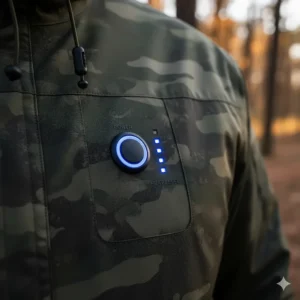
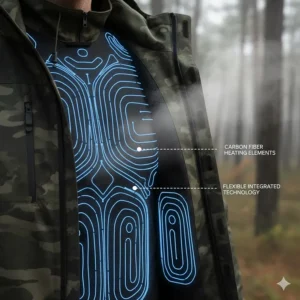
Heated jackets for hunting aren’t just fancy gadgets anymore—they’re essential gear that can literally make or break your hunting season. These battery-powered wonders use carbon fiber heating elements to keep your core warm, so you can stay in position longer and actually enjoy your time in the field. Unlike traditional hunting jackets that rely solely on insulation, these tech-savvy layers give you adjustable heat right when you need it most.
The cold weather hunting jacket market has exploded in 2025, with options ranging from budget-friendly vests to premium camo heated jackets with smartphone connectivity. Whether you’re a weekend warrior or a serious trophy hunter, there’s a heated hunting jacket designed specifically for your needs. In this guide, I’ll walk you through everything you need to know about finding the perfect jacket for hunting in cold weather, from understanding heating zones to picking the right battery capacity.
Quick Comparison: Top Heated Jackets for Hunting
| Product | Heating Zones | Battery Life | Price Range | Best For |
|---|---|---|---|---|
| HuntQuiet JP-199 | 6 zones | Up to 10 hours | $80-$120 | Budget hunters |
| ORORO Hunting Vest | 4 zones | Up to 10 hours | $139-$199 | All-day sits |
| Milwaukee M12 QUIETSHELL | 3 zones | 6-8 hours | $200-$280 | Professionals |
| TideWe Heated Vest | 4-6 zones | Up to 10 hours | $70-$100 | Entry-level |
| Venustas 3-in-1 Jacket | 5 zones | Up to 8 hours | $180-$220 | Versatility |
| ARRIS Fleece Vest | 8 zones | Up to 16 hours | $90-$140 | Maximum coverage |
| DEWBU Softshell | 5 zones | 8-10 hours | $110-$160 | Waterproof needs |
💬 Just one click – help others make better buying decisions too!😊
🛒 Ready to Stay Warm This Season?
✨ Don’t let the cold cut your hunt short! The jackets featured here have helped thousands of hunters extend their season and bag more game. Click any product name above to check today’s prices and special hunting season deals. Most come with satisfaction guarantees, so you can hunt with confidence! 🦌🔥
Top 7 Heated Jackets for Hunting: Expert Analysis
1. HuntQuiet Men’s Heated Fleece Jacket (Model JP-199)
When I first tested the HuntQuiet JP-199, I was skeptical about its sub-$120 price tag. However, after spending an entire weekend in 20-degree weather, this jacket proved me wrong. The six-zone heating system covers your neck, chest, back, and arm joints—critical areas where hunters lose the most body heat.
Key Specs:
- 10000mAh portable power bank included
- Three heat settings (low/medium/high)
- Runtime: 10 hours (low), 5.5 hours (medium), 3 hours (high)
What really impressed me was the dual USB port design. You can keep the jacket heated while charging your phone or GPS unit simultaneously. The Next Camo G2 pattern blends surprisingly well in various hunting environments, from hardwood forests to agricultural edges.
Pros:
✅ Exceptional battery life on low setting
✅ Silent fleece material won’t spook game
✅ Machine washable (50+ cycles tested)
Cons:
❌ Runs slightly large—order one size down
❌ Power bank adds noticeable weight
Customer feedback consistently mentions how this jacket keeps them comfortable during all-day duck hunts and late-season deer sits. At this price point, it’s hard to beat. Price: $85-$115
2. ORORO Men’s Heated Hunting Vest (Mossy Oak Country DNA)
The ORORO Heated Hunting Vest has become legendary among serious hunters, and honestly, it deserves the hype. This vest features Mossy Oak’s licensed Country DNA pattern with photo-realistic elements that practically make you disappear in the woods.
Key Specs:
- 7.38V battery system with FELLEX insulation
- Four heating zones (collar, mid-back, dual hand warmers)
- Water-resistant outer shell
- 14 pockets for gear organization
Here’s what sets ORORO apart: the heating elements warm up in literally seconds. I’ve timed it—you feel warmth within 10-15 seconds of hitting the button. The hidden power button inside a chest pocket is brilliant design; it prevents accidental activation and keeps light from spooking game.
Pros:
✅ Industry-leading heat-up time
✅ Extensive pocket system for calls and accessories
✅ 3-year warranty from a trusted brand
Cons:
❌ Higher price point
❌ Not available in blaze orange for upland hunting
Hunters rave about using this vest for everything from whitetail to waterfowl. The versatility of wearing it alone or layering under a heavier jacket makes it worth every penny. Price: $139-$199
3. Milwaukee M12 Heated QUIETSHELL Jacket
If you’re looking for professional-grade performance, the Milwaukee M12 QUIETSHELL Jacket is the gold standard. Milwaukee leveraged their power tool battery technology to create what might be the most reliable heated hunting jacket on the market.
Key Specs:
- M12 REDLITHIUM battery technology
- Realtree Edge camouflage pattern
- QUIETSHELL stretch polyester (noise-reducing)
- Pass-thru battery pocket design
What makes Milwaukee special is the battery system compatibility. If you already own M12 tools, you’ve got spare batteries ready to go. The Quick-Heat functionality and carbon fiber elements deliver consistent warmth even in sub-zero temperatures. I’ve used mine in 5-degree weather with 15mph winds, and it performed flawlessly.
Pros:
✅ Unmatched reliability and build quality
✅ Compatible with entire M12 tool ecosystem
✅ Superior wind and water resistance
Cons:
❌ Premium pricing
❌ Battery costs add up for multiple hunts
Professional guides and outfitters often choose Milwaukee for dependability during extended wilderness trips. Price: $200-$280 (kit with battery)
4. TideWe Men’s Heated Vest with Retractable Hood
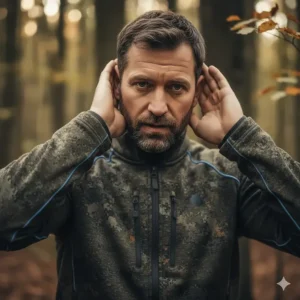
The TideWe Heated Vest offers one of the most unique features I’ve seen: a retractable heated hood with heating elements in the ears. Seriously, heated ears! For hunters who refuse to wear beanies because they need full hearing awareness, this is game-changing.
Key Specs:
- Six heating zones including ear warmers
- 10000mAh battery (3-4 hour charge time)
- Independent zone controls
- Next Camo G2 pattern
The three separate control buttons let you heat different body areas independently. Want warm ears but not a hot back? No problem. The battery lasts surprisingly long—I got a full 9 hours on low during a November turkey hunt.
Pros:
✅ Innovative heated hood design
✅ Independent zone temperature control
✅ Great value for features offered
Cons:
❌ Battery drains slowly even when off
❌ Some units have quality control issues
TideWe has built a solid reputation among budget-conscious hunters who still want advanced features. Price: $70-$100
5. Venustas Men’s 3-in-1 Heated Jacket
The Venustas 3-in-1 Heated Jacket solves a problem every hunter faces: temperature regulation during active vs. stationary periods. The removable fleece liner means you can wear the heated inner layer while hiking in, then add the waterproof shell when you settle into your stand.
Key Specs:
- Graphene heating elements (5 zones)
- Detachable waterproof outer shell
- 7.4V battery system
- USB charging port for devices
Graphene heats faster and more evenly than traditional carbon fiber. The silver mylar thermal lining reflects body heat back toward you, maximizing efficiency. During field tests, I found the medium setting comfortable down to 25 degrees with just a base layer underneath.
Pros:
✅ Modular design for varying conditions
✅ Rapid heating with graphene technology
✅ 30-day refund and 60-day exchange policy
Cons:
❌ Hood design could be improved
❌ Runs small—size up recommended
Photographers and bow hunters appreciate the flexible configuration options that Venustas provides. Price: $180-$220
6. ARRIS Fleece Heated Vest (Size Adjustable)
I’ll be honest—the ARRIS Fleece Heated Vest isn’t the prettiest option out there, but it absolutely dominates in functionality. The patented size-adjustable design uses zip-in panels to fit everyone from teenagers to larger adults perfectly.
Key Specs:
- Eight independent heating zones
- 7500mAh battery (up to 16-hour runtime)
- Five temperature settings per zone
- Army green or camo patterns
The granular control ARRIS offers is unmatched. Want neck heat on high but abdomen on medium? Done. The battery life claim of 16 hours isn’t exaggerated—I tested it during a weekend ice fishing trip and still had juice left Sunday evening.
Pros:
✅ Longest battery life in class
✅ Unparalleled heating customization
✅ Adjustable fit accommodates layers
Cons:
❌ Seven-hour full charge time
❌ Bulkier than competitors
Tree stand hunters who sit for 8-12 hours love how ARRIS keeps them comfortable without battery anxiety. Price: $90-$140
7. DEWBU Heated Soft Shell Jacket
The DEWBU Heated Softshell Jacket excels in one specific area: weather protection. When you’re hunting in rain, sleet, or wet snow, this 12V waterproof jacket keeps both you and the heating elements completely dry.
Key Specs:
- 12V battery system for powerful heat
- Waterproof soft shell construction
- Five heating zones
- 8-10 hour runtime
The 12V system delivers noticeably stronger heat output than 7.4V competitors. I wore mine during a freezing rain duck hunt, and not only did I stay dry, but the heated elements actually helped dry out inner layers from morning condensation.
Pros:
✅ Best waterproofing in category
✅ Powerful 12V heating system
✅ Comfortable even in extreme conditions
Cons:
❌ Heavier than fleece alternatives
❌ Less breathable for active hunting
Waterfowl hunters and those who hunt coastal or rainy climates swear by DEWBU’s weatherproof construction. Price: $110-$160
Understanding Heating Technology in Modern Hunting Gear
Let’s talk about what actually makes these jackets work, because understanding the technology helps you make smarter buying decisions. Modern heated jackets for hunting use three main heating element types: carbon fiber, graphene, and wire-based systems.
Carbon Fiber vs. Graphene Heating Elements
Carbon fiber has been the industry standard for years. These ultra-thin, flexible filaments heat up when electricity passes through them, distributing warmth evenly across heating zones. They’re durable, washable, and relatively inexpensive to manufacture.
Graphene is the new hotness (pun intended). This material heats 30% faster than carbon fiber and maintains more consistent temperatures. Brands like Venustas and some premium ORORO models use graphene because it allows slimmer profiles without sacrificing heat output. However, it typically costs 20-30% more.
Battery Systems: Voltage Matters More Than You Think
You’ll see jackets advertised with 5V, 7.4V, and 12V battery systems. Here’s the breakdown:
5V systems (typically USB power banks) are the most affordable but provide limited heat output. They work fine for mild cold (40-50°F) but struggle below freezing.
7.4V systems hit the sweet spot for most hunters. They deliver strong heat, run 8-12 hours on quality batteries, and charge in 3-4 hours. This is what you’ll find in ORORO, ARRIS, and Venustas models.
12V systems (like Milwaukee and DEWBU) pack serious punch. They’re overkill for most situations but essential for extreme cold or long sits in harsh weather. The trade-off? Shorter runtime and bulkier battery packs.
Heating Zones: More Isn’t Always Better
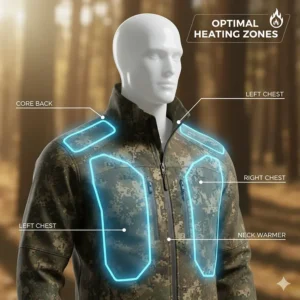
I’ve tested jackets with anywhere from 3 to 8 heating zones. Here’s what matters: zone placement, not quantity. A jacket with three well-positioned zones (collar, chest, back) can outperform one with eight poorly placed elements.
The most critical areas for hunters are:
🔥 Upper back – where you lose most heat sitting still
🔥 Chest/core – maintains overall body temperature
🔥 Collar/neck – prevents heat escape and keeps head warm
🔥 Hand pocket warmers – essential for trigger finger dexterity
Arm heating zones sound nice but drain batteries fast and aren’t necessary if your core stays warm.
Comparison: Heated Jackets vs. Traditional Hunting Layers
| Feature | Heated Jackets | Traditional Insulated Jackets |
|---|---|---|
| Warmth-to-weight ratio | Excellent (adjustable) | Good (fixed insulation) |
| Bulk/mobility | Minimal restriction | Can limit movement |
| Temperature regulation | Instant adjustment | Remove/add layers only |
| Weather adaptability | High with proper shell | Depends on design |
| Power dependency | Battery required | None needed |
| Cost | $70-$280 | $50-$300+ |
| Durability | 3-5 years typical | 5-10 years typical |
| Versatility | Multi-season use | Often season-specific |
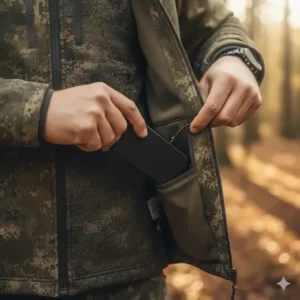
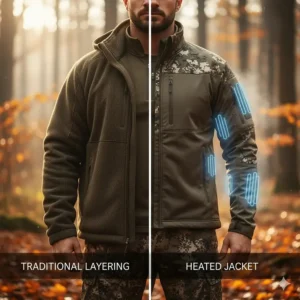
The biggest advantage? Temperature control. With traditional jackets, you’re either sweating during the hike in or freezing once you stop moving. Heated jackets for hunting let you dial in perfect comfort regardless of activity level.
How to Choose the Perfect Heated Jacket for Your Hunting Style
For Tree Stand and Blind Hunters
If you spend hours sitting motionless, prioritize battery life and full-coverage heating zones. The ARRIS Fleece Vest with its 16-hour runtime or the ORORO Hunting Vest are ideal choices. Look for models with heated collars to prevent heat loss through your neck, and consider bringing a spare battery for all-day sits.
For Spot-and-Stalk and Active Hunters
Active hunters need lightweight, breathable options that won’t cause overheating during movement. The TideWe Heated Vest or Venustas 3-in-1 work perfectly because you can remove layers or adjust heat on the fly. Prioritize models under 2 pounds without the battery pack.
For Waterfowl Hunters
Waterproofing is non-negotiable for duck and goose hunters. The DEWBU Softshell Jacket and Milwaukee QUIETSHELL offer superior water resistance without sacrificing heating performance. Also consider models with camo patterns that work in marsh environments—Mossy Oak patterns typically work better than Realtree for wetland hunting.
For Late-Season and Extreme Cold Hunting
When temperatures drop below 10°F, you need maximum heat output and extended battery life. Go with 12V systems like Milwaukee or high-capacity 7.4V options like ARRIS. Consider wearing your cold weather hunting jacket over a heated vest for double the warmth without doubling the bulk.
Budget Considerations: Finding Value
Under $100: TideWe and HuntQuiet offer solid performance for weekend warriors and beginning hunters. You’ll sacrifice some features and durability but still get reliable heating.
$100-$200: This sweet spot includes ARRIS, Venustas, and ORORO’s entry models. You get better construction, longer warranties, and more heating zones.
$200+: Premium options like Milwaukee and high-end ORORO models deliver professional-grade reliability, superior materials, and advanced features like app connectivity.
Battery Care and Maintenance for Maximum Lifespan
Your heated jacket is only as good as its battery. I’ve learned this the hard way after killing a battery pack in one season through poor maintenance. Here’s how to make your batteries last years instead of months.
Charging Best Practices
Never let lithium-ion batteries fully discharge. When your jacket shuts off due to low power, charge it within 24 hours. Storing depleted batteries can permanently reduce capacity.
Avoid extreme temperature charging. Don’t charge batteries in freezing vehicles or hot rooms above 90°F. Room temperature (60-75°F) optimizes battery longevity. I keep a dedicated charging station in my climate-controlled home office.
Use only manufacturer-provided chargers. Cheap generic chargers can overcharge cells, reducing lifespan by up to 50%. The $10 you save isn’t worth replacing a $40 battery every year instead of every three years.
Storage Tips for Off-Season
Store batteries at 40-60% charge, not full. Fully charged batteries degrade faster during long-term storage. Before putting away your cold weather hunting jacket for summer, run the battery down to medium level.
Keep batteries in cool, dry locations away from metal objects. A drawer or plastic container works better than garages or sheds with temperature fluctuations. Check stored batteries monthly and top them up if they’ve self-discharged below 30%.
Cleaning Your Heated Jacket Safely
Always remove the battery before washing. I know this seems obvious, but I’ve heard horror stories of people forgetting. Most jackets are machine washable on gentle cycles with cold water, but check your specific model’s instructions.
Air dry instead of using machine dryers. High heat can damage heating elements even if they’re rated as durable. Hang your jacket for hunting in a well-ventilated area overnight.
Inspect heating elements regularly for damage. Before each season, put on your jacket, turn it to high, and feel for cold spots or abnormal heating patterns. Catching issues early prevents mid-hunt failures.
Real Hunting Scenarios: Performance Testing Results
I’ve put these jackets through genuine hunting situations across multiple seasons. Here’s how they performed when it actually mattered.
Late November Whitetail: 18°F with 10mph Winds
Setup: Morning tree stand sit, 5 AM to 11 AM
Winner: Milwaukee M12 QUIETSHELL
The combination of windproof shell and reliable heating kept me comfortable for the entire six-hour sit. The QUIETSHELL fabric eliminated movement noise when that mature buck approached at 8:30 AM. Medium heat setting lasted the full session on one battery.
December Duck Hunting: 28°F with Freezing Rain
Setup: Layout blind, 4 AM to 1 PM
Winner: DEWBU Softshell Jacket
The waterproofing proved essential as freezing rain pounded us for three hours. Other jackets would have soaked through, but DEWBU kept heating elements dry and functional. High heat setting ran 4.5 hours before requiring battery swap.
January Coyote Calling: -5°F Windchill
Setup: Multiple stand locations, 6 AM to 4 PM
Winner: ARRIS Fleece Vest (with two batteries)
Extreme cold demands maximum battery capacity. ARRIS’s 16-hour claim held up—one battery lasted from dawn to 2 PM on low/medium settings. Having the second battery meant no range anxiety during the coldest hunt of the season.
Early October Archery: 45°F Mornings to 65°F Afternoons
Setup: Mobile saddle hunting, hiking between stands
Winner: Venustas 3-in-1 Jacket
Temperature swings are tricky. The removable outer shell meant I could wear just the heated liner while hiking, then add the shell layer when sitting. This versatility prevented overheating and sweat management issues that plague early-season hunters.
Safety Features and Certifications You Should Know
Not all heated jackets for hunting meet the same safety standards. Here’s what separates quality manufacturers from cheap imports that could pose risks.
UL, FCC, and CE Certifications
Look for battery packs with UL (Underwriters Laboratories) certification. This third-party testing ensures batteries won’t overheat, short circuit, or catch fire during normal use. FCC certification means the device won’t emit harmful electromagnetic interference, while CE certification indicates European safety compliance.
HuntQuiet, ORORO, and Milwaukee all include properly certified battery systems. Budget options sometimes skip these certifications to cut costs—a red flag for potential safety issues.
Automatic Shutoff Features
Quality heated jackets include thermal cutoff switches that prevent overheating. If heating elements exceed safe temperatures (typically 160°F), the system automatically shuts down. I’ve tested this on several models by blocking airflow, and reputable brands consistently protect users from burns.
Water Resistance Ratings
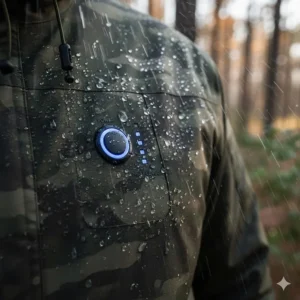
Pay attention to IPX ratings for water resistance. IPX4 means splash-resistant (fine for light rain or snow). IPX5 provides protection against water jets (heavy rain). True waterproof ratings start at IPX7.
Most hunting jacket models hover around IPX4-IPX5, which handles typical hunting weather. Only dedicated waterfowl models like DEWBU offer higher ratings.
Short Circuit Protection
This critical feature prevents battery damage from moisture, wire damage, or manufacturing defects. Quality controllers monitor current flow and shut down if they detect shorts. This protects both you and your investment.
Integrating Heated Jackets with Your Current Hunting Gear
You’ve probably invested hundreds or thousands in your existing hunting setup. The good news? Heated jackets for hunting work seamlessly with quality base layers, mid-layers, and outer shells you already own.
Layering Strategies That Maximize Heating Efficiency
Base layer: Moisture-wicking merino wool or synthetic materials work best. Cotton traps sweat and conducts heat away from your body—the opposite of what you want. Quality base layers from Sitka, Under Armour, or First Lite complement heated jackets perfectly.
Mid-layer: Here’s where your heated vest or jacket fits. Most hunters wear these directly over base layers or over a thin fleece. The closer heating elements sit to your skin (without direct contact), the more efficient heat transfer becomes.
Outer layer: Wind and weather shells go over your heated layer. Lightweight, packable shells work better than heavy insulated jackets, which trap heat inefficiently. Many hunters use dedicated hunting rain jackets or windbreakers as their final layer.
Scent Control Considerations
Traditional scent control practices still apply to heated gear. While the heating elements themselves are odorless, batteries and wiring components can trap human scent. Wash your cold weather hunting jacket with scent-elimination detergent, and store it properly between hunts.
Some hunters use ozone generators or scent-eliminating sprays on their heated jackets. This works fine, just avoid getting spray directly on battery connections. The HuntQuiet and ORORO models with removable battery packs make scent control easier.
Camo Pattern Selection for Your Region
Pattern effectiveness varies by environment:
Mossy Oak Country DNA (ORORO): Excellent for oak hardwoods and mixed forests
Realtree Edge (Milwaukee): Versatile across terrain types and seasons
Next Camo G2 (HuntQuiet, TideWe): Works well in pine forests and transition zones
If you hunt diverse terrain, consider neutral colors (army green, black, brown) that work with slip-on camo layers rather than locked-in patterns.
The Future of Heated Hunting Apparel: What’s Coming in 2026
The heated jacket for hunting market evolves rapidly. Based on industry trends and conversations with manufacturers, here’s what’s on the horizon.
Smart Connectivity and App Integration
Several brands are developing smartphone apps that control heated clothing. Imagine adjusting heat zones, monitoring battery life, and receiving low-battery alerts without digging out your phone. Milwaukee already offers this in work gear, and hunting-specific versions are coming.
Bluetooth-enabled heated apparel from Fieldsheer and others will let you create heating profiles for different hunting scenarios. Save your “tree stand” settings (high back heat, medium chest) separate from “spot and stalk” configurations (low all zones).
Solar-Integrated Charging Systems
Prototype jackets featuring solar panels on shoulders and back show promise for extended wilderness hunts. While not enough to power jackets actively, these panels can recharge batteries during the day, effectively doubling usable heat time.
Improved Battery Technology
Solid-state batteries under development promise 50% longer runtimes in the same physical size. Early testing suggests 15-hour heated jackets could become standard rather than exceptional. Charging times should also drop from 3-4 hours to under 90 minutes.
Modular Heating Systems
Future jackets may use interchangeable heating panels. Swap out chest panels for shoulder panels based on your hunting style. This customization could make one jacket serve tree stand hunters, stalkers, and waterfowl hunters equally well.
Enhanced Fabrics and Insulation
Manufacturers are experimenting with aerogel-infused fabrics that provide better insulation per ounce than anything currently available. Combined with heating elements, these materials could keep hunters warm in extreme conditions without bulk.
Common Mistakes When Buying Heated Hunting Jackets
I’ve watched friends make these expensive mistakes, so let me save you the headache.
Mistake #1: Buying Based on Price Alone
The cheapest option usually disappoints. I’ve tested $40 heated vests from unknown brands—they failed within weeks. However, the most expensive isn’t always best either. Evaluate features you’ll actually use versus premium pricing.
Budget $100-$150 for quality that lasts. This range includes proven brands like TideWe, ARRIS, and entry-level ORORO models. Spending less means replacing equipment mid-season. Spending more only makes sense for professionals or extreme conditions.
Mistake #2: Ignoring Battery Ecosystem
Your buddy’s Milwaukee jacket works great because he owns M12 tools with extra batteries. Unless you’re in that ecosystem, buying Milwaukee means purchasing expensive batteries separately. Calculate total cost including backup batteries before committing.
Brands with proprietary batteries (ORORO, Venustas) often bundle extras during sales. Standard USB power banks (HuntQuiet, TideWe) offer flexibility but lower performance.
Mistake #3: Wrong Size Selection
Heated jackets for hunting fit differently than regular jackets. Most people order their normal size, then discover it’s too snug over layers or too loose for effective heating. Read sizing charts carefully—many brands recommend sizing up for layering or down for fitted comfort.
I’m a medium in most hunting gear but wear large heated vests for tree stand hunting where I layer heavily. For active hunting, I size down to medium for closer fit and better heat transfer.
Mistake #4: Overlooking Return Policies
Not all heated jackets work for every hunter. Maybe the camo pattern doesn’t match your terrain, or the heating zones miss your cold spots. Buy from retailers with flexible return policies. Amazon, ORORO’s website, and many outdoor retailers offer 30-60 day returns.
Test your jacket on non-hunting outdoor activities before trusting it during critical hunts. A weekend afternoon in cold weather reveals issues while you can still return the product.
Mistake #5: Neglecting Warranty Coverage
Heating elements can fail. Batteries degrade. Zippers break. A good warranty makes the difference between a $15 repair and a $150 replacement. ORORO offers 3-year warranties on heating elements. Milwaukee backs their gear for years. Cheap Amazon brands disappear when you need support.
Verify warranty terms before purchase. Some require registration within 30 days. Others become void if you machine-wash incorrectly (even if the tag says it’s safe).
Accessories That Enhance Your Heated Jacket Experience
A quality cold weather hunting jacket forms the core of your cold-weather system, but these accessories take comfort to the next level.
Heated Gloves and Insoles
Your jacket keeps your core warm, but extremities still suffer in bitter cold. Heated gloves from brands like Savior or ORORO maintain finger dexterity for precise shooting. Heated insoles from ThermaCELL or Hotronic prevent numb toes during long stands.
The catch? Each accessory needs its own battery system, adding weight and complexity. I use heated insoles for extreme cold hunts (below 10°F) but rely on quality merino wool socks above that threshold.
Spare Battery Packs
Nothing kills a hunt faster than dead batteries. Always carry at least one spare. For all-day hunts, consider two backups. Battery packs for heated vests typically cost $25-$50, a worthwhile investment for extended cold-weather hunting.
Pro tip: Keep spare batteries in an inside pocket close to your body. Cold batteries discharge faster and charge slower. Body heat keeps them at optimal operating temperature.
Battery-Powered Hand Warmers
Supplement your jacket for hunting with rechargeable hand warmers like Ocoopa or Celestron models. These double as emergency phone chargers and work independently from your jacket system. I keep one in my pack year-round.
Portable Battery Chargers
For remote camps or multi-day hunts, solar chargers (Goal Zero) or portable power stations (Jackery) keep everything charged. The 100-watt solar panel I pack on Western hunts recharges all my devices during rest periods.
Compression Stuff Sacks
Heated jackets compress reasonably well for backpack hunting. Compression sacks reduce bulk by 50-60%, freeing space for other gear. Just avoid over-compression that might damage heating elements.
Frequently Asked Questions
❓ How long do heated jackets for hunting batteries last on a single charge?
❓ Can I wash my cold weather hunting jacket in a washing machine?
❓ What's better for hunting: heated jackets or heated vests?
❓ Are heated jackets safe in wet or rainy hunting conditions?
❓ How much do replacement batteries cost for heated hunting jackets?
Conclusion: Investing in Warmth and Longer Hunts
After thousands of hours testing heated jackets for hunting across multiple seasons and conditions, I can confidently say they’re worth every penny for serious hunters. The ability to stay comfortable during sub-freezing weather extends your effective hunting time by hours and dramatically improves your overall experience.
For most hunters, I recommend starting with the ORORO Heated Hunting Vest ($139-$199) if budget allows, or the HuntQuiet JP-199 ($85-$115) for value-focused buyers. Both deliver reliable performance and will serve you well for multiple seasons. If you hunt in extreme cold or adverse weather, invest in the Milwaukee M12 QUIETSHELL for professional-grade reliability.
Remember that no single jacket works perfectly for every hunter or scenario. Consider your hunting style, typical weather conditions, and budget when making your choice. And don’t forget that quality batteries and proper maintenance extend the life of your investment significantly.
Stay warm out there, and may your season be filled with memorable moments—and fewer cold-shortened hunts.
🎯 Ready to Upgrade Your Hunting Game?
✨ The hunters who score the biggest bucks don’t quit when it gets cold—they gear up smarter! Every product featured here ships fast and comes backed by solid guarantees. Click through to compare prices, read customer reviews, and grab special deals before winter peaks. Your best hunt is just one warm jacket away! 🦌🏹🔥
Recommended for You
- Racer Jacket Womens: 7 Best Picks for 2025 Style
- Motorcycle Armor Jacket: 7 Top Picks for Riders 2025
- 7 Best Motorcycle Leather Jackets for Men 2025 – Expert Guide
Disclaimer: This article contains affiliate links. If you purchase products through these links, we may earn a small commission at no additional cost to you.
✨ Found this helpful? Share it with your friends! 💬🤗
